
تصنّف أسواق المستهلكين أقمشة الفليسي بشكل رئيسي وفقًا لنعومة سطحها، لكن المقيّمين الفنيين يجب أن يحدّدوا الجودة من خلال نظرة أكثر صرامةً بكثير. فالجودة الحقيقية تشمل متانة المادة، والامتثال الكيميائي، ومقاييس الاحتفاظ بالحرارة، والدقة الصارمة في التصنيع. إن تحديد النوع الأفضل من القماش يتطلب تجاوز اختبار اللمس البسيط وتحليل الهندسة الهيكلية التي تضمن دفئًا موثوقًا في البيئات القاسية.
Procurement teams and retail buyers frequently face inconsistent production quality. These risks range from latent dye migration and high defect rates, such as fabric skew or bowing, to deceptive eco-friendly claims that lack traceable supply chain data. Purchasing substandard inventory leads to costly warranty returns and severely compromises brand reputation across global distribution networks.
Determining the optimal solution involves analyzing much more than just fabric weight and basic yarn type. Evaluators must aggressively assess the precision of the manufacturing environment. This technical evaluation includes validating functional nanoparticle integration, demanding automated quality controls, and verifying batch-to-batch consistency across all seasonal product lines.
أبرز النقاط
- Application-Specific Selection: The highest quality blankets match engineered yarns (e.g., zinc-infused for antibacterial needs or nano-ceramics for thermal regulation) to their specific end-use environments and winter conditions.
- Thermal & Seasonal Precision: Premium fleece Blankets are engineered to specific Grams per Square Meter (GSM) and CLO (insulation) values, allowing buyers to optimize warmth-to-weight ratios for every season.
- Supply Chain Verifiability: Reliable blankets are backed by objective, third-party benchmarks like OEKO-TEX 100, GRS, Bluesign® additives, and strict ISO emissions verifications.
- Lifecycle TCO: Advanced fiber processing and durable colorfast dyes lower the Total Cost of Ownership (TCO) by virtually eliminating warranty returns caused by fabric pillage, shedding, or structural distortion.
1. Framing the Decision: Operational Metrics and Seasonal Baselines
Failing to establish quantifiable engineering criteria often leads to procuring subpar inventory. Without strict parameters, buyers risk acquiring textiles that warp, shed, fade, or trigger chemical-compliance flags during global distribution. Evaluating fleece Blankets requires setting concrete baselines for physical performance and regulatory safety to ensure commercial viability.
Thermal Metrics and Seasonal Application (GSM)
Establishing clear baselines for winter conditions versus all-season utility requires a deep understanding of GSM (Grams per Square Meter). Evaluators must map GSM to specific seasonal requirements based on thermodynamic principles. For summer use or lightweight layering, 200 to 250 GSM offers sufficient warmth without inducing overheating. Conversely, deep winter insulation demands fabrics exceeding 300 GSM. Selecting the appropriate weight ensures an optimal warmth-to-weight ratio without introducing excessive bulk to the product line.
Engineers assess how this density interacts with trapped air. Higher GSM allows for larger insulating air pockets, which directly increases the CLO value. Procurement teams must define their target operating temperatures and mandate GSM limits from their suppliers accordingly.
| Seasonal Application | Target GSM Range | Primary Functionality | Optimal Fabric Type |
|---|---|---|---|
| Summer / Lightweight Layering | 150 – 250 GSM | High breathability, moisture wicking, minimal bulk. | Microfleece, Lightweight Polar Fleece |
| Autumn / Transitional | 250 – 300 GSM | Balanced thermal retention, wind resistance. | Standard Polar Fleece, Flannel Fleece |
| Deep Winter / Extreme Cold | 300 – 500+ GSM | Maximum insulation (high CLO), structural density. | Sherpa, High-Density Mink, Coral Fleece |
Performance Success Criteria
Quality extends far beyond initial thickness. It is directly determined by fiber denier density and the fabric’s dimensional stability after repeated industrial laundering. Evaluators assess these metrics using standardized testing protocols. Verifying resistance to pilling typically involves the Martindale test (ISO 12945-2) or Box Pilling test (ISO 12945-1). Fabrics that maintain structural integrity during these intensive friction assessments demonstrate the durability necessary for long-term commercial success.
Additionally, buyers must request shrinkage data. High-quality synthetic knits should exhibit less than a 3% shrinkage rate across both the warp and weft directions after five standard washing cycles. Anything exceeding this threshold indicates poor heat-setting during the finishing process.
Compliance Baselines
Decision-makers must evaluate inventory through stringent regulatory lenses before commercial procurement. This process involves checking for zero soft-water agent residues and strictly reduced heavy metal concentrations (such as lead and cadmium). Textile mills must provide testing documentation proving that formaldehyde levels remain below 16 parts per million (ppm) for fabrics intended for infant contact.
2. Technical Evaluation of Fleece Fabric Sub-types
Assessing specific types of تفتقر بشدة إلى قدرات التهوية المتقدمة أو نقل بخار الرطوبة. وبدلًا من تصريف العرق بنشاط بعيدًا عن الجسم ليتبخر، تحبس هذه الحواجز الصناعية الكثيفة وغير المهندسة حرارة الجسم والرطوبة السائلة مباشرةً ضد البشرة. هذه الرطوبة المحبوسة تغير بشكل جوهري الميكروبيوم الطبيعي للبشرة. فهي ترفع درجة الحموضة على سطح الجلد وتفكك الطبقة الحمضية فيزيائيًا، مما يخلق مناخًا ميكروبيًا رطبًا وركودًا يشجع بشكل فعال تكاثر الفطريات والبكتيريا. تزدهر أنواع مثل المكورات العنقودية الذهبية في هذه البيئات الدافئة والرطبة بالضبط. مع الاستخدام المطول، يؤدي هذا المناخ الميكروبي المحبوس إلى تهيجات جلدية مستعصية، والتهابات شديدة في بصيلات الشعر، وظهور حب الشباب الموضعي، والرائحة الجسمية المستمرة التي لا يمكن التخلص منها تمامًا بالغسيل المنتظم. requires examining yarn composition, structural knitting techniques, and specialized post-processing methods. Different structural techniques yield vastly different performance profiles, and buyers must match these profiles to exact end-use cases.
Consumer Categories vs. Technical Reality (Polar, Micro, Sherpa, and Coral)
Understanding the difference between consumer marketing terms and structural reality dictates sourcing success. Standard Polar variants function well as basic outdoor layers, providing reliable mid-level insulation through standard polyester extrusion. Microfleece utilizes high-denier, ultra-fine synthetic knits—often featuring a denier per filament (DPF) of less than 1.0. This micro-structure provides superior moisture-wicking capillary action and skin-soft haptic feedback, making it ideal for base layers and performance athletic wear.
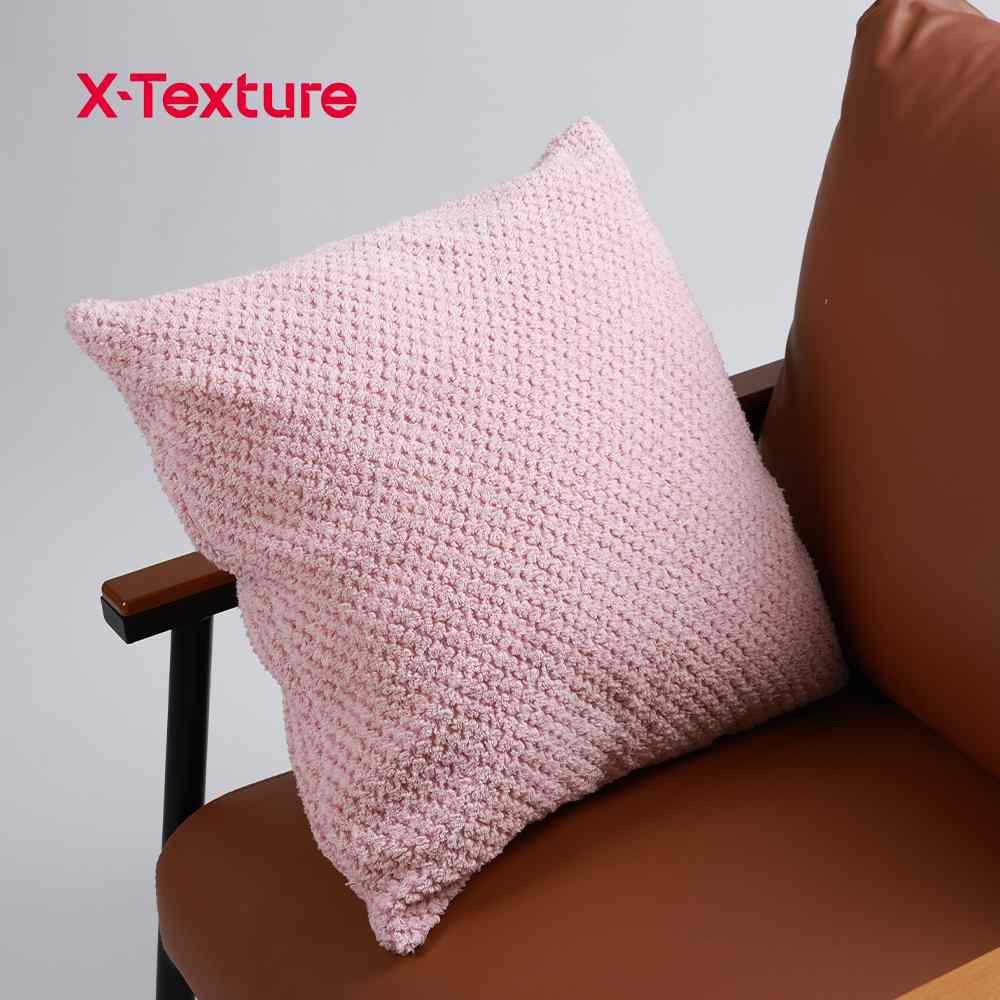
When evaluating Sherpa and Coral variations, buyers must focus on pile height, double-sided brushing techniques, and structural memory. High-quality Sherpa utilizes a specialized knitting process that loops the yarn, which is then sheared to mimic natural sheep’s wool. It maintains a hypoallergenic and lightweight profile, making it a superior choice for heavy winter application.
High-Density Mink Fleece (The Premium Simulation Standard)
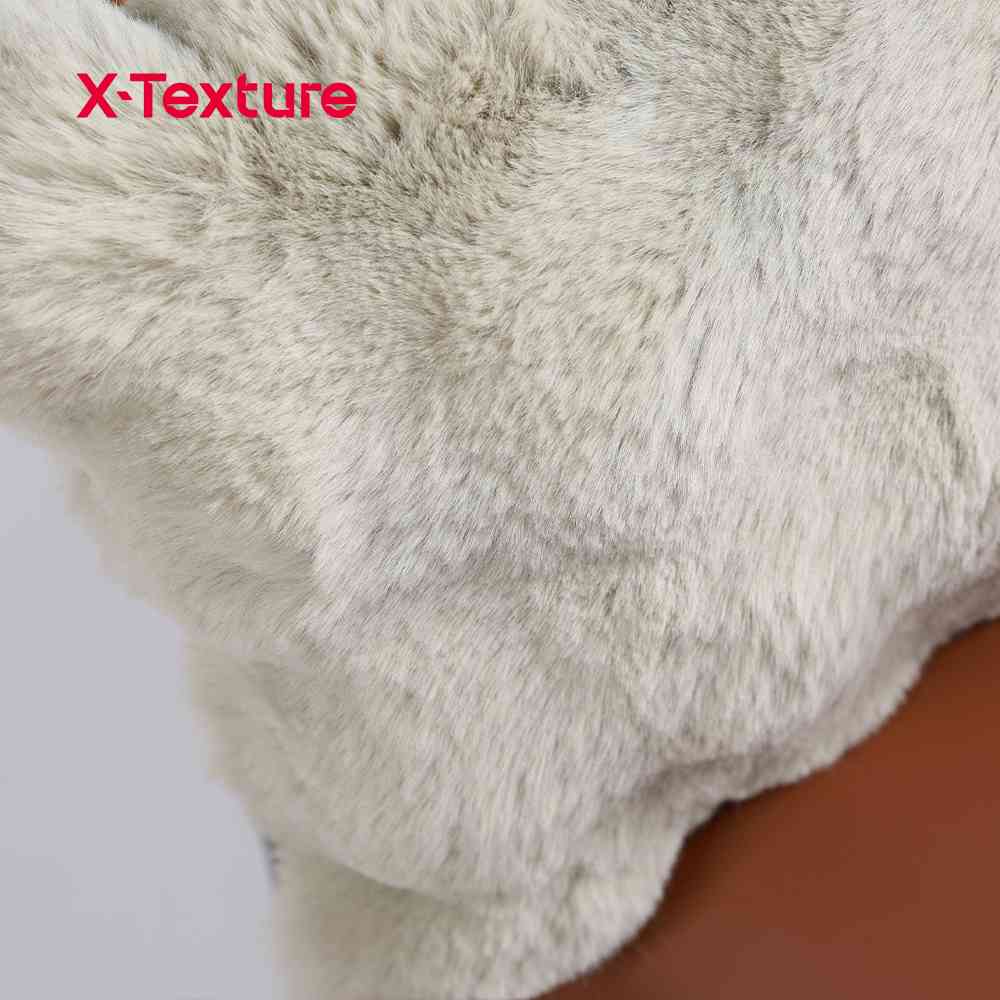
High-density Mink fleece represents the premium simulation standard in synthetic textiles. It features ultra-dense knitted structures specifically formulated to replace traditional wool and cotton textiles. The manufacturing process relies on high-gauge circular knitting machines that pack thousands of filaments into every square inch. The primary application for this category includes high-end apparel lining, luxury throws, and premium upholstered goods where touch and long-term structural memory are paramount.
3D Carved Fleece (e.g., 9D Stereoscopic Jade Fox)
This category merges high-simulation synthetic fibers with precision Korean rotary or flatbed carving techniques. The mechanical process creates dimensional topographies without sacrificing base fabric integrity. The fabric passes under multi-axis cutting blades programmed to sheer exact topographical patterns into the pile.
Evaluators must ensure a strict balance between visual aesthetics and structural durability. You must confirm that pattern depth remains intact across repeated friction testing and washing cycles. This requires the manufacturer to utilize high-temperature thermal setting (often exceeding 180°C) to lock the synthetic fibers into their newly carved shape permanently.
Function-Engineered Fleece Solutions
Modern textile engineering integrates active functions directly into the polymer melt before yarn extrusion. Permanent antibacterial fabrics, such as Cloud Silk, embed food-grade zinc ions at the extrusion and spinning stage. Unlike topical wash-off sprays that degrade after ten washes, this structural integration maintains biostatic efficacy over the product’s entire lifespan.
Similarly, hygroscopic heat-generating textiles (like Baby Fleece) are treated via functionalized doping with nano-ceramic powders. These engineered fibers effectively absorb environmental and bodily moisture. The nano-ceramics undergo a phase change, converting latent moisture into active far-infrared thermal insulation while mimicking an ultra-soft hand feel.
3. Comparative Analysis: Engineered Fleece vs. Traditional Textiles
Engineered synthetic textiles frequently outperform traditional natural fibers in demanding environments. Understanding these technical functional differences clarifies why advanced polymer fleece remains the preferred choice for commercial thermal applications.
Warmth-to-Weight Optimization
High-GSM synthetic fleece outperforms traditional cotton and wool in heavy winter conditions by structurally trapping micro-pockets of air. This architectural structure provides high CLO (insulation) values without the heavy weight penalty associated with densely woven natural fibers. Synthetic fibers can be engineered with hollow cores, drastically reducing the physical weight of the yarn while simultaneously increasing the volume of dead air trapped within the fabric matrix.
Moisture Management & Hypoallergenic Properties
Natural fibers like cotton and wool retain large amounts of moisture. Cotton has a moisture regain rate of approximately 8.5%, while wool sits around 15%. This retained dampness provides a breeding ground for dust mites and microbial growth. In contrast, engineered polyester synthetics possess a moisture regain rate of roughly 0.4%. They provide superior hydrophobic properties, accelerate drying times, manage moisture actively through capillary action, and inherently resist biological infestation.
Longevity and Wash-Durability
Comparing the degradation curves of traditional fibers versus extruded polyester knits reveals significant longevity differences. High-quality synthetic knits exhibit exceptional dimensional stability. They resist the severe shrinkage, felting, and color fading that typically degrade natural fibers under rigorous industrial laundering cycles.
| Performance Metric | Engineered Synthetic Fleece | Traditional Wool | Traditional Cotton |
|---|---|---|---|
| Warmth-to-Weight Ratio | Exceptional (High insulation, hollow-core light weight) | Moderate (High insulation, heavy dense weight) | Low (Low insulation, moderate weight) |
| Moisture Regain Rate | ~ 0.4% (Hydrophobic, rapid drying) | ~ 15.0% (Retains moisture, slow drying) | ~ 8.5% (Highly absorbent, very slow drying) |
| Hypoallergenic Profile | High (Inherently resists dust mites and microbes) | Low (Lanolin can trigger allergic reactions) | Moderate (Prone to dust mites and mold if damp) |
| Laundering Durability | High (Resists dimensional shrinkage and fading) | Low (Prone to felting, requires specialized care) | Moderate (Prone to structural warping and color loss) |
4. Production Infrastructure: What Makes The “Best” Truly Scalable?
High-quality prototypes provide zero value without scalable production infrastructure backing them. Identifying a premier supplier requires evaluating their factory floor capabilities, capital investments, and mechanical QA systems.
Facility Baselines and Digital Dyeing
World-class textile production requires substantial footprint capability. Top-tier benchmark facilities typically command $140M+ capital investments, yielding up to 36,000 tons of knit fabric annually. High-yield quality demands an automated dye and chemical delivery system. Precision-controlled dye application ensures exact batch matching by maintaining “one record per batch” database protocols. Partnering with trusted chemical suppliers like Huntsman Dyes guarantees global color consistency, superior colorfastness, and reduced water consumption during the high-temperature, high-pressure (HTHP) dyeing phase.
Mechanical Quality Assurance
Mitigating defect risks requires advanced mechanical intervention before the fabric reaches the finishing stage. Top-tier factories deploy a sequence of automated checks:
- Optical Weft Adjusters: Hardware solutions, such as Mahlo straightening machines, utilize optical sensors to read the grain of the fabric. They automatically apply localized tension to straighten mechanical deformations, eliminating fabric skew and bow prior to heat setting.
- Automated Defect Scanning: Utilizing intelligent AI-driven fabric inspection software outpaces manual visual checks. Overhead camera arrays scan for missing picks, uneven pile heights, and oil stains at high speeds.
- Continuous Weight Monitoring: Inline scanners constantly measure the GSM of the fabric as it exits the stenter frame, ensuring absolute weight consistency across a 10,000-meter production run.
Implementing these automated technologies sharply reduces Return Merchandise Authorization (RMA) risks caused by undetected shedding or dimensional instability.
5. Green Manufacturing and Sustainability Dimensions
Modern consumers and global regulators demand sustainable manufacturing practices. Evaluators must verify that environmental claims are backed by robust, verifiable facility infrastructure rather than mere marketing language.
Sustainable & Regenerative Alternatives
Incorporating recycled Polyethylene Terephthalate (rPET) sourced from marine and domestic waste is a critical sustainability benchmark. High-tier producers blend these recycled yarns up to a 43% operational ratio within their standard lines. This practice nets verifiable carbon offsets without degrading the tensile strength or structural integrity of the finished textiles. Procurement teams must request intrinsic viscosity reports to ensure the recycled polymer matches virgin material strength.
Water Lifecycle and Safe Chemistry
High-performance textile finishing demands rigorous wastewater reclamation. Premium producers deploy extensive biological degradation systems coupled with imported Reverse Osmosis (RO) membranes. These systems aggressively lower Chemical Oxygen Demand (COD) and often hit a 90% water recovery rate, allowing the factory to reuse water in closed-loop dyeing cycles. Furthermore, verifying that dyeing and post-processing incorporate Bluesign® approved, biodegradable additives safeguards end consumers from toxicity and protects supply chains from regulatory gridlock.
Energy Architecture
Energy architecture serves as an invisible cost-saver and environmental stabilizer. The incorporation of advanced thermal infrastructure, such as air-to-air waste-heat recovery systems on stenter frames, captures and recirculates 50% to 80% of latent heat energy. When combined with mega-watt scale solar PV systems installed across the factory roof, textile mills materially drop their production carbon footprint while stabilizing their base operational costs against global energy market volatility.
6. Certification Risk Mitigation & Vendor Vetting
Certifications act as objective, third-party proof of manufacturing claims. Proper vendor vetting demands a strict review of global textile standards to ensure that بطانيات are safe for diverse consumer usage.
Safety and Chemical Processing
Mandatory compliance with the OEKO-TEX Standard 100 certification is non-negotiable. Buyers should look for Class 1 certification if the end product touches infant skin. Aligning with the Higg Facility Environmental Module (FEM) ensures transparent reporting of chemical usage and environmental impact. These certifications guarantee the absolute absence of harmful chemical residues, heavy metals, and banned azo dyes.
Chain of Custody and Process Validation
Tracking recycled content through spinning, weaving, and finishing phases requires strict validation by the GRS (Global Recycled Standard). GRS utilizes Transaction Certificates (TCs) to prove the exact origin and volume of recycled material in every specific batch.
Global brands also require alignment with rigid ISO frameworks. Facility audits must confirm active compliance with:
- ISO 9001:2015 for comprehensive Quality Management Systems.
- ISO 14001:2015 for robust Environmental Management protocols.
- ISO 45001:2018 for verified Occupational Health and worker safety.
- ISO 14064 and ISO 14067 for accurate, standardized Greenhouse Gas protocol verification.
Additionally, passing Sedex SMETA 4-pillar ethical audits provides the essential baseline labor and environmental compliance demanded by large international retailers like Costco, Uniqlo, and Zara.
الخاتمة
- Define precise material criteria targeting your audience’s seasonal requirements, establishing strict GSM minimums and maximums for each SKU.
- Demand comprehensive technical specification sheets from vendors to mathematically verify functional claims, such as nano-ceramic thermal heating or permanent zinc-ion infusion.
- Require documented, up-to-date proof of OEKO-TEX 100, GRS Transaction Certificates, and Bluesign® compliance prior to authorizing any prototype sampling.
- Engage specialized third-party technical teams to conduct rigorous batch testing, specifically focusing on dimensional shrinkage rates and ISO-standard Martindale pilling tests.
- Audit the supplier’s mechanical infrastructure directly, mandating the use of automated dye delivery systems and optical weft adjusters for all commercial production runs.
الأسئلة الشائعة
Q: Which type of fleece blanket is the warmest for extreme winter conditions?
A: For extreme cold, heavy-weight Sherpa or high-density Mink fleece exceeding 300+ GSM is ideal. When combined with hygroscopic heat-generating treatments, these textiles offer the highest CLO insulation values, yielding an exceptional warmth-to-weight ratio without physical bulk.
Q: How does GSM (Grams per Square Meter) dictate the seasonality of fleece Blankets?
A: GSM directly correlates to fabric density and thermal retention. Items under 250 GSM are suited for summer or lightweight layering. Fabrics above 300 GSM are heavily engineered to trap dead air and retain heat effectively during harsher winter seasons.
Q: How do automated dye systems impact the quality of fleece blankets?
A: Automated routing controls chemical fluid pressure and dye application intervals perfectly. This neutralizes human error, achieves zero dye-batch deviation, and ensures predictable commercial scalability with exact color matching across massive multi-ton orders.
Q: What is 9D carved fleece fabric and how does it retain its pattern?
A: It combines advanced simulated synthetic fibers with multi-axis surface carving techniques. It relies on optimal high-temperature heat-setting equipment to ensure physical dimensional stability, locking the pattern in place throughout numerous harsh washing cycles.
Q: Is recycled fleece (rPET) inferior in durability to virgin polyester?
A: Not when processed optimally. High-tier recycling standards use verified chain-of-custody rPET with verified intrinsic viscosity. This generates parity in physical tensile durability while actively offsetting upwards of 74% to 79% in carbon emissions per ton.
Q: What role does zinc play in functional antibacterial fleece?
A: Premium production integrates food-grade zinc ions at the raw extrusion phase, forging permanent physical bindings inside the filament matrix. This generates a lasting antibacterial shield that will not wash out during industrial or domestic laundering.
Q: How does a buyer verify eco-friendly and safe chemistry claims in textiles?
A: A secure supplier profile must present active, cross-referenced certification databases. This specifically includes Bluesign® approvals, global OEKO-TEX 100 standing, and objective environmental protocols documented and tracked under strict ISO 14067 and ISO 14064 criteria.