


Abstract:
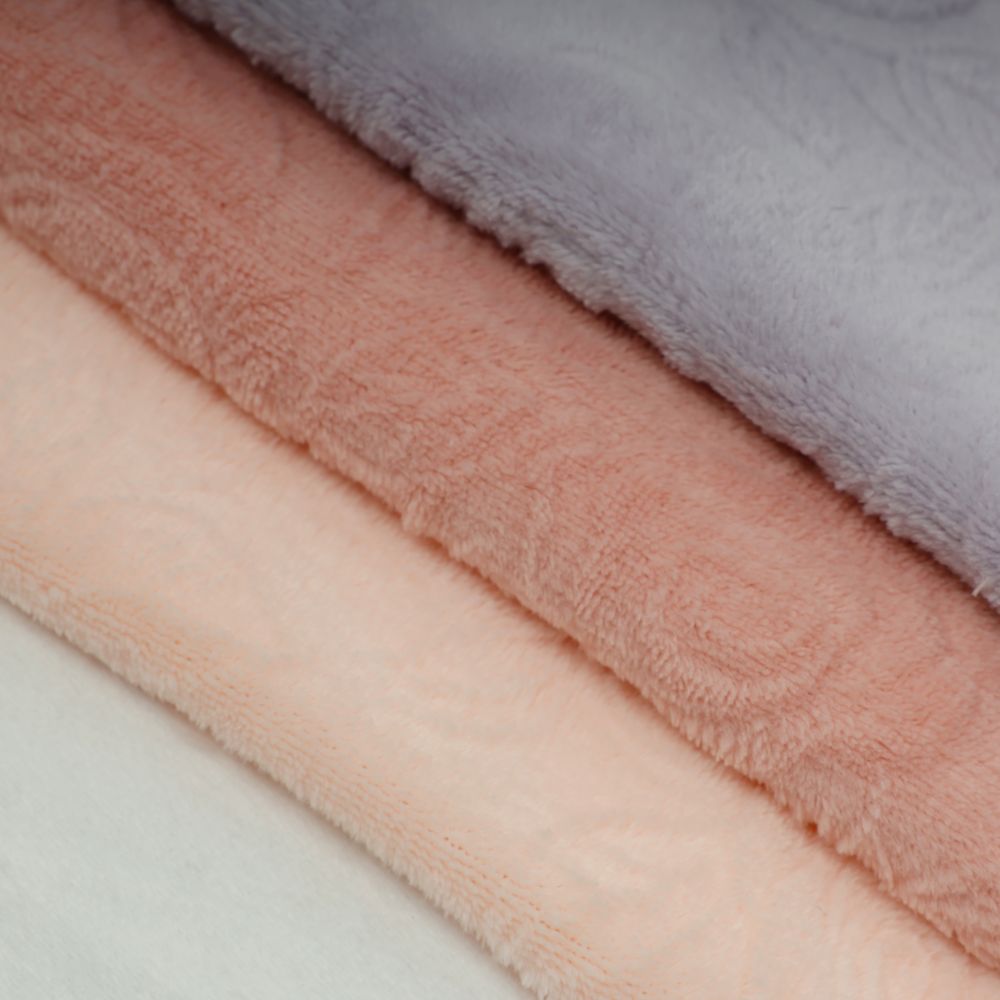
Minky and minky fleece are often used synonymously in business conversations; however, they represent different constructions of textile that have different capabilities, costs, and applications.
Understanding the difference can lead to misdiagnoses, product failures, or extra costs that are unnecessary in B2B manufacturing contexts like baby fabric, plush toys, blankets, and accessories for upholstery.
Based on the acknowledged textile science references mentioned earlier, the article develops a comprehensive, industry-oriented understanding of what differentiates minky from minky fabric.
Beyond surface-level softness comparisons, we examine fiber structure, knitting methods, finishing processes, durability, cost structures, compliance considerations, and commercial use cases.
Why the Difference Between Minky and Minky Fleece Matters in B2B Sourcing?
In the B2B textile industry, terminology misconceptions can lead to:
- Incorrect composition of the material
- Incorrect product performance
- Increased yields
- Safety or compliance risks
“Minky” has become a popular term that is derived from the market, while “minky fleece fabric” is a specific type of fabric that possesses the properties of fleece. Understanding this difference is crucial to negotiating with mills, comparing prices, or writing technical specifications.
ما هو قماش الصوف المنكي؟
- What is the definition of Minky Fleece fabric?
Minky Fleece fabric is a synthetic textile that is typically composed of 100% polyester. Its properties include:
- Extremely inviting hand feel
- Short, packed mass
- Smooth support
- Aesthetically pleasing
Originally intended for the luxury textile consumer, minky is now commonly utilized in baby goods, plush toys, throws, and accessories.
- How is the Minky fabric manufactured?
Minky is typically created using the following methods:
- Warp stitching (often called Raschel stitching)
- Super-fine denier polyester fibers
- Mechanical stroking and shearing actions
The most notable attribute is its micro-plush coating, rather than its thermal insulation.
- Common Types of Minky fabric
From a commercial perspective, Minky has multiple popular surface types:
- Smooth mome
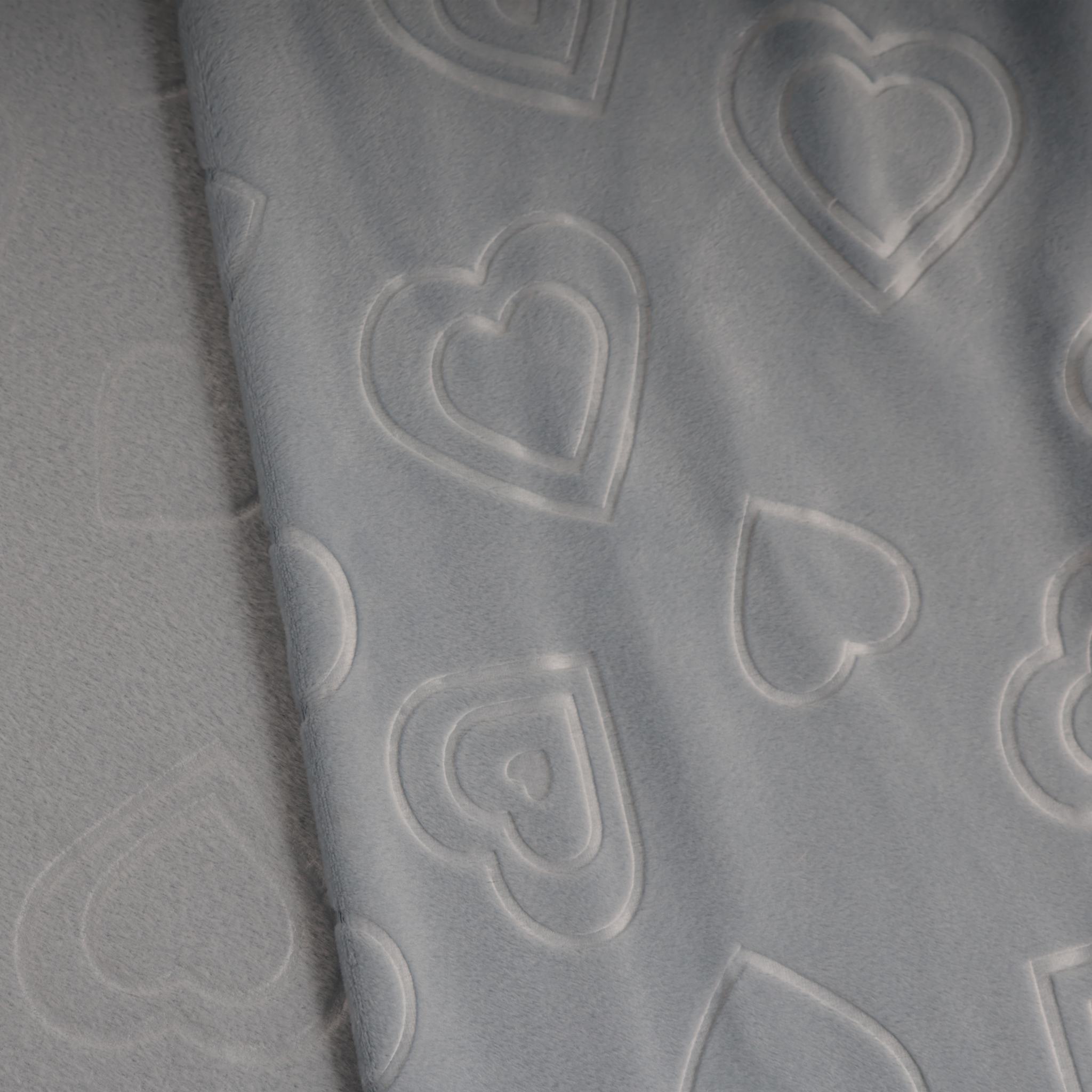
- Dimple or embossed minky
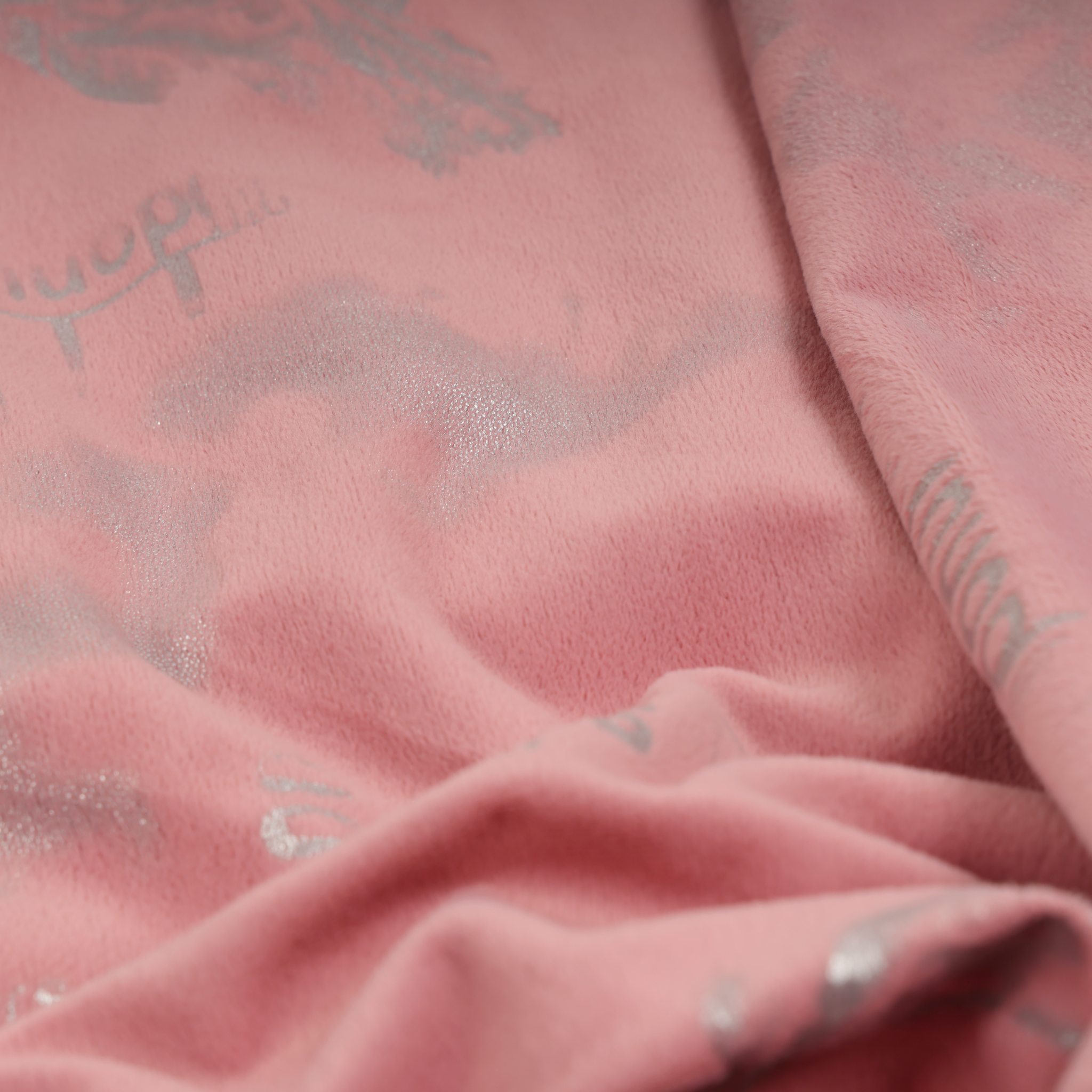
- Minky’s printed version
- Volatile pile short
These variations have an effect on the appearance that is greater than the functional temperature.
ما هو قماش الصوف المنكي؟
- Understanding the definition of Minky Fleece’s fabric
Minky fleece fabric is a hybrid fabric type that combines both:
- The fluffy and clustery nature of Minky’s hair.
- The insulating and breathable qualities of fleece.
Unlike the typical minky, the minky fleece is designed to have thermal capabilities, not just the softness that is felt.
- The Structural Properties of Minky Fleece
Minky fabric typically has:
- A heavier weight at the top of the pile
- Elevated position
- Better air capture ability
This is appropriate for use in environments that are colder and have a textile composition that is multiple layers.
- The term “minky fleece” is why
From a business perspective, the term “iminy fleece” was created as:
- A marketing strategy that differentiates businesses
- A response to consumers who sought more comfortable fabrics
- A method of placing high-end fleece substitutes in a premium position
However, not all suppliers define it in the same way: this makes it essential to clarify technical issues.
Core Differences Between Minky and Minky Fleece Fabric
- Construction and Pile Structure
| الميزة | قماش مينكي | قماش صوف المنكي |
| Pile Height | Short to medium | Medium to high |
| Density | Very dense surface | Dense with loft |
| Thermal Insulation | Low to moderate | Moderate to high |
| ملمس اليد | حريري وناعم | Soft, cushiony |
- Weighing the Same as the Current Device
Minky fabrics typically have a range of 180-300 GSM, while minky flannel fabric is often over 300 GSM. This fabric type helps to enhance the retention of warmth.
- Breathability and Heat retention
Minky: It’s more concerned with the surface’s softness and drape.
Minky fabric: Combining warmth and insulation.
This distinction is important to baby covers and winter apparel.
Fiber Composition: Are They the Same?
Both fabrics are predominantly:
- 100% polyester
- Occasionally blended with recycled polyester
The difference lies not in fiber type, but in yarn fineness, knit structure, and finishing processes.
Finishing Processes: Where Performance Diverges
- Brushing and Shearing
Minky fleece undergoes more intensive brushing, creating:
- Higher loft
- Improved insulation
- Heat Setting and Stability
Minky fleece fabrics are often heat-set to maintain thickness, especially for large-scale production runs.
Durability and Wear Resistance
- Pilling Capacity
Ordinary minky: Wonderful strength
Minky fabric: A little more likely to have pilling if lower-quality fibers are employed
High-quality mills are responsible for this mitigation with regard to fiber length.
- النظافة
Both fabrics have a successful history of washing multiple times, but the minky fabric has a more extensive history.
Safety and Compliance Considerations
For B2B buyers supplying regulated markets:
- CPSIA (US)
- EN71 (EU)
- REACH chemical compliance
Minky fleece fabric used in baby products must meet stricter flammability and fiber shedding standards.
Applications: Where Each Fabric Performs Best
| التطبيق | Recommended Fabric |
| بطانيات الأطفال | قماش صوفي من الفرو المنكي |
| Plush toys | مينكي |
| Throw blankets | قماش صوفي من الفرو المنكي |
| Decorative pillows | مينكي |
| Pet bedding | قماش صوفي من الفرو المنكي |
Cost Structure and Pricing Differences
- Raw Material Costs
Minky fleece fabric typically costs 10–25% more due to:
- Higher GSM
- Longer processing time
- Additional finishing steps
- B2B Pricing Impact
For large-volume buyers, choosing minky fleece affects:
- Shipping weight
- Packaging size
- End-product pricing tiers
Printing and Dyeing Performance
Minky and minky fabric are typically composed of polyester microfibers; these fibers have a strong influence on their coloration.
- Dyeing Abilities
Polyester-based fabric with a minky design is typically dyed with a dispersive pigment, which results in good colorfastness and long wash life.
Solid-colored minky fabric offers a consistent degree of shade, but the height of the pile can influence the perceived color of the fabric.
- The capacity to print
The digital printing method is increasingly popular for minky fabric because of its capacity to replicate exact patterns with minimal setup time.
Heat transfer printing is typically employed for small batches or personalized projects.
Today, traditional screen printing is less popular because of the thick nature of the pile. This diminishes the clarity of the pattern.
For the greatest effect, the number of piles and the processes of finishing must be precisely balanced to avoid confusion or uneven coloration.
Sustainability Trends in Minky and Minky Fleece Fabric
Sustainability is now a growing concern in the synthetic plush fabric sector.
Key developments include:
- Recycled polyester (rPET) bottles are derived from post-consumer plastic
- Reduced water consumption through solution-dyed fibers
- Enhanced chemical management in the dyeing and finishing processes
While minky fabric is synthetic, advances in recycling technology and a longer product life cycle are contributing to a lower environmental impact. Increasingly, buyers demand certifications like GRS, OEKO-TEX, or REACH.
Common Misconceptions in the Market
Several incorrect assumptions negatively impact the process of sourcing and planning for products.
- “Fleece and Minky are the same.”
In actuality, minky is a specific type of microfiber fabric, while fleece is a larger category that includes multiple different fabric constructions.
- A “heavier” pile is typically associated with a higher quality result.
Elevated pile heights are prone to increased erosion and a decrease in print quality if not properly engineered.
- “All minky fabric types are appropriate for baby merchandising.”
Only fabric that meets stringent safety, chemical, and colorfastness requirements should be utilized in the infant industry.
Understanding the technical aspects is crucial to maintaining quality and building a brand’s reputation.
How to Specify Minky Fleece Fabric Correctly?
Accurate documentation prevents disagreements about quality and delays in production.
The essential parameters that define include:
- The composition of fibers (polyester that is virgin or has been recycled)
- The weight of the fabric (GSM)
- The amount of soil and the density of the pile
- The behavior of support and stretchability
- Dyeing or writing method
- Colorfastness and safety concerns
For consumers in the B2B industry, providing a specific description of the fabric’s properties ensures that suppliers produce fabrics that are in line with the intended purpose.
Future Development Trends
The future of minky and minky fabric is uncertain due to both technological advancement and consumer expectations.
Emerging issues include:
- Lower the cost ofedding through enhanced fiber retention
- Antimicrobial or hygienic finishes for vulnerable uses that require hygiene
- Eco-friendly plush fabric that decreases the release of microplastics
- Increased popularity of custom patterns and textures
As competition becomes more intense, differentiation will be based more on the technical merits and long-lasting nature of the product than on the softness of the product alone.
FAQ: Minky vs. Minky Fleece Fabric
- Is Minky fleece fabric the same as regular fleece?
No. Minky fleece fabric is softer and denser, with a plush surface that distinguishes it from standard polar fleece.
- Which is better for baby products?
Minky fleece fabric is preferred for warmth, while minky suits decorative softness.
- Does Minky fleece fabric cost more?
Yes, due to higher GSM and additional processing.
- Can both fabrics be printed?
Yes, but minky offers sharper detail, while minky fleece requires deeper dye penetration.
- Are both fabrics machine washable?
Yes, when properly finished and tested.
الخاتمة
Understanding the distinction between minky and minky fleece fabric is not considered a semantic endeavor—it’s instead a practical necessity for all B2B textile professionals. While both have a polyester-based fabric over their foundation, their design, capabilities, cost, and ideal uses are different in significant ways.