


Abstract:
The synthetic fibers that revolutionized the textile industry during the cold season were supplanted by substitutes that were both lightweight and insulating. Additionally, they were quick-drying.
The research on polyester fiber engineering in the Journal of Engineered Fibers and Fabrics and the polymer processing standards outlined by the Textile Institute have demonstrated that the pile height, fiber structure, and fabric composition have a significant impact on thermal insulation, moisture transport, durability, and surface stability.
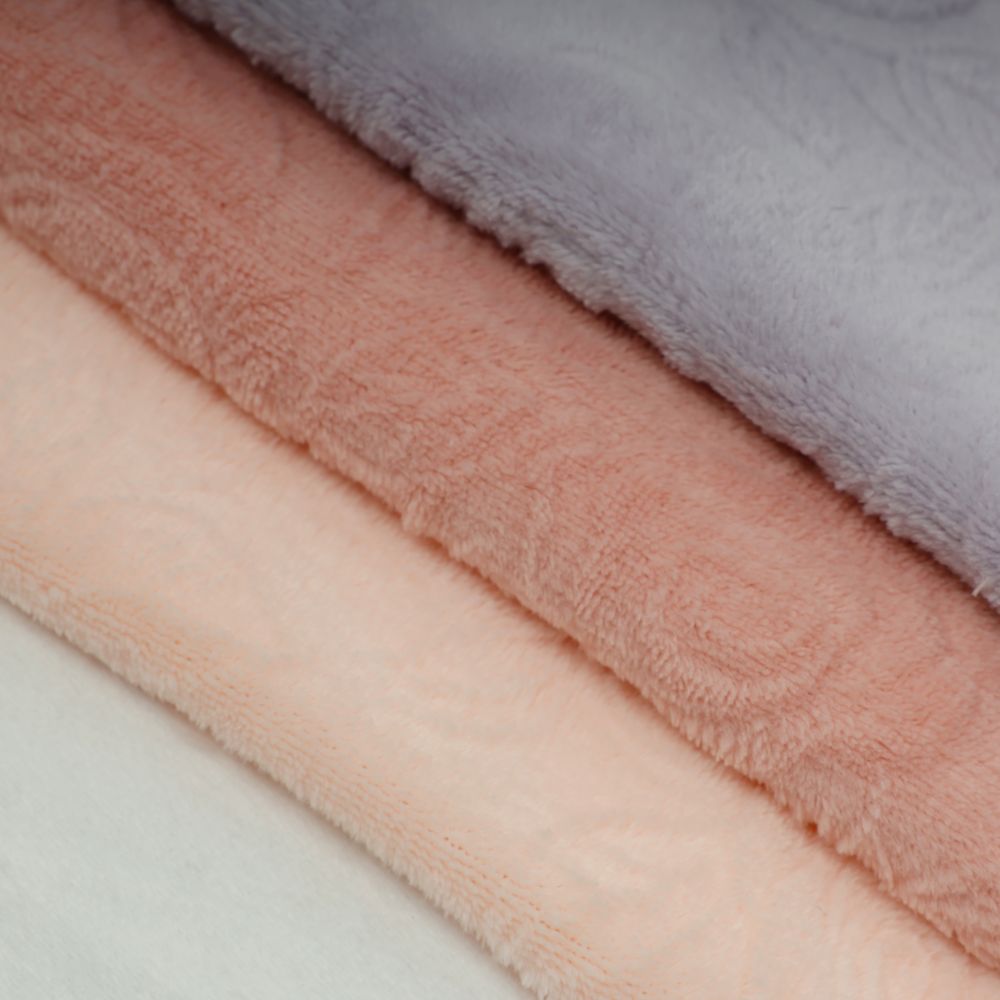
Among the fleece types, Polar Fleece fabric, which is typically composed of brushed polyester fibers, has become the standard for mid-range performance and general-purpose outerwear in the mass market.
This comprehensive 2026 guide answers the question “Which is better, fleece or polar fleece?” by examining fiber composition, structural differences, thermal efficiency, abrasion resistance, sustainability, cost modeling, and end-use suitability.
Introduction: Why the Distinction Matters in 2026?
The words “fleece” and “polar fleece” are frequently used synonymously in marketing terminology. However, from a textile engineering perspective, they are different types of fabric that are classified into different classes within the larger category of pile fabric.
In 2026, as more stringent sustainability regulations become apparent and performance-driven apparel continues to become popular, understanding the distinction between regular fabric and polar fabric has become increasingly pertinent. Brands are obligated to make:
- Thermal efficiency
- Weight-to-warmth ratio
- Pilling resistance
- Moisture management
- قابلية إعادة التدوير
- Cost efficiency
- Consumer perception
The answer to which is better is based on the requirements of performance, environmental concerns, design of garments, and price strategy. This guide discusses these factors in detail.
What Is Fleece? A Broad Category Definition
“Fleece” is a general term that describes fabric that is soft, brushed, and designed to resemble the insulating properties of wool. The class includes both man-made and natural structures.
Traditionally, fleece was used to describe wool that was removed from sheep. Modern fleece, however, typically referring to synthetic brushed fabric that is primarily composed of polyester.
General properties of fleece include:
- Brushed surface that produces airholes
- Heavierweight insulation
- Warmth of the hand
- Quick drying (synthetic materials)
- Flexibility in the design of knitted clothing
Fleece fabric’s characteristics may include:
- Fiber type
- Density of knits
- The amount of dirt on the surface of the pile
- Topography of the surface
- Antipilling agents
As a result, fleece is considered an umbrella term that encompasses different textile types.
ما هو نسيج الصوف القطبي؟
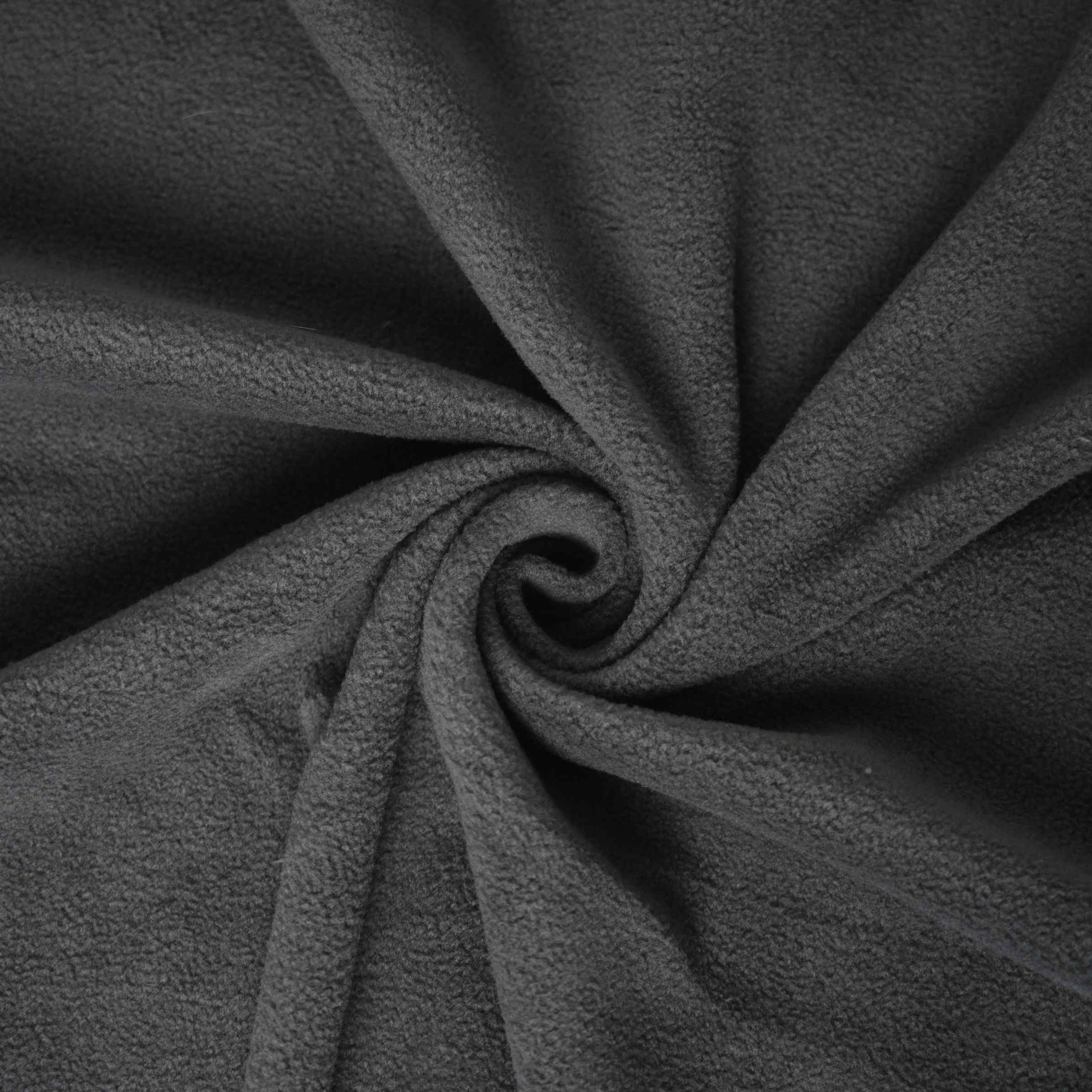
Polar Fleece fabric is a unique type of synthetic fabric that is typically composed of 100% polyester fibers. Developed in the late 20th century as a substitute for wool, polar fleece is designed to have a high degree of warmth and weight.
Main characteristics include:
- Completely made of polyester fiber or wire, respectively
- Circle-shaped knit design
- Two-sided brushing
- Heat-setting to maintain stability in dimensions
- Opportunities for anti-replication treatment options
Unlike the typical fleece (which may contain cotton blends or lower-density fibers), the fabric derived from Polar Fleece follows a standardized manufacturing process that is optimized for insulation and longevity.
Manufacturing Process Comparison
- All-inclusive Productivity
Common fabric types that are fleece-like may include:
- Cotton and polyester blends
- Single-sided brushing
- Lower cell phone signal strength (per square meter)
- Common knit structures
These fabrics are popular in:
- Sweatshirts
- Casual attire
- Costly winter clothing
- The creation of the polar Fleece fabric
The creation of polar fleece involves:
- The polymerization of polyester chips
- Melt that is converted into fibers
- Converting fabric into tubing
- Two-sided brushing
- All-verse-paraphrase> Shearing in uniform order
- anti-caking coating
- Heat-induced stability
This engineered method increases consistency and effectiveness.
Manufacturing Differences
| الميزة | General Fleece | نسيج صوف قطبي |
| Fiber Content | Cotton, blends, or polyester | 100% بوليستر 100% |
| Brushing | Single or double | Typically double-sided |
| إعدادات الحرارة | Optional | Standard |
| Anti-Pilling | Variable | Often included |
| Consistency | Variable | Standardized |
Thermal Performance and Insulation
The insulating properties of fabric Fleece are attributed to the trapped air in the fabric’s pile.
The polar Fleece fabric typically offers:
- Elevated position
- Increased air volume
- Increased thermal conductivity
Polyester fibers create water-resistant air chambers that reduce the loss of heat even in wet conditions.
General fleece composed of cotton blends may include:
- Absorb water
- Get wet without losing insulation
- Heavier than usual in humid climates
As a result, for cold winter clothing, the polar fabric of Fleece often has a superior performance to cotton-based fabric.
Weight and GSM Categories
Polar fleece is categorized by GSM:
- Micro fleece: 100–150 GSM
- Midweight fleece: 200–250 GSM
- Heavyweight fleece: 300+ GSM
General fleece products may lack standardized GSM labeling, leading to inconsistent performance expectations.
Weight and Warmth Comparison
| نوع القماش | Typical GSM | Warmth Level | Moisture Resistance |
| Cotton Fleece | 180-280 | معتدل | منخفضة |
| Polyester Fleece | 150–300 | عالية | عالية |
| نسيج صوف قطبي | 100–350 | High to Very High | ممتاز |
Durability and Abrasion Resistance
Polyester-based Polar Fleece Fabric offers:
- Superior abrasion resistance
- Shape retention
- Shrink resistance
- Colorfastness
Cotton-blend fleece may:
- Shrink
- Fade
- Develop fabric distortion
Anti-pilling finishes further improve polar fleece durability.
Breathability and Moisture Management
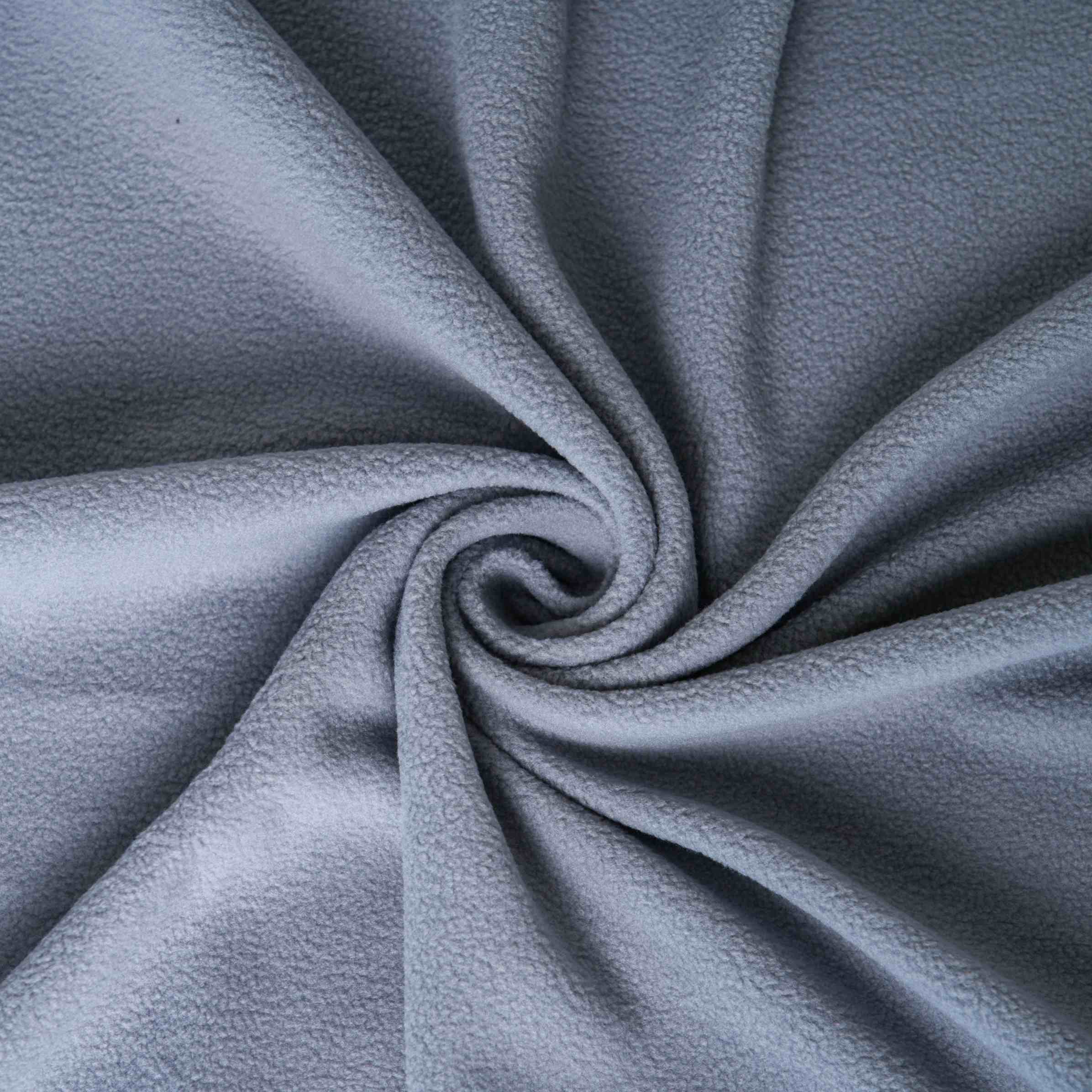
The polar fabric is hydrophobic, which means:
- Moisture’s wicks
- Dries is quick to learn
- Preserve the warmth of the earth
Cotton’s flannel fabric is moisture-absorbing; this fabric diminishes the effectiveness of heat.
In apparel that is intended for performance, the polar fabric is typically preferred.
Pilling Performance
Pilling is the process by which loose fibers become spherical balls on the surface.
polar fleece that has a treatment that prevents pilling, resists.
Fuzzy surface
Fiber depletion
Visual deterioration
Lower-priced fabric often takes longer to pill.
Sustainability Considerations in 2026
Polyester fabric is criticized for:
- Small plastic particles
- Petrochemicals derived from petroleum
However, enhancements include:
- Reused polyester (rPET)
- Recycling systems that are closed on the loop are the most efficient
- Impact-dyeing that is low
Also, cotton fabric has an environmental impact:
- Water consumption
- Pesticide utilization
Sustainable evaluation is based on a lifecycle analysis, rather than on the sole analysis of fiber type.
Sustainability Comparison
| العامل | Cotton Fleece | نسيج صوف قطبي |
| Water Usage | عالية | منخفضة |
| Energy Use | معتدل | معتدل |
| Microplastic Risk | لا يوجد | Present |
| Recycled Options | Limited | Widely Available |
Cost Analysis
Polar fleece generally provides a better cost-to-performance ratio for:
- Outdoor apparel
- Corporate uniforms
- Blankets
- Sportswear
Cotton fleece remains strong in:
- Sweatshirts
- Fashion casualwear
- Loungewear
Polar fleece’s scalability makes it dominant in global supply chains.
Applications by Market Segment
- Performance and Outdoor Clothing
The polar fleece fabric is most preferred because of its insulation properties and moisture management.
- Casual Fashion
The cotton fabric known as fleece is still popular.
- Corporate and promotional products
The polar fleece that is durable and budget-friendly is the most popular.
- Children’s Clothes
Lightweight polar fabric offers warmth without weight.
Key Differences in Application Focus
| الميزة | قماش صوفي | نسيج صوف قطبي |
| Fiber Type | Cotton or polyester blends | 100% polyester (typically) |
| Primary Use | Casual and lifestyle wear | Outdoor and cold-weather gear |
| Warmth Level | معتدل | عالية |
| Moisture Resistance | معتدل | قوي |
| Performance Orientation | Comfort-driven | Insulation-driven |
Which Is Better? The Final Analysis
No singular answer. Instead:
Select the polar Fleece fabric type when:
The temperature-to-weight ratio is of concern.
Moisture tolerance is necessary.
Robustness is of the essence
The purpose of this type of use is to exercise or play freely.
Select cotton or a mixture of fibers when:
A soft, natural feel is preferred.
Fashion design has a significant impact on the necessity of performance.
Breathable interior clothing is of paramount importance.
From a technical perspective, Polar Fleece fabric typically has superior insulation, resilience, and moisture control.
FAQ: Polar Fleece Fabric vs Fleece
- Is polar fleece warmer than regular fleece?
Yes, especially compared to cotton fleece, due to better air trapping and moisture resistance.
- Is polar fleece 100% polyester?
Most Polar Fleece Fabric is made from 100% polyester, though blends may exist.
- Does polar fleece pill?
High-quality polar fleece with anti-pilling treatment resists pilling better than standard fleece.
- Is polar fleece breathable?
Yes, it allows airflow while retaining warmth.
- Which is better for outdoor jackets?
Polar Fleece Fabric is typically better due to its insulation and quick-drying properties.
- Is polar fleece sustainable?
Recycled polyester options improve sustainability, though microplastic concerns remain.
الخاتمة
When considering polar fleece versus fabric that is fleece-based, the difference is attributed to the precision of engineering and the reliability of performance.
While fleece is a broad term that encompasses multiple fiber combinations and structures, Polar Fleece fabric is a standardized, high-performance polyester fabric that is intended for use in warm climates. It also has a breathable mesh design that allows water to pass through.
In 2026, as popular fabric types continue to be dominant in the outdoor, athletic, and corporate apparel markets, Polar Fleece fabric will have a strong competitive advantage due to its combination of cost efficiency, thermal performance, and global scope.
Ultimately, the more effective fabric is dependent on the application. However, from a technical and commercial perspective, Polar Fleece fabric has a tendency to perform better in modern apparel production.