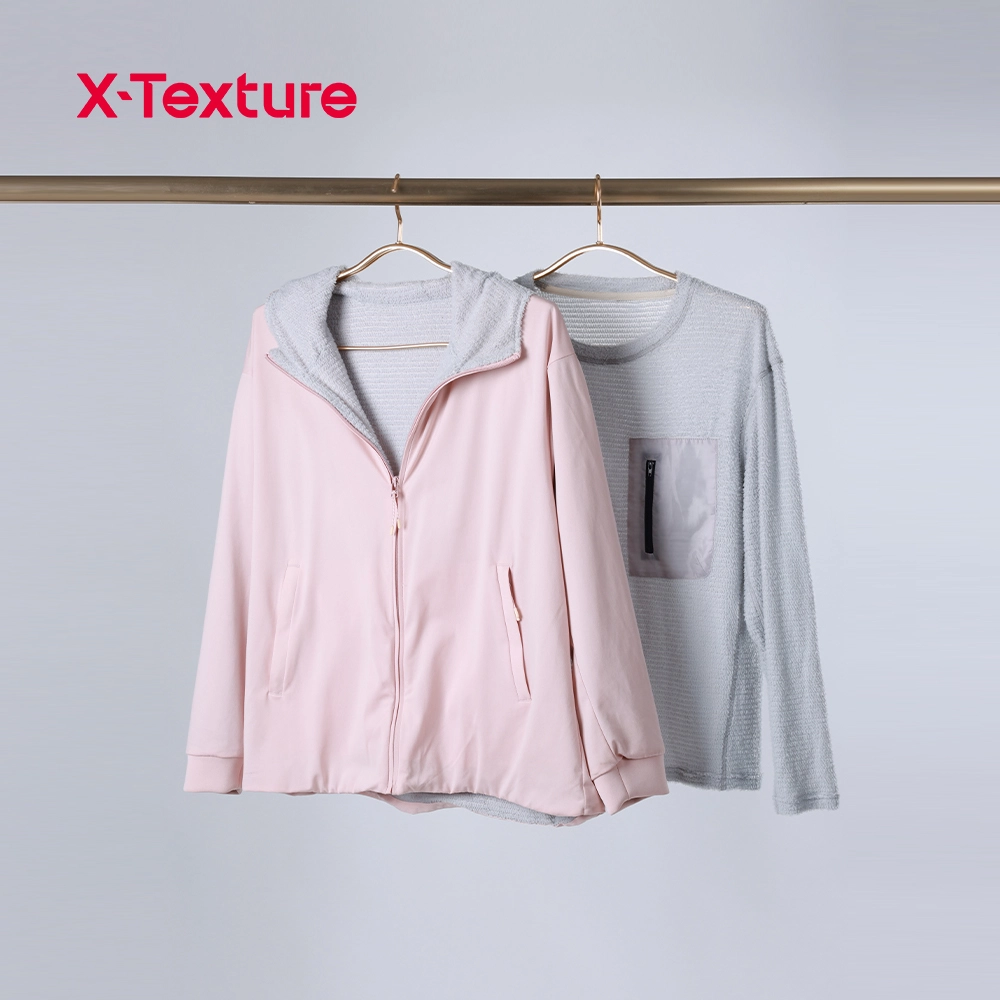

Die Verkäufe von Unterwäsche sind kürzlich weltweit um 3% gestiegen. Dies markiert eine dauerhafte Trendwende hin zu hybriden Arbeits- und Freizeitmodellen.
Basic outdoor fleece is becoming a chic wardrobe essential. How will 2027 fashion trends drive demand for plush fabrics?
In this post, we will discuss how comfort and innovation shape future plush textile markets.
The Evolution of Loungewear and Activewear: Fueling Plush Fabric Demand 2027
That 3% jump in bodywear sales we noted earlier is just the beginning. The 2027-2028 fashion landscape completely erases the old boundaries. You can no longer easily separate sleepwear, daytime loungewear, and activewear. Consumers want single garments that handle morning workouts, remote work, and evening relaxation.
This lifestyle shift directly accelerates plush fabric demand 2027. Brands are actively moving away from the traditional, slouchy fleece look. Instead, they demand elegant, structured plush garments. These new pieces offer intimate comfort while maintaining a chic aesthetic for professional video calls.
Bi-Material Designs and Hybrid Constructions
To achieve this structured look, designers now rely heavily on bi-material constructions. They pair heavy plush fabrics for opacity and warmth with lighter, breathable textiles like mesh or stretch cotton. This hybrid approach easily supports a body in constant motion.
You might see a plush fleece tracksuit paired with a breathable bodysuit. This layering technique creates a new rhythm in daily wear. It also drives specific material choices across the textile industry.
| Stoff Typ | Primary Application | Design Benefit |
|---|---|---|
| Double-Sided Flannel Fleece | Structured loungewear sets | Maintains garment shape without adding heavy bulk. |
| Jacquard Flannel | Chic daytime jackets | Provides elegant textures for a professional look. |
| Sherpa & Faux Fur | Outerwear accents | Delivers high thermal insulation for hybrid outdoor use. |
As brands explore these combinations, sherpa fabric demand continues to rise for outerwear panels. Manufacturers like Jiangsu X-Texture Textile Technology Development Co., Ltd. (X-Texture) produce advanced double-sided flannel and jacquard flannel. These specific textiles give designers the exact weight and drape needed for structured comfort.
Thermal Micro-Climates for Home-Centric Work
Home-centric work patterns also change how we view daily warmth. People want to lower their indoor heating bills. They expect their clothing to do the heavy lifting. This creates a massive need for thermal micro-climate textiles.
Modern plush fabrics must trap heat efficiently without causing you to sweat. S-warm Tec self-heating fabrics, developed by X-Texture, perfectly address this pain point. They create a reliable thermal barrier right against your skin. You stay warm at your desk without feeling weighed down by outdated, heavy fleece.
By optimizing the CLO value, these advanced textiles deliver superior thermal resistance at a much lower fabric weight. You get the cozy feel of traditional pajamas combined with the technical performance of high-end activewear.
Key 2027 Fashion Trends Shaping Plush Textile Market Growth
Building on those advanced thermal micro-climates we just discussed, performance alone does not sell garments. Consumers also expect extreme sensory comfort. This dual demand drives consistent plush textile market growth heading into 2027. We see several major trends redefining how brands source and design cozy apparel.
Tactile Seduction and Unmatched Softness
Physical feel now dictates purchasing decisions. Shoppers prioritize “tactile seduction” over pure visual aesthetics. They want to know exactly how a garment drapes and feels against bare skin. This shifts current plush fabric trends away from rigid, heavy materials.
Consumers demand chic comfort. They expect their loungewear to feel luxurious but look structured. High-quality combed cotton blends and advanced synthetic filaments deliver this exact balance. They offer a buttery hand-feel while maintaining the elegant shape of the garment.
Cross-Seasonal Adaptability
As we covered earlier, optimizing CLO values dramatically reduces fabric bulk. This technical leap creates true cross-seasonal adaptability. You no longer need to pack away your fleece when spring arrives.
Designers achieve this by utilizing high-density micro-fleece. They rely on hollow-core polyester filaments to trap air efficiently. These advanced fibers provide essential warmth without causing you to overheat. You get a lightweight garment suitable for a chilly autumn evening or an air-conditioned summer office.
The “Wardrobe of its Own” Concept
Sports gear and lounge lingerie no longer sit in separate drawers. They are merging into a complete “wardrobe of its own.” Consumers actively mix and match these hybrid pieces daily.
This modular approach expands material requirements. We see minky fabric trends shifting toward premium adult loungewear. Historically reserved for blankets, ultra-soft minky now accents casual daytime collections. You might pair a plush minky hoodie over a sleek, moisture-wicking sports bra. This creates a versatile outfit ready for any daily activity.
Color and Texture Narratives
Aesthetics are moving toward the look of elegant knitwear. Neutral tones dominate base layers to ensure easy mixing. However, outerwear and statement pieces require bold, distinct textures.
To meet this need, brands incorporate vibrant GRS printed flannels and intricate jacquard flannel patterns. These textiles add visual depth without compromising softness. X-Texture specializes in these specific materials. They supply certified GRS printed and jacquard flannels designed for strict eco-compliance goals.
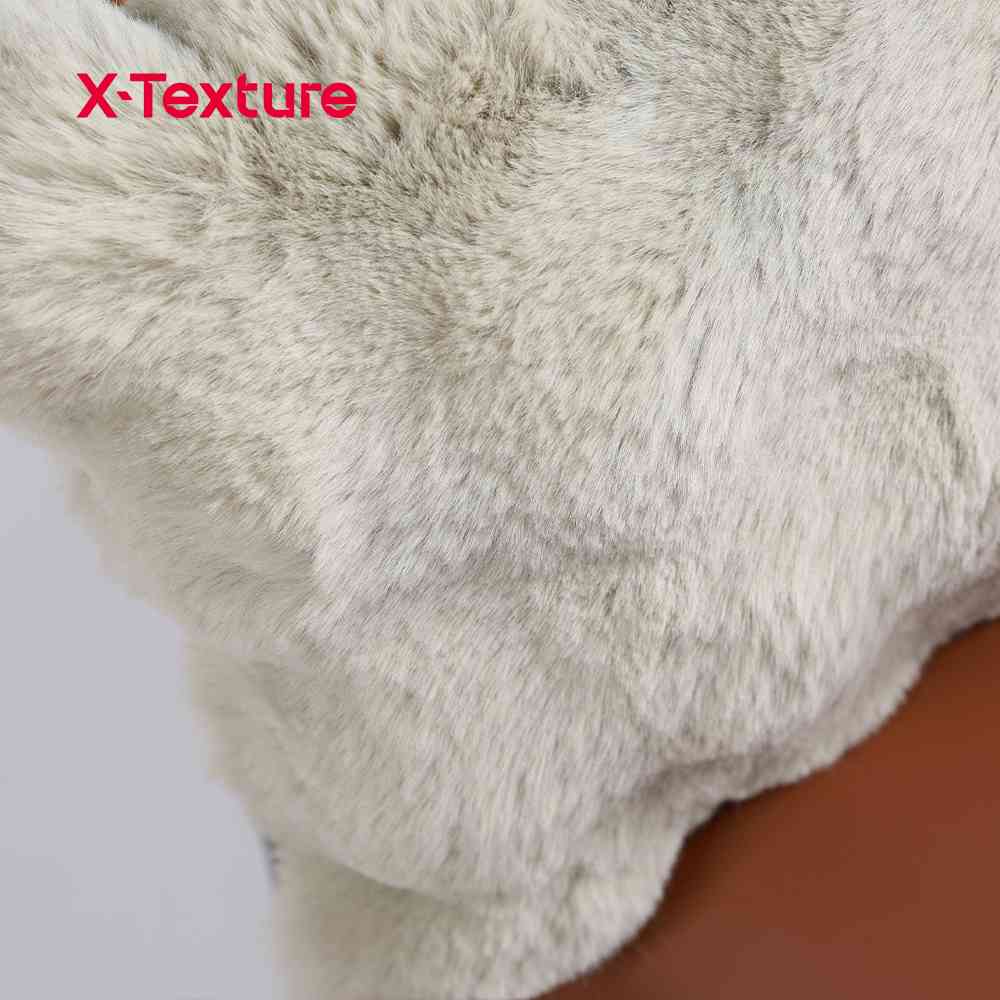
Additionally, outerwear accents rely heavily on synthetic alternatives to animal products. Tracking faux fur fabric trends 2027 reveals a massive shift toward highly realistic, sustainable pile fabrics. Designers use these materials for collars, cuffs, and jacket linings to elevate the perceived value of hybrid garments.
Macroeconomic and Stylistic Drivers
Several external factors guarantee sustained market expansion. US textile product mill output rose 8.2% year-over-year by September 2026. This indicates robust manufacturing recovery and steady consumer demand.
Brands now practice highly disciplined procurement. They source materials from automated “Factory 4.0” facilities to ensure consistent batch dyeing and strict quality control.
| Driver Type | Market Indicator | Industry Impact |
|---|---|---|
| Macroeconomic | Rising US textile output (8.2% growth in 2026) | Increased production capacity for high-volume seasonal orders. |
| Supply Chain | Shift to Factory 4.0 automation | Eliminates inconsistent fabric weight and color-matching errors. |
| Stylistic | Demand for “chic” comfort | Forces a transition from standard heavy fleece to engineered hollow-core filaments. |
| Eco-Compliance | GRS and OEKO-TEX Standard 100 mandates | Accelerates the adoption of certified recycled polyester blends. |
You must align your sourcing strategy against these realities. By prioritizing tactile softness, certified recycled materials, and cross-seasonal performance, your upcoming collections will perfectly capture the 2027 consumer mindset.
Material Spotlight: Sherpa Fabric Demand in Outerwear and Accessories
You just saw how tactile softness and recycled materials shape 2027 procurement strategies. This focus on sensory comfort directly fuels the resurgence of highly textured textiles. Mainstream winter collections now heavily feature voluminous materials. Designers want fabrics offering both visual depth and extreme warmth. This shift explains the soaring sherpa fabric demand across multiple fashion categories. Let us explore how modern sherpa manufacturing balances heavy texture and technical performance.
The Rise of Voluminous Textures in Hybrid Fashion
Modern consumers actively crave visible coziness in their daily wardrobes. They want garments looking exactly as warm as they feel. This desire pushes highly textured, voluminous fabrics into mainstream 2027 winter collections. Sherpa easily stands out as the primary choice for this specific aesthetic.
We see rising demand for sherpa in hybrid jackets and athleisure layering pieces. Brands also use it to elevate premium bodywear collections. You might spot a sherpa-lined track jacket or a chunky sherpa vest. These combinations perfectly capture the current plush fabric trends. They blend rugged outdoor appeal and refined indoor comfort.
Balancing Structural Warmth and Technical Performance
Older sherpa variations often felt heavy and lacked basic breathability. 2027 fashion demands much better technical performance from these textiles. Modern sherpa manufacturing now balances structural warmth and essential moisture-wicking properties.
Engineers achieve this by utilizing advanced synthetic polyester blends. They incorporate hollow-core filaments to reduce overall fabric weight. This creates a high CLO value without the bulky weight penalty. You stay incredibly warm without overheating during active daily use.
Jiangsu X-Texture Textile Technology Development Co., Ltd. (X-Texture) excels in this precise manufacturing. They produce advanced sherpa fabrics prioritizing both thermal isolation and breathability. Their textiles allow designers to build highly structured outerwear. These garments hold their shape while actively managing body moisture.
Cross-Industry Dominance: From Apparel to Luxury Bedding
Sherpa no longer limits itself strictly to winter coats. Its unique combination of volume and softness drives massive cross-industry applications. It currently dominates both the high-end garment sector and the luxury bedding market.
In apparel, designers use it for bold outerwear accents. They line collars, cuffs, and entire jacket interiors for extra warmth. In the home sector, sherpa transforms standard blankets into premium sensory experiences. Consumers want their home environment to mirror their cozy hybrid wardrobe.
| Industry Sector | Primary Use Case | Key Performance Requirement |
|---|---|---|
| High-End Garments | Hybrid jackets, vests, outerwear linings | Structural shape, moisture-wicking, low GSM. |
| Premium Bodywear | Athleisure layering pieces, tactile accents | Extreme softness, ergonomic stretch compatibility. |
| Luxury Bedding | Blankets, throws, winter bedding sets | High thermal retention, wash durability, anti-pilling. |
X-Texture supplies high-quality sherpa perfectly suited for these diverse industry needs. Their extensive catalog includes specialized fabrics for garments, blankets, and luxury bedding. They ensure consistent quality whether you manufacture a chic winter jacket or a heavy throw. This dual-market appeal solidifies sherpa as a reliable cornerstone material. It guarantees steady plush textile market growth well beyond the 2027 season.
Minky Fabric Trends: From Baby Care to Premium Adult Loungewear
Sherpa is not the only textile crossing over from home goods into daily wear. As we explored its dominance in luxury bedding, another familiar material is making a massive leap. We are seeing a complete redefinition of minky fabrics. Historically, manufacturers restricted this ultra-soft material to baby blankets and nursery items. Now, it anchors premium adult collections. Let us examine how minky fabric trends are breaking out of these traditional niches.
Breaking Out of the Nursery
For years, consumers associated minky strictly with infant care. It offered unmatched softness for highly sensitive skin. However, 2027 fashion trends drive demand for plush fabrics across all age groups. Adults now expect the same tactile seduction in their daily wardrobes. Designers finally recognize minky’s massive potential beyond the nursery. They use it to create sophisticated, sensory-rich garments. This shift transforms a basic baby textile into a high-demand luxury material.
Elevating Adult Pajamas and Intimate Wellness Apparel
You now see minky seamlessly integrated into high-end adult pajamas. Brands design cozy wrap sets and elevated loungewear using these premium blends. The fabric provides a welcoming embrace after a long workday. It also plays a huge role in the rapidly growing intimate wellness apparel sector.
Beyond apparel, this material continues to dominate luxury home textiles. High-end throw blankets and decorative pillows rely on minky for an inviting aesthetic. Jiangsu X-Texture Textile Technology Development Co., Ltd. (X-Texture) excels in producing these exact materials. Founded in 2012 in Jiangsu, China, they specialize in manufacturing premium minky fabrics. They supply top-tier textiles perfectly suited for both luxury bedding and sophisticated garments.
Meeting Tier-1 Retail Expectations
Moving into the premium adult market requires strict quality upgrades. Tier-1 global retailers expect flawless, long-lasting performance. They will not tolerate luxury garments shedding fibers or crackling from static electricity. To meet these high expectations, manufacturers must heavily enhance anti-static and anti-pilling finishes.
Advanced chemical treatments now lock fibers in place during the dyeing process. This ensures the fabric maintains its buttery smooth texture after multiple washes. These technical upgrades easily separate cheap novelty items from true premium loungewear.
| Fabric Feature | Traditional Nursery Minky | 2027 Premium Adult Minky |
|---|---|---|
| Oberflächenbehandlung | Basic brushed pile | Advanced anti-pilling treatments |
| Static Control | Minimal processing | High-performance anti-static finishes |
| Primary Application | Baby blankets and soft toys | Intimate wellness apparel and luxury pajamas |
Fulfilling the Desire for Welcoming Intimate Apparel
Today’s consumers want intimate apparel feeling both welcoming and adaptable. Minky perfectly fulfills this specific 2027 desire. It drapes elegantly over the body while offering incredible warmth. You can easily wear a minky lounge robe over your daytime clothes. You might also style a structured minky pullover for a relaxed evening out.
This material bridges the gap between private relaxation and chic comfort. It delivers the exact sensory experience modern shoppers actively crave. By sourcing advanced, treated minky fabrics, brands easily capture this growing segment of the hybrid fashion market.
Faux Fur Fabric Trends 2027: Ethical Luxury on the Rise
Just as minky fabrics recently elevated premium adult loungewear, another textile is rapidly redefining outerwear. You might wonder how 2027 fashion trends will drive demand for plush fabrics in the luxury sector. The answer lies in strict ethical choices. Consumers want extreme sensory richness but refuse to make ethical compromises. This collective mindset pushes faux fur directly into the mainstream spotlight.
The cruelty-free movement heavily influences current purchasing decisions. Shoppers actively demand sustainable luxury aligning perfectly with their personal values. Brands must respond by sourcing premium synthetic alternatives. They prioritize materials meeting Global Recycled Standard (GRS) certifications. This massive shift guarantees sustained growth for ethical plush textiles over the next several years.
Advanced Fiber Blending for Realistic Performance
Older synthetic furs often felt stiff, heavy, or completely artificial. Modern engineering completely solves these frustrating textile problems. Manufacturers now utilize highly advanced fiber blending techniques. They incorporate hollow-core polyester filaments to trap body heat efficiently. This innovation allows faux fur to mimic the exact thermal and tactile properties of real animal fur.
You get the same high CLO value without suffering a heavy weight penalty. The material feels incredibly authentic against bare skin. Jiangsu X-Texture Textile Technology Development Co., Ltd. (X-Texture) excels in this precise manufacturing space. They produce premium faux fur textiles delivering authentic drape and exceptional warmth. Their advanced fabrics give designers the exact tools needed for high-end winter collections.
Statement Pieces, Footwear, and High-End Blankets
Designers no longer hide these materials inside garment linings. They proudly use faux fur for bold, visible statement pieces. You will frequently see it on oversized collars, dramatic cuffs, and full jacket shells. It also dominates winter footwear linings to provide essential insulation against freezing temperatures.
Beyond daily apparel, this versatile material elevates luxury home decor. Premium faux fur transforms standard throws into high-end blankets. Consumers want their living rooms to reflect the same chic comfort found in their wardrobes.
| Application Type | Primary Function | Consumer Benefit |
|---|---|---|
| Statement Outerwear | Visual impact and structural warmth | Delivers a cruelty-free luxury aesthetic. |
| Footwear Linings | Extreme thermal insulation | Ensures breathable comfort during harsh winters. |
| High-End Blankets | Sensory richness for home decor | Provides heavy drape alongside an ultra-soft hand-feel. |
Washable and Durable for Modern Lifestyles
Real animal fur requires expensive, highly specialized cleaning. Modern consumers simply lack the time and budget for that hassle. They need versatile garments fitting seamlessly into their busy, hybrid lifestyles. This reality drives a massive shift toward washable, highly durable faux fur textiles.
Advanced manufacturing processes now lock individual fibers securely in place. This critical step prevents frustrating shedding and matting after standard machine washing. Treated fabrics also resist static electricity buildup during dry winter months. You can wear a chic faux fur coat daily without worrying about high maintenance routines. This blend of ethical luxury and everyday practicality perfectly defines the 2027 fashion landscape.
Technological Advancements in Plush and Fleece Fabrics
You just saw how advanced engineering makes ethical faux fur both durable and washable. These practical benefits do not happen by accident. They rely entirely on rapid technological advancements in plush and fleece fabrics. How will 2027 fashion trends drive demand for plush fabrics? The answer lies in this manufacturing evolution. Brands must adopt these new technologies to meet consumer expectations for lightweight, high-performance textiles. Let us explore the specific innovations redefining fabric quality.
Optimizing Thermal Resistance Over Crude Weight
Historically, buyers judged fleece quality by its crude fabric weight. They assumed a higher GSM meant better insulation. This outdated metric no longer applies to modern hybrid fashion. Designers now prioritize optimization of the CLO value. This metric measures actual thermal resistance. It completely ignores physical bulk.
By focusing on CLO values, manufacturers create incredibly warm garments. You avoid the heavy weight penalty of traditional fleece. You get sleek, structured loungewear offering excellent thermal protection. This shift allows enterprise buyers to ensure true performance-to-weight efficiency. It heavily influences upcoming plush fabric trends.
Self-Heating Innovations for Lightweight Insulation
Consumers want to stay warm indoors without wearing heavy layers. This pushes textile engineers to develop active thermal solutions. We see a massive leap forward through self-heating innovations. Advanced textiles now generate heat directly against your skin.
Jiangsu X-Texture Textile Technology Development Co., Ltd. (X-Texture) leads this specific space. They developed S-warm Tec self-heating fabrics to revolutionize lightweight insulation. These specialized materials absorb body moisture. They immediately convert it into active thermal energy. You stay perfectly warm while working from home. Brands use these fabrics to design elegant pajamas completely free of traditional bulk.
Engineering Hollow-Core Filaments
Achieving high CLO values requires rethinking fiber structure. Manufacturers now engineer hollow-core polyester filaments. These advanced fibers feature empty centers. They trap warm air highly efficiently. This design provides maximum thermal isolation using significantly less raw material.
Using less material directly lowers the environmental footprint. It also reduces ocean freight weight penalties for global shipping. These hollow-core filaments easily meet strict eco-compliance mandates. You deliver the exact sensory richness consumers expect while maintaining strong sustainability goals.
Factory 4.0: Ensuring Perfect Batch Consistency
Even the most advanced fibers fail if production remains inconsistent. Unpredictable batch dyeing constantly frustrates enterprise buyers. To eliminate these supply chain bottlenecks, top-tier facilities are transitioning to Factory 4.0 architecture. This digital revolution completely transforms plush textile production.
Automated cutting machines handle high-density micro-fleece using perfect precision. Digital color-matching systems replace human guesswork. They ensure your vibrant jacquard flannels look identical across thousands of units. Furthermore, manufacturers invest heavily in closed-loop dyeing processes. These systems recycle water and chemicals to minimize environmental impact.
| Technology Type | Primary Function | Buyer Benefit |
|---|---|---|
| CLO Value Optimization | Measures thermal resistance over GSM | Reduces fabric bulk and lowers shipping costs. |
| S-warm Tec Fabrics | Converts body moisture into active heat | Enables ultra-lightweight thermal garments. |
| Hollow-Core Filaments | Traps air inside individual fibers | Delivers extreme warmth alongside a lower eco-footprint. |
| Factory 4.0 Automation | Digital color-matching and automated cutting | Guarantees batch consistency and eliminates lead-time volatility. |
Sustainability in 2027: GRS Certified and Recycled Plush Fabrics
You just learned how Factory 4.0 and closed-loop dyeing eliminate supply chain bottlenecks. These digital upgrades do much more than improve batch consistency. They form the foundation of a massive industry shift toward sustainable manufacturing. How will 2027 fashion trends drive demand for plush fabrics? The answer increasingly points to strict environmental responsibility. Brands can no longer treat eco-compliance as an optional marketing tactic. Consumers demand complete transparency regarding material origins and daily production methods.
The Imperative for Eco-Compliance in Procurement
Global private-label procurement standards now require rigorous environmental certifications. Buyers actively reject suppliers failing to meet basic eco-compliance metrics. You must navigate strict rules to keep your supply chain competitive. Certifications like OEKO-TEX Standard 100 and REACH are now mandatory baselines. They ensure your textiles remain completely free of harmful chemicals.
Beyond chemical safety, the Global Recycled Standard (GRS) dictates exact percentages of recycled content. Enterprise brands rely heavily on these specific certifications. They use them to verify green marketing claims and avoid greenwashing accusations. You must align your entire sourcing strategy against these non-negotiable compliance standards.
Recycled Polyester Fueling Plush Fabric Trends
We discussed closed-loop production systems briefly in the previous section. These systems recycle water and chemical dyes to protect local ecosystems. When paired with recycled polyester, they drive the next major wave of plush fabric trends. Manufacturers now spin discarded plastic bottles into premium hollow-core filaments. This innovative process heavily reduces our industry reliance on virgin polyester feedstock.
Using recycled materials also insulates your profit margins. You avoid the extreme price volatility tied to global oil and paraxylene supply. Consumers still get the exact tactile seduction they actively crave. You achieve essential sustainability goals without sacrificing garment quality or increasing production costs.
GRS Printed Flannel: A Sustainable Alternative
Eco-conscious fashion brands constantly search for sustainable alternatives to traditional textiles. They need fabrics offering both vibrant aesthetics and verified green credentials. This specific market need fuels the rising popularity of GRS printed flannel. Designers use it frequently to create bold, colorful hybrid loungewear collections.
Jiangsu X-Texture Textile Technology Development Co., Ltd. (X-Texture) specializes in this exact eco-friendly material. They produce certified GRS printed flannel meeting the highest global compliance standards. Their advanced fabrics deliver intricate, digital patterns while maintaining a buttery soft hand-feel. You can easily build an entire sustainable collection around these premium textiles.
Designing for Longevity to Reduce Textile Waste
True sustainability goes far beyond sourcing recycled inputs. You must also design garments for maximum physical longevity. Fast fashion creates massive amounts of global textile waste. 2027 consumers actively reject this harmful disposable mindset. They want durable pieces capable of surviving years of regular, heavy use.
This consumer shift pushes designers toward high-quality double-sided flannel fleece. Older, cheap fleece variations often failed after a few standard wash cycles. Modern engineering solves this frustrating durability problem entirely.
| Performance Metric | Standard Fast-Fashion Fleece | Premium Double-Sided Flannel |
|---|---|---|
| Wash Durability | Pills heavily after 5-10 machine washes | Resists pilling even through industrial washing |
| Structural Integrity | Loses shape quickly and drapes poorly | Maintains an elegant, structured fit over time |
| Auswirkungen auf die Umwelt | High contribution to global textile waste | Extended lifecycle keeps garments out of landfills |
Advanced double-sided flannel fleece withstands aggressive industrial washing. It actively resists pilling, color fading, and seam-burst failures. X-Texture engineers their double-sided flannel specifically for this extended garment lifespan. You get a robust fabric holding its elegant structure wash after wash. This durability keeps your apparel out of local landfills. It also builds deep, lasting brand loyalty among your core customers.
Partnering with the Right Manufacturer for Future Plush Fabric Trends
Designing durable garments keeps your apparel out of local landfills. You cannot achieve this longevity without strict manufacturing oversight. As future plush fabric trends evolve, brands face massive supply chain hurdles. How do you guarantee your recycled flannel actually survives industrial washing? You must partner with a specialized manufacturer capable of managing the entire production process.
Overcoming Lead-Time Volatility Through Supply Chain Integration
Relying on fragmented supply chains causes major headaches. You might buy yarn from one vendor and dye it elsewhere. This disjointed process creates severe quality inconsistencies. It also triggers extreme lead-time volatility.
To meet strict 2027 market demands, you need complete supply chain integration. Manufacturers controlling everything from fiber spinning to final sewing eliminate these bottlenecks. They ensure your plush textiles meet exact specifications on every single order. This seamless integration drives steady plush textile market growth for your brand.
Sourcing from Specialized Innovators
You cannot rely on generalist factories for advanced thermal micro-climates. You need specialized innovators. Jiangsu X-Texture Textile Technology Development Co., Ltd. (X-Texture) perfectly fits this role. Founded in 2012 in Jiangsu, China, they support global brands with cutting-edge manufacturing.
They understand exactly how to engineer hollow-core filaments and self-heating textiles. They specialize in advanced materials for blankets, bedding, pajamas, and garments. Partnering with a dedicated expert ensures your collections consistently lead the market.
Leveraging a Diverse Product Portfolio
Modern hybrid fashion requires highly versatile material sourcing. You cannot build a comprehensive brand collection using just one fabric type. X-Texture offers a massive, diverse product portfolio to solve this exact problem.
They manufacture premium double-sided flannel fleece for structured loungewear. They also produce intricate jacquard flannel, ultra-soft minky, and high-performance sherpa. If you need ethical outerwear accents, their realistic faux fur delivers incredible results. Having all these options under one roof simplifies your procurement strategy.
Customizing Fiber Formulations for Global Markets
Global brands sell to diverse climates and demographics. A heavy winter jacket for Canada will not sell in mild California. You must customize your fiber formulations accordingly. X-Texture allows you to tweak material blends to meet specific climate zone requirements.
They help you balance high CLO values against lower fabric weights. This flexibility also helps you hit strict target market price points. You can easily adjust synthetic ratios to maintain profit margins. You achieve this without ever sacrificing tactile seduction.
| Target Climate | Recommended Fabric | Fiber Customization Strategy | Price Point Impact |
|---|---|---|---|
| Harsh Winter Zones | High-Density Sherpa | Increase hollow-core polyester for maximum CLO value. | Premium pricing due to advanced thermal retention. |
| Transitional Seasons | Double-Sided Flannel Fleece | Optimize GSM for lightweight, breathable layering. | Mid-tier pricing for versatile, everyday hybrid wear. |
| Indoor Home-Centric | S-warm Tec Fabrics | Integrate self-heating moisture conversion technology. | High-end pricing for specialized intimate comfort. |
| Mild Coastal Climates | Ultra-Soft Minky | Focus on anti-static finishes over heavy insulation. | Accessible luxury pricing for loungewear pieces. |
Schlussfolgerung
Fashion trends in 2027 will drive plush fabric demand through comfort and sustainability. High-performance technology and elegant design now permanently intersect in modern textiles. Brands must adopt innovative materials like S-warm Tec and GRS printed flannel. Partner with X-Texture to secure premium fabrics for your next collection.
- Review your upcoming collections for sustainable plush fabric integration.
- Request material samples of S-warm Tec and faux fur today.
- Contact X-Texture to discuss custom fiber formulations for your brand.
Frequently Asked Questions About 2027 Plush Fabric Trends
Why are plush fabrics gaining popularity in 2027?
The rise of home-centric work patterns drives this new demand. People want clothes that transition easily from home to social events. Athleisure and casual workwear norms make plush fabrics highly desirable. Consumers now expect chic comfort in their daily wardrobes. Fabrics like minky and jacquard flannel offer this perfect balance. They blend cozy feelings with an elegant, structured look.
How do fleece garments stay warm without feeling heavy?
Modern textile science solves the problem of heavy, slouchy fleece. High-density fabrics can now trap heat without adding extra bulk. Jiangsu X-Texture leads this innovation with S-warm Tec self-heating fabrics. These smart materials provide excellent thermal resistance for winter wear. You get maximum warmth with a much lower fabric weight. This reduces shipping costs and makes the garment more comfortable.
Are plush and fleece fabrics sustainable for future fashion?
Yes, the textile industry is moving toward strict eco-friendly standards. Brands now invest heavily in closed-loop production and recycling systems. You can easily find options like GRS printed flannel today. Recycled polyester helps meet sustainability mandates while keeping costs down. Facilities like X-Texture focus on these green manufacturing processes. This approach reduces waste and protects our global environment.
What is the best fabric choice for luxury pajamas?
Luxury sleepwear requires a careful balance of softness and breathability. Double-sided flannel fleece is an excellent choice for premium pajamas. It retains heat well while feeling incredibly soft against skin. Many designers also use special blends to prevent unwanted shrinkage. These materials maintain their shape and luxury feel over time. They offer the ultimate chic comfort for modern loungewear collections.
How do manufacturers fix common fleece issues like pilling?
Pilling happens when loose fibers tangle on the fabric surface. Factories now use advanced automated processing to prevent this issue. Quality manufacturers apply special anti-pilling treatments during the batch dyeing. Proper fiber blending also improves overall seam-burst strength and durability. Companies like X-Texture use strict quality checks since 2012. This ensures your sherpa or faux fur garments stay smooth.
- Audit your current fabric suppliers for GRS certification compliance.
- Request samples of S-warm Tec materials to test thermal efficiency.
- Update your design tech packs to include lower GSM requirements.
- Partner with a reliable Tier-1 OEM facility in Jiangsu.
The 2027 fashion landscape will heavily favor versatile plush fabrics. Consumers demand stylish comfort for both home and social settings. Innovations like S-warm Tec provide incredible warmth without bulky weights. Sustainable options like GRS printed flannel lead the green transition. Brands must adopt these advanced textiles to stay highly competitive. Partnering with experienced manufacturers ensures top quality and market success.