

Abstract
Faux fur textiles have become increasingly popular in the fashion, upholstery, and home décor industries due to their luxurious appearance and ethical advantages compared with natural animal fur.
Modern Kunstpelz-Stoff is usually made from synthetic fibers like polyester or acrylic, designed to imitate the softness and visual texture of natural fur. Research on textile materials published by the American Association of Textile Chemists and Colorists and sustainability discussions from the Textile Exchange indicate that synthetic pile fabrics such as faux fur have advanced considerably in recent decades, providing better durability, appearance, and environmental benefits compared to earlier versions.
Despite these improvements, a common concern consumers have with faux fur fabric is shedding. Shedding happens when loose fibers come off the fabric pile and fall away during wear, washing, or handling. Although some shedding might naturally occur in new faux fur products, excessive fiber loss can diminish the fabric’s appearance, lifespan, and overall quality.
Understanding why faux fur sheds and how to prevent it is crucial for both consumers and manufacturers. Several factors, such as manufacturing processes, fiber bonding strength, washing methods, friction during use, and improper storage, can cause shedding. Luckily, practical solutions exist to reduce shedding and preserve the soft, luxurious appearance of faux fur products.
This detailed guide discusses ways to prevent faux fur fabric from shedding, looking into the reasons for shedding, successful prevention methods, correct cleaning procedures, and strategies for long-term upkeep. Whether used in clothing, blankets, costumes, or upholstery, proper care can significantly extend the life and appearance of faux fur textiles.
Was ist Kunstpelzgewebe?
Definition of Faux Fur Fabric
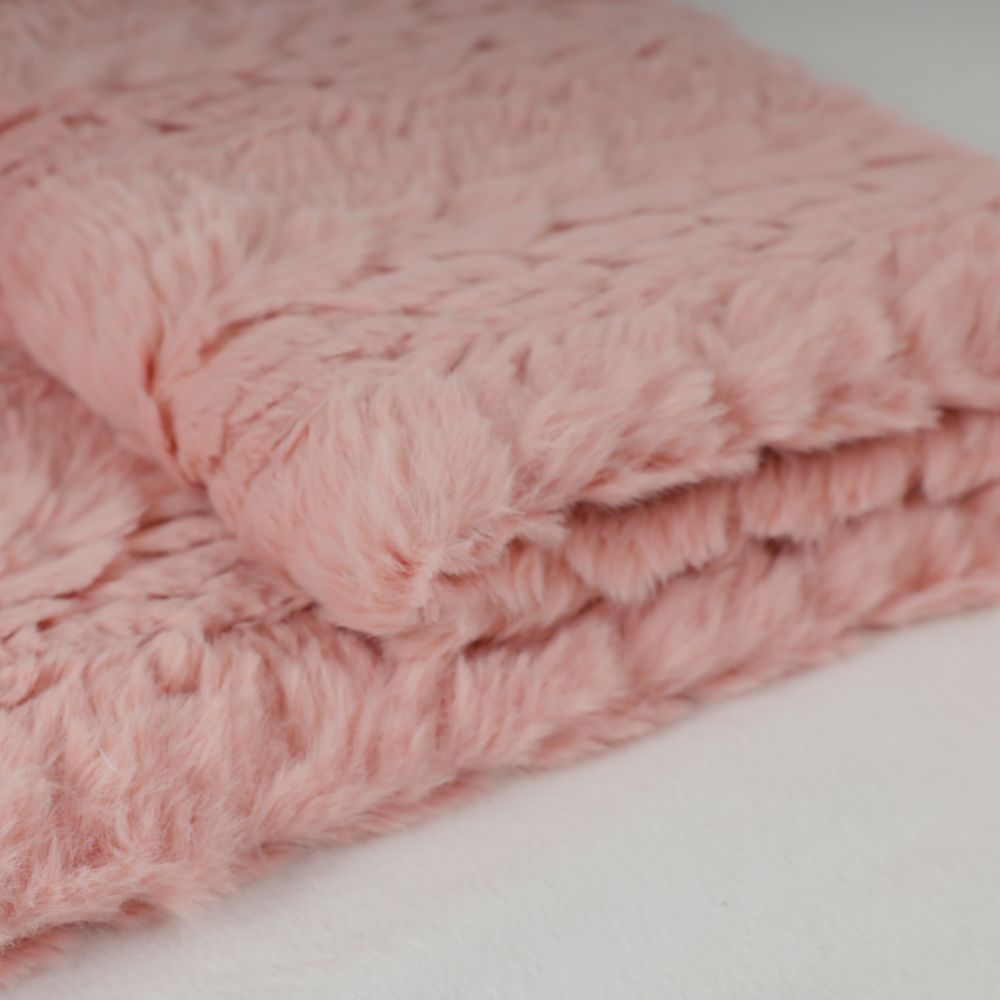
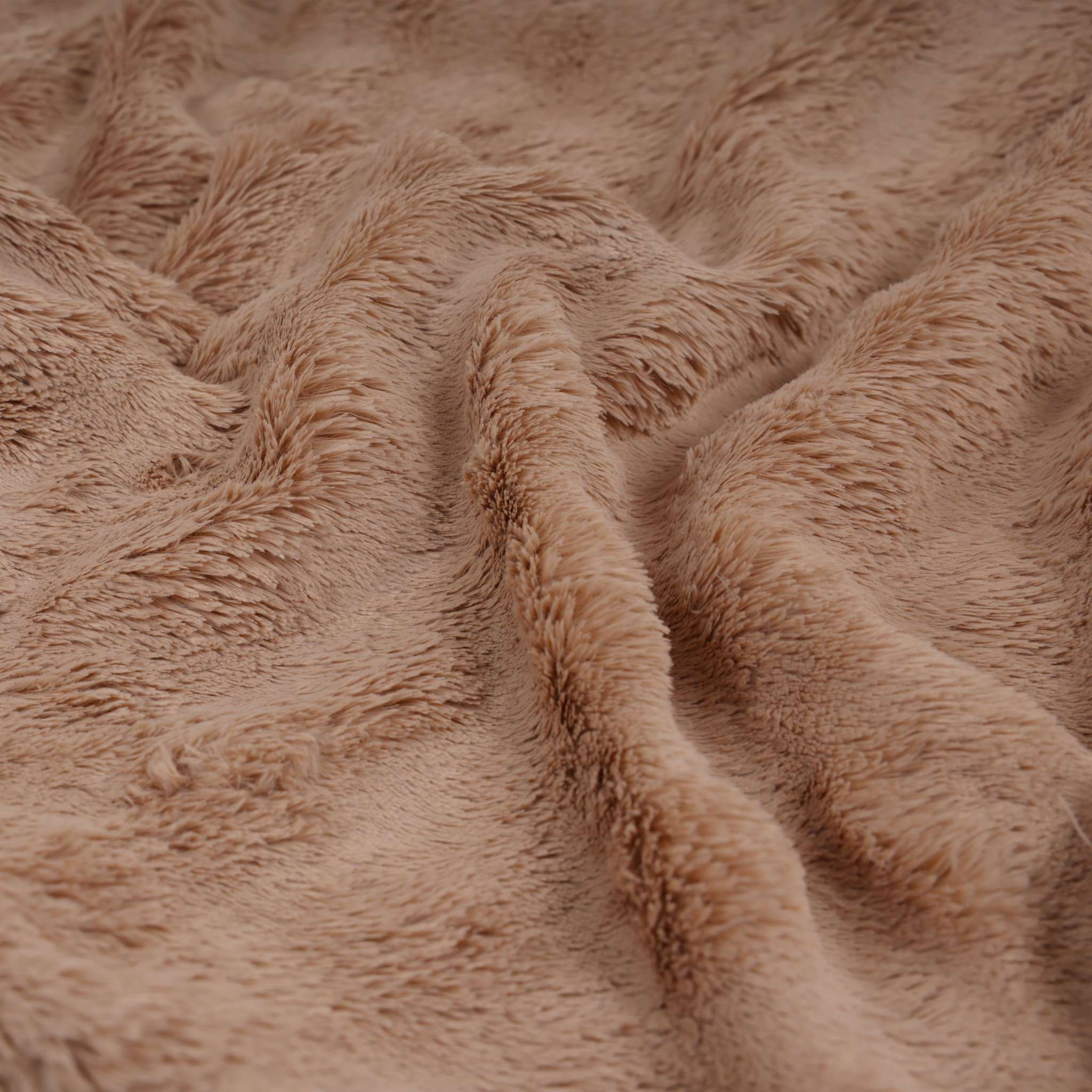
Faux fur fabric is a synthetic textile created to mimic the appearance and feel of natural animal fur. Unlike genuine fur, which is derived from animal pelts, faux fur is made from artificial fibers that are woven or knitted into a base fabric. These fibers are then cut and finished to produce a soft, fluffy pile that resembles natural fur. Faux fur fabrics are frequently used in winter coats, blankets and throws, fashion accessories, upholstery, and home décor.
Because it does not involve animal products, faux fur is considered a cruelty-free alternative.
How Faux Fur Fabric Is Manufactured?
Comprehending how faux fur is produced clarifies why shedding may happen at times.
- Fiber Production
The majority of faux fur fabrics are made from synthetic fibers like polyester, acrylic, or modacrylic.
These fibers are selected because they:
- Maintain softness
- Retain shape
- Resist moisture
- Fabric Construction
Faux fur is usually created using knitting or weaving methods that attach synthetic fibers to a fabric backing.
Basic Structure of Faux Fur Fabric
| Fabric Component | Function |
| Synthetic pile fibers | Create a fur-like texture |
| Backing fabric | Supports fiber structure |
| Adhesive bonding | Secures fibers in place |
| Finishing treatment | Improves softness and appearance |
The strength of the fiber attachment largely determines how much shedding occurs.
Why Faux Fur Fabric Sheds?
Shedding happens when fibers come loose from the fabric pile.
Knowing the causes can assist in avoiding the issue.
- Loose fibers resulting from manufacturing
New faux fur items frequently have loose fibers from cutting and finishing.
These fibers might shed during initial use.
- Fragile fiber bonding
When pile fibers are not firmly connected to the backing fabric, friction can lead to their falling out.
This problem is more frequent in lower-quality fabrics.
- Washing and Mechanical Stress
Using incorrect washing techniques can damage the connection between the fibers and the backing fabric.
Exposing the material to high temperatures, strong detergents, or vigorous machine washing might lead to more shedding.
- Friction During Use
Frequent rubbing against surfaces—such as sitting on faux fur upholstery—can loosen fibers.
This mechanical wear contributes to fiber loss over time.
How to Stop Faux Fur Fabric from Shedding?
Several effective methods can reduce shedding and improve the longevity of faux fur fabrics.
- Shake and Brush the Fabric
One of the simplest ways to remove loose fibers is to gently shake the fabric outdoors.
Using a soft-bristle brush can also help remove loose fibers before they shed naturally.
Brushing should always follow the direction of the fur pile.
- Use a Fabric Roller
Lint rollers are highly effective for removing loose fibers from faux fur surfaces.
Regular use can prevent fibers from spreading to other clothing or furniture.
- Gentle Washing Techniques
Proper washing methods can significantly reduce shedding.
Recommended Washing Guidelines
| Cleaning Method | Recommendation |
| Water temperature | Cold water |
| Washing cycle | Gentle cycle |
| Detergent | Mild detergent |
| Drying method | Air dry |
Avoiding high heat helps maintain fiber integrity.
Deep Cleaning Faux Fur Fabric
Occasionally, faux fur fabrics require more thorough cleaning.
However, aggressive cleaning methods should be avoided.
Hand washing is often the safest option for delicate faux fur garments.
After washing, gently reshape the fabric and allow it to dry naturally.
Drying Faux Fur Properly
Drying methods significantly affect shedding behavior.
High temperatures from dryers can weaken synthetic fibers and adhesives.
Air drying is recommended to maintain fabric quality.
Storage Tips to Prevent Shedding
Proper storage can also help prevent shedding.
Faux fur items should be stored in cool, dry environments away from direct sunlight.
Avoid compressing faux fur fabrics tightly, as pressure can deform fibers.
Quality Factors That Affect Faux Fur Shedding
Not all faux fur fabrics are created equal.
Higher-quality materials typically shed less due to improved manufacturing processes.
Quality Indicators of Faux Fur Fabric
| Faktor | Effect on Shedding |
| Fiber length | Longer fibers may shed more if poorly bonded |
| Backing strength | Strong backing reduces fiber loss |
| Manufacturing quality | High-quality finishing reduces loose fibers |
| Fiber density | Dense piles resist shedding |
Choosing high-quality fabrics significantly reduces shedding issues.
Faux Fur Fabric vs Real Fur
Many consumers compare faux fur with natural fur when evaluating shedding behavior.
Faux Fur vs Natural Fur
| Merkmal | Kunstpelz-Stoff | Natural Fur |
| Material | Synthetic fibers | Animal hair |
| Maintenance | Easy care | Professional care required |
| Shedding | Moderate in low-quality fabrics | Natural seasonal shedding |
| Ethical concerns | Cruelty-free | Animal-derived |
Faux fur provides many advantages in terms of cost and ethical considerations.
Common Uses of Faux Fur Fabric
Faux fur fabrics are widely used across multiple industries.
- Fashion and Apparel
Clothing manufacturers use faux fur for coats, jackets, and accessories because of its luxurious appearance.
- Home Décor
Interior designers frequently incorporate faux fur into:
- Decorative pillows
- Decken und Überwürfe
- Upholstery accents
These products add warmth and texture to interior spaces.
- Costume and Entertainment Industry
Faux fur fabrics are commonly used for costumes, theatrical productions, and plush toys.
The material allows designers to create realistic animal-like textures.
Environmental Considerations of Faux Fur Fabric
Although faux fur eliminates animal fur usage, it is typically made from synthetic materials derived from petroleum.
However, recent innovations in textile production are introducing recycled synthetic fibers and eco-friendly alternatives.
These efforts aim to reduce the environmental footprint of faux fur fabrics.
Future Innovations in Faux Fur Fabric
Advancements in textile technology continue to improve faux fur materials.
Some innovations include:
- Bio-based synthetic fibers
- Improved fiber bonding technologies
- Recyclable textile structures
These developments aim to enhance durability while reducing environmental impact.
FAQ: Faux Fur Fabric
Why does faux fur fabric shed?
Shedding usually occurs due to loose fibers from manufacturing, weak fiber bonding, or excessive friction during use.
Can faux fur shedding be completely stopped?
It may not be possible to eliminate shedding entirely, but proper care and maintenance can greatly reduce it.
Is faux fur fabric durable?
High-quality faux fur fabrics are durable and can last for many years when properly maintained.
How should faux fur be washed?
Cold water, gentle cycles, and mild detergents are recommended to prevent fiber damage.
Does brushing faux fur help reduce shedding?
Yes. Gentle brushing can remove loose fibers before they fall out naturally.
Schlussfolgerung
Faux fur fabric has become a popular textile choice for fashion, home décor, and costume design due to its luxurious appearance and ethical advantages over natural animal fur. However, shedding can sometimes occur, especially with newly manufactured fabrics or lower-quality materials. Understanding the underlying causes of shedding—such as loose manufacturing fibers, weak fiber bonding, and excessive mechanical stress—allows consumers and manufacturers to take effective steps to minimize fiber loss.
By following proper care techniques such as gentle brushing, careful washing, air drying, and appropriate storage, it is possible to significantly reduce shedding and extend the lifespan of faux fur products. Additionally, selecting high-quality faux fur fabrics with strong backing structures and dense fiber piles can prevent many shedding issues before they begin.
As textile technology continues to evolve, innovations in fiber engineering and sustainable materials are expected to produce even more durable and environmentally responsible faux fur fabric options. With proper maintenance and thoughtful material selection, faux fur can remain soft, attractive, and functional for many years.