

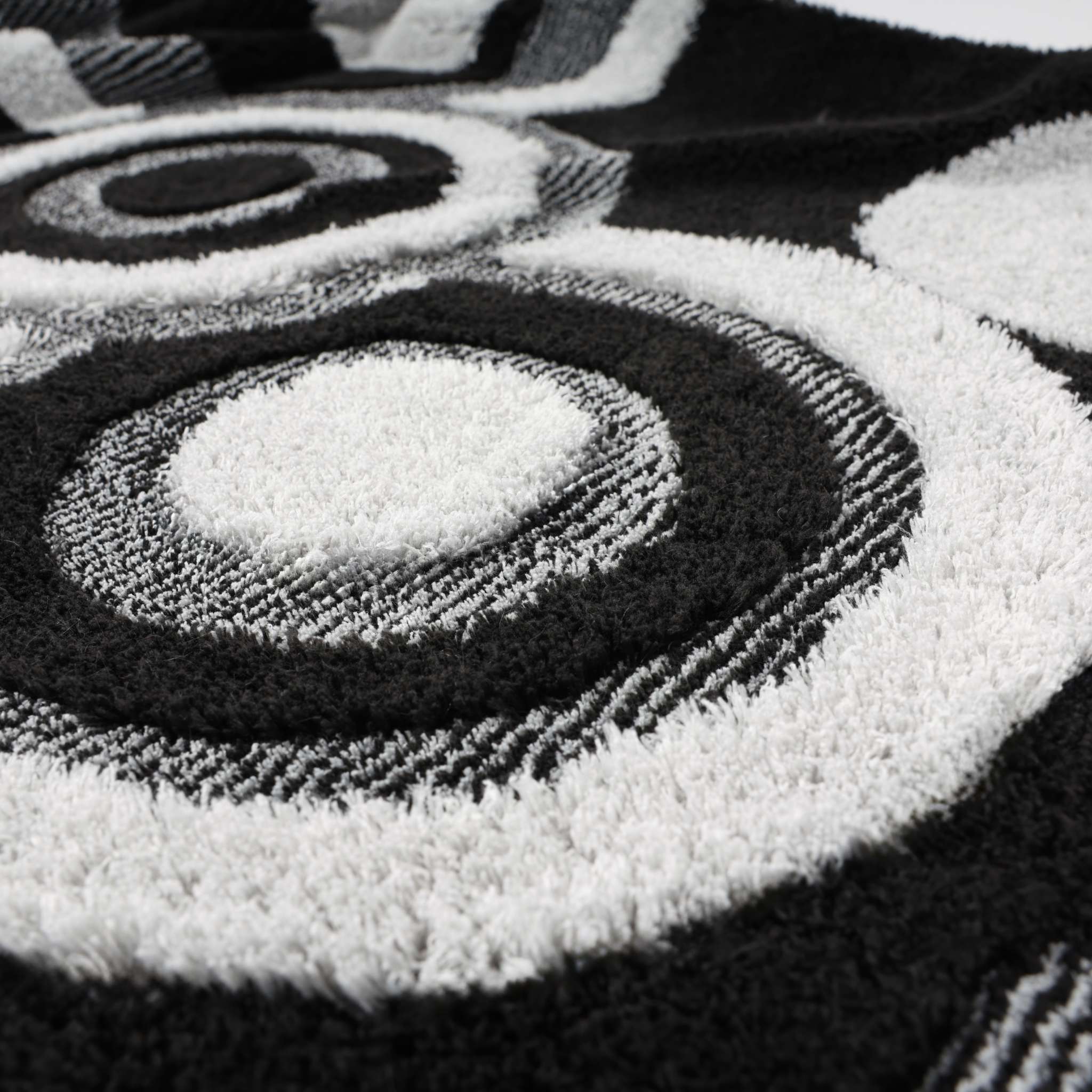
Blumenausbrenner Flanell Vliesstoff is a decorative and functional textile that blends the warmth and softness of flannel fleece with the visual depth created by burnout floral patterns. This fabric is widely recognized for its textured appearance, subtle transparency, and comfortable hand feel, making it a popular choice in apparel and home textile applications where both aesthetics and comfort matter.
By combining a plush fleece base with selectively removed fibers arranged in floral motifs, flower burnout flannel fleece fabric offers a unique balance between insulation and lightness. It stands out from conventional fleece fabrics by introducing pattern and texture directly into the fabric structure rather than relying solely on surface printing or embellishment.
As consumer demand continues to shift toward textiles that provide both tactile comfort and visual interest, flower burnout flannel fleece fabric has become an increasingly relevant material across fashion, loungewear, and interior textile categories.
Understanding Flannel Fleece as a Base Fabric
Was ist Flanell-Vliesstoff?
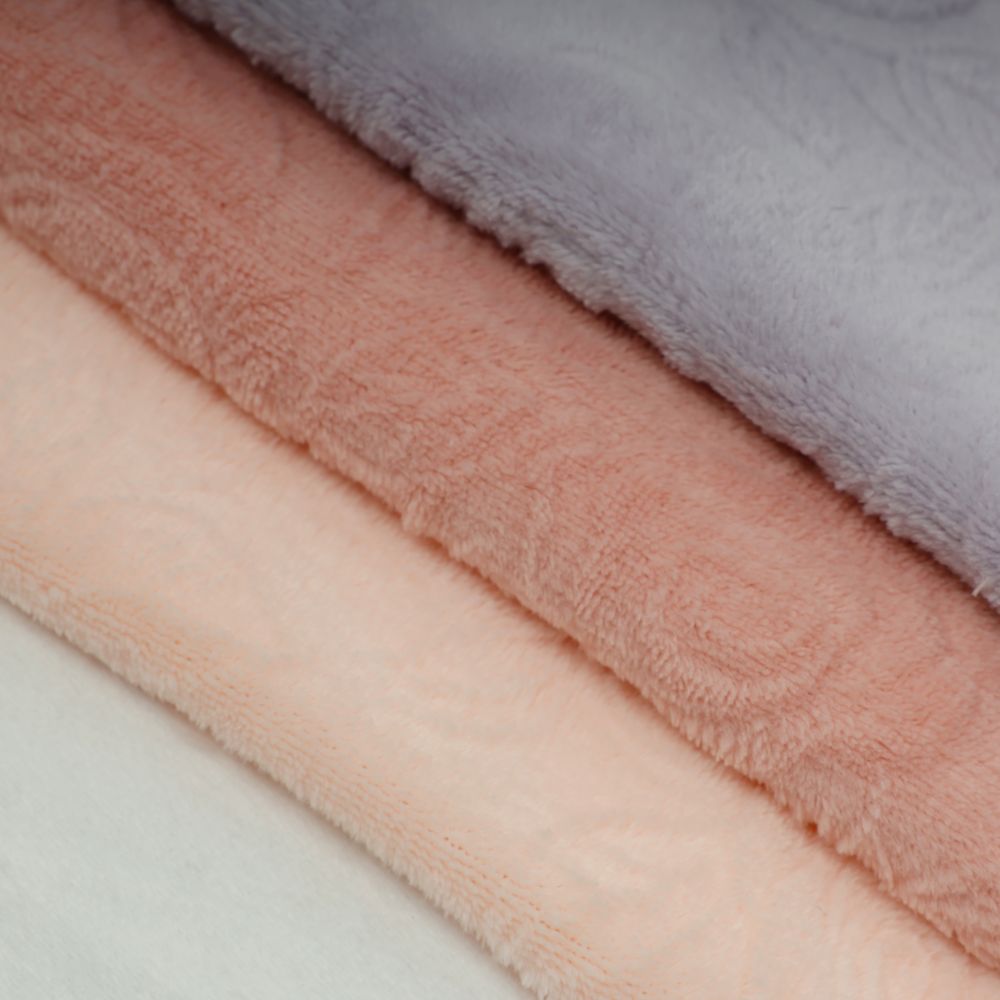
Flannel fleece fabric is known for its soft, brushed surface and insulating properties. Traditionally, flannel refers to a fabric that has been brushed to raise fibers, creating a warm and cozy texture. When combined with fleece characteristics, the result is a fabric that is thicker, softer, and more suitable for cold-weather or indoor use.
Flannel fleece is often made from synthetic fibers, natural fibers, or blends, depending on the desired performance. Its structure allows it to trap air effectively, contributing to warmth without excessive weight. This makes it a practical base fabric for garments and textiles designed for comfort-focused use.
Why Flannel Fleece Is Suitable for Burnout Techniques
The structure of flannel fleece provides an ideal foundation for burnout processing. Its layered fiber composition allows selective removal of specific fibers while maintaining overall fabric integrity.
Because flannel fleece already has a plush surface, the contrast created by burnout areas becomes more visually pronounced. The remaining fibers frame the floral patterns, enhancing depth and texture without compromising softness.
The Burnout Process Explained
What Is the Burnout or Devoré Technique?
Burnout, also known as devoré, is a textile finishing process that selectively dissolves certain fibers in a blended fabric using chemical agents. This technique is most commonly applied to fabrics containing a mix of cellulose-based fibers and synthetic fibers.
During the process, a chemical paste is applied to the fabric in a predetermined pattern, often floral. Heat activation causes the targeted fibers to break down, leaving behind sheer or semi-transparent areas where fibers have been removed.
In flower burnout flannel fleece fabric, this process creates floral motifs that appear embedded within the fabric rather than placed on top of it.
How Burnout Creates Floral Patterns
Floral designs are particularly well-suited to burnout techniques because of their organic shapes and varying line thickness. The burnout process allows for intricate pattern definition while preserving the softness of surrounding fleece areas.
Unlike printed patterns, burnout floral designs interact with light differently depending on angle and movement. This gives the fabric a dynamic appearance that enhances its visual appeal in both apparel and home textiles.
Key Characteristics of Flower Burnout Flannel Fleece Fabric
Softness and Hand Feel
One of the most notable characteristics of flower burnout flannel fleece fabric is its soft and inviting hand feel. The fleece areas remain plush and warm, while the burnout floral sections feel smoother and lighter.
This contrast in texture contributes to a more engaging tactile experience without sacrificing comfort, making the fabric suitable for garments worn directly against the skin.
Warmth with Added Lightness
While flannel fleece is inherently warm, the burnout process introduces areas of reduced density. These semi-sheer floral patterns help reduce bulk and create a lighter overall feel.
As a result, flower burnout flannel fleece fabric provides warmth without heaviness, making it appropriate for transitional seasons and layered garments.
Breathability and Temperature Regulation
The removal of fibers in burnout areas allows for increased airflow through the fabric. This improves breathability compared to standard fleece, helping regulate body temperature during wear.
This balance between insulation and ventilation makes the fabric particularly suitable for loungewear, sleepwear, and casual indoor clothing.
Visual Depth and Texture
Flower burnout flannel fleece fabric is visually defined by its layered appearance. The interplay between opaque fleece and translucent floral patterns adds dimension and sophistication without the need for additional decoration.
This depth makes the fabric appealing for designers seeking subtle elegance rather than bold or overly graphic designs.
Fiber Composition and Material Variations
Common Fiber Blends Used
Flower burnout flannel fleece fabric is typically produced using blended fibers to support the burnout process. Blends may include combinations of cellulose-based fibers and synthetics, allowing selective removal during chemical treatment.
The remaining fibers provide structure, durability, and softness. The exact blend influences the fabric’s weight, drape, and performance characteristics.
How Fiber Choice Affects Performance
Fiber composition affects everything from warmth and durability to drape and maintenance. Fabrics with higher synthetic content often offer better shape retention and resistance to wear, while blends that include natural fibers may enhance softness and breathability.
Understanding fiber composition helps buyers evaluate how the fabric will perform in specific applications.
Applications in Apparel
Loungewear and Sleepwear
Flower burnout flannel fleece fabric is commonly used in loungewear and sleepwear due to its comfort-focused properties. The fabric feels soft against the skin while offering enough warmth for indoor use.
The floral burnout patterns add a decorative element that elevates simple garment silhouettes without compromising comfort.
Casual and Seasonal Fashion
In casual fashion, this fabric is often used for tops, lightweight jackets, and layering pieces. The burnout design allows garments to appear visually lighter and more refined than traditional fleece items.
Designers often use flower burnout flannel fleece fabric for pieces intended to bridge the gap between functionality and style.
Comfort-Oriented Outerwear
Although not typically used for heavy outerwear, flower burnout flannel fleece fabric can serve as a lining or accent material. Its softness and warmth enhance comfort, while the floral patterns contribute visual interest.
Applications in Home Textiles
Blankets and Throws
In home textiles, flower burnout flannel fleece fabric is frequently used for blankets and throws. The plush fleece provides warmth, while the floral burnout design adds decorative appeal suitable for living spaces and bedrooms.
Decorative Covers and Accessories
The fabric may also be used for cushions, decorative covers, and other soft furnishings. Its textured surface and subtle transparency allow it to complement a wide range of interior styles.
Comparison with Regular Fleece Fabrics
Structural Differences
Regular fleece fabrics typically rely on uniform fiber density and surface treatments such as printing or embossing for decoration. Flower burnout flannel fleece fabric, by contrast, incorporates pattern directly into the fabric structure.
This structural integration results in patterns that do not fade, peel, or crack over time.
Aesthetic and Functional Distinctions
While standard fleece focuses primarily on warmth and softness, flower burnout flannel fleece fabric adds visual complexity and improved breathability. This makes it suitable for applications where appearance is just as important as comfort.
Quality Considerations When Evaluating the Fabric
Pattern Clarity and Consistency
High-quality flower burnout flannel fleece fabric displays clean, well-defined floral patterns. The transition between fleece and burnout areas should be smooth and consistent across the fabric surface.
Fabric Strength in Burnout Areas
A well-executed burnout process maintains sufficient fabric strength even in areas where fibers have been removed. Excessive weakening can reduce durability, so balance is key.
Softness and Surface Finish
The fabric should feel soft and even, without harsh or brittle burnout zones. Finishing processes play an important role in ensuring comfort and longevity.
Care and Maintenance Characteristics
Washing and Durability
Flower burnout flannel fleece fabric is generally designed for repeated use and washing. Gentle care helps preserve both the fleece texture and the clarity of burnout patterns.
Proper finishing ensures that the floral designs remain stable over time without distortion.
Long-Term Appearance
Because the pattern is part of the fabric structure, flower burnout designs tend to maintain their appearance better than surface-printed alternatives. This contributes to long-term aesthetic value.
Why Flower Burnout Flannel Fleece Fabric Is Increasingly Popular
Demand for Comfort-Focused Textiles
Modern consumers prioritize comfort, softness, and warmth, especially in everyday clothing and home textiles. Flower burnout flannel fleece fabric meets these expectations while offering added visual appeal.
Preference for Subtle Decorative Effects
Rather than bold prints or heavy embellishments, many designers and consumers prefer subtle textures and patterns. The burnout floral effect aligns well with this trend.
Vielseitigkeit in verschiedenen Produktkategorien
The fabric’s ability to function well in both apparel and home textiles enhances its versatility. This makes it attractive to manufacturers and designers working across multiple product lines.
Sustainability and Material Efficiency Considerations
Material Use and Design Efficiency
By integrating pattern directly into the fabric, flower burnout flannel fleece fabric reduces the need for additional decorative layers or treatments. This can contribute to more efficient material use.
Longevity and Reduced Replacement
Durable design and long-lasting appearance support extended product lifecycles. Textiles that maintain both function and aesthetics over time contribute to reduced replacement frequency.
How Designers Use Flower Burnout Flannel Fleece Fabric
Enhancing Simple Silhouettes
Designers often use this fabric to add interest to simple garment shapes. The floral burnout pattern provides visual depth without requiring complex construction.
Creating Balanced Designs
The combination of warmth, softness, and decorative texture allows designers to create balanced products that appeal to both practical and aesthetic sensibilities.
Factors Buyers Consider When Sourcing This Fabric
Application-Specific Requirements
Buyers typically evaluate the fabric based on intended use, whether for apparel, loungewear, or home textiles. Weight, softness, and pattern scale are all important considerations.
Consistency and Supply Stability
Consistency in pattern, color, and texture is essential for large-scale production. Reliable manufacturing processes ensure uniform quality across batches.
Future Outlook for Flower Burnout Flannel Fleece Fabric
As textile design continues to evolve, fabrics that combine comfort, aesthetics, and functional performance are expected to remain in demand. Flower burnout flannel fleece fabric aligns well with these priorities, offering a versatile solution for modern textile applications.
Its ability to adapt to changing design trends while maintaining core comfort features suggests continued relevance across both fashion and home textile markets.
Schlussfolgerung
Flower burnout flannel fleece fabric is a distinctive textile that brings together the warmth and softness of flannel fleece with the elegance of burnout floral patterns. Through its unique production process, it achieves a balance between insulation and lightness, texture and comfort, function and visual appeal.
Widely used in apparel and home textiles, this fabric meets modern expectations for comfort-focused yet aesthetically refined materials. Its durability, versatility, and subtle decorative qualities make it a valuable option for designers, manufacturers, and buyers seeking textiles that perform well while standing out visually.