


Article Abstract:
Velvet and fabric with a pile that is similar to that of Velveteen are often considered as one group, because of their similar surface composition and luxurious appearance; however, they are different in regard to their fiber composition, weave structure, performance characteristics, and practical applications in industry.
This article provides a comprehensive, industry-specific comparison of fabric with Velvet, drawing on the documented literature on textiles.
https://www.jsxtexture.com/velvet-fabric/Through historical analysis, manufacturing processes, physical performance, cost structures, and end-use appropriateness, this guide attempts to dissipate common misconceptions and assist designers, buyers, manufacturers, and developers in making accurate material decisions.
Introduction: Why Velvet and Velveteen Are Often Confused?
In the international fabric and apparel industry, fabric with a Velvet or Velveteen composition is often considered to be interchangeable. This confusion is understandable: both have a raised surface that is elevated above the ground, both reflect light in a specific direction, and both are associated with softness and visual complexity. However, from a fabric engineering, cost-performance, and application standpoint, velvet fabric and velveteen are fundamentally different textiles.
For those involved in manufacturing, sourcing, fashion, furniture, and textile education, misunderstanding this distinction can lead to misaligned product design, durability issues, cost overruns, or customer dissatisfaction. In applications that require performance, or in the commercial sphere, the distinction between fabric and velour is not purely aesthetic: it is also functional and structural.
Was ist Samtgewebe?
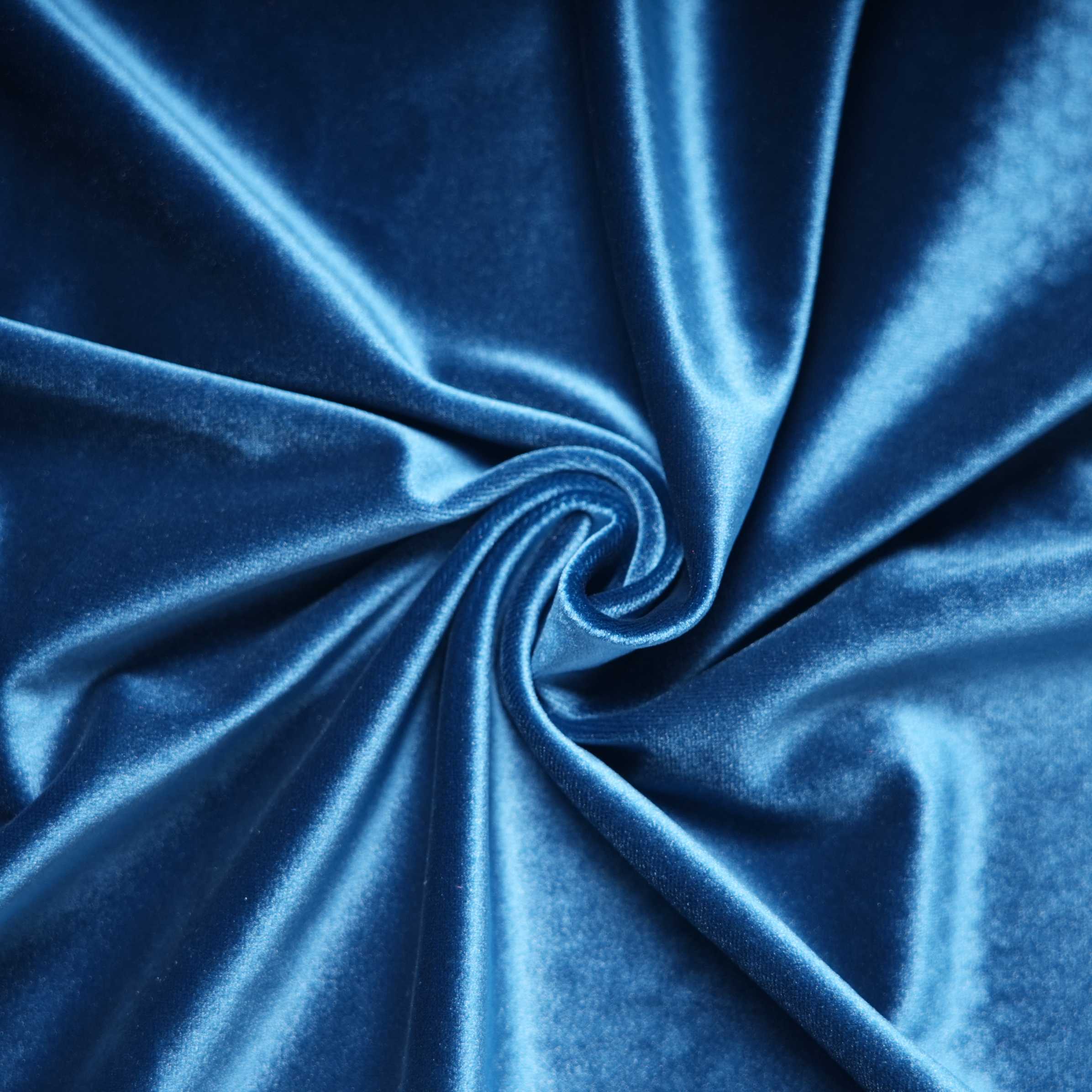
Velvet is a fabric that is traditionally associated with luxury, formalwear, and high-end fashion. The singular characteristic of Samtstoff is its cut pile, which is created by simultaneously weaving two layers of fabric and then cutting them apart to produce an even, vertical pile.
Historically, velvet was made from silk fibers, which contributed to its exceptional softness, color depth, and high cost. While modern velvet fabric can be composed of cotton, viscose, polyester, or a mixture of fibers, the fundamental principle of Velvet remains unchanged.
-
Key Structural properties of Velveat fabric
Velvet is recognized by:
- The creation of a warped pile of dirt
- Short, thin, and uniformly spaced fibers
- A wrinkled fabric that smoothes out any wrinkles
- Highlights reflectivity caused by the upright position of the pile
These attributes contribute to the velvet fabric’s distinguished brilliance and physical appeal.
What Is Velveteen Fabric?
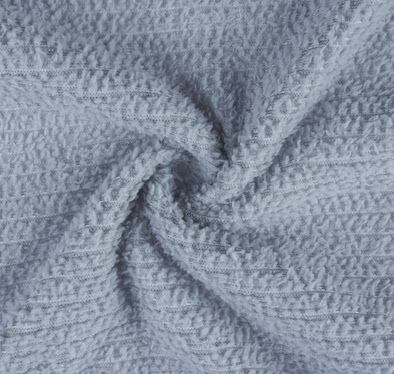
Velveteen fabric is visually similar to Velvet, but it’s different in terms of structure and content. Velveteen is typically a fabric composed of cotton and has a weft-based pile design, which means the pile is formed by filling instead of warping yarns.
Unlike the fabric known as Velvet, Velveteen typically has:
- A less extensive, more densely populated pile
- A more solid grasp
- Less attractive color
- Increased dimensional consistency
Velveteen was historically intended as a more budget-friendly and long-lasting alternative to silk fabric, particularly for apparel and other household products that required a higher degree of resistance.
Historical Development: Luxury vs Practicality
- Velvet fabric: A Symbol of Power
Velvet’s association with royalty, religious clothing, and aristocratic fashion is long-standing, this is particularly prevalent in Europe and Asia. Its complex manufacturing procedure and reliance on silk fibers made it costly and time-consuming, which increased the status of the fabric as a luxury item.
- Velveteen: The Industrialization of Adaptation
Velveteen’s popularity increased later on as cotton became more common and the technique of industrial weaving improved. It provided a similar velvet-like appearance that was not as expensive or fragile as fabric based on silk; it was therefore suitable for use in uniforms, children’s clothing, and interior design.
This historical difference still has an effect on the way both fabrics are perceived and utilized today.
Fiber Composition: A Fundamental Difference
One of the most critical distinctions between velvet fabric and velveteen lies in fiber content.
| Stoff Typ | Typical Fiber Composition | Implications |
| Samt-Gewebe | Silk, viscose, polyester, blends | Higher luster, softer drape |
| Velveteen | Primarily cotton | Matte appearance, stronger structure |
Velvet fabric often incorporates filament fibers, which enhance sheen and smoothness, while velveteen relies on staple cotton fibers, resulting in a more subdued surface texture.
Weave Structure and Pile Formation
- Velvet fabric construction
Velvet fabric is manufactured using a dual fabric weaving method, which involves two different fabric layers being woven together and then cutting them apart. This procedure produces a solid pile that remains vertical.
- Velveteen’s Construction
Velveteen employs a singular fabric weave that possesses extra fabric yarns that are later severed or brushed to create the pile. This approach generates a denser but still less uniform surface.
| Merkmal | Samt-Gewebe | Velveteen |
| Pile Source | Warp yarns | Weft yarns |
| Weaving Method | Double-cloth | Single-cloth |
| Pile Directionality | Highly directional | Moderately directional |
Surface Appearance and Light Reflection
One of the most obvious discrepancies between fabric with Velvet and Velveteen is the way they respond to light.
Velvet fabric:
- Shows a strong preference for directional lighting
- Lighter or darker depending on the orientation of the pile
- Sheen is present, especially when fabricated with silk or viscose
Velveteen:
- Appears more glossy
- Has fewer dramatic changes in color
- Maintains a more consistent color tone
This difference is crucial for applications in fashion photography, interior design, and stage costumes, where light behavior affects visual impact.
Hand Feel and Drape Performance
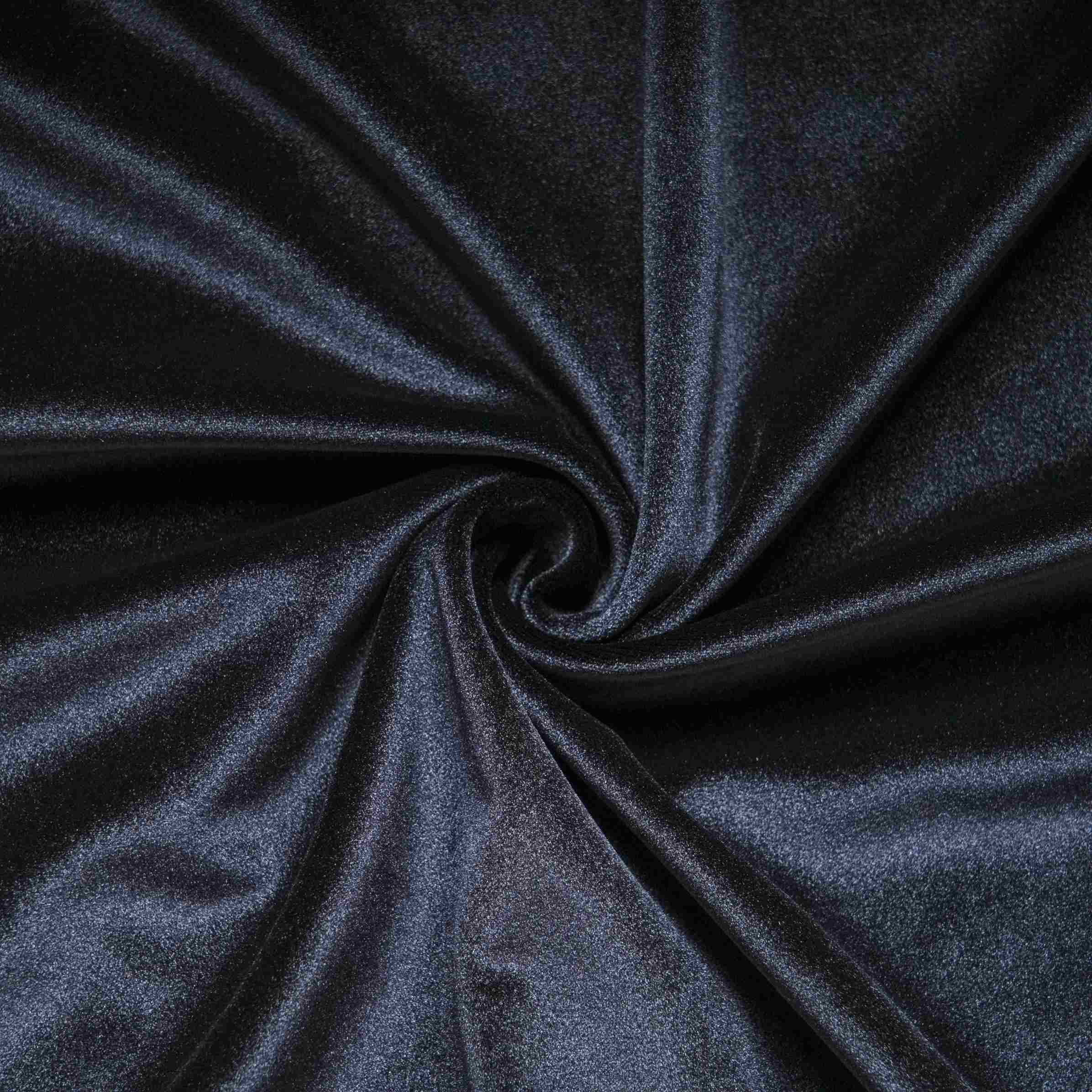
Velvet fabric is prized for its fluid drape, making it ideal for garments that require movement and softness, such as eveningwear, dresses, and tailored jackets.
Velveteen, by contrast, offers:
- A firmer hand
- Better body and structure
- Reduced fluidity
This makes velveteen better suited for structured garments, trousers, and durable home textiles.
Durability and Wear Resistance
From a functional perspective, Velveteen has a tendency to perform better than Velvet in high-slip environments.
- Velvet’s fabric characteristics
Capable of being broken
The pile may become flattened due to pressure.
Precautions must be taken to maintain it properly.
- Velveteen’s unique characteristics
Increased resistance to abrading
Preserve the integrity of the pile longer
More practical for regular use
This distinction is why Velveteen is commonly utilized in the clothing, upholstery, and uniforms of children; however, the majority of the fabric is still composed of Velvet. In luxury apparel and décor, the fabric is primarily composed of Velvet.
Maintenance and Care Requirements
Care instructions are another area where the two fabrics differ significantly.
| Aspekt | Samt-Gewebe | Velveteen |
| Reinigung | Dry cleaning recommended | Often machine washable |
| Wrinkle Resistance | Niedrig | Mäßig |
| Crushing Risk | Hoch | Unter |
For commercial buyers, maintenance requirements can directly influence material selection.
Cost Structure and Commercial Considerations
Velvet fabric generally commands a higher price point due to:
- Complex weaving processes
- Higher raw material costs
- Increased waste during cutting
Velveteen offers a more cost-efficient solution, especially for large-volume production.
Applications Across Industries
- Fashion and Apparel
Velvet fabric dominates:
- Evening wear
- High-end fashion collections
- Formal jackets and dresses
Velveteen is widely used for:
- Casual trousers
- Children’s wear
- Seasonal outerwear
- Home Textiles and Upholstery
Velvet fabric:
- Decorative cushions
- Accent furniture
- Drapery with controlled use
Velveteen:
- Slipcovers
- Durable upholstery
- Institutional interiors
Sustainability Considerations
Today, modern velvet fabric has a greater percentage of recycled polyester and low-impact coloring, while the fabric benefits from cotton’s biodegradability.
However, the durability of a fabric must be considered in the assessment of its sustainability, as longer-lasting fabrics often have a lower environmental impact during the lifecycle.
Common Misconceptions About Velvet and Velveteen
Despite the common perception that Velvet and Velveteen are synonymous, there are multiple common misconceptions that can lead to the selection of incorrect materials, an incorrect cost, or poor performance. Understanding these légendes is crucial to designers, buyers, and manufacturers.
Misconception 1: Velvet and Velveteen are the same material
Reality:
They have a similar menumpuk surface, but their structures and revenue are dissimilar.
Velvet is typically composed of silk or another synthetic material; it is also renowned for its luxurious feel and smooth drape.
Velveteen is typically composed of cotton; its short, dense fabric and firmer hand feel are both attributed to it.
They aren’t substitutes for one another, especially in the apparel and upholstery fields.
Misconception 2: Velveteen is merely a cheaper version of Velvet
Reality:
Velveteen is not simply a low-cost alternative—it has different purposes as well.
Velveteen has a more enhanced and long-lasting structure.
Velvet is exceptional in its fluid covering and visual intrigue.
The choice should be based on the demands of the application, not solely on the price.
Misconception 3: Velvet is typically delicate and difficult to preserve
Reality:
This is only applicable to specific varieties of Velvet.
Modern polyester and blended velvets are highly durable and simple to maintain.
Performance fabric is commonly employed in commercial upholstery and hospitality.
The composition of the material is more important than the fabric’s name.
Misconception 4: Velveteen Cannot Display Luxuriousness
Reality:
High-quality velveteen can produce a rich, textured appearance that is appropriate for tailored clothing and interior design.
Commonly employed in jackets, uniforms, and formalwear.
Provides a more refined appearance with greater shape retention.
Luxury is derived from the finish, volume, and design, not just the fiber type.
Misconception 5: Both fabrics have the same performance in all environments
Reality:
They demonstrate different behavior in response to wear, pressure, and environmental stimuli.
Velvet may exhibit a variety of patterns and markings associated with pressure.
Velveteen has a harder time resisting crushing, but it also has a lower sheen.
The environmental conditions and the usage conditions should influence the selection of materials.
FAQ: Velvet Fabric vs Velveteen
Q1: Is velvet fabric always more expensive than velveteen?
Generally, yes, due to material and production complexity, though synthetic velvets can narrow the gap.
Q2: Can velveteen replace velvet fabric in luxury garments?
In structured or casual designs, yes, but it cannot replicate velvet fabric’s drape and sheen in formal wear.
Q3: Which fabric is better for upholstery?
Velveteen is typically more durable, while velvet fabric is used for decorative or low-use furniture.
Q4: Does velvet fabric wear out faster?
Under heavy friction, yes. Velvet fabric requires controlled use environments.
Q5: Are both fabrics suitable for printing or dyeing?
Yes, but velvet fabric requires more controlled dyeing processes to ensure even coloration.
Conclusion: Choosing Between Velvet Fabric and Velveteen
The distinction between fabric with Velvet and Velveteen is far greater than just the appearance. These fabrics represent two different approaches to solving design problems- one dedicated to luxury, draping, and visual appeal, the other to durability, structure, and practicality.
For fabricators, designers, and consumers, understanding these differences is crucial to having a good grasp on how to choose fabric that is functionally appropriate for their product, their customer, and the long term.
When selected correctly, both fabric types can provide exceptional value in their respective fields.