


Zusammenfassung
Sherpa-Vliesstoff is a synthetic textile with a soft, fluffy texture that mimics sheepskin. It is widely used in outerwear, blankets, and winter accessories.
According to Textile Science (Kadolph, 2021) and the Handbook of Textile Fibres (Corbman, 2020), the main differences between traditional fleece and Sherpa fleece lie in their pile construction, insulating properties, and aesthetic texture. While both are polyester-based, Sherpa fleece has a denser, longer pile, providing superior thermal insulation. Standard fleece, on the other hand, is smoother and more versatile for layering.
This article provides a comprehensive industry-level comparison of materials, applications, performance metrics, and consumer trends for 2026.
Introduction: The Rise of Sherpa Fleece in Modern Textiles
Over the last decade, Sherpa fleece fabric has transformed the markets for winter apparel and home textiles. Unlike traditional fleece, which was primarily developed as a lightweight insulating material for sportswear and casual clothing, Sherpa fleece is renowned for its luxurious texture, excellent thermal properties, and aesthetic appeal.
By 2026, Sherpa fleece will have expanded beyond outerwear to include interior textiles, accessories, and hybrid garments. This growth is driven by consumer demand for comfortable, sustainable, and high-performance fabrics. To develop successful products, market them effectively, and ensure quality control, designers and manufacturers must understand the subtle differences between fleece and Sherpa fleece.
Was ist Sherpa-Fleece-Stoff?
Sherpa fleece is a specialised type of fleece designed to resemble sheepskin wool in appearance and warmth. Its key characteristics include:
– long, fluffy pile that resembles natural wool;
– superior insulation and thermal retention;
– a soft, cosy texture that is ideal for wearing next to the skin;
– Use in the lining of jackets, outerwear, and blankets.
Sherpa fleece is typically made from polyester or polyester blends and may incorporate recycled fibres for sustainable production.
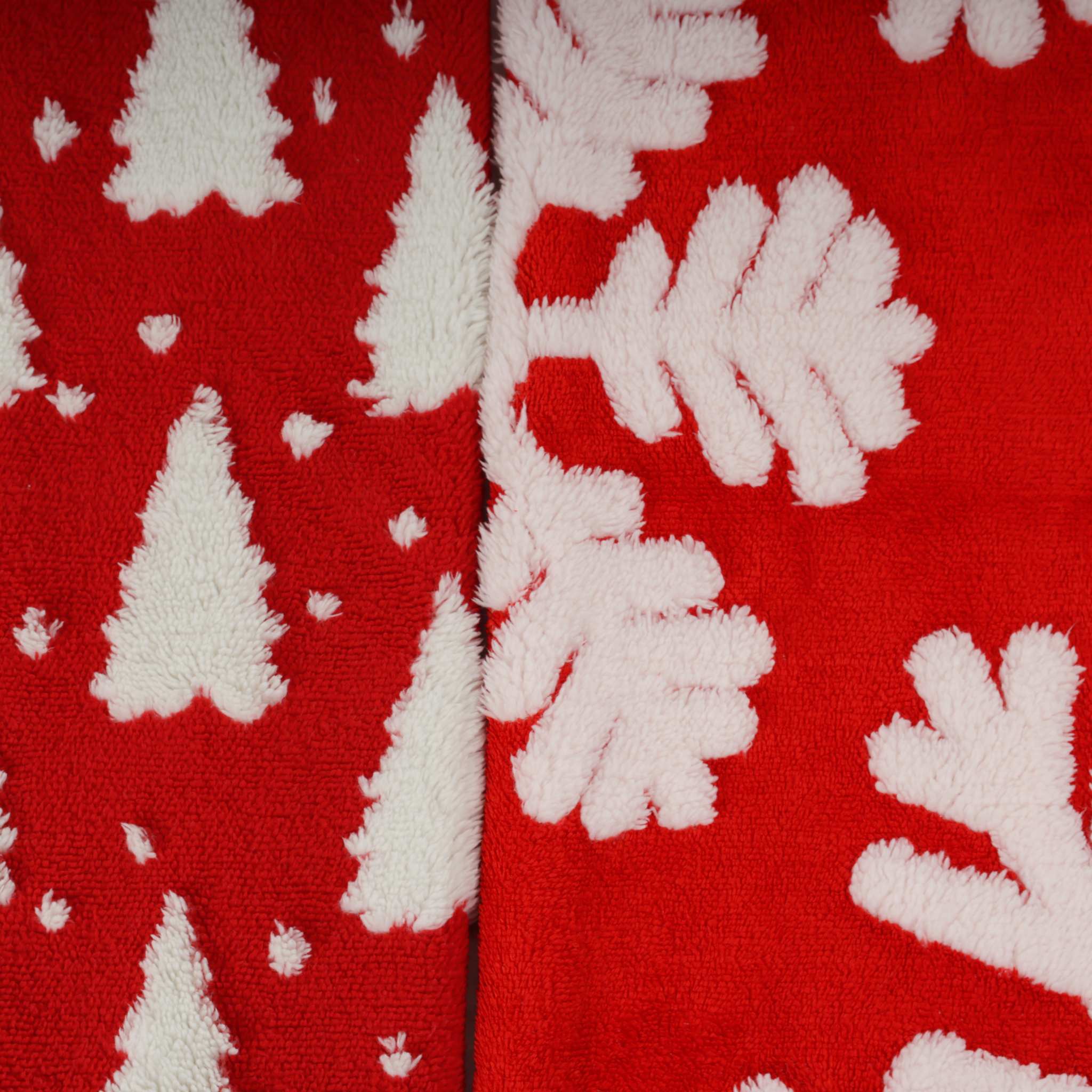
Was ist Vliesstoff?
Fleece is a soft, napped synthetic fabric, typically made from polyester. It is lightweight and breathable, with a smooth texture on one or both sides, and is highly versatile. Fleece is known for:
– quick-drying properties
– moisture-wicking capability
– moderate thermal insulation
– durability and ease of care
Fleece is widely used in jackets, hoodies, blankets, and casual wear for both functional and aesthetic purposes.
Key Differences Between Fleece and Sherpa Fleece
| Merkmal | Standard Fleece | Sherpa Vlies |
| Textur | Smooth or lightly napped | Thick, fluffy, wool-like pile |
| Insulation | Mäßig | High, excellent heat retention |
| Gewicht | Leichtgewicht | Medium to heavy |
| Aesthetic | Casual, versatile | Cozy, luxury look |
| Typical Uses | Activewear, hoodies | Jackets, blankets, linings |
| Dauerhaftigkeit | Very good | Good, requires care to maintain the pile |
Sherpa fleece is distinguished by its longer pile and enhanced thermal properties, while fleece remains more versatile for layering and casual garments.
Material Composition and Construction
Both Sherpa fleece and fleece fabric are widely used in outerwear, casual apparel, and functional garments. However, they differ in terms of texture, performance, and manufacturing techniques.
Sherpa-Vliesstoff
Composition:
Typically made from polyester fibres, often blended with cotton or recycled fibres
High pile structure resembling natural shearling
Construction:
– Knitted base layer with a soft, lofty surface
– Provides insulation, softness, and warmth
– Often finished with anti-pilling or brushing treatments
Key features:
– Exceptional thermal retention
– Lightweight yet fluffy texture
– Excellent for jackets, hoodies, vests, and blankets
Vliesstoff
Composition:
Usually 100% polyester, sometimes blended with spandex for stretch. Can also incorporate recycled PET fibres for sustainability.
Construction:
Knitted fleece with a sheared surface to create a smooth or microfleece finish.
It can be brushed on one or both sides to make it soft.
It is lightweight, breathable, and moisture-wicking.
Key features:
– Versatile and easy to dye
– Durable and quick-drying
– Widely used in sweaters, hoodies, blankets, and sportswear
Applications of Sherpa Fleece Fabric
- Kleidung
Jackets and coats: Sherpa linings provide warmth without bulk.
Hoodies and pullovers: Add plush comfort to your winter wardrobe.
Gloves and hats: Small, insulation-focused accessories.
- Home textiles
Blankets and throws: Luxurious, cosy finishes.
Cushion covers and bedding: Thermal comfort and tactile appeal.
- Footwear and outdoor gear
– Boot linings and insoles: Enhance comfort in cold environments.
Outdoor gear: Lightweight Sherpa lining for jackets and parkas.

Performance Metrics: Fleece vs Sherpa Fleece
| Property | Fleece | Sherpa Vlies |
| Thermal Insulation | Mäßig | Hoch |
| Atmungsaktivität | Hoch | Mittel |
| Moisture Management | Ausgezeichnet | Good |
| Stretch | Good | Mäßig |
| Dauerhaftigkeit | Hoch | Good |
| Gewicht | Leichtgewicht | Medium to heavy |
This comparison demonstrates why Sherpa fleece is favored for high-warmth applications, while fleece remains ideal for activewear and layering.
Styling and Consumer Trends in 2026
In 2026, consumer demand will emphasise comfort, sustainability, and multifunctional apparel. Sherpa fleece and other fleece fabrics continue to evolve in terms of both fashion and performance.
- Comfort and thermal functionality
– Preference for ultra-soft, plush textures
– Layering-friendly fabrics suitable for all-season wear
– Integration of lightweight insulation for active lifestyles
- Sustainable and recycled materials
– Growing adoption of rPET (recycled polyester) and eco-friendly dyes
– Consumers increasingly seek traceable, low-impact production
- Casual and Athleisure Styling
– Fleece and Sherpa fabrics dominate in athleisure and streetwear.
– Oversized, boxy cuts and retro-inspired silhouettes are trending.
– Bold colours, tie-dye effects, and pattern customisation enhance visual appeal.
- Function meets fashion
– Dual-purpose garments for indoor and outdoor wear
– Anti-pilling, water-resistant, or windproof finishes are gaining popularity
– Smart layering solutions using fleece for comfort and mobility
- Cross-generational appeal
Sherpa and fleece fabrics appeal to youth and adult markets alike.
Products that balance aesthetic value, warmth, and casual style lead sales.
Pflege und Wartung
Proper care is essential to ensure the longevity, appearance, and performance of Sherpa fleece and other fleece fabrics. These fabrics are renowned for their softness and warmth, but if they are not handled correctly, they can pill, shrink, or lose their texture.
- Washing guidelines:
Machine wash: Use cold water and the gentle cycle to prevent fibre damage.
Hand wash: Recommended for high-end or blended Sherpa fabrics.
Detergents: Use mild, liquid detergent and avoid bleach or fabric softeners, as these can reduce the fabric’s loft.
- Drying tips
Air dry: Lay flat to maintain shape and texture.
Tumble dry: Use a low or no heat setting, as high heat can damage fibres and reduce softness.
– Avoid direct sunlight: Prolonged exposure can cause colour fading.
- Stain removal
– Spot clean immediately with mild soap and water.
– Avoid harsh scrubbing, as this can distort the pile or cause matting.
- Storage recommendations
– Store in a cool, dry place.
– Avoid compressing the fabric for long periods to maintain its fluffiness and insulating properties.
– Hang jackets or hoodies to help preserve their shape.
Advantages and Limitations
Advantages of Sherpa Fleece and Fleece Fabrics
- Thermal comfort
– Excellent insulation and lightweight warmth
– Ideal for layering
- Softness and tactile appeal
The plush texture provides a premium feel and high consumer satisfaction.
- Durability and resilience
Resistant to stretching, tearing, and abrasion with proper care
- Versatility in design
A wide range of weights, pile heights, and finishes is available for jackets, hoodies, blankets, and casual wear.
- Quick drying and moisture management
Fleece fabrics wick moisture efficiently and are suitable for activewear and outdoor apparel.
Limitations of Sherpa Fleece and Fleece Fabrics
- Pilling
Low-quality fibres or high-friction use may lead to surface pilling.
- Wärmeempfindlichkeit
Susceptible to shrinkage or deformation if exposed to high heat during washing or drying
- Environmental concerns
Conventional polyester fleece contains plastic microfibres, raising sustainability challenges. Recycled polyester (rPET) variants mitigate this environmental impact.
- Bulkiness
Heavy Sherpa fleece may be less suitable for compact garments or packing.
- Limited wind resistance
Pure fleece fabrics may require additional windproof layers for outdoor wear.
Comparison Table: Applications and Benefits
| Anmeldung | Fleece | Sherpa Vlies | Benefit of Sherpa |
| Jackets | Base layer | Lining or full jacket | Enhanced warmth |
| Hoodies | Casual wear | Winter wear | Cozier feel |
| Blankets | Lightweight warmth | Premium insulation | Luxurious comfort |
| Accessories | Stretchy, lightweight | Insulating | Superior warmth |
Emerging Trends in Sherpa Fleece Fabric (2026)
Eco-friendly production: Made from recycled polyester and biodegradable fibres.
Hybrid fabrics: Sherpa fleece combined with softshell or knit fabrics for high-performance outerwear.
Colour innovation: Gradient and ombré effects and vibrant seasonal palettes.
Smart Fabrics: Incorporating moisture-wicking or thermal-regulating fibres.
FAQ: Sherpa Fleece Fabric
- What is Sherpa fleece fabric?
It is a synthetic fleece with a long, wool-like pile, designed to provide superior warmth and softness.
- How is Sherpa fleece different from standard fleece?
Sherpa fleece has a thicker, fluffier pile and better insulation, whereas standard fleece is lighter and smoother.
- What are common uses of Sherpa fleece?
Jackets, coats, hoodies, blankets, accessories, and footwear linings.
- Is Sherpa fleece durable?
Yes, but it requires proper care to maintain the pile and texture.
- Can a Sherpa fleece be washed in a machine?
Yes, on a gentle cycle with cold water, but tumble-drying should be low-heat or air-dry.
- What fibers are used to make Sherpa fleece?
Primarily polyester, sometimes blended with recycled fibers or natural wool.
- Does Sherpa fleece retain heat better than regular fleece?
Yes, due to its denser, longer pile, which traps air more efficiently.
- Is Sherpa fleece suitable for summer?
No, it is best for cold-weather applications due to high insulation.
Schlussfolgerung
Sherpa fleece fabric has firmly established itself as the go-to textile for warmth, comfort, and aesthetic appeal. Its long pile and insulating properties, as well as its versatility, set it apart from traditional fleece, making it ideal for winter apparel, home textiles, and lifestyle products. As consumer expectations regarding sustainability, performance, and luxury continue to increase in 2026, Sherpa fleece will remain a vital component of modern textile innovation.
Manufacturers and designers can create products that maximise both functionality and market appeal by understanding the differences, applications, and care requirements of this material.