
Introduction: Understanding Coral Fleece Fabric
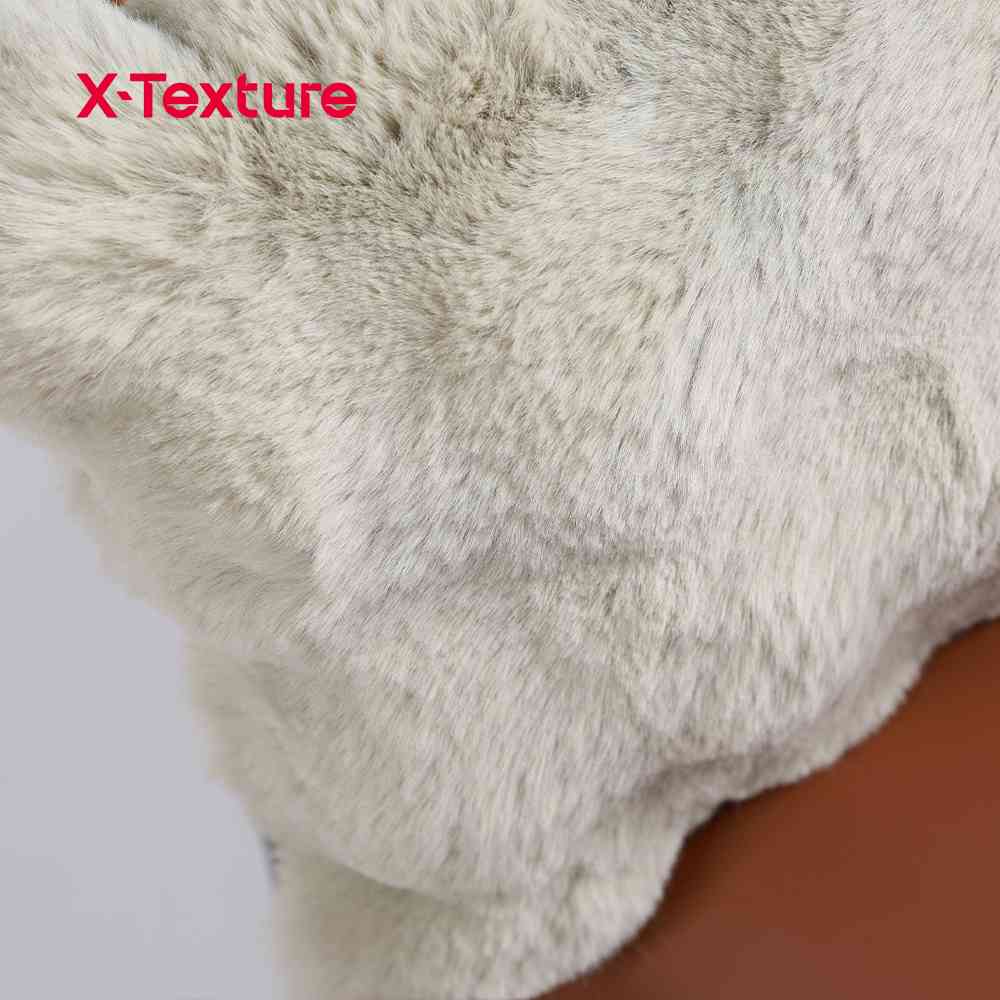
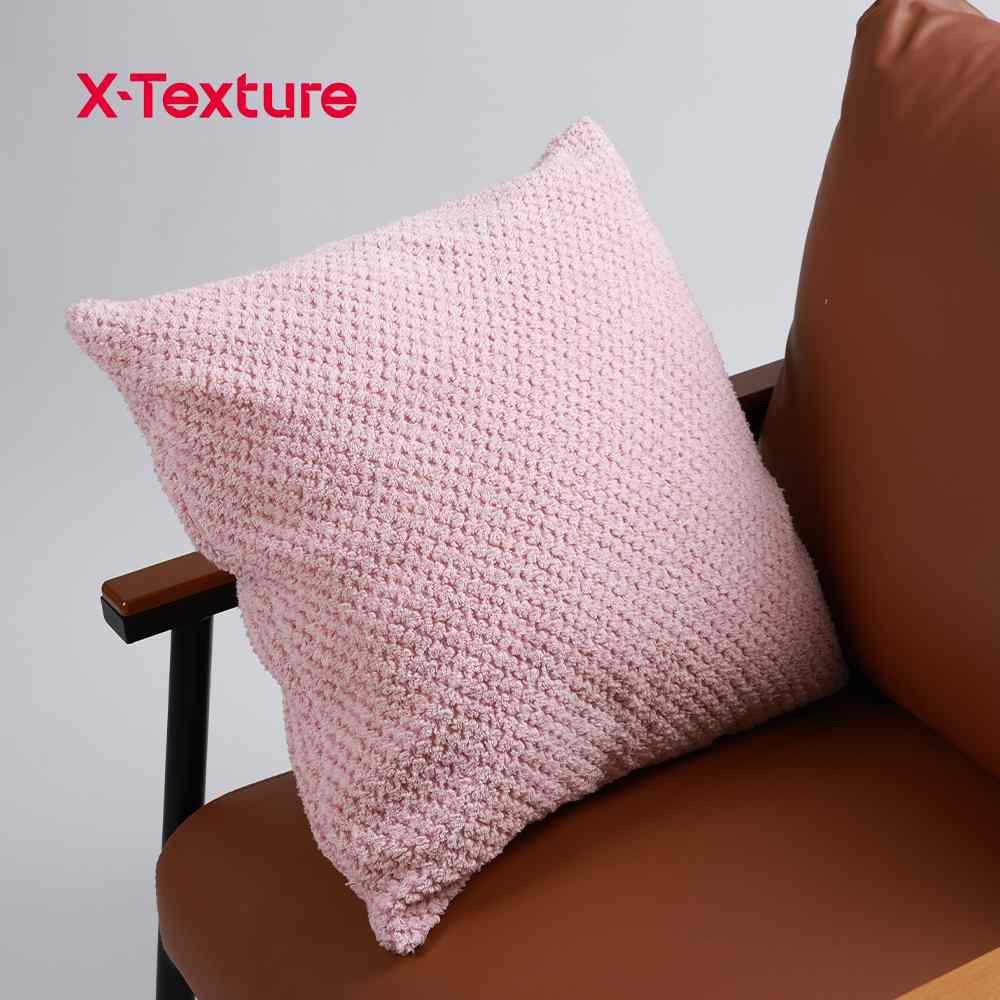
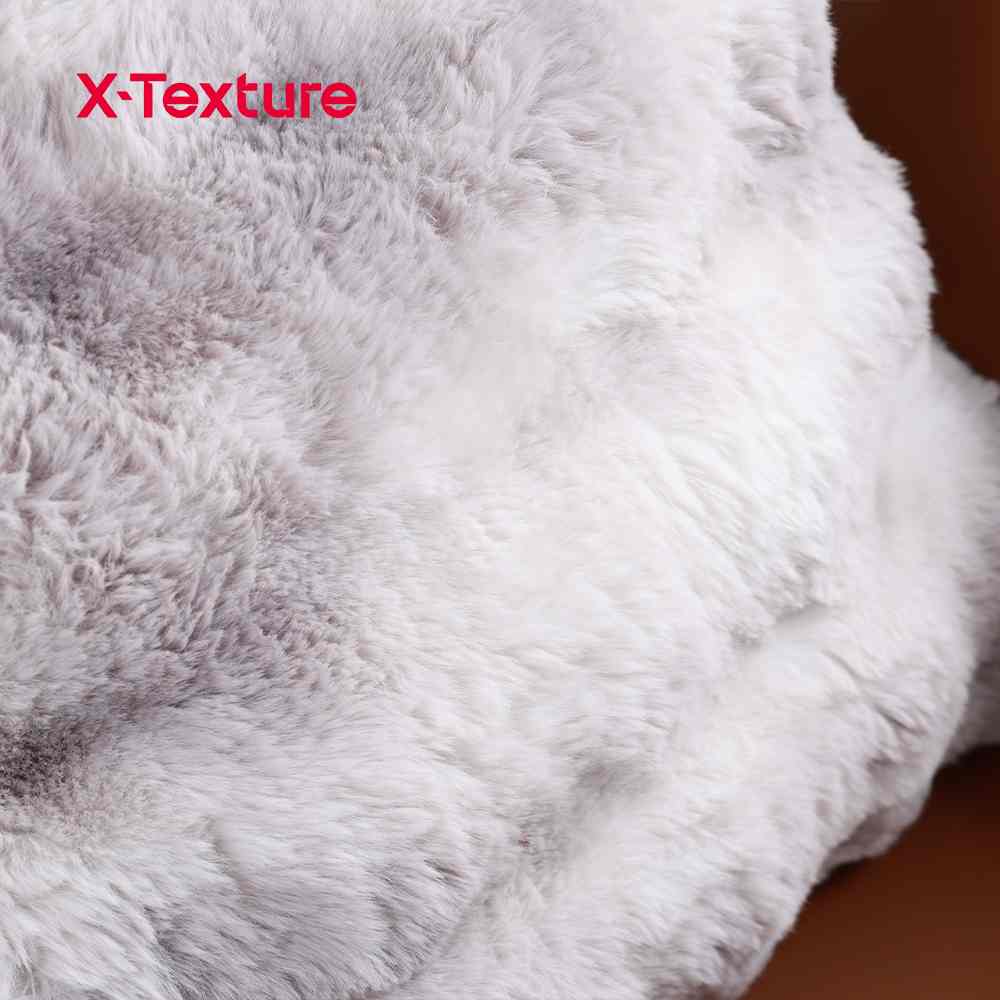
Tejido polar coral is one of the most popular and versatile synthetic fabrics in the modern textile industry. Known for its soft texture, warmth, and lightweight properties, coral fleece has become a preferred material for a wide range of applications—from cozy home textiles like blankets and bathrobes to outdoor garments, baby accessories, and pet products.
Despite its name, coral fleece has no direct connection to real coral reefs. The term “coral” is inspired by the tela’s unique, velvety surface texture that resembles the delicate softness of coral branches. It is a type of knitted polyester fleece fabric, engineered to combine comfort, warmth, and durability.
With growing consumer demand for high-performance and comfortable textiles, coral fleece continues to gain importance in both household and industrial applications. But what exactly makes this fabric so special? Let’s explore its origins, manufacturing process, key types, and uses in detail.
What is Coral Fleece Fabric?
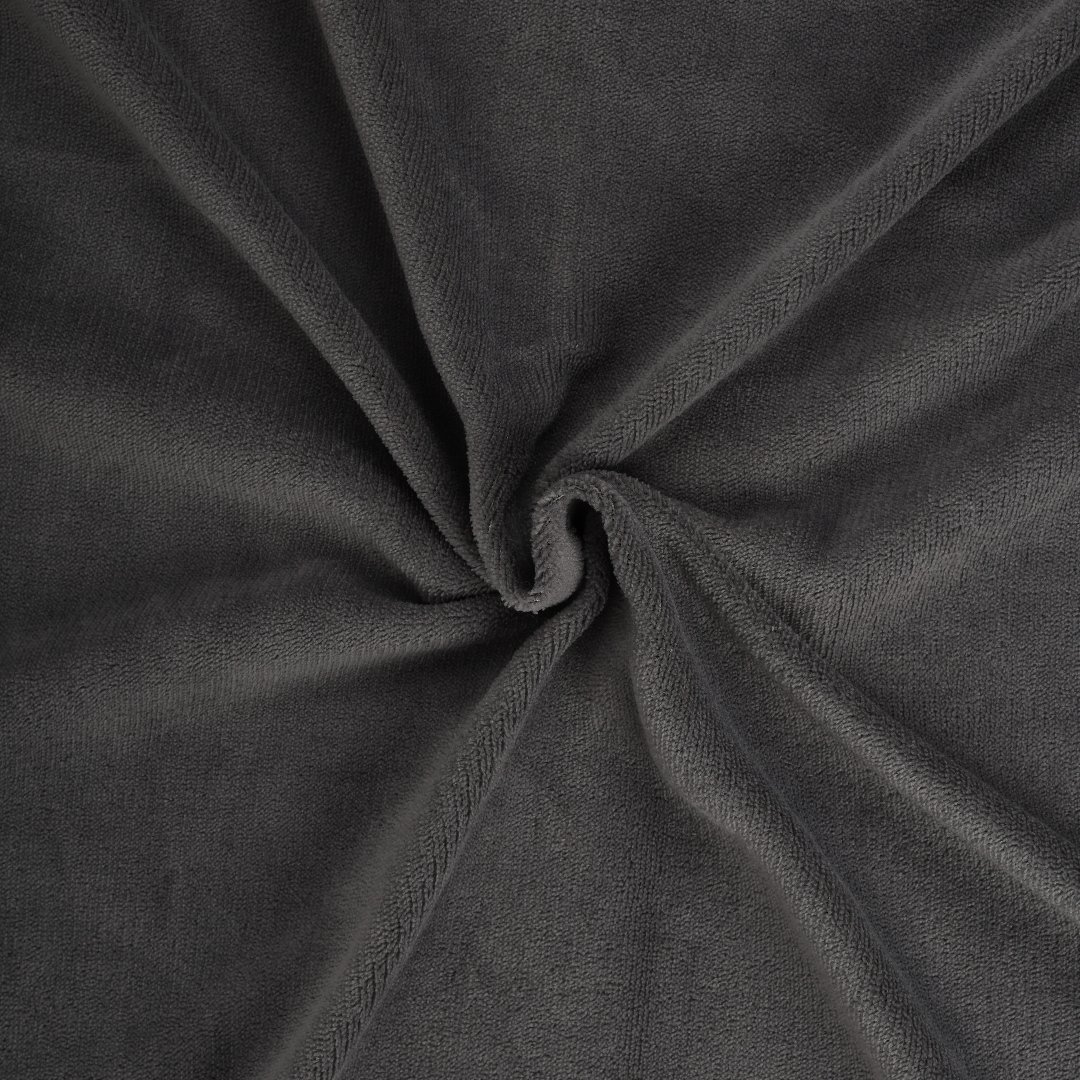
Coral fleece fabric is a synthetic knit textile made primarily from polyester fibers. It is characterized by its ultra-soft, dense pile surface that offers warmth while remaining lightweight. The fibers are brushed and raised on one or both sides of the fabric, creating a plush, fluffy feel that retains air for excellent insulation.
In the textile classification system, coral fleece falls under microfiber fleece fabrics, known for their fine denier fibers (usually less than 0.1 denier). This structure gives the fabric its luxurious hand-feel, vibrant color appearance, and superior performance in moisture retention and heat preservation.
Coral fleece fabric is often used as a replacement for natural materials like wool or cotton, offering better cost efficiency, easier care, and consistent quality.
History and Development of Coral Fleece Fabric
The development of coral fleece traces back to the late 20th century, following advancements in synthetic fiber technology. Traditional wool and cotton fabrics, though warm and breathable, presented challenges such as shrinking, pilling, and slow drying.
By the early 2000s, fabric engineers refined polyester fleece into more specialized forms, such as microfleece, polar fleece, and coral fleece. The latter became famous in Asia and Europe for its soft-touch surface and ability to hold dye colors vividly. Today, coral fleece represents a mature fabric technology widely used in the apparel, bedding, and home goods industries.
How Coral Fleece Fabric is Made?
The production of coral fleece fabric involves several precise technical steps that determine its texture, density, and performance.
Step 1: Fiber Selection
High-quality polyester chips are melted and extruded into ultra-fine microfibers. The fineness of these fibers determines the softness and warmth of the final fabric.
Step 2: Knitting
The fibers are knitted using circular or warp knitting machines to create a base fabric. This knitting process allows stretchability and dimensional stability.
Step 3: Brushing and Raising
Both sides of the fabric are brushed using high-speed wire rollers to create the fluffy pile surface. The brushing process increases surface volume and enhances thermal retention.
Step 4: Dyeing and Finishing
After brushing, the fabric is dyed using dispersed dyes suitable for polyester. Finishing agents are added to improve anti-pilling performance, static resistance, and colorfastness.
Step 5: Heat Setting and Cutting
The fabric is heat-set to stabilize the fibers and prevent deformation during use. Finally, it is cut, inspected, and rolled for shipment.
This process creates a uniformly soft, highly durable, and color-stable material that performs well in both indoor and outdoor applications.

Key Performance Parameters of Coral Fleece Fabric
Coral fleece is engineered for comfort and durability. Below is a table summarizing its common technical performance metrics.
| Tejido: | Tejido polar coral |
| Marca: | X-Texture |
| Color: | Colores personalizados |
| Aplicación: | Blanket, Garment, Bedding Set, Cushion, Pet Supplies… |
| Técnicas: | Punto |
| Diseño: | Diseño a medida |
| Paquete de transporte: | Paquete de rollos |
| MOQ: | 500kg/Color, 1000kg/Diseño |
| Tejido: | Tejido polar coral |
These parameters can vary depending on finishing methods, fiber thickness, and intended application.
Different Types of Coral Fleece Fabric
There are several types of coral fleece fabric, each developed for specific functions and end uses. Below is a comparative table that highlights their distinctions:
| Type | Surface Texture | Weight (g/m²) | Typical Application | Características |
| Regular Coral Fleece | Smooth, soft pile | 200–250 | Blankets, pajamas, home wear | Warm and affordable |
| Double-Sided Coral Fleece | Plush on both sides | 280–350 | Jackets, robes, baby wear | Extra soft and thick |
| Embossed Coral Fleece | 3D patterns on the surface | 250–300 | Decorative throws, pet products | Aesthetic appeal |
| Printed Coral Fleece | Digital or rotary printed | 180–280 | Fashion items, bedding sets | Customizable design |
| Anti-Static Coral Fleece | Treated with an anti-static finish | 220–260 | Winter wear, upholstery | Enhanced comfort |
| Flame-Retardant Coral Fleece | Chemical or inherent FR finish | 250–300 | Industrial, automotive interiors | Safety and durability |
This diversity allows manufacturers and buyers to select the most suitable type based on end-use requirements and cost considerations.
Ventajas del tejido polar coral
Coral fleece stands out from other synthetic fabrics due to its balance of performance, comfort, and affordability.
Soft and Skin-Friendly: The microfiber composition provides a delicate texture suitable for baby and sensitive-skin products.
Excellent Warmth-to-Weight Ratio: It retains body heat effectively while remaining lightweight.
Low Moisture Absorption: Keeps the body dry and comfortable in humid or cold environments.
Easy Maintenance: Machine washable, quick-drying, and resistant to wrinkles.
Color Vibrancy: Holds dyes extremely well, producing bright and lasting colors.
Durability: Maintains softness and shape even after repeated washing.
Eco-Friendly Options: Recycled polyester variants are increasingly available, supporting sustainable production.
Applications of Coral Fleece Fabric
The versatility of coral fleece extends across various sectors:
-
Textiles para el hogar
Blankets, throws, cushion covers, and bedspreads.
Highly favored for winter bedding and cozy décor.
-
Ropa y moda
Pajamas, hoodies, jackets, and loungewear.
Lightweight warmth makes it ideal for layering garments.
-
Productos para bebés
Baby blankets, bibs, and soft toys due to hypoallergenic.
-
Outdoor and Sports Gear
Inner linings for jackets, gloves, and hats.
Offers insulation without bulk.
-
Automotive and Industrial
Seat covers, interior trims, and sound-insulating layers.
-
Accesorios para mascotas
Pet beds, blankets, and clothing for warmth and comfort.
Coral Fleece vs Other Fabrics
To understand the market positioning of coral fleece, it’s useful to compare it against other popular fabrics:
| Tipo de tejido | Suavidad | Calor | Transpirabilidad | Durabilidad | Cost Level |
| Polar Coral | ★★★★★ | ★★★★☆ | ★★★★☆ | ★★★★☆ | Moderado |
| Forro polar | ★★★★☆ | ★★★★★ | ★★★☆☆ | ★★★★★ | Moderado |
| Microfiber Fabric | ★★★★☆ | ★★★☆☆ | ★★★★☆ | ★★★☆☆ | Bajo |
| Cotton Flannel | ★★★☆☆ | ★★★☆☆ | ★★★★☆ | ★★★☆☆ | Moderado |
| Vellón Sherpa | ★★★★★ | ★★★★★ | ★★★☆☆ | ★★★★☆ | Más alto |
This comparison shows that coral fleece offers an excellent balance between comfort, insulation, and price—making it ideal for both mass production and premium-quality products.
Care and Maintenance of Coral Fleece
Proper care extends the lifespan of coral fleece items. Follow these recommendations:
Wash in cold or lukewarm water (below 40°C).
Use mild detergent without bleach or fabric softeners.
Avoid high-temperature drying; tumble dry on low heat or air dry.
Do not iron directly.
Store in a cool, dry place to prevent static buildup.
These practices maintain the softness, color vibrancy, and elasticity of the fabric over time.
Dyeing and Printing on Coral Fleece
Coral fleece is highly receptive to disperse dyeing techniques, producing vivid, colorfast results. Manufacturers also apply digital or rotary printing for customized designs, patterns, or logos.
Printing techniques commonly used include:
Sublimation printing: ideal for high-definition designs.
Heat transfer printing: for small batch or personalized orders.
Embossing: to create textured 3D patterns.
Such versatility in finishing allows for wide creative applications in fashion and branding.
Where to Buy Affordable Coral Fleece Fabric?
For businesses seeking to source coral fleece fabric in bulk, partnering with a reliable manufacturer is crucial.
Offers a full range of coral fleece fabrics tailored to buyers, covering different weights, finishes, and custom colors.
Advantages of choosing jsxtexture.com:
Direct factory pricing for wholesale orders.
Professional customization (printing, embossing, cutting).
Consistent quality control and global shipping.
Flexible MOQ for international buyers.
Conclusion: Why Coral Fleece Fabric Continues to Dominate
Coral fleece fabric represents the perfect fusion of softness, warmth, and practicality. Its engineering excellence allows it to outperform natural fibers in cost-efficiency and durability while maintaining a luxurious feel.
From home décor to outdoor gear and fashion apparel, coral fleece continues to be one of the most commercially valuable and consumer-friendly materials in modern textiles. As sustainability trends rise, innovations like recycled polyester coral fleece are ensuring their relevance well into the future.