
Introduction — Why Dyeing Velvet Fabric Is a Technical Challenge
Velvet fabric is traditionally associated with luxury, color depth, and a unique fabric that catches light in a unique way. It is apparent in apparel, upholstery, accessories, formalwear, stage costumes, and interior design. Because of its rich visual and physical appeal, velvet is often maintained as a long-term fixture in both fashion and domestic environments. Designers, manufacturers, and consumers frequently seek an important answer to a question:
Is it possible to color fabric with a Velvet effect?
The short answer is yes, but the long explanation is more complex. Velvet can be colorized, but the procedure is primarily based on its fiber composition, fabric construction, chemical finishing, and color class. Unlike fabric that is flat-woven, Velvet’s characteristic fabric pile causes it to be more susceptible to heat, movement, moisture, and uneven distribution of color. Any deviation from the correct temperature, color, or pH can compact the stack, lead to uneven coloration, or cause the fabric to become permanently malformated.
This guide provides a comprehensive, industry-wide description of how Velvet Dying works— the behavior of fibers, the selection of dyes, chemical supplements, industrial versus domestic methods, final considerations, colorfastness analysis, and the most common solutions employed by textile professionals. It aggregates the top 10 resources and combines them into a low-repetition, comprehensive reference that is appropriate for textile mills, garment makers, upholstery workshops, and specialists in fabric.
Understanding Velvet Fabric: Structure, Fibers, and Limitations
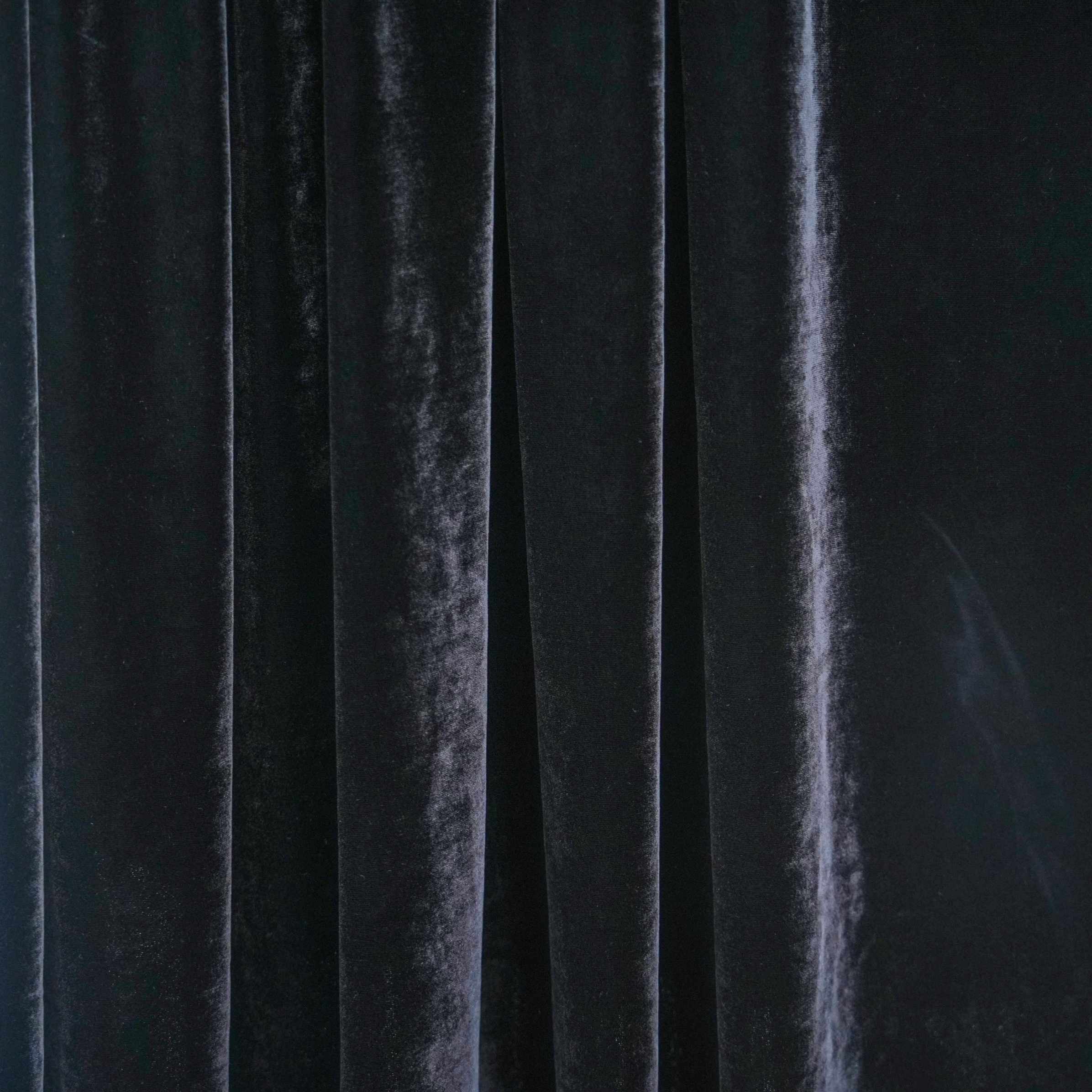
Before coloring fabric with a Velvet Dye, it’s important to understand what Velvet is actually made from. Velvet is a fabric designation that is characterized by a dense cluster of fibers that is formed on special machines or via modern tufting or knitting.
-
Velvet fibers are categorized into three types
Velvet is made from a variety of fibers, including:
- Natural / Protein Fibers
Silk and Velvet’s fabric
Famous for its superior fabric, sheen, and color-receptivity. Accepts acidic colors exceptionally well.
Cotton fabric
Matte, heavier than average, and compatible with fiber-reactive colors.
Recombined cellulose fibers
Rayon / Viscose flannel
Frequent in fashion, colors are typically, but are highly perceptible when damp.
Imitation fibers
Polyester fabric
Durable, budget-friendly, but infamously difficult to color, except with dispersive dyes.
Nylon silk
Acceptable for acid painting, but may be sensitive to heat.
- Blended Velvet (Cotton/polyester, Rayon/polyester, etc.)
Blends have a complexity associated with them— each fiber necessitates a different type of color.
Understanding the fiber’s base is crucial: the process of coloring is more dependent on the fiber than on the fabric’s structure.
Can Velvet Fabric Be Dyed? — The Professional Answer
Yes. Velvet fabric can be dyed, but the success level changes dramatically depending on fiber type:
| Velvet Fiber Type | Can It Be Dyed? | Dye Class Needed | Difficulty Level |
| Silk Velvet | Yes | Acid Dye | Low–Medium |
| Cotton Velvet | Yes | Fiber-Reactive Dye | Medio |
| Rayon/Viscose Velvet | Yes | Fiber-Reactive / Direct Dye | Medium–High |
| Nylon Velvet | Yes | Acid Dye | Medio |
| Polyester Velvet | Yes | Disperse Dye | Alta |
| Blended Velvet | Yes (Complex) | Multiple or Two-Bath | Alta |
Resumiendo:
Natural & regenerated fibers = easier to dye.
Synthetic fibers = possible but more complicated.
Mixed fibers = require advanced techniques.
Selecting the Right Dye for Velvet Fabric
Different velvet fabrics require different dye chemistries. Using the wrong dye will lead to inconsistent shades, poor penetration, or no coloration at all.
-
For Natural and Regenerated Velvet
| Fiber | Recommended Dye | Notes |
| Silk | Acid Dye | Produces saturated, even shades; works at lower pH. |
| Algodón | Fiber-Reactive Dye | Creates permanent covalent bonds; high colorfastness. |
| Rayon/Viscose | Fiber-Reactive / Direct Dye | Very absorbent but fragile when wet. |
-
For Synthetic Velvet
| Fiber | Recommended Dye | Notes |
| Polyester Velvet | Disperse Dye | Requires high heat; dye diffuses into the fiber. |
| Nylon Velvet | Acid Dye | Absorbs dyes well; similar to silk behavior. |
-
For Blended Velvet
Blends may require:
Two-bath dyeing, or
Combination dyes, or
Tone-on-tone acceptance, where different fibers take color differently.
This is where expertise becomes critical.
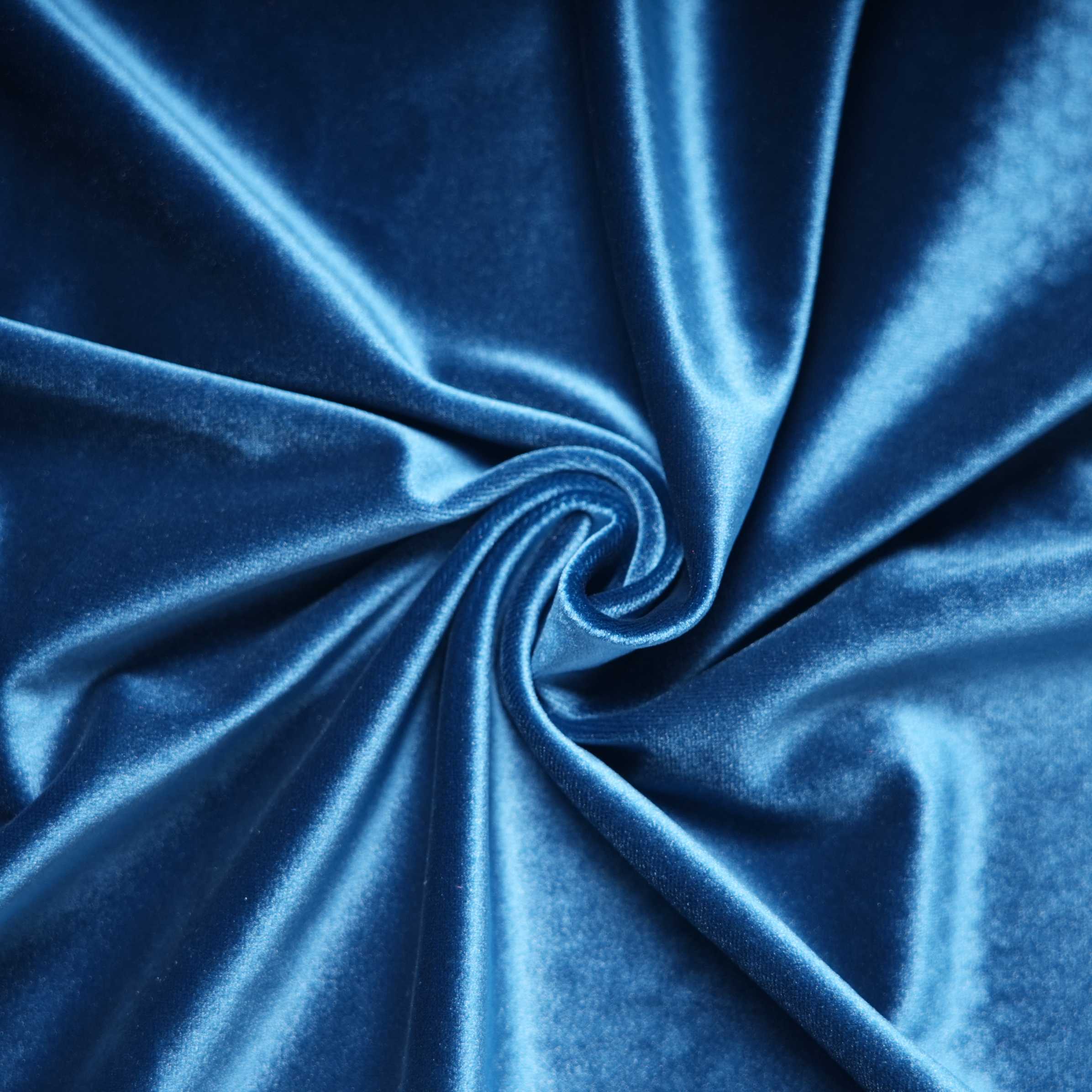
Step-by-Step Guide: How to Dye Velvet Fabric Properly
Below is a comprehensive professional protocol that combines the best aspects of textile dyehouses and expert technicians in coloring.
Step 1: Pre-Scouring and Preparation
Velvet fabric should be thoroughly cleaned before being dyed.
Remove oils, waxes, slurries, and agents for finalizing.
Use a mild detergent in warm water.
Rinse the clothing in a gentle manner without pulling.
Preserve the fabric’s moisture (never completely soaked).
This step ensures that the dye is spread uniformly across the fabric and prevents coloration in patches.
Step 2: Prep the Dye bath
The chemical composition of the bath must correspond to the type of fabric. Main variables include:
Temperature
pH value
Electrolyte composition (for cellulose)
Dye’s dispersibility and solubility
For Velvet, the dye bath must have sufficient depth to allow the fabric to move without difficulty and without crushing the stack.
Step 3: The Dyeing Process
For Acid Dye (Silk/polyester)
Heat the dye to a temperature of 80-90 degrees Celsius (175-195 degrees Fahrenheit).
Maintain a mild, consistent motion.
Incline the pH of the soil (usually with vinegar or citric acid).
Maintain the temperature as it currently is.
For Fiber-Reactive Dye (Cotton/ Rayon Velvet)
Start at a lower temperature.
Add the alkali in small quantities as the dye progresses.
Maintain a consistent flow rate to avoid streaking.
For dispersive dyed fabric (polyester velvet)
Requires temperatures of 95-130°C, depending on the type of dye.
Typically conducted in a pressurized vessel or via transfer of sublimation.
Minimal stirring to avoid distortion of the pile.
Step 4: Rinning and Normalizing
Because Velvet is extraordinarily responsive to water:
Soak in warm water for the first Rinse.
Continuing with the cold water will remove the extra color.
Employ extremely mild methods of handling—no twisting, no compressing.
Step 5: Dehydration and Repair
Incorrect drying can permanently harm velvet.
Best methods of practice:
Dry flat or hang without stress.
Avoid sunlight and over-exposure to heat.
Once it’s dry, simply steam the mountain.
Brush the lightly with a soft cloth or a Velvet brush.
This repairs the plush, upstanding pattern.
Common Problems When Dyeing Velvet Fabric (and Solutions)
Velvet dyeing often presents issues not seen in flat fabrics.
-
Uneven Dyeing
Causes:
Over-soaking
Insufficient dye bath volume
Aggressive agitation
Solutions:
Use oversized vats.
Keep movements slow and consistent.
Pre-wet fabric evenly.
-
Pile Crushing
Causes:
High mechanical action
Excessive heat
Improper drying
Solutions:
Slow, gentle handling.
Use a steam-recovery finish after drying.
-
Water Spots / Streaking
Velvet absorbs moisture inconsistently.
Solution:
Even wetting, balanced drying, and controlled humidity.
-
Poor Colorfastness
Fixes:
Choose an appropriate dye class.
Rinse thoroughly.
Optional use of fixatives (varies by dye class).
Industrial Considerations for Dyeing Velvet Fabric
Textile mills have special equipment devoted to the coloring of velvet:
-
Winch Dyeing Machines
Perfect for delicate fabric: low stress, consistent flow.
-
Dyeing Machines for Jet Aviation
Utilized in the synthesis of velvet, which necessitates high heat and controlled motion.
-
Piece Dyeing for Upholstery’s Velvet
Upholstery velvet is composed of:
More even lighting
Pile orientation that is controlled.
After the dye is applied, or during the steaming process,
-
Fashion Dyeing Velvet
Only appropriate for certain types of rayon, cotton, or silk fabric, polyester fabric is poorly suited for the garment coloring process.
Testing & Quality Control: Ensuring Professional Results
Textile professionals participate in standard assessments like this:
- Cleanliness
Assesses the color of the fabric against cleaning agents and laundering.
- Crockfastness (Rub Fastness)
Determines whether or not color is transferred through physical contact.
- Brightness
Essential for upholstery fabric that is exposed to sunlight.
- Pile Recover
Determines the degree to which Velvet will maintain its plush qualities following processing.
Running these tests is essential to commercial endeavors.
Expert Tips for Dyeing Velvet Fabric Successfully
Always test a small portion first.
Correspond the color of the season to the fiber type— Never combine dissimilarly.
Use low-powered motion during the procedure.
Avoid drastic temperature changes.
Only deal with the velvet when it’s damp, not when it’s dripping.
For polyester fabric with a Velvet effect, consider the safety of sublimation transfer as a more conservative alternative to bath coloring.
Be aware of the potential for tonal effects in blended velvets.
Final Conclusion: Can You Dye Velvet Fabric?
Yes, you can color fabric that is made of velvet, but achieving this successfully requires technical knowledge, precise chemistry, and delicate treatment. Velvet’s fluffy top and diverse composition of fibers make it more difficult to deal with than other fabrics. Natural-fiber velvet is the most simple to color, synthetic velvet requires special dyes and heat, and blended velvets are expertly made.
Whether you’re a textile manufacturer, a design professional, a craftsman, or an upholstery renovator, following the proper coloring method will guarantee the color is deep, consistent, fast, and long-lasting while maintaining the delicate nature of Velvet.