
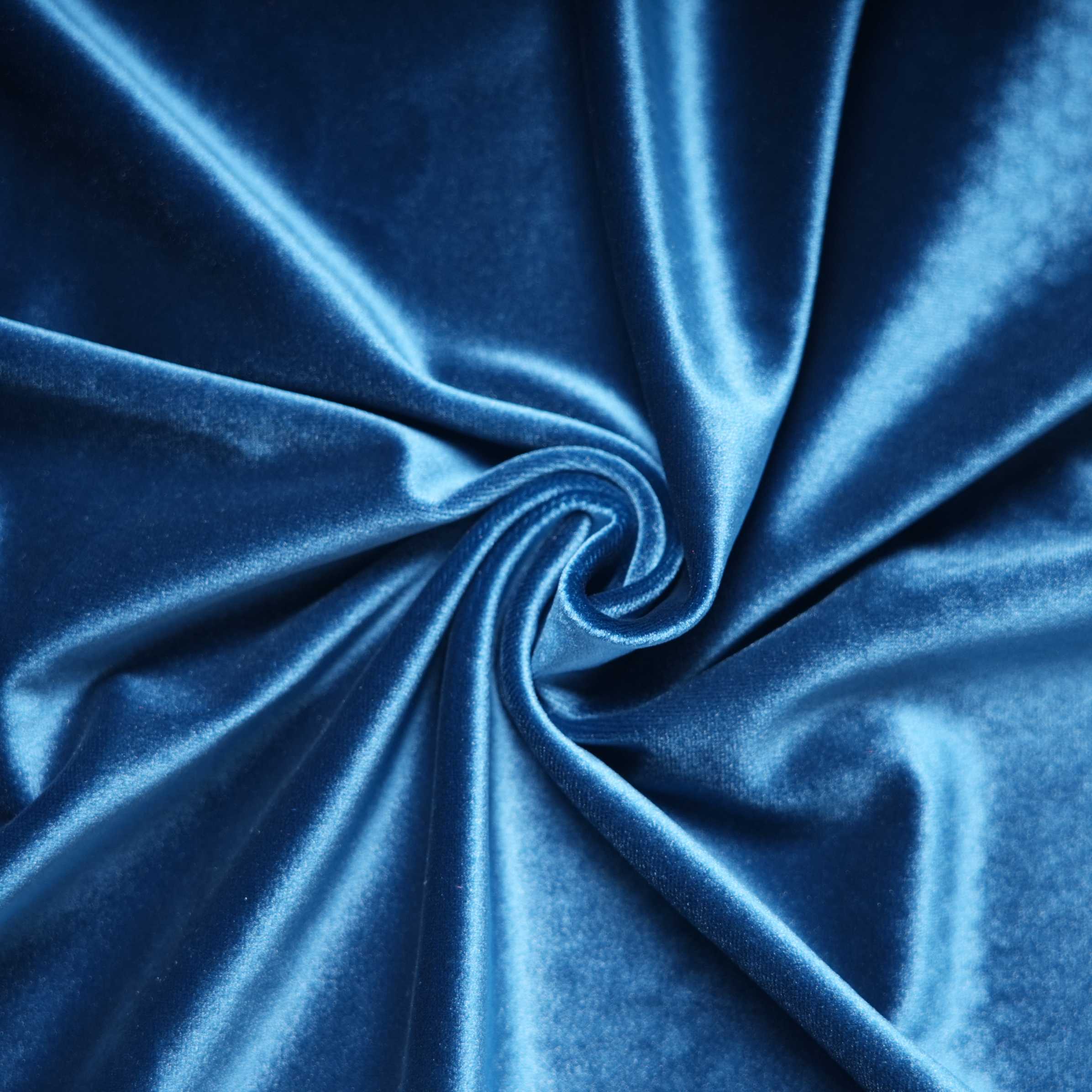
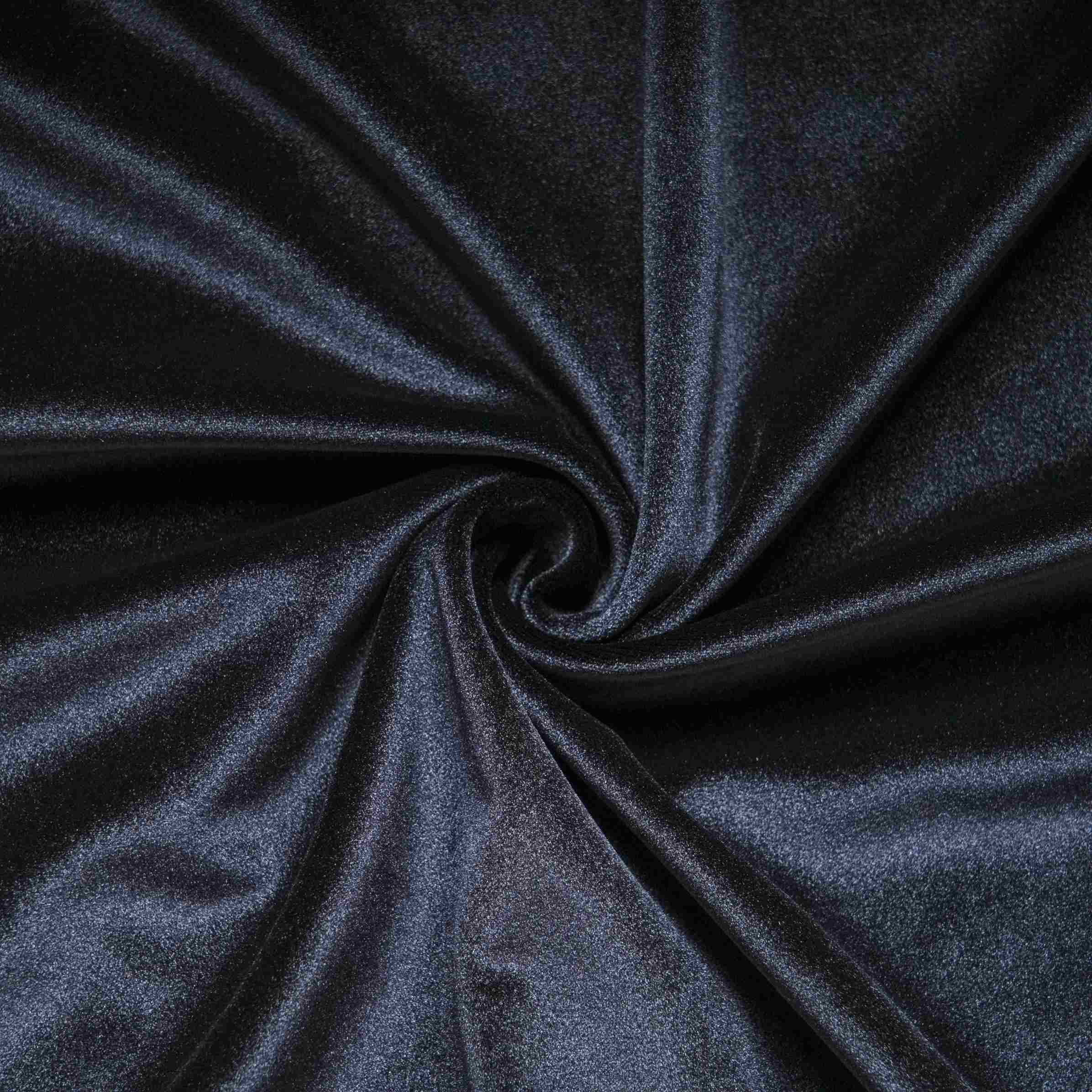
The term “9000 Velvet fabric” (often referred to as ” Micro-9000 Velvet” or “micron-9000”) is a trademark that is used by fabric vendors to describe a type of fine, dense, and polyester-based micro-velvet that is soft, sheeny, and has a medium weight. This tela is commonly used for apparel and decorative purposes.
Why “9000”? Understanding the Trade Name and What It Actually Signifies
“9000 velvet” is not a universal textile protocol like the GSM (g/m²) or ISO codes. Instead, it is a manufacturer/ seller’s product name that is similar to the way many mills name a line of Velvets, either ” Micro”, ” Micron”, or ” Velvet” to indicate a higher-end micro-velvet version. The “9000” in these listings is used as a marketing/catalog number instead of a formal technical definition.
Market evidence: multiple fabric retailers and suppliers (catalog/product pages) list Micro Velvet 9000 as a recognized trade SKU that is associated with several mills and general-purpose retailers. This is particularly evident in the Indian and Pakistani markets for fabric.
Practical implications for consumers:
Model “9000” as a flagship product — make sure technical specifications (fiber content, weave, height, width, shrinkage, finish) are confirmed before purchase.
Variations between suppliers: different mills may utilize the same SKU name, but they will provide different deniers, finishing, or hand.
Typical Construction, Composition & Performance (What to expect physically)
From the supplier’s listings and descriptions of products, the common attributes of 9000 (micro) velvet are:
- Material: Polyester is primarily composed of 100% of it ( Micro-velvet is produced by the woven polyester fibers); however, some higher-end lines may contain a bit of viscose or viscose-polyester. The different types of hands and shine are represented in the design.
- Weave/Structure: Velvet pile produced on special dobby/velvet weaving looms or warp-pile machines; “micro” indicates very fine pile height and dense pile, giving a smooth, almost suede-like surface.
- Weight (GSM): Many listings have medium-weight fabric that is approximately 150-170 g/m² (often described as 160 165 GSM). Check the batch’s COA for specific values.
- Anchura: Common width of 44-45 inches (around). 112-235 cm) or 56-58 inches for covering rolls.
- Hand & Final: A soft, plush hand with a sheen, “micro” pile has a tight appearance that is well colorized and has a good depth of drape; this is ideal for garments that require delicate fall.
Because of its polyester composition, micro-9000 velvet typically has a heavy resistance to shrinkage, is well-suited for deep colors, and can be finished to be durable for clothing and décor. However, the fiber content and the final choice of fiber affect the pilling behavior, flame behavior, and the cleanliness of the product.
Price Range & What Influences Cost
The price of the garments is dependent on the region, the amount of order, the completion of the project, and the type of fabric (e.g., a crafted suit with a dupatta). Market samples have a wide price range (retail and wholesale examples):
Wholesale prices for 100% polyester Micro Velvet 9000: Depending on the MOQ and quality rating.
The retail/finished product listings (embroidered or assembled garments using micro9000 velvet) exhibit higher prices for the products themselves— several thousand rupees for stitched suits or embroidered items (indicative of the cost of the garment, not the raw price).
International retail: e-commerce stores that specialize in fabric sometimes sell micro-9000 velvet for around 300₹ (retail customers) – this is converted to dollars based on the purchase price.
Key price influencers:
- The composition of fibers (full polyester content or a mixture of viscose and polyester)
- The amount of pile and the density of the GSM (higher density means higher usage of yarn, thus higher costs)
- Extra processing (anti-pilling, anti-static, repellent for stains, flame retardant)
- Costly embroidery or printing (increases the cost)
- Order volume and lead time (Discounts on MOQs available on wholesale websites)
Advantages of 9000 Micro Velvet: Why Manufacturers and Designers Choose It
- Soft, luxurious hand and aesthetic depth— micro-pile provides a plush, uniformly wrinkled surface that is well-suited to the photography of gowns, lehengas, evening wear, and domestic decor.
- Effective clothing design – medium-weight micro velvets have a graceful fall in long garments and formal silhouettes (suits, coats, dresses).
- Colorfulness — The tightness of the pile and the polyester’s dyeability produce vibrant, colorful results that are favored in festive and wedding attire.
- Durability and dimensional stability — The polyester content of the fabric decreases the shrinking behavior and improves the care of washing it compared to other natural fibers (this requires an extra step of checking the finished product).
- Versatility — employed across the apparel (sarees, gowns, men’s shirts), soft furnishing (cushions, throws), and even creative/artistic applications (as some manufacturing facilities promote).
Limitations and Things to Watch Out For
- Heat sensitivity — polyester fibers can melt or shrink under high temperatures of ironing; follow the manufacturer’s recommendations regarding care. Avoid direct contact with the pile’s heat source.
- Pilling and abrasion potential — lower-quality micro velvets may require a time-consuming process; if necessary, check the finishing and abrasion test results.
- Flammability — Polyester is flammable, and it’s important to verify if the supplier offers a FR (flame-retardant) coating if it’s intended for public use or commercial endeavors.
- Batch inconsistency among suppliers — because “9000” is a trademark, the performance of each varies; always test a sample for colorfastness, stroking, and aggregation.
Core Applications — Where 9000 Velvet Fabric Works Best
- Ropa
Bridal and festive wear (dupattas, lehengas, long coats, evening gowns) — sets that are decorated with Micro 9000 are popular with consumers.
Menswear (sherwanis, waistcoats) — Velvet provides a stately appearance that is appropriate for formal wear.
Outerwear and formalwear that have a medium weight and a sheen are considered design resources.
- Home and Event Decorations
Cushions, throws, and small surface designs are all important aspects of decorative fabric.
Event wrapping & stage backgrounds – plush velvet surfaces are beautifully photographed in the presence of lighting.
- Specialty
Luxury packaging and boxes, jewelry tables, and special presentation options, all of which use Velvet as their lining. Some mills will specifically advertise Velvet for these purposes.
- Small Business
Base embroidery, applique, and small-batch products that utilize Velvet’s appearance to increase perceived value.
How to Evaluate a 9000 Velvet Sample — Technical & Visual Checks
When a supplier delivers samples of meters, assess the quality of these items before committing to a bulk order:
Technical assessments
- GSM and width verification — Weigh a known area to verify if it’s GSM, and measure the finished width. (Seller pages typically discuss these.)
- Fiber content & burn test — assess the effectiveness of claims regarding fiber (polyester melting, cotton burning). Ask for a laboratory’s certification if necessary.
- Colorfastness — execute crocking and wash experiments to assess color loss and fading.
- Abrasion and pilling tests — The data regarding these tests is beneficial for upholstery or heavily used garments.
- Flammability — request the final data if the final purpose is to do so.
Visual and manual checks
- Pile density and uniformity— tilt the fabric under a light, a sheen that is uniform and even indicates the fabric’s quality.
- Drape test — fold and hang; assess for surface destruction and regrowth.
- Seaming/sewing test — make a test stitch that will ensure the pile doesn’t shift or create lumps.
Suppliant validation
- Request a COA (Certificate of Analysis) and an MSDS if the fabric is composed of chemicals. Check the MOQ and lead time before committing.
Care & Maintenance Recommendations (what to tell end customers)
Give practical advice that concords with the behavior of polyester micro-velvet:
- Cleaning: Many polyester micro-velvets are washable on a gentle cycle (cold water). Always test first and follow the supplier’s recommendations.
- Secado: Air dry or tumble dry on low; remove immediately to avoid destroying the pile.
- Planchado: Employ low temperatures or steam; iron on the reverse or utilize protective clothing to avoid the pile being flattened or having shiny marks.
- Spot cleaning: Blot the spill immediately; utilize mild fabric cleansers. For oil-based manchaurs, professional cleaning is recommended.
- Storage: Keep the rolled or folded up to avoid permanent stacks of debris.
If you market finished goods, include care labels that are specific to the supplier’s recommendations, which decreases returns and maintains the fabric’s appearance.
Sourcing Strategy & Supplier Checklist
Because “9000 velvet” is a common trade name that’s used by multiple manufacturing facilities, a focused approach to procurement will avoid disappointments:
- Technical specifications per lot — GSM, width, colorfastness, composition, finishing.
- Ask for a sample roll and initiate small — scale production before placing a full order.
- Compare multiple estimates — including costs of labor and transportation in the analysis of landed costs.
- Check the MOQ and the length of the roll — Some mills will sell 25-50 m rolls, while others will require larger MOQs for custom dyes.
- Check the lead time and color consistency of orders — make sure the dyelot is consistent.
- Request options for finishing, including anti-aging, FR, and stain — resistant capabilities, are available on request. (increases the cost, but may be necessary for the contracting of upholstery.)
- Evaluate the location of the supplier and the shipping method — many suppliers are located in South Asia; consider the transit times and regulations regarding import.
FAQs (Quick answers)
Q: Is the number “9000 Velvet” consistent around the world?
A: No — this is a model name/trade. Variations will be present. Siempre make sure technical specifications are verified and that requested samples are provided.
Q: Can I utilize 9,000 Velvet for upholstery?
A: Yes, for cushions that are decorative as well as low-traction upholstery, but requests information regarding abrasion and pilling, as well as a FR finish if necessary for employment contracts.
Q: Can it be machine-washable?
Many polyester microfibers are machine-washable on soft cycles, but they should be followed by the care instructions of the supplier and tested for dye loss.
Q: How much does it cost to have 9000 Velvet?
A: The retail/ wholesale price in the listed markets is around INR 130-INR 450 per meter ( India ) for basic to high-end grades; the global price is different and is based on the finish and enhancement.
Conclusion — Is 9000 Velvet Right For Your Project?
Micro-9000 Velvet is a popular micro-velvet grade that is favored for use in festive clothing, wedding collections, and decorative applications because of its plush feel, rich color, and manageable care. However, “9000” is a trademark, not a standard that must be followed; prudent consumers must authenticate the specifications of the mill, perform testing on samples, and make sure the production and distribution are successful before proceeding.
If your brand has a desire for the luxurious surface of Velvet with a dependable supply and consistent behavior, micro9000 Velvet is likely to be an attractive option for you – provided you follow the sourcing protocol, test the durability of the product, and contract with suppliers who provide traceability of the batch.