

Article Summary:
The distinction between functional fabrics and technical fabrics is now more important in the modern development of textiles, apparel, and materials.
Functional and technical fabrics are primarily concerned with different design goals, validation of performance, context of application, and the complexity of engineering. While functional fabrics are primarily concerned with improving comfort and utility in everyday clothing, technical fabrics are designed to achieve specific performance goals in medical, industrial, protective, and high-performance environments.
This article provides a comprehensive, industry-oriented comparison of the functional concept of fabric and the technical concept of fabric. It attempts to clarify the confusion between terminology, outline the practical applications of real-world principles, and provide support for informed decisions in the development of textile products and their sourcing.
Introduction: why the difference between functional and technical fabrics matters
As textiles become more complex and involve performance as a system, terms like functional fabric and technical fabric are being increasingly employed. However, these terms are often used interchangeably in marketing materials, suppliers’ catalogs, and professional conversations, which leads to ambiguity across the textile chain of supply.
What is a functional fabric?
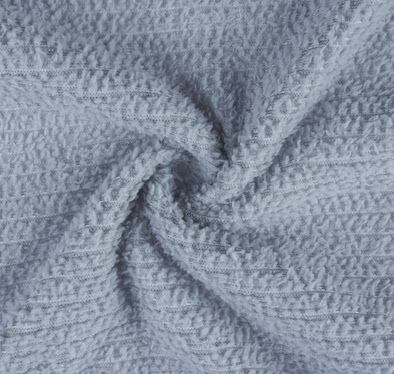
A functional fabric is a textile that possesses specific properties that enhance the comfort or usability of the fabric, beyond its basic aesthetic properties and coverage. These functions are typically intended to enhance the wearer’s daily experience rather than to achieve a specific or stringent performance goal.
Functional properties of fabric are often attributed to the selection of fibers, the structure of fabric, chemical treatments, or surface treatments. Common attributes that functionally include moisture management, breathability, stretch, thermal regulation, wrinkle resistance, and protection from UV radiation.
Functional fabrics are typically employed in consumer-oriented applications that involve comfort, versatility, and ease of care.
The core purpose of functional fabric in apparel and textiles
The primary function of a functional fabric is to increase comfort, ease, and versatility in typical or moderate environments. These fabrics are designed to respond to common problems like sweat, temperature changes, movement, and multiple washes.
For instance, moisture-wicking functional fabric promotes the regulation of body temperature during daily activity, while stretch functional fabric increases mobility in casual or athletic wear. These functions are beneficial, but they don’t usually require a certification regarding industrial or safety regulations.
What is a technical fabric?
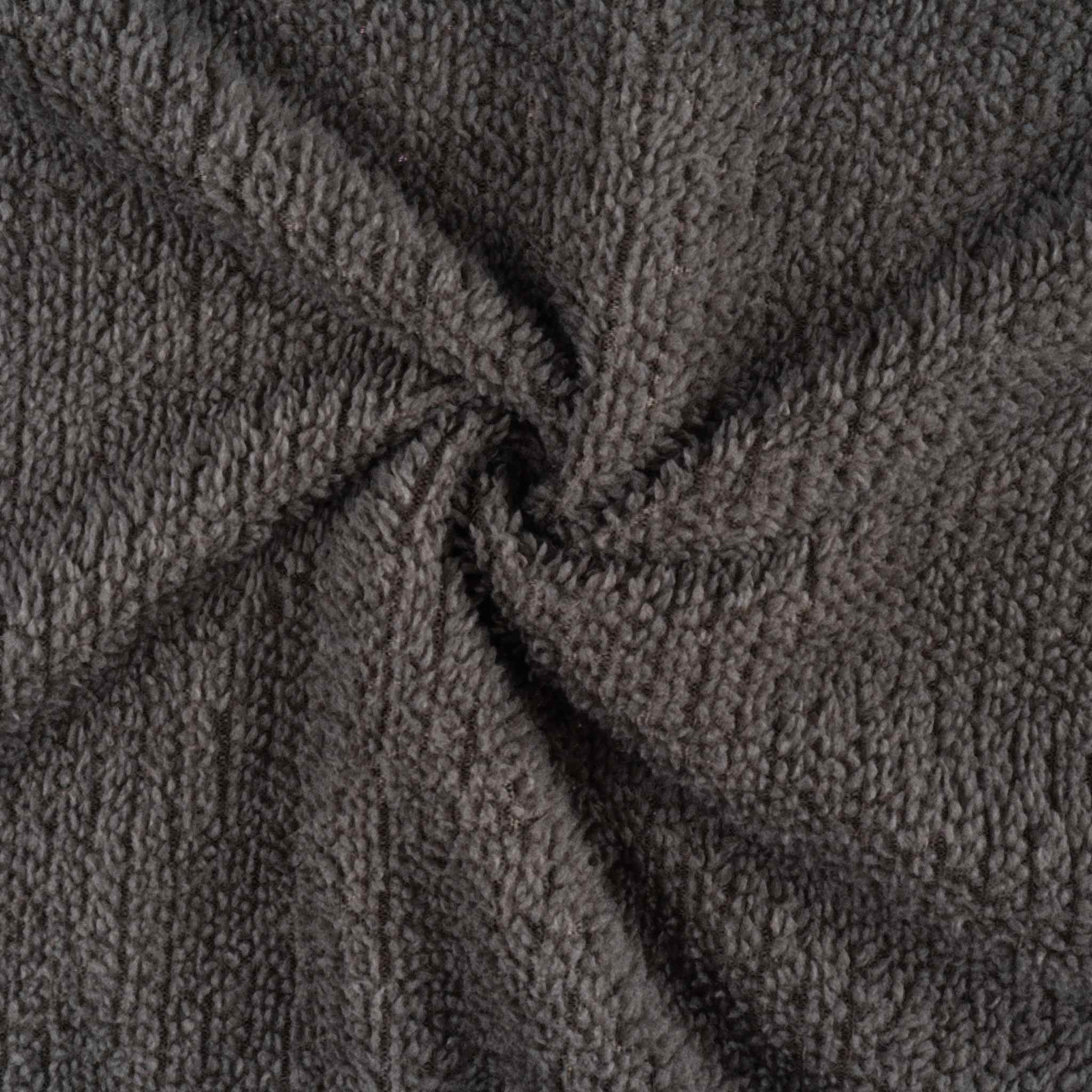
A technical fabric is a fabric that is engineered to have a specific, measured, and approved performance in specialized or demanding environments. Technical fabrics are intended to fulfill specific functional requirements regarding mechanical strength, chemical resistance, thermal stability, barrier protection, or durability.
Unlike functional fabrics, technical fabrics are typically employed in industrial, medical, military, protective, or infrastructure-related endeavors, where a failure could lead to safety concerns or operational malfunctions.
The performance of technical fabrics is typically assessed through standardized protocols that are designed to verify compliance with regulations.
Fundamental difference in design intent
The primary difference between functional and technical fabrics is their intended design.
Functional fabrics are intended to enhance ease of use, comfort, or general usefulness. Their purposes are typically dedicated to daily wear, apparel that supports lifestyle, or apparel that simply provides performance, such as in regards to moisture management or resistance to wrinkles.
Technical fabrics are designed to fulfill specific requirements regarding performance in adverse environments; often, safety, durability, or regulatory compliance is of paramount importance.
Main Difference:
Functional fabrics concern the user experience, while technical fabrics concern the critical performance that is necessary for mission accomplishment.
Difference in performance requirements and validation
The standards for performance expectations and testing are significantly different.
Functional fabrics are typically evaluated through basic scientific tests and consumer utilization standards, such as the moisture-wicking rate, breathability, or effectiveness against bacteria.
Technical fabrics must be subjected to rigorous testing and certification that often involves international standards or specialty codes (e.g., flame resistance, chemical resistance, tensile strength, UV protection, or waterproofing).
Main Difference:
Functional fabrics focus on providing comfort-based performance, while technical fabrics require results that can be measured, repeated, and certified.
Fiber selection and material complexity
The composition of the material is intended to achieve the desired performance level.
Functional fabrics often employ conventional fibers that are enhanced with coating or aesthetic additions to improve performance.
Technical fabrics are composed of special or advanced fibers, such as aramids, carbon fibers, UHMWPE, PTFE, or high-modulus synthetic fibers. These fibers are often incorporated in complex multiple-layer systems.
Main Difference:
Functional fabrics focus on cost-efficient enhancements, while technical fabrics focus on material science and structural performance.
Fabric structure and engineering differences
The fabric’s construction has a significant impact on performance.
Functional fabrics typically employ standard structures for knitting or weaving, and the performance is achieved through additions or slight structural alterations.
Technical fabrics involve advanced fabric engineering that is advanced, including 3D knitting, multiple-axial weaving, laminated composites, and structures that are designed to withstand extreme pressure or exposure to the environment.
Main Difference:
Functional fabrics are based on the surface of or moderate structural design, while technical fabrics are built from integrated structural components.
Application scope: everyday use vs specialized environments
Functional fabrics are primarily intended for everyday and recreational uses; they require a lot of comfort, ease, and performance. They are typically employed in advertisements:
- Casual and athletic
- Sports and fitness gear
- Innerwear and foundation layers
- Recreational clothing for outdoors
- Home textiles and bed sheets
These fabrics have properties that enhance the daily wear of clothing. These include moisture wicking, stretch, breathability, odor control, and the ease of care required of them, without the need for stringent certification or extreme performance verification.
Technical fabrics, however, are designed to be specialized and have a high demand in environments that require performance, durability, and safety. Typical usage areas include:
- Wear protective clothing and havePPE on.
- Military and legal supplies
- Industrial clothing
- Healthcare and medical textiles
- Aerospace, automotive, and building materials
- Extreme equipment for the outdoors and expeditions
These fabrics must have a dependable performance under extreme temperatures, mechanical stress, chemical exposure, or regulatory requirements, which often follow international standards of safety and performance.
Durability expectations and lifecycle performance
Functional fabric longevity is typically determined by the amount of washing it can withstand, the colorfastness of the fabric, and the comfort that it provides over time.
Technical fabric longevity is determined by testing it against the extreme forces of heat, pressure, chemicals, UV exposure, and mechanical stress. Service life expectations are often significantly greater.
Cost structure and value proposition
Functional fabrics are intended to have both functionality and affordability; they are therefore appropriate for mass production or mid-range products.
Technical fabrics are typically priced higher because of the specialized fibers, complex manufacturing processes, and requirements for compliance.
Understanding the cost-performance relationship is crucial to accurate product placement.
Functional fabric vs technical fabric: terminology confusion explained
Functional fabrics are intended to have both functionality and affordability; they are therefore appropriate for mass production or mid-range products.
Technical fabrics are typically priced higher because of the specialized fibers, complex manufacturing processes, and requirements for compliance.
Understanding the cost-performance relationship is crucial to accurate product placement.
Comparison table: functional fabric vs technical fabric
| Aspecto | Tela funcional | Technical Fabric |
| Primary goal | Comfort and usability | Performance and protection |
| Performance validation | Limited or informal | Standardized and certified |
| Fiber complexity | Conventional fibers | High-performance fibers |
| Application scope | Consumer apparel | Industrial and specialized |
| Cost level | Moderado | Alta |
| Regulatory requirements | Minimal | Often mandatory |
Role of finishing technologies in functional fabrics
The final stage of development is crucial to the functional design of fabric. Chemicals can imbue fabrics with properties like water repellency, antibiotic behavior, or resistance to ultraviolet light without altering the base fabric’s structure.
These acabments are typically intended for the safety of consumers and the repeated laundering of technical appliances, but they rarely achieve the required durability for these purposes.
Role of coatings and laminations in technical fabrics
Technical fabrics often utilize coatings and laminations to achieve protection. Membranes, films, and multiple-layer systems facilitate precise control over porosity, insulation, and resistance.
These engineered layers differentiate technical fabric from common functional fabric constructions.
Sustainability considerations in both fabric categories
Functional fabrics have increasingly focused on sustainability through the use of recycled fibers, biodegradable materials, and decreased chemical utilization.
Technical fabrics have a greater propensity for sustainability issues due to their performance requirements, but they have been able to accomplish this through longer service lives, material efficiency, and recyclability.
Both categories are developing in response to environmental concerns, but at different rates and with different priorities.
Common misconceptions clarified
One common misconception is that technical textiles are simply more beneficial than functional textiles. In reality, they have different functions.
Another common misconception is that functional fabric is lacking in engineering complexity. Many functional fabrics are specifically designed, but their purposes are different from the technical type.
Explaining these details increases the topical authority of the topic and increases user trust.
Frequently Asked Questions (FAQ)
Q1: What is the primary difference between functional fabric and technical fabric?
The primary difference is in the purpose: functional fabric increases comfort and utility, while technical fabric is designed to fulfill specific, approved requirements.
Q2: Is functional fabric the same as fabric that performs?
Functional fabric is often called performance fabric in consumer clothing, but it does not necessarily follow technical requirements for textiles.
Q3: Can a fabric have both practical and technical properties?
Yes, some fabric types have functional attributes, but the classification is based on the primary goal of performance.
Q4: Does technical fabric play a part in clothing?
Yes, technical fabrics are incorporated into protective clothing, workwear, and specialty gear.
Q5: Which is more expensive, functional fabric or technical fabric?
Technical fabrics are typically more expensive because of the advanced materials, testing, and protocol requirements that must be followed.
Conclusion: choosing the right fabric category for your application
Understanding the distinction between functional and technical fabric is crucial to making accurate decisions in textile design, procurement, and product development. Functional fabric is concerned with improving everyday ease and versatility; it is therefore ideal for consumer apparel and other lifestyle products. Technical fabrics, however, are designed to have precision, consistency, and superior performance in adverse environments.
Recognizing these differences helps manufacturers in the selection of materials to be aware of the requirements of the application, the cost structures, and the regulatory standards that are increasingly important to the authoritative nature of the industry content that Google’s systems of ranking are designed to fulfill.