


Resumen
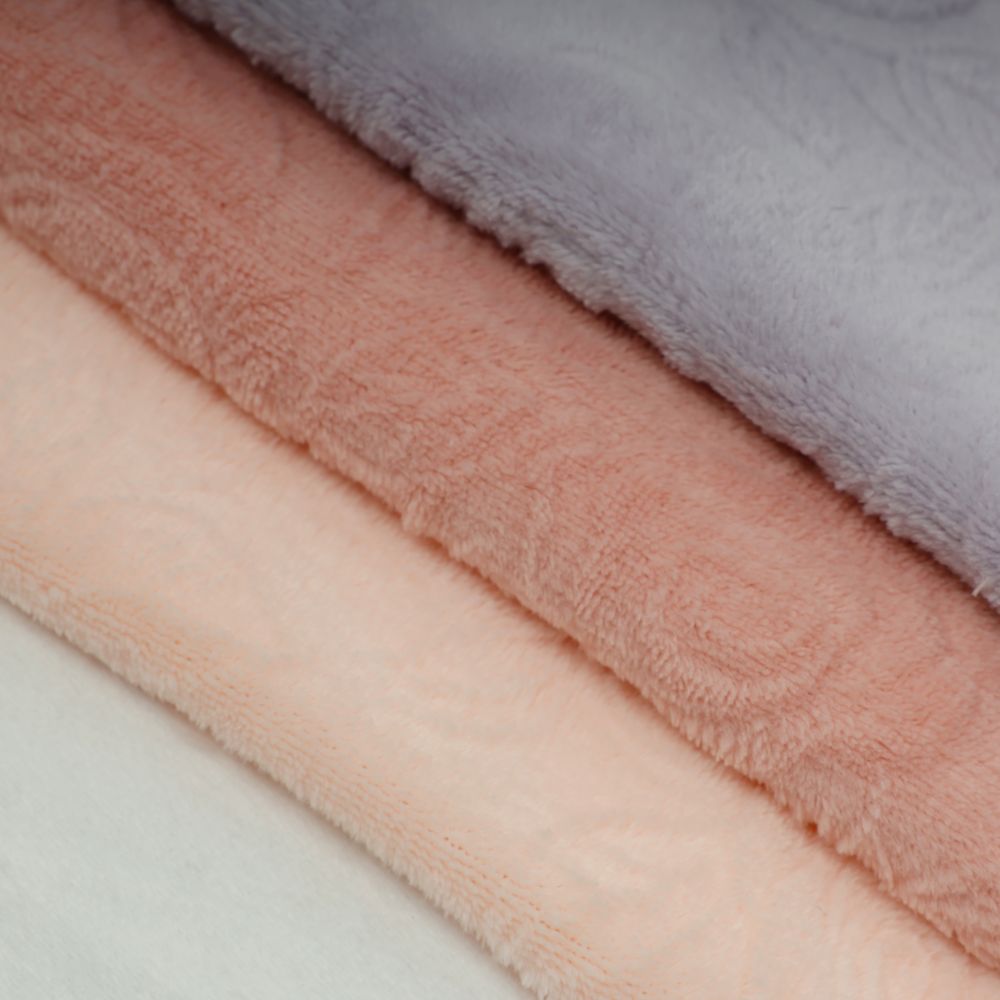
Fabric selection plays a crucial role in textile performance, product positioning, and consumer satisfaction. Based on Textiles: Fiber to Fabric by Bernard P. Corbman and research published in the Journal of Textile Science & Engineering, fiber composition, weave structure, and surface finishing influence essential fabric properties such as durability, drape, thermal behavior, and tactile perception.
In this context, silk and velvet fabrics are frequently compared due to their high-end positioning and luxurious appeal. Nonetheless, they differ fundamentally in structure—silk being a natural protein fiber, while velvet is a woven pile textile that can be produced from various fibers, including silk, cotton, or synthetics.
This industry guide for 2026 offers a detailed comparison of silk and velvet fabrics, examining their material science, manufacturing methods, performance features, and commercial uses, assisting brands, designers, and e-commerce platforms in making well-informed choices and enhancing search engine visibility.
Introduction: Why Comparing Silk and Velvet Fabric Matters in Modern Textiles?
In today’s global textile and fashion ecosystem, the choice of fabric directly impacts product value, brand positioning, and user experience. As consumers grow more informed and seek transparency, designers and manufacturers must understand the distinctions between silk and velvet fabric, as well as for e-commerce businesses striving to decrease returns and enhance conversion rates.
Silk has historically been linked to luxury, softness, and natural grace, whereas velvet fabric symbolizes richness, depth, and texture through its unique pile construction. Although they are frequently categorized together in high-end groups, these two materials fulfill very different roles. Selecting between them demands a detailed understanding of their performance, cost, upkeep, and usage contexts.
What is Silk?
Silk is a natural protein fiber produced by silkworms, primarily the species Bombyx mori. It is one of the oldest and most prestigious textile materials, known for its smooth surface, natural sheen, and exceptional softness.
Key Characteristics of Silk
- It has an extremely smooth and soft texture.
- It exhibits high natural luster due to its triangular fiber structure.
- It offers excellent drape and fluidity.
- It provides natural temperature regulation.
- It is lightweight yet strong.
Silk is commonly used in high-end garments, luxury bedding, and premium accessories.
What is Velvet Fabric?
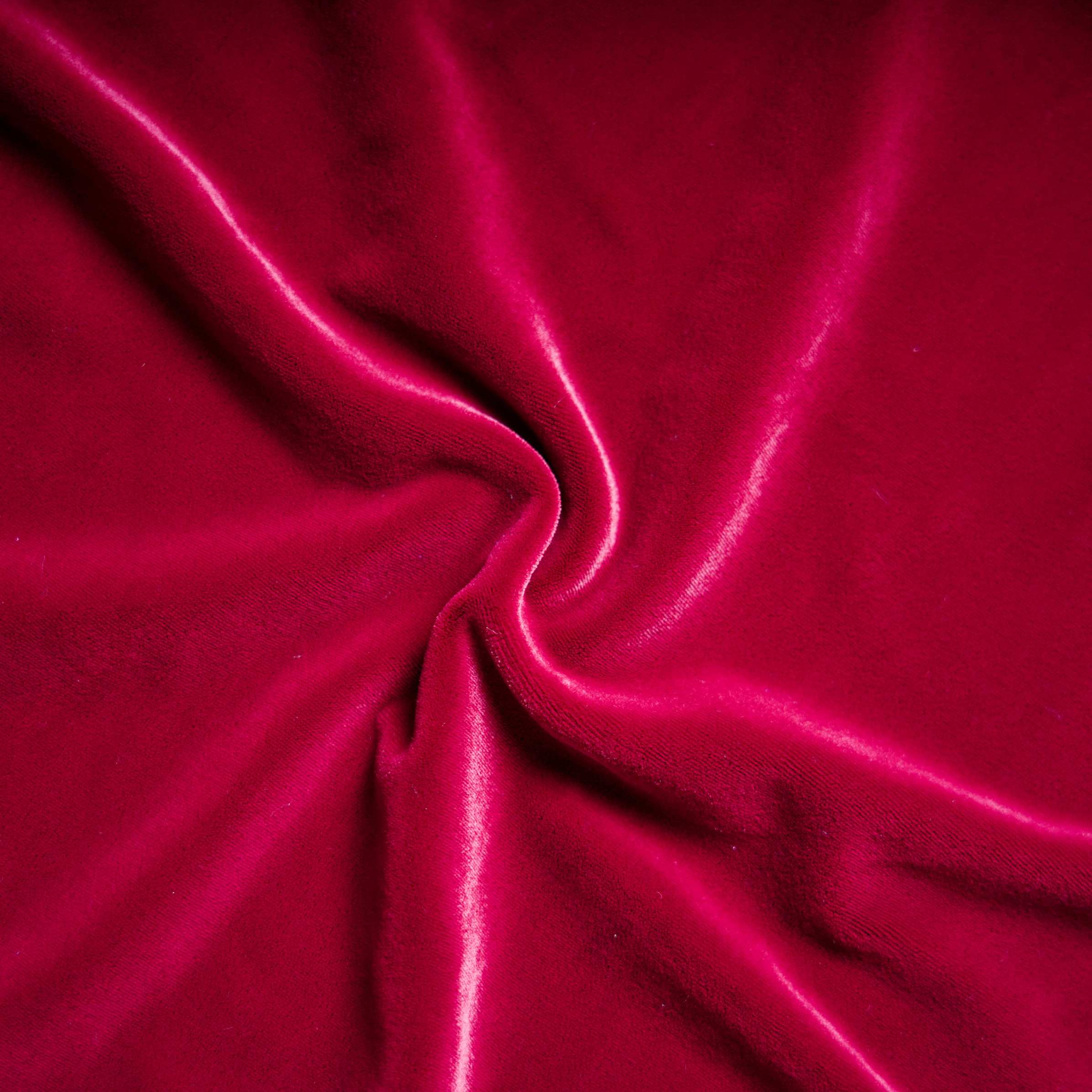
Velvet fabric is a woven textile characterized by a dense pile of evenly cut fibers that create a soft, plush surface. Unlike silk, velvet is not defined by fiber type but by its construction method. It can be made from silk, cotton, polyester, or blends.
Key Characteristics of Velvet Fabric
- It has a soft, dense pile surface.
- It features a rich texture and depth.
- It exhibits excellent light absorption and reflection, giving it a luxurious appearance.
- Its weight ranges from moderate to heavy depending on the type.
- It possesses excellent insulation properties.
Velvet fabric is widely used in evening wear, upholstery, home décor, and fashion-forward apparel.
Core Structural Differences Between Silk and Velvet Fabric
Understanding the difference between silk and velvet fabric begins with their fundamental construction.
Structural Comparison Table
| Característica | Silk | Tejido de terciopelo |
| Material Type | Natural fiber | Woven pile fabric |
| Construction | Filament fiber | Cut pile weave |
| Textura | Smooth and sleek | Soft and plush |
| Acabado superficial | Brillante | Matte to semi-gloss (directional sheen) |
| Thickness | Ligero | Medium to heavy |
| Transpirabilidad | Alta | Moderado |
| Durabilidad | Moderado | Moderate to high (depends on fiber) |
This table highlights a critical point: silk is a fiber, while velvet fabric is a fabric structure that can incorporate silk or other fibers.
Manufacturing Process Comparison
Silk Production
Silk production involves sericulture, where silkworm cocoons are harvested and processed into fine filaments. These filaments are then spun into yarn and woven into fabric.
Key steps include:
- Cocoon harvesting
- Degumming (removing sericin)
- Filament reeling
- Tejer
This labor-intensive process contributes to silk’s high cost.
Velvet Fabric Production
Velvet fabric is produced using a specialized weaving technique that creates a pile layer. Two layers of fabric are woven simultaneously and then cut apart to create the characteristic soft surface.
Key steps include:
- Dual-layer weaving
- Pile yarn insertion
- Cutting and finishing
- Brushing and polishing
This process requires precision machinery and contributes to the fabric’s premium feel.
Performance Analysis: Silk vs Velvet Fabric
Comfort and Wearability
| Factor | Silk | Tejido de terciopelo |
| Sensación en la piel | Ultra-smooth | Soft but textured |
| Transpirabilidad | Excelente | Moderado |
| Temperature Control | Natural regulation | Insulating |
| Peso | Very light | Medium to heavy |
Silk is ideal for warm climates and layering, while velvet fabric excels in cooler environments.
Durability and Maintenance
Silk Fabric
Durability: It is a naturally strong fiber, but its structure is delicate; it is prone to abrasion and sunlight damage.
Maintenance:
It is preferable to dry clean or gently hand-wash silk fabric.
Avoid exposing it to high heat and direct sunlight.
Store it in breathable fabric bags.
Best Use: Suitable for occasional wear, luxury garments, and delicate applications.
Tejido de terciopelo
Durability: Its durability depends on the fiber type, such as cotton, polyester, or silk velvet; it is generally more resistant to wear.
Maintenance:
Careful cleaning is necessary to preserve the pile texture.
Do not crush or apply prolonged pressure.
Use steam rather than ironing to restore the texture.
Best Use: Upholstery, evening wear, and high-end fashion.
Aesthetic and Design Considerations
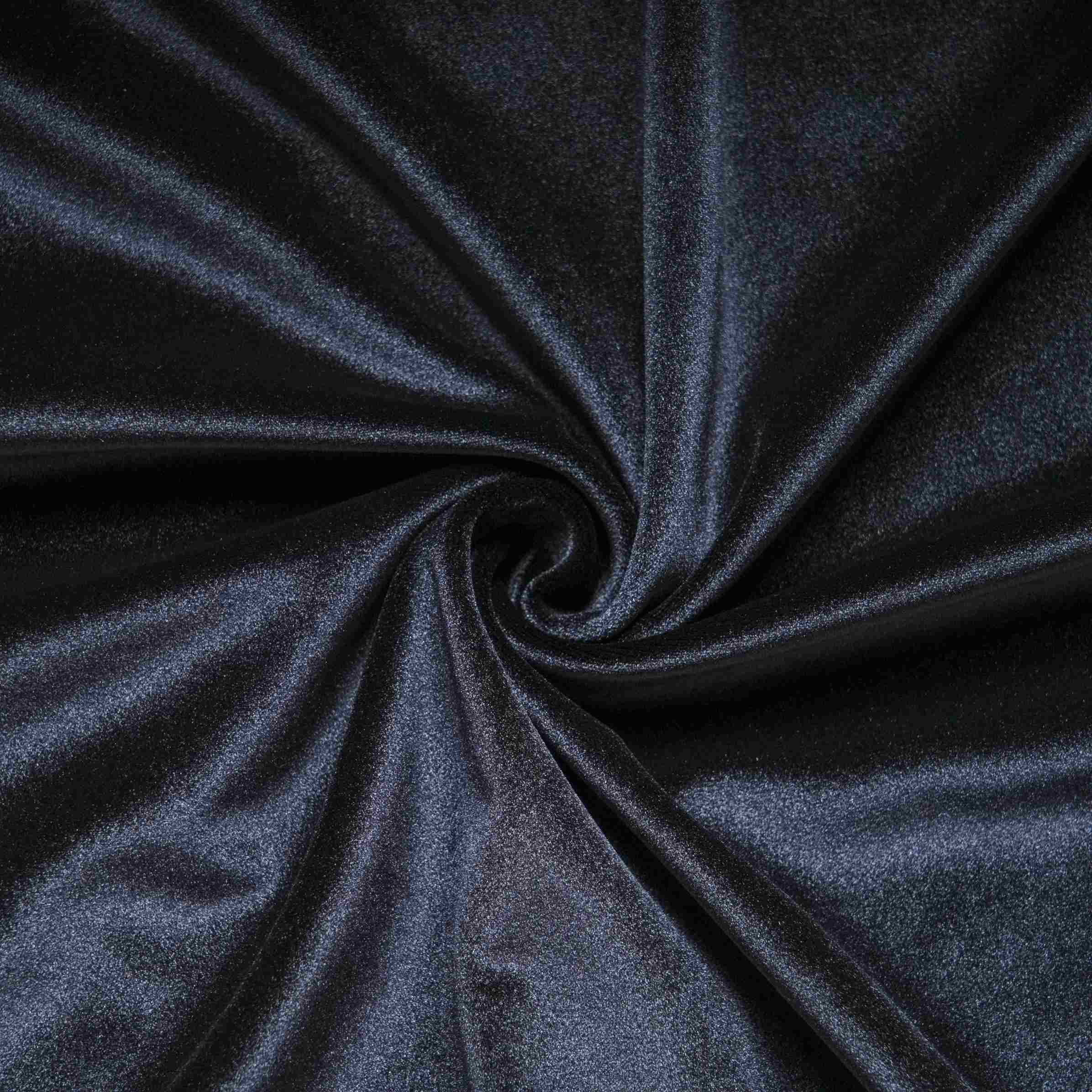
Silk offers a flowing, elegant appearance suitable for minimalist and high-end designs. In contrast, velvet fabric provides depth, richness, and a tactile dimension that enhances visual impact.
Design Applications
| Aplicación Area | Preferred Material |
| Evening Gowns | Tejido de terciopelo |
| Luxury Lingerie | Silk |
| Tapicería | Tejido de terciopelo |
| Summer Wear | Silk |
| Winter Fashion | Tejido de terciopelo |
Cost and Market Positioning
Silk Fabric
It is positioned as a premium luxury material.
It has a higher cost due to natural fiber production and complex processing.
It is common in high-end fashion, bridal wear, and luxury bedding.
Tejido de terciopelo
Its price range varies depending on fiber composition.
Synthetic velvet provides affordable options, whereas silk velvet targets luxury markets.
It is used in both mid-range and premium segments, including fashion and home décor.
Market Insight:
Silk is generally linked to exclusivity and elegance, while velvet provides versatility across different price tiers.
Sustainability Considerations
Silk Fabric
It is natural and biodegradable.
The production involves silkworm cultivation, raising ethical considerations.
When produced using eco-friendly methods, it has a lower environmental impact.
Tejido de terciopelo
Its sustainability depends on the fiber type.
Natural velvet (cotton/silk): More eco-friendly
Synthetic velvet (polyester): Less sustainable but more durable
Increasing availability of recycled and low-impact velvet options
E-commerce Optimization: Selling Silk vs Velvet Fabric
Silk Fabric Selling Points:
Highlight luxury, softness, and natural origin.
Use high-quality images to showcase sheen and texture.
Provide detailed care instructions to reduce return rates.
Velvet Fabric Selling Points:
Emphasize texture, depth, and visual richness.
Offer multiple variants (crushed, embossed, stretch velvet).
Include application scenarios (fashion, upholstery, décor).
Conversion Tips:
Provide zoomed-in texture images.
Include video demonstrations showing the drape and light reflection
Offer clear fabric weight and thickness details
Use comparison charts to help customers choose
Conversion Optimization Table
| Strategy | Impact |
| Size & fit guides | Reduce returns |
| Fabric education | Increase trust |
| Visual storytelling | Boost engagement |
| Customer reviews | Improve credibility |
Future Trends (2026–2030)
- Hybrid Fabrics
Combining silk fibers with velvet construction to create ultra-luxury textiles.
- Sustainable Innovations
Development of eco-friendly velvet using recycled fibers.
- Smart Textiles
Integration of wearable technology into both silk and velvet fabric.
- Digital Fabric Simulation
AI-driven visualization tools for online shopping.
Common Misconceptions
- “Silk is extremely fragile and impractical.”
While delicate, high-quality silk can be durable with proper care.
- “All velvet is heavy and hard to maintain.”
Lightweight and synthetic velvets are easier to care for and more practical for daily use.
- “Silk and velvet serve the same purpose.”
Silk is smooth and lightweight, while velvet is textured and plush, serving different design needs.
- “Velvet is always expensive.”
Synthetic velvet options make it accessible across various price points.
FAQ: Silk vs Velvet Fabric
- Is velvet fabric more luxurious than silk?
Both are considered luxury materials, but velvet fabric offers a richer visual texture, while silk provides a smoother tactile experience.
- Which is better for winter clothing?
Velvet fabric is better due to its insulating properties.
- Is silk more expensive than velvet fabric?
Generally, yes, but high-end silk velvet can be even more expensive.
- Which fabric is easier to maintain?
Velvet fabric (especially synthetic types) is generally easier to maintain than silk.
- Can velvet fabric be made from silk?
Yes, silk velvet is one of the most luxurious forms of velvet fabric.
Conclusión
The comparison between silk and velvet fabric is not about identifying a universal winner but about recognizing their distinct strengths and uses. Silk is known for its softness, breathability, and elegance, making it perfect for lightweight and luxurious clothing. Velvet fabric, with its plush texture and insulating qualities, is more appropriate for statement items, winter clothing, and interior decoration.
For businesses, success depends on matching fabric selection with the product’s purpose, target audience, and market positioning. By utilizing in-depth fabric expertise and SEO-friendly content strategies, brands can increase visibility, boost customer satisfaction, and attain sustainable growth in the competitive textile industry.