


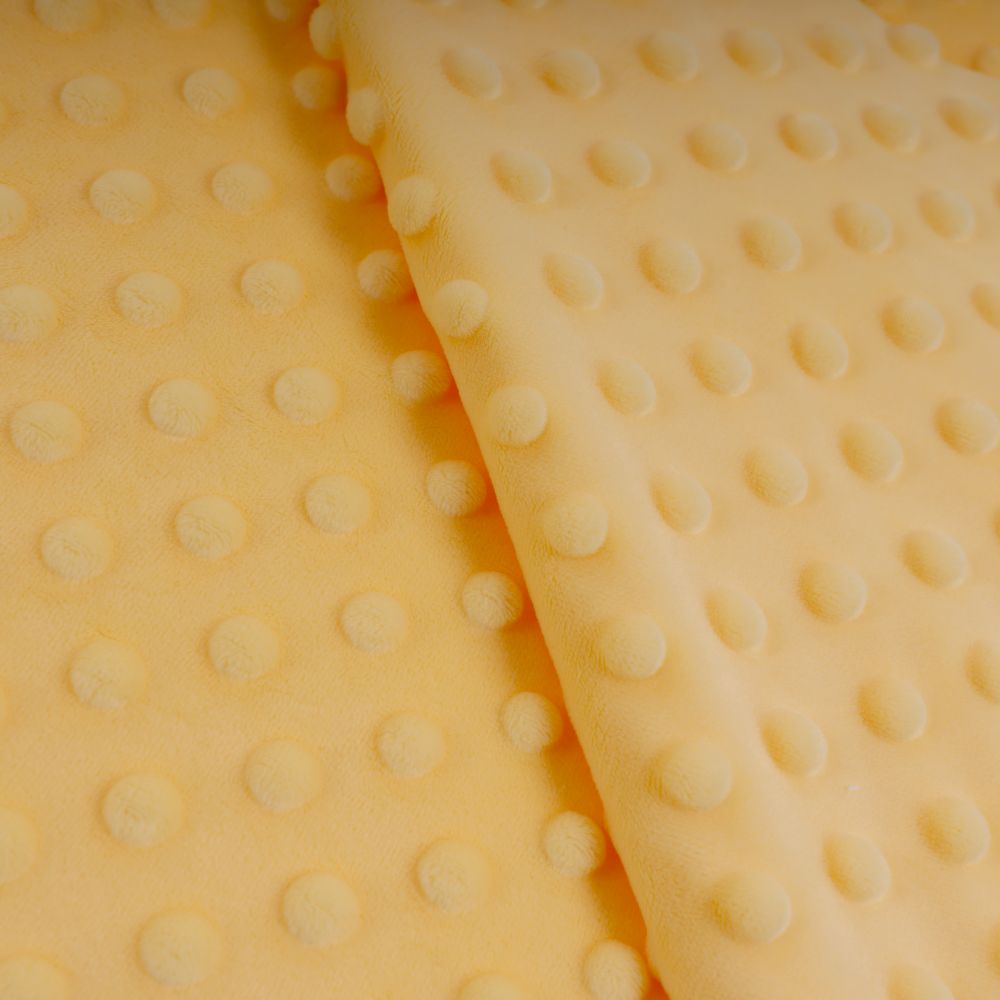
요약
이 기술적 비교는 셰르파 플리스 구조적 구성, 열 성능, 내구성 및 상업적 응용 측면에서 플리스 원단 표준과 비교 분석합니다. 섬유 구매자, 의류 제조업체 및 제품 개발자를 위한 것으로, B2B 조달 결정을 위한 데이터 기반의 소재 선택 기준을 찾는 데 적합합니다.
이들 소재 간 근본적인 차이를 이해하면 성능 요구사항과 예산 제한 및 최종 사용 규격을 균형 있게 고려한 전략적 소싱 결정을 내릴 수 있습니다.
구조적 구성 및 제조 차이
플리스 원단의 기본 구조
표준 플리스 원단은 워프 또는 원형 편직 공정을 통해 제작된 폴리에스터 니트 베이스 구조에서 유래합니다. 특징적인 요소는 생산 후 브러싱 과정에서 나타나며, 회전하는 와이어 브러시가 기계적으로 니트 표면에서 섬유 끝부분을 들어 올려 부드러운 파일 질감을 만들어냅니다. 이 브러싱 과정에 따라 최종 파일 높이 등급이 결정됩니다:
- 마이크로플리스: 100-200 GSM, 최소 파일 높이(1-2mm), 경량 레이어링에 적합
- 중량 플리스: 200-300 GSM, 3-5mm 파일, 일반 용도의 업계 표준
- 폴라플리스: 300-400+ GSM, 6-8mm 파일 높이, 열 보존성을 극대화
제조 효율성은 단일 레이어 구조에서 비롯됩니다. 현대 섬유 설비에서는 자동 브러싱 시스템을 사용해 표준 플리스를 시간당 50미터 이상의 속도로 생산합니다. 폴리에스터 베이스는 일반적으로 재활용 PET(rPET) 또는 버진 폴리에스터 필라멘트를 사용하며, 디너 75D에서 150D까지 다양하여 촉감과 구조적 강도에 영향을 미칩니다. 단면 브러싱은 특징적인 털이 많은 표면을 만들면서 반대편은 매끄럽게 유지해 기술적 응용을 위한 인쇄 및 라미네이션 공정을 용이하게 합니다.
셰르파 플리스 이중 레이어 구조
셰르파 플리스는 근본적으로 다른 제조 방식을 사용하며, 매끄러운 폴리에스터 니트 표면과 자연스러운 양모 피부 질감을 재현한 고파일 역면으로 이루어져 있습니다. 파일 쪽에는 더 긴 스테이플 섬유(12-20mm)를 사용하고 일부러 불규칙성을 두어 진짜 양모 같은 외관을 구현합니다. 이러한 이중 질감 디자인은 한 원단 구조 내에서 비대칭 파일 높이를 생산할 수 있는 특수 제조 장비를 필요로 합니다.
제조 복잡성은 세 가지 주요 요인을 통해 생산 비용에 직접적인 영향을 미칩니다:
- 연장된 가공 시간: 양면 마감 처리는 표준 플리스에 비해 40-60% 더 긴 생산 주기를 요구합니다.
- 높은 소재 소비: 파일 밀도가 표준 플리스의 200-400g/m²에 비해 800-1200g/m²입니다.
- 품질 관리 요구사항: 대규모 생산 라인에서 일정한 파일 분포를 유지하려면 첨단 모니터링 시스템이 필요합니다.
대부분의 상업용 셰르파 플리스는 매끄러운 표면 직물(일반적으로 150-200 GSM 저지 니트)을 고파일 백킹에 열접착하거나 접착제로 결합한 구조를 사용합니다. 프리미엄 변형 제품은 직조 과정에서 두 레이어를 동시에 편직해 탈피 문제를 없애지만 제조 비용은 25-35% 증가합니다.
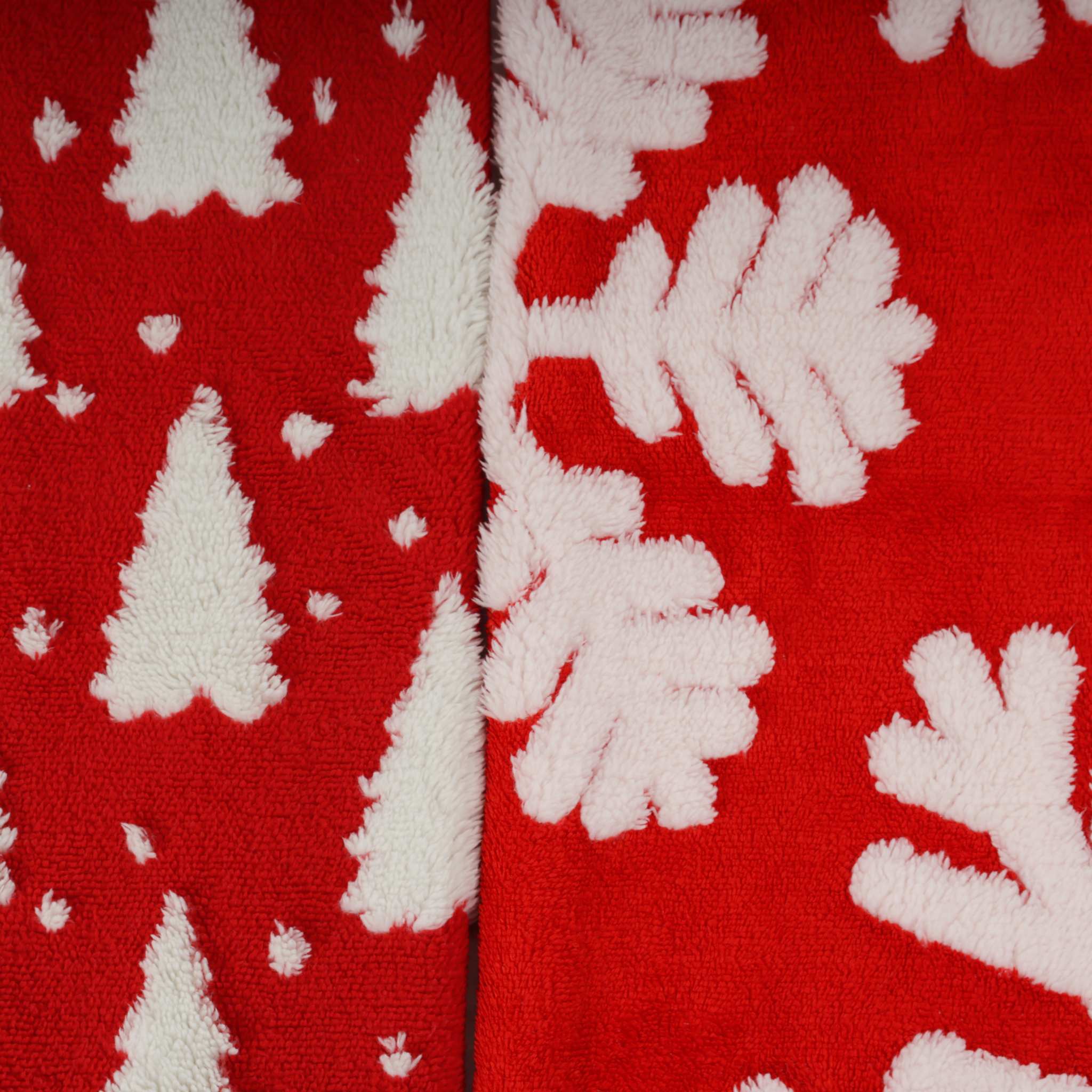
성능 지표 비교
열 절연성 및 통기성 분석
기술 섬유의 열 성능 측정은 CLO 값(Clothing Insulation Units)에 기반하며, 1 CLO는 21°C 환경에서 편안함을 유지하는 데 필요한 절연력을 의미합니다. 표준 중량 플리스는 보통 0.8-1.2 CLO 값을 기록하며, 셰르파 플리스는 고파일 구조 내 공기 포획 능력이 뛰어나 1.5-2.0 CLO 등급을 달성합니다.
공기 투과성 테스트 결과는 습기 관리에 중요한 차이를 보여줍니다:
- 표준 플리스: 125 Pa 압력 차이에서 80-150 CFM(입방피트/분), 활동적 수증기 투과 지원
- 셰르파 플리스: 30-60 CFM, 통기성보다 열 보존성을 우선시합니다.
이러한 통기성 차이는 뚜렷한 성능 프로필을 만듭니다. 표준 플리스는 땀 관리가 중요한 동적 활동에서 뛰어난 성능을 발휘하며, 실험실 테스트 결과 표준 땀 시뮬레이션의 완전한 증발까지 15-20분이 걸립니다. 셰르파 플리스는 이 증발 시간을 35-45분으로 연장해 고강도 활동에는 적합하지 않지만 정적인 추위 보호에는 더욱 우수합니다.
셰르파의 파일 구조 내 갇힌 공기는 표준 플리스와 비교해 15mph 바람 속도의 풍동 테스트에서 대류 열손실을 40-50% 줄이는 단열 장벽을 형성합니다. 그러나 이 구조는 수증기 투과성을 감소시켜 중간 강도 활동 시 장시간 착용 시 습기가 축적될 가능성이 있습니다.
무게 대 보온성 비율 및 내구성 요소
무게 효율성은 운송 집약적 응용과 소비자 편안함을 위해 중요한 사양입니다. 표준 플리스는 최적의 무게 대 보온성 비율을 제공하며, 중량 변형(250 GSM)은 제곱야드당 약 200그램의 적절한 단열성을 제공합니다. 셰르파 플리스는 보통 400-600 GSM로, 우수한 열등급을 달성하려면 60-140% 더 많은 소재가 필요합니다.
마틴데일 마모 방법을 통한 보풀 저항성 테스트 결과 성능 차이가 드러납니다:
셰르파 플리스는 더 긴 섬유 길이와 높은 파일 밀도 덕분에 우수한 보풀 저항성을 보이며, ISO 12945-2 표준에 따른 3등급 보풀 발생 전까지 30,000-50,000회 마모 사이클 동안 미관을 유지합니다. 표준 플리스는 보통 20,000-35,000회 사이클에서 눈에 띄는 보풀이 생기며, 특히 겨드랑이와 옆선과 같은 마찰이 심한 부위에서 더욱 빠르게 나타납니다.
압축 회복 테스트 결과, 셰르파 플리스는 100회 압축 사이클 후에도 원래 높이의 85-90%를 유지하며, 표준 플리스는 75-80%를 유지합니다. 이 탄력성은 팩커블 아우터웨어나 자주 세탁되는 제품과 같은 반복 압축이 필요한 응용에서 제품 수명을 연장합니다.
상업적 응용 시나리오
표준 플리스의 최적 활용 사례
표준 플리스는 시장 세그먼트를 지배하며 다목적성, 비용 효율성 및 활동적 성능 특성을 우선시합니다. 스포츠웨어 제조업체는 습기 관리가 최대 단열성을 능가하는 트레이닝 의류에 중량 플리스를 지정하며, 원단의 통기성은 변동 강도 활동 중 체온 조절을 지원합니다.
경량 레이어링 시스템은 마이크로플리스의 최소 부피와 접이성 덕분에 혜택을 받습니다. 아웃도어 레저 제품의 기술적 사양은 쉘 레이어 및 단열재와 결합했을 때 시스템의 유연성을 유지하기 위해 종종 300GSM 미만의 무게를 요구합니다. 매끄러운 역면은 라미네이트 구조에 쉽게 통합되어 방수-투습 멤브레인 접착이 가능한 기술적 아우터웨어를 가능하게 합니다.
비용 민감한 제품군은 표준 플리스의 제조 효율성을 활용해 공격적인 소매 가격을 충족합니다. 자체 브랜드 프로그램과 판촉 상품에는 야드당 $6.00 이하의 원단 비용이 필요해 목표 마진을 유지해야 하며, 표준 플리스는 이러한 제약을 쉽게 충족하면서 캐주얼 사용 시나리오에서도 허용 가능한 성능을 제공합니다. 최소 주문량은 보통 500~1,000야드로, 중소 규모 생산에도 접근 가능합니다.
셰르파 플리스의 전략적 응용
프리미엄 아우터웨어 안감은 셰르파 플리스의 주요 상업적 응용으로, 소재의 미관과 뛰어난 보온성이 높은 소재 비용을 정당화합니다. 럭셔리 아웃도어 브랜드는 파카와 겨울 코트에 셰르파 안감을 지정하며, 촉감의 차별화를 통해 프리미엄 포지셔닝을 지원합니다. 양모 피부를 모방한 질감은 진정한 아웃도어 헤리티지 스타일을 추구하는 소비자들에게 호소력 있는 가치를 제공합니다.
Home textile markets consume significant Sherpa fleece volumes for blankets, throws, and bedding accessories. The dual-texture design offers functional versatility—smooth side against skin for comfort, pile side exposed for visual appeal and warmth. Retail price tolerance in home goods categories (typically 2.5-3.5x material cost) accommodates Sherpa’s higher per-yard pricing while maintaining acceptable margins.
Cold-weather workwear specifications increasingly incorporate Sherpa fleece for jacket linings and vest insulation where workers face prolonged cold exposure with moderate activity levels. Industrial laundry durability testing shows Sherpa maintains structural integrity through 50+ commercial wash cycles, meeting specifications for rental uniform programs and corporate workwear fleets.
Procurement Decision Framework
Total Cost of Ownership Considerations
Raw material pricing establishes the baseline cost differential, with Sherpa fleece commanding 60-120% premiums over comparable weight standard fleece. However, total cost analysis must incorporate multiple factors beyond initial purchase price:
Material consumption efficiency: Sherpa’s superior insulation enables reduced layering requirements—a single Sherpa-lined jacket may replace a standard fleece plus additional insulation layer, potentially offsetting material cost through simplified construction and reduced labor.
Minimum order quantities vary significantly by supplier and material type. Standard fleece typically requires 500-1,000 yards MOQs from Asian manufacturers, while Sherpa fleece MOQs range from 1,000-2,000 yards due to specialized production setup requirements. Domestic suppliers offer reduced MOQs (300-500 yards) but at 30-50% price premiums.
Maintenance and care requirements affect lifecycle costs in commercial applications. Both materials tolerate machine washing, but Sherpa’s higher pile density requires gentle cycles and low-temperature drying to prevent matting. Industrial laundry testing indicates Sherpa maintains 80% of original appearance through 50 wash cycles versus 60-70% for standard fleece, potentially extending replacement intervals by 25-40% in high-use applications.
Inventory carrying costs reflect weight differentials—Sherpa’s 60-140% greater mass increases warehousing and transportation expenses. For import programs, this translates to 35-45% higher per-unit freight costs, impacting landed cost calculations for overseas sourcing strategies.
FAQ Module
What is the typical price difference between Sherpa fleece and standard fleece for bulk orders?
Bulk pricing (5,000+ yard orders) shows Sherpa fleece ranging from $8.00-$14.00 per yard compared to $4.50-$7.00 for mid-weight standard fleece—representing 75-100% premiums.
Volume discounts typically achieve 15-25% reductions from published pricing, with larger commitments (20,000+ yards) enabling custom specifications without tooling surcharges.
Geographic sourcing significantly impacts pricing: Chinese manufacturers offer the most competitive rates but require 60-90 day lead times, while domestic suppliers provide 2-3 week turnaround at premium pricing.
Does Sherpa fleece meet OEKO-TEX or REACH compliance standards for commercial textile products?
Reputable Sherpa fleece manufacturers maintain OEKO-TEX Standard 100 certification, confirming the absence of harmful substances across all production stages. REACH (Registration, Evaluation, Authorization of Chemicals) compliance is standard for suppliers serving EU markets, restricting substances of very high concern (SVHCs).
Buyers should request certification documentation specific to each production lot, as compliance varies by dye chemistry and finishing treatments. Recycled polyester Sherpa variants increasingly achieve Global Recycled Standard (GRS) certification, supporting sustainability claims for environmentally conscious brands.
Which fleece type offers better performance in high-abrasion industrial applications?
Sherpa fleece demonstrates superior abrasion resistance in Martindale testing (30,000-50,000 cycles to Grade 3 pilling versus 20,000-35,000 for standard fleece), making it preferable for high-friction applications like tool belt contact areas or equipment harness interfaces.
However, standard fleece’s lower pile height reduces snag potential in environments with protruding objects or machinery—a critical safety consideration in manufacturing settings. For maximum durability in industrial contexts, consider reinforced fleece variants incorporating ripstop grid patterns or localized abrasion-resistant overlays in high-wear zones.
결론
Material selection between Sherpa fleece and standard fleece fundamentally depends on balancing thermal requirements, budget constraints, and end-use durability specifications.
Standard fleece excels in applications prioritizing breathability, weight efficiency, and cost control—athletic wear, lightweight layering systems, and volume production programs benefit from its manufacturing efficiency and accessible pricing.
Sherpa fleece justifies premium positioning through superior thermal performance, enhanced durability, and distinctive aesthetic appeal, making it strategically appropriate for luxury outerwear, home textiles, and cold-weather industrial applications.
The key decision matrix for B2B buyers centers on performance-versus-cost efficiency: projects with retail price points below $50 typically require standard fleece to maintain margin targets, while premium products exceeding $100 retail can absorb Sherpa’s material premiums while leveraging its perceived value attributes.
Procurement teams should conduct total cost of ownership analysis, incorporating material consumption efficiency, maintenance requirements, and expected product lifespan to determine true cost implications beyond per-yard pricing. Successful material specification aligns fabric performance characteristics with target market expectations and commercial objectives, ensuring optimal value delivery across the product lifecycle.