
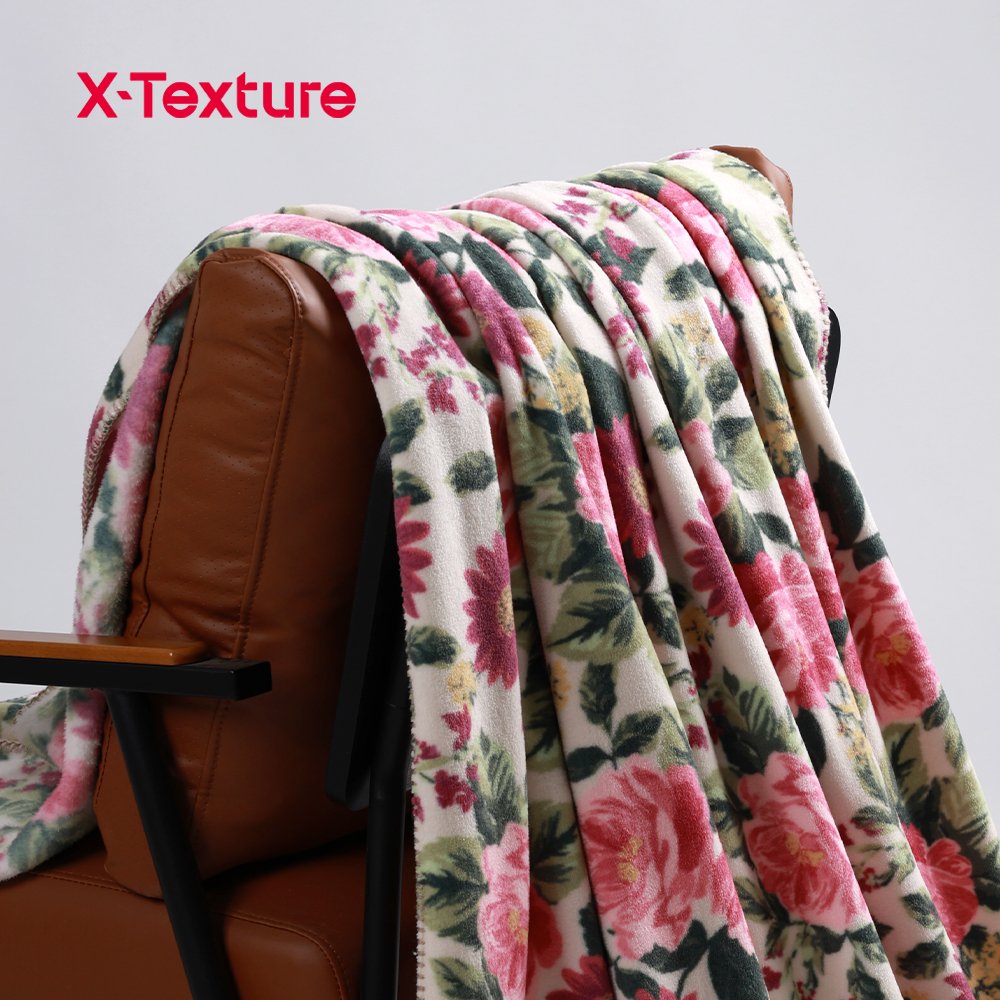
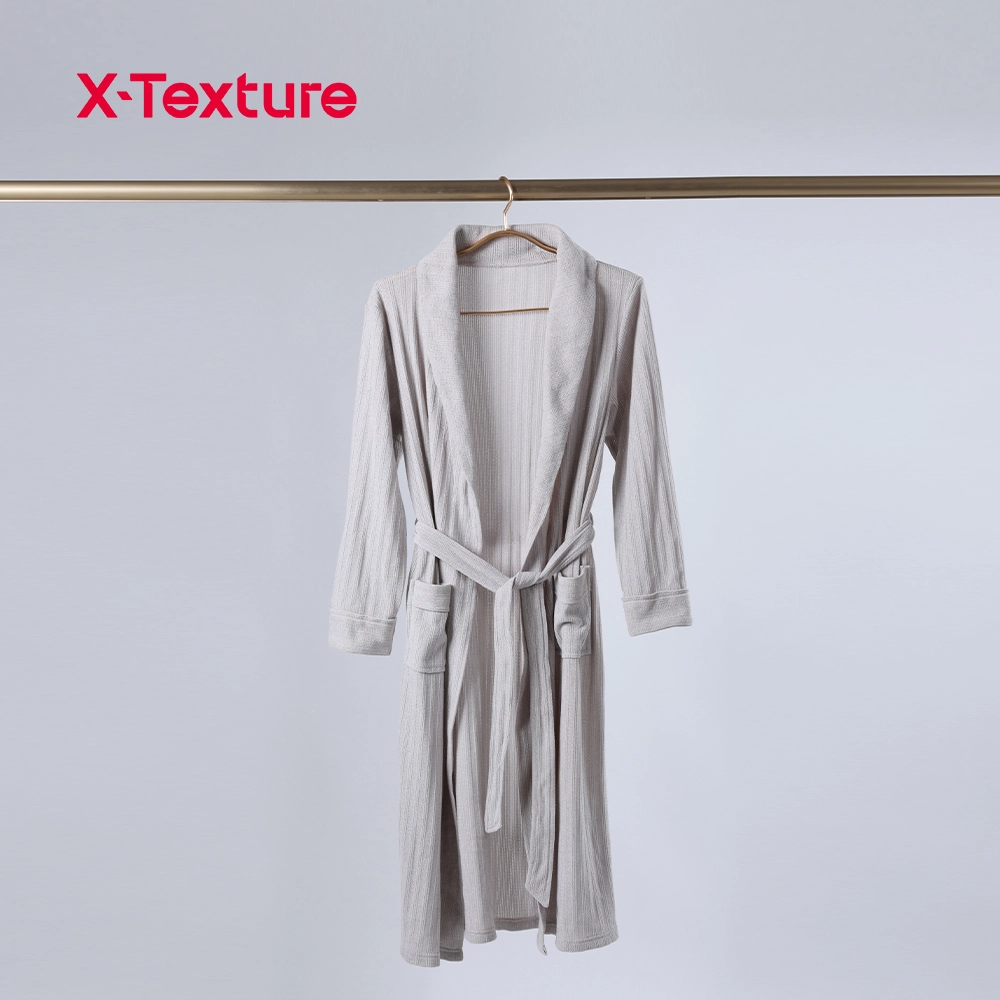
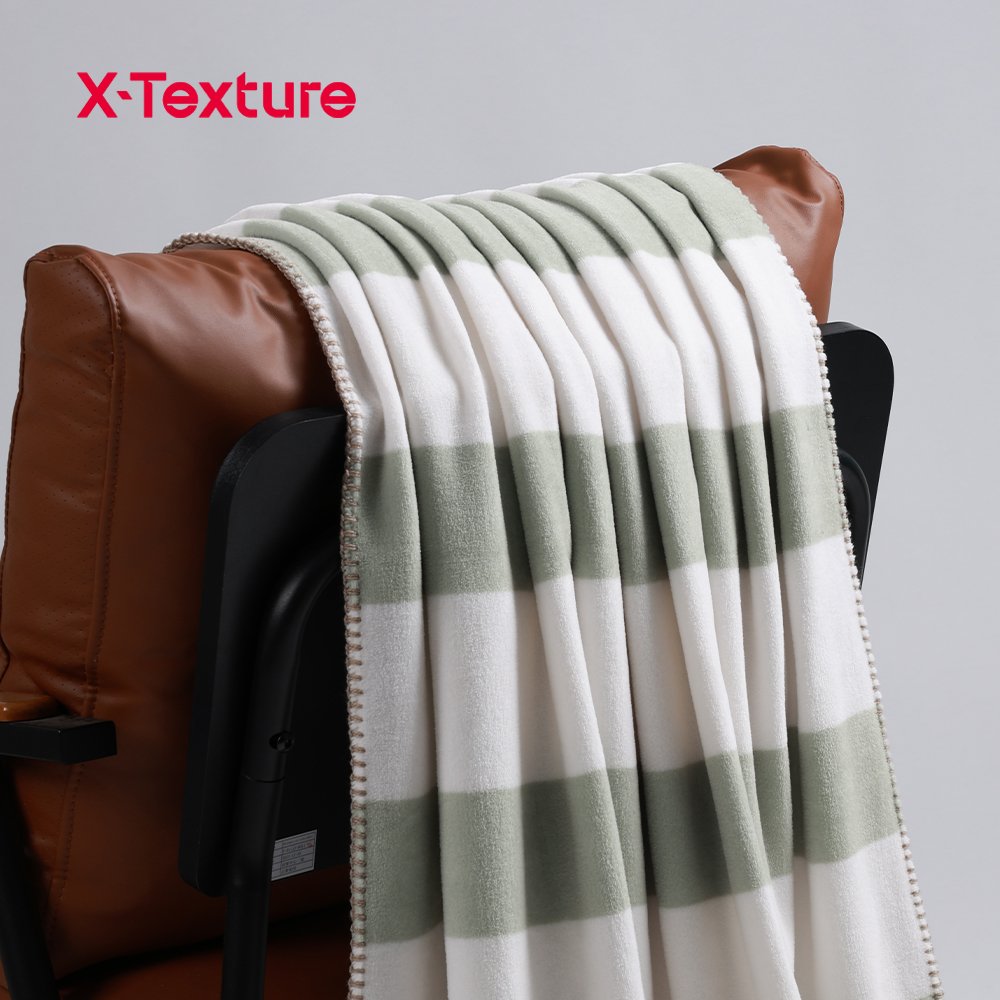
When temperatures decrease, the question that many consumers, apparel designers, and textile buyers ask is: Which fabric promotes greater warmth—wool or 폴라 플리스 원단?
Both substances are recognized for their insulation properties, softness, and the capacity to withstand cold weather; however, they differ based on the environment, the amount of moisture present, the activity level, the design of the product, and sustainability.
This comprehensive article discusses the science, performance, structure, and utilization of wool and polar fabric. It provides a detailed comparison that helps retailers, manufacturers of clothing, and professionals in the outdoor industry choose the fabric that is most appropriate for their needs.
Understanding the Two Fabrics: What Are They?
-
What Is Wool?
Wool is a natural fiber derived from sheep or other animals with special fibers, such as merino sheep, alpaca, cashmere goats, or camel’s hair. The fibers of wool have a crimped, scaly, and three-dimensional structure that accommodates air, which makes the wool exceptionally insulating.
Key natural characteristics:
Breathable
Flame-resistant
Moisture-wicking
Odor-resistant
Excellent control of the thermal balance
Naturally occurring and biodegradable
Wool has been the standard for warm environments for centuries because its composition causes it to warm even when it’s wet, which is not matched by synthetic fibers.
-
What is the composition of polar fleece?
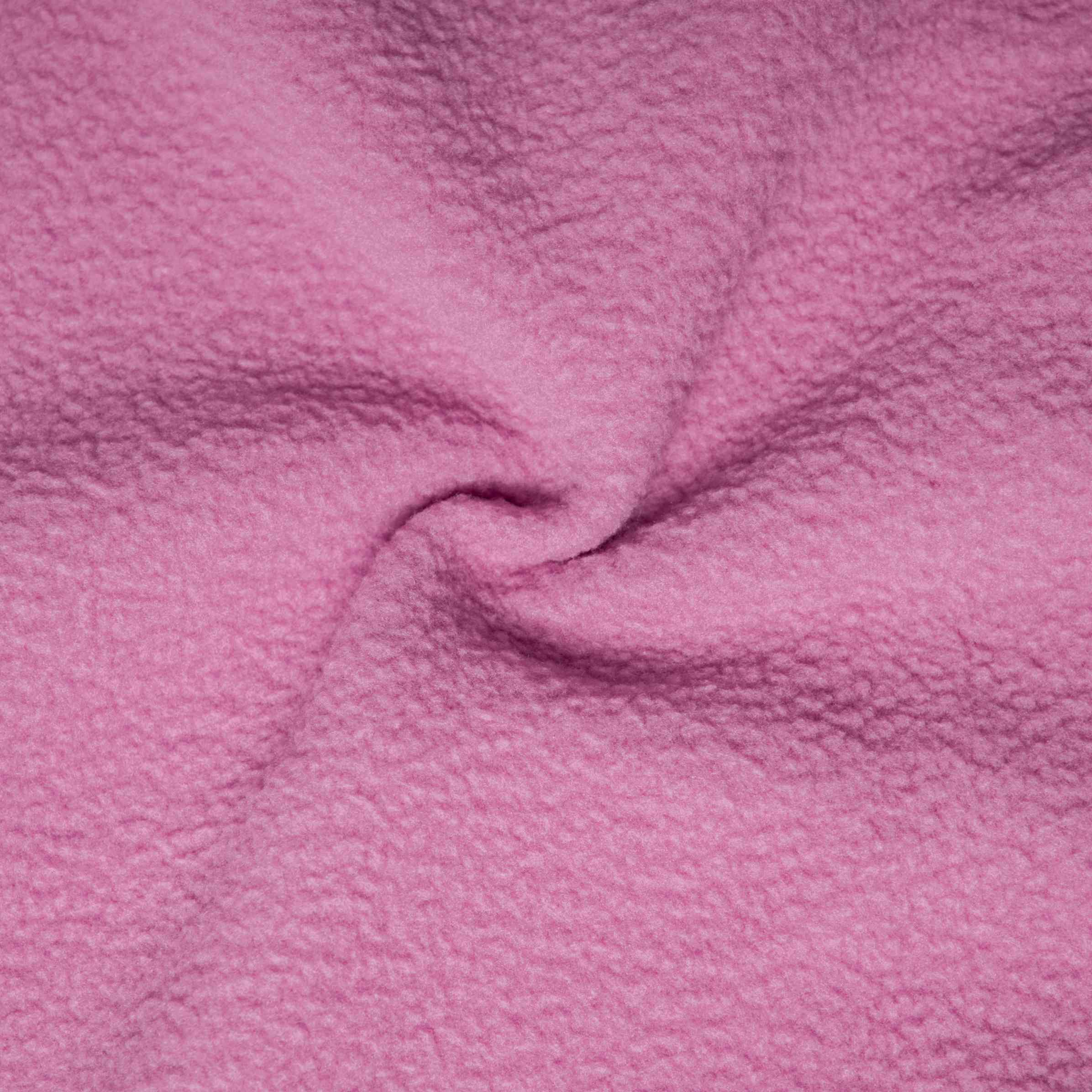
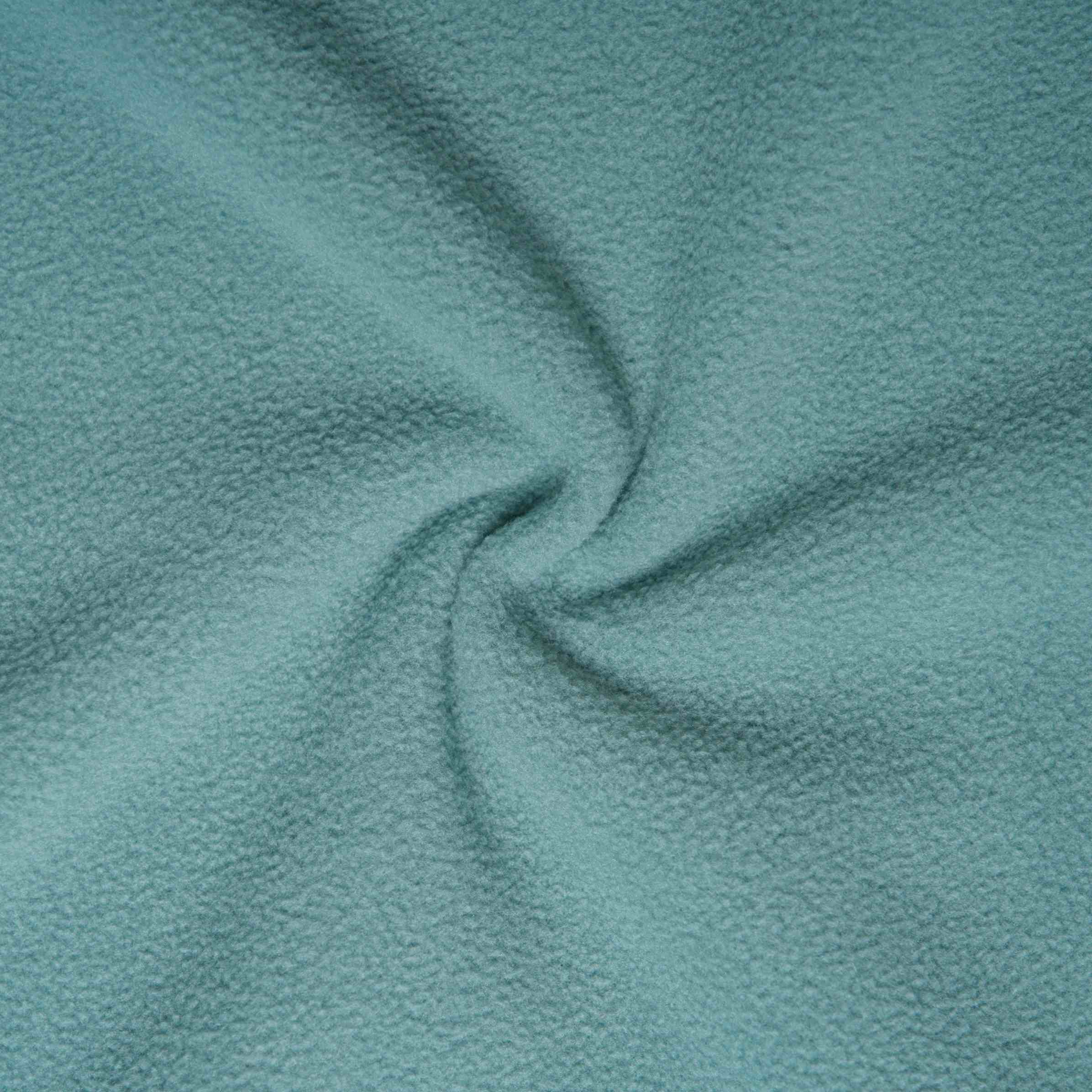
The polar fabric is a man-made synthetic fabric that is primarily composed of polyester fibers. It’s brushed to create a plush, soft nap that resembles the loft of wool. Today, polar fleece is common in outerwear, covers, sportswear, and cold-weather clothing.
Why is polar fleece fabric popular?
Heating, but not overly bright
Quick-drying
Warm and inviting
Affordable
Machine-washable
Adversity-resistant (in higher-quality versions)
Often composed of PET bottles that are recycled, this material has a sustainability attribute.
The polar fleece became well-known for its weather-resistant nature and layering potential.
Warmth Comparison: Wool vs. Polar Fleece Fabric
The temperature of a fabric is increased by its capacity to store heat, regulate moisture, and retain insulation in the presence of wind, humidity, and sweat.
Below is a comprehensive, industry-by-industry comparison.
-
What keeps you warm in dry weather?
In dry cold climates, both fabrics have a strong insulation capacity, but their effectiveness is different due to the design and quality of the fabric.
High-quality wool (primarily Merino) has a higher thermal retention than other fibers because of its natural loft and air-trapping scales.
The polar fabric is designed to replicate the loft and exhibit a similar performance to wool of the same thickness.
Winner in dry cold: Tie – is based on the thickness of the fabric and the type of construction.
The polar fabric’s insulation properties are remarkably similar to wool’s.
-
Which Keeps You Warm When Dry?
This group is of paramount importance to apparel that is outdoors.
Wool continues to be warm even when soaked.
The hydrophilic core of the ball is responsible for absorbing moisture, while the outer layers are still dry to the touch, this continues to trap heat.
The polar fabric is more effective at repelling moisture than it is at absorbing it, as a result, it will dry more quickly.
However, when the fleece is completely flooded, its insulation is lost more quickly than that of wool.
Winner when damp: Wool.
This is why people who practice mountaineering, hiking, and survivalists typically prefer wool over the materials in wet climates.
-
Warmth-to-weight ratio
Outdoor brands that specialize in efficiency regarding warmth are particularly popular for jackets, backpacks, and system layers.
The polar fabric’s high thermal conductivity is primarily responsible for the high warmth-to-weight ratio of polar fleece; this ratio is especially high in the microfelt and thermalfelt categories.
Heavier than wool is wool from sheep, but the Merino breed’s wool has a surprisingly effective temperature regulation for its weight.
Winner of the lightweight insulation material: polar fabric that is Fleece.
-
Wind Resistance
Neither substance is naturally water-resistant.
Wool’s blockage of wind is attributed to the tighter fiber composition.
Polar fabric is often more permeable, which allows wind to pass through unless it is bonded to other fabric or utilized in a dual-layer design.
Winner: Wool (slightly).
However, fleece can be constructed with windproof membranes that enhance its performance in technical clothing.
-
The behavior of layering
Both fabrics are effective at covering the wound. However:
Wool is more effective against the skin directly (as the base layer), this is because it regulates the temperature and prevents odors.
The polar fabric that is fabricated from wool is exceptional as a middle layer; it provides warmth without adding bulk.
Winner: Both — depending on where they are placed in apparel systems.
Moisture Management & Breathability
-
Moisture Absorption and Repellence
Wool is capable of absorbing up to 30% of its weight in water without becoming soaked.
The polar fabric that is absorbent of moisture is also quick to move it out of the way.
This causes fleece to be beneficial for people who participate in intense activity (running, climbing) because it quickly dries.
Wool is beneficial in cold climates because of its temperature-supporting properties and the potential for sweat to cool.
-
통기성
Both fabrics have a well-performing breathing system, but wool is better at adapting to temperature changes.
The wool’s fibers are both open and closed depending on the humidity and body temperature.
The polar fabric that is breathable and maintains consistent airflow lacks the natural regulation of temperature.
Winner: Wool (for its breathability).
Comfort, Texture & Wearability
-
Skin Comfort
Modern Merino wool is wrinkled and lacks itchiness.
The polar fabric is soft, wrinkled, and inviting.
Winner: polar fabric that is soft and feels good (for both comfort and ease).
-
Flexibility & Movement
Fleece is more stretchy than other wool fabrics; this is especially true of activewear.
Winner: A polar fabric that is fleece-like.
Durability & Maintenance
-
Cleaning and Washing
Wool is susceptible to washing with warm water and air-drying.
The polar fabric is washable, quick-drying, and has low maintenance.
Winner: A polar fabric that is fleece-like.
-
Wear the Resistance
Wool is resistant but may become smaller, felt, or lose its shape over time.
Fleece is durable, but it may also pill (in low-quality grades).
Winner: Depends on the quality, but the fleece provides a more durable everyday experience.
Industrial and Commercial Applications of Wool Fabric
-
Outdoor clothing and practical gear
High-end water-resistant, outdoors coats, and wool insulation.
Moisture-wicking properties that are appropriate for use in mountain climbing, hiking, and skiing.
Merino wool is utilized in professional athletic gear.
-
High-end clothing and fashion industries
Business suits, fabric that suits.
formal wear, windbreakers, knitwear
High-end fashion apparel for the autumn/ winter brands.
-
Home and interior design
Cufflinks, fabric sofas, and carpets.
Blankets, wool sleeping bags, cushions
Interior design for hotels and superior housing projects.
-
Industrial insulation and Sound absorption materials
isolasi fabric for industrial devices
Sound-absorbing panels for the construction of buildings.
retardant flannel fabric for hospitals, subways, and public projects.
-
Health and Medical Products
Breathable and antibacterial properties that are appropriate for healthcare protective gear.
Baby and maternity thermal products
High-end medical bandages and natural fiber clothing
Industrial and Commercial Applications of Fleece Fabric
-
Sportswear for Outdoor Activities
Warm coats, fleece coats, and softshell linings
Spring and fall sports equipment for outdoors (hiking, camping, trail running)
Wet-laminated with water-resistant membranes that serve as the softshell fabric’s exterior.
-
Common and Team Supplies
factory, transportation, and storage uniforms
The company’s team coats
School outfits, sports teams’ training outfits
-
Home and Consumer Goods Industry
Blankets, blankets, shawls, sleeping bag accessories
Pet bedding, clothing for pets
Home textiles that are comfortable (pillows, loungewear)
-
Industrial insulation materials
Insulation layers for industrial cold storage packaging
Freeze protection for machinery and other devices
Automotive thermal insulation pads and interior thermal insulation materials
-
Gifts and promotional items industry
promotional towels, custom-designed logotype towels
Corporate merchandise, external event gifts
Fast-moving consumer goods brand marketing efforts (like the fleece scarves)
Which Keeps You Warmer Overall?
Short answer:
In conditions that are wet or highly variable, wool is more temperature sensitive.
In harsh cold weather, active motion, and lightweight pursuits, polar fabric can be as warm as it provides greater mobility and quicker drying.
Elaborate answer:
The temperature of each fabric is influenced by:
Fiber diameter
The creation of clothing
System of layering
Moisture and humidity exposure
Wind and environmental factors
Desired use (casual, recreational, professional)
For the majority of daily use during the winter, high-quality polar fabric that is both comfortable and warm provides a great deal of value.
For the most extreme temperatures or environments that require survival, wool continues to lack a matched counterpart.
Final Verdict: Wool vs. Polar Fleece Fabric
Both fabrics deliver exceptional insulation, but in different ways and for different markets.
| Factor | Wool | 폴라 플리스 원단 |
| Warmth in Dry Cold | ★★★★☆ | ★★★★☆ |
| Warmth When Wet | ★★★★★ | ★★★☆☆ |
| 부드러움 | ★★★★☆ | ★★★★★ |
| 무게 | ★★★☆☆ | ★★★★★ |
| Fast-Drying | ★★★☆☆ | ★★★★★ |
| 내구성 | ★★★★☆ | ★★★★☆ |
| 가격 | 더 높음 | Lower |
| 지속 가능성 | Natural & biodegradable | Recycled (but synthetic) |
| Best Use | Cold, wet, variable climates | Outdoor sports, layering, and daily winter wear |
If your priority is maximum warmth + performance in wet conditions → choose wool.
If your priority is lightweight, softness, affordability, and versatility → choose polar fleece fabric.
결론
The discussion between wool and polar fabric regarding efficiency and weight has no single definitive victor. Instead, the most effective choice is based on the climate, activity level, product expectations, and the target consumer segment.
The wool’s insulation properties provide unparalleled warmth and natural temperature regulation, which is ideal for environments that have a lot of cold or moisture.
The polar fabric that is Fleece has superior warmth with a lower weight and less maintenance; it’s the top choice for activewear, everyday jackets, and general winter attire.
Both fabrics have a strong reputation in the textile industry, and understanding their respective strengths can help brands and manufacturers to create more functional and beautiful products for consumers around the world.