
요약
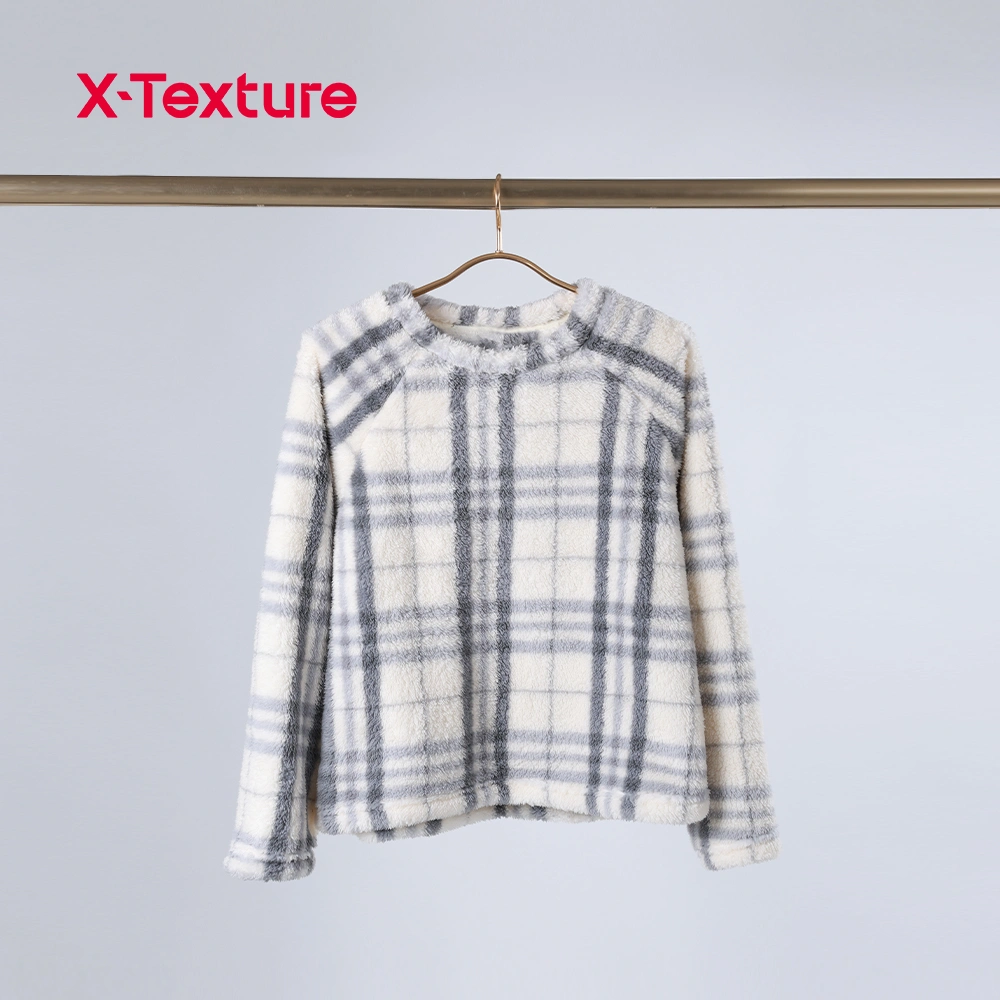
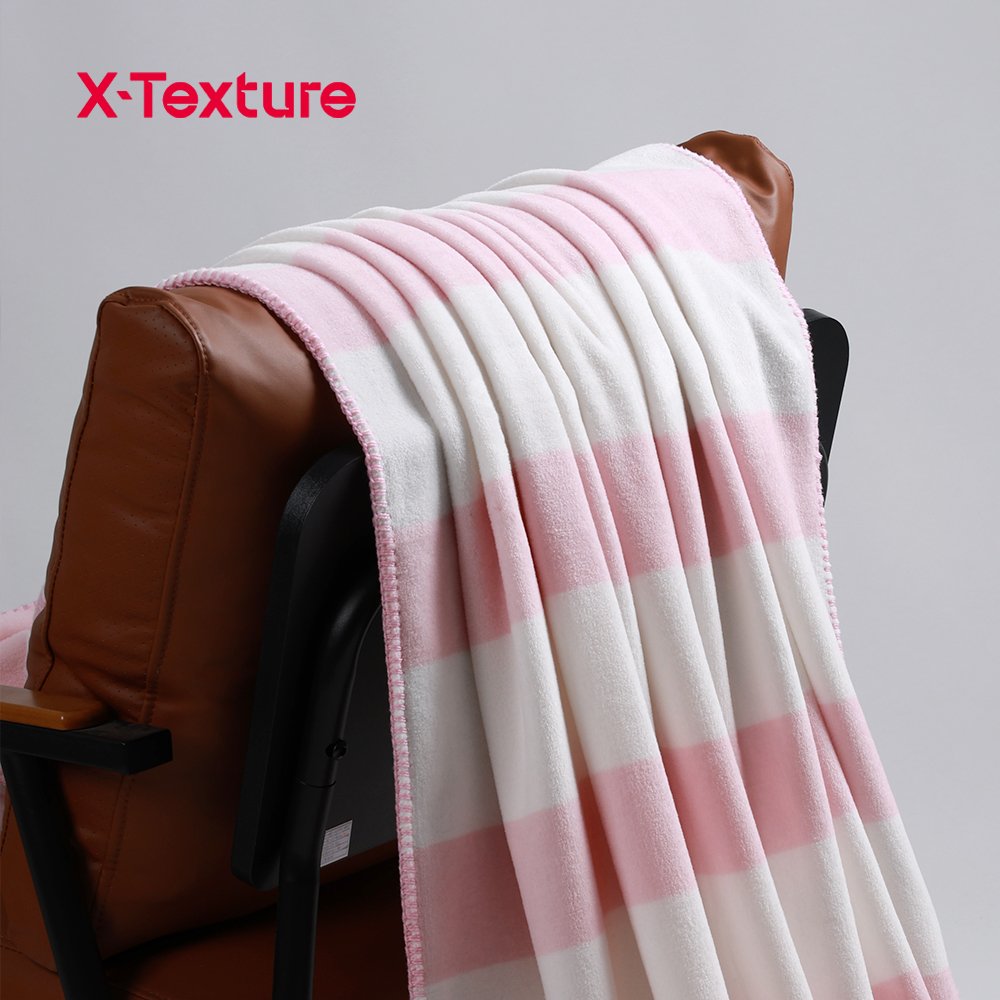
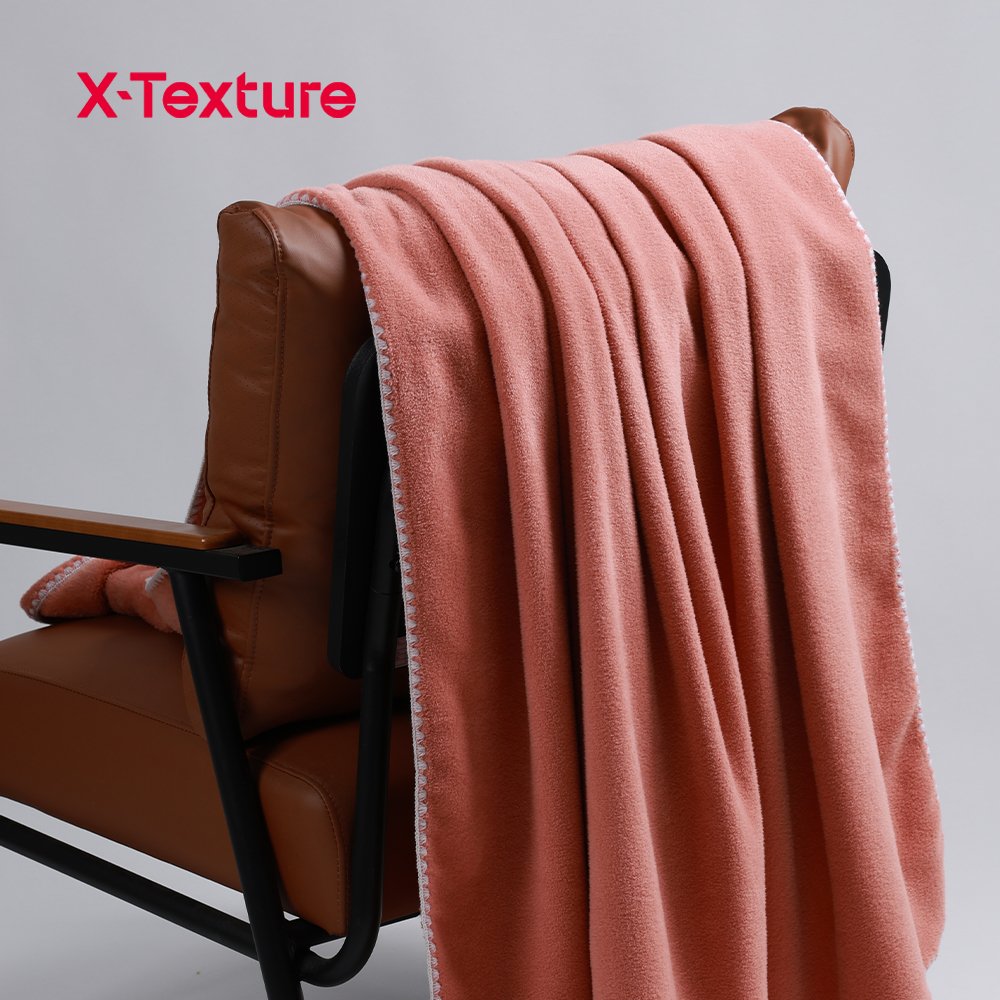
코랄 플리스 원단 is primarily a winter fabric designed to provide warmth and insulation in cold environments. However, lightweight variations can be used in milder or transitional seasons. Studies of its textile structure show that coral fleece, which is typically made from polyester microfibre, features a dense pile that traps air to create effective thermal insulation and reduce heat loss.
Industry sources also confirm that coral fleece is ‘lightweight yet warm’ and is widely used in blankets, robes, and winter clothing due to its soft texture and heat-retaining properties.
In summary, coral fleece fabric is best suited to autumn and winter, but certain lightweight versions can be used in cool summer environments or air-conditioned spaces.
Introduction: Why Seasonal Suitability of Coral Fleece Fabric Matters
In global textile sourcing and product development, it is critical to understand whether a material is suitable for summer or winter use.
- Product positioning
- Inventory planning
- Export market alignment
- Consumer satisfaction
The question ‘Is coral fleece fabric for summer or winter?’ may appear simple, but from a B2B perspective, it involves deeper considerations such as:
- Fabric weight (GSM);
- Fibre density;
- Breathability versus insulation;
- End-use application.
Manufacturers such as X-텍스처 are increasingly developing differentiated coral fleece fabric grades to meet seasonal demand variations across regions, ranging from cold European winters to air-conditioned indoor environments in tropical markets.
What Is Coral Fleece Fabric? (Technical Overview)
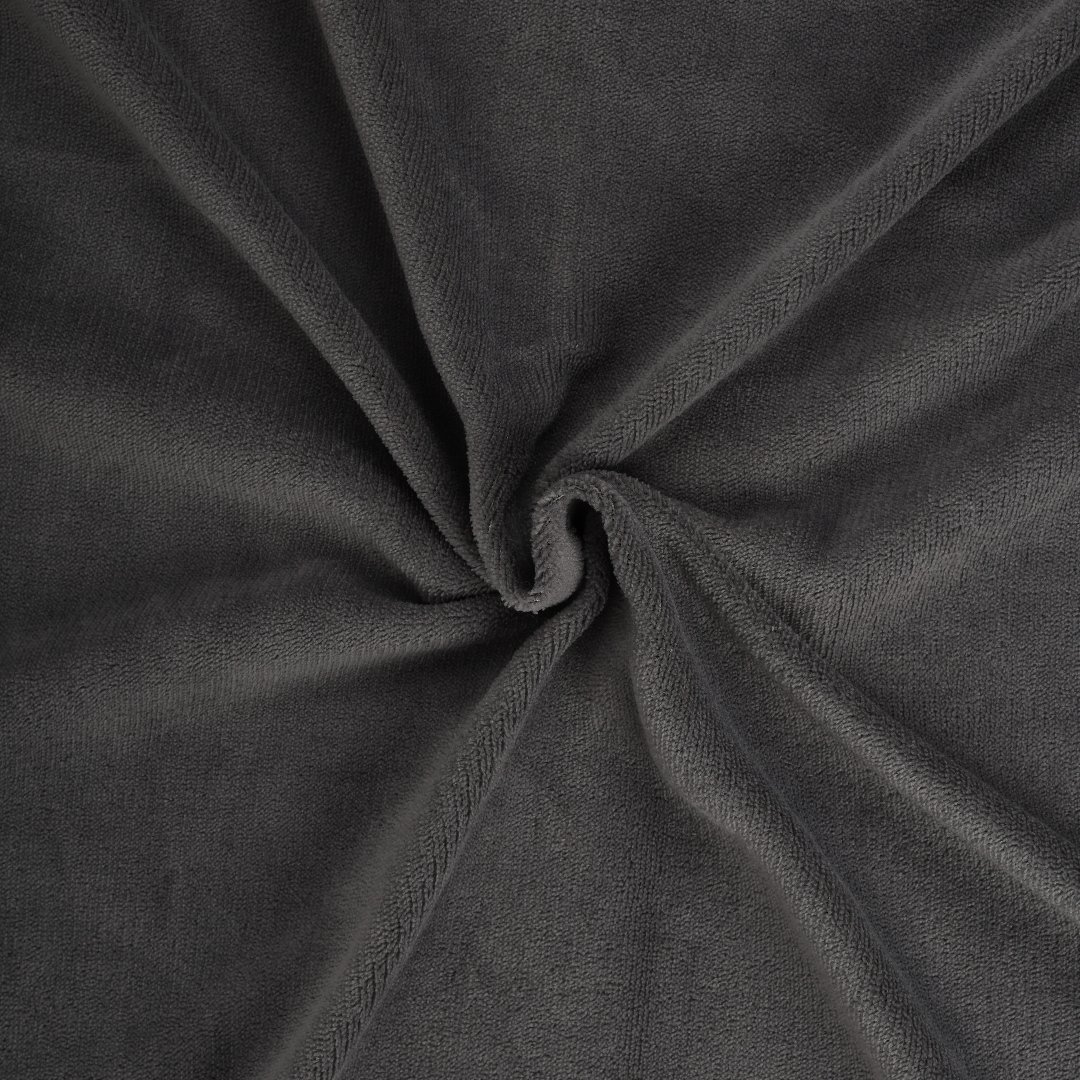
Coral fleece is a synthetic textile made primarily from polyester fibres. It is created by a process of knitting, brushing, and shearing to give it a soft, plush surface.
Structural characteristics:
- Doublesided brushed surface
- Fine microfibre composition
- High-density pile (typically 3–7 mm)
- Velvety, corallike texture
This structure creates air pockets within the fabric, significantly enhancing thermal insulation.
Key properties:
- Exceptional softness
- High warmth-to-weight ratio
- Quick-drying capability
- Lightweight compared to wool
- Nonshedding and wrinkle-resistant
According to industry analysis, coral fleece is warmer than standard fleece while remaining lightweight, making it a popular choice for winter clothing.

Why Coral Fleece Fabric Is Ideal for Winter?
The main reason why coral fleece fabric is associated with winter is its thermal insulation properties.
- Air Trapping Structure:
The dense pile structure traps still air, which acts as a natural insulator. This reduces heat transfer and keeps body warmth close to the skin.
- Warmth without weight
Unlike wool or heavy cotton, coral fleece provides warmth without excessive bulk. This makes it ideal for:
- Winter clothing
- Home textiles (e.g. blankets and throws)
- Baby products
- Moisture management
Coral fleece is hydrophobic (polyester-based), meaning:
- It dries quickly.
- It does not retain moisture.
- It remains warm even in slightly damp conditions.
- Comfort in cold environments
The soft surface reduces skin irritation and enhances comfort, especially for:
- Nightwear
- 라운지웨어
- Bedding
Can Coral Fleece Fabric Be Used in Summer?
Although coral fleece is primarily a winter fabric, it can be used in a few summer scenarios.
- Lightweight coral fleece variants
LowGSM coral fleece (200–260 GSM) offers:
- Reduced thickness
- Improved breathability
- Better suitability for mild climates
- Airconditioned environments
In many regions, summer involves heavy indoor air conditioning. Coral fleece is commonly used for:
- Office blankets
- Travel throws
- Indoor loungewear
- Transitional seasons (spring/autumn)
Coral fleece performs best in:
- Cool evenings
- Early spring
- Late autumn
- Limitations in hot weather
Despite its softness, coral fleece is generally not suitable for hot outdoor conditions in summer because:
- It retains heat
- It is less breathable than cotton or linen
- It can feel too warm in high humidity
Seasonal Suitability Comparison
Table 1: Coral Fleece Fabric Performance by Season
| 계절 | Suitability | Reason |
| Winter | 우수 | High insulation and warmth |
| Autumn | Very Good | Comfortable in cool weather |
| Spring | 보통 | Suitable for cooler days |
| Summer | Limited | Too warm for hot climates |
Coral Fleece vs Other Fabrics (Seasonal Comparison)
Table 2: Coral Fleece vs Alternative Fabrics
| 패브릭 유형 | 따뜻함 | 통기성 | Best Season |
| 코랄 플리스 원단 | 높음 | MediumLow | Winter |
| 면 | Medium | 높음 | Summer |
| Wool | 매우 높음 | Medium | Winter |
| Linen | 낮음 | 매우 높음 | Summer |
| 마이크로플리스 | Medium | Medium | Allseason |
Key Factors That Determine Seasonal Use
Coral fleece is not strictly a ‘winter-only’ fabric; its suitability for different seasons depends on technical parameters such as GSM, pile, and structure, as well as environmental conditions. Understanding these factors helps B2B buyers to position their products correctly in different markets.
- GSM (weight) — the primary seasonal driver
Fabric weight directly determines warmth and seasonal positioning.
Typical ranges:
- 150–200 GSM: summer/air-conditioned environments
- 200–300 GSM: all-season/transitional use
- 300–400+ GSM: winter/cold climates
Industry insight: higher GSM increases thickness and insulation, making the fabric suitable for colder seasons, while lighter GSM supports breathable, warm-weather applications.
- Pile height and density — thermal performance control
The warmth of coral fleece comes from its pile structure.
How it works:
- Dense fibres trap air, providing insulation.
- Higher pile = more air retention = warmer.
Key mechanism:
The fabric creates air pockets that reduce heat loss, which is why it performs well in winter.
Seasonal implications:
- Short pile: spring/summer comfort
- Long, dense pile: winter warmth
- Breathability vs. heat retention balance
Coral fleece is both insulating and breathable, but balance matters.
Good breathability prevents overheating, but excess density can trap too much heat.
Insight:
Well-engineered coral fleece allows moisture to escape while maintaining warmth, making midweight versions suitable for year-round use.
- Product Application Scenario
Seasonality depends heavily on end use:
| 애플리케이션 | Recommended GSM | 계절 |
| Blankets (home) | 250–400 GSM | Winter |
| Loungewear/robes | 180–300 GSM | Allseason |
| Baby products | 180–250 GSM | Yearround |
| Promotional items | 150–220 GSM | Summer / mild |
Insight:
Same fabric type → different seasonal positioning depending on product design.
- Climate & Regional Market Differences
Cold regions → demand for high GSM fleece
Tropical markets → lightweight fleece for AC environments
Example:
Southeast Asia demand focuses on lightweight coral fleece for indoor cooling environments, not winter use.
- Layering Strategy in Apparel
Coral fleece is often used as:
- Midlayer (moderate GSM)
- Outer layer (high GSM)
- Lining (lightweight fleece)
Insight:
Its versatility makes it suitable across seasons when used in layered garment systems.
Industry Applications of Coral Fleece Fabric
Coral fleece is widely used across multiple industries:
- 의류
- 잠옷
- Hoodies
- Robes
- 홈 섬유
- 담요
- Throws
- Bedding
- 유아용 제품
- 아기 담요
- Infant clothing
- Automotive & Accessories
- Seat covers
- Cushion fabrics
Manufacturers like X-Texture provide tailored coral fleece fabric solutions for these applications, offering customization in GSM, color, and finishing processes.
B2B Buying Guide: Choosing the Right Coral Fleece Fabric
Coral fleece fabric, a type of ultrasoft polyester microfibre knit, is widely used in blankets, loungewear, baby products, and home textiles. For B2B buyers, choosing the right specifications is important for more than just softness; it also affects cost, durability, compliance, and how the end product is positioned.
Understanding the basics of coral fleece fabric
Coral fleece is typically made from 100% polyester microfibre and is known for:
- Soft, plush texture
- Strong warmth retention
- Lightweight structure
- Good dyeing performance
Key insight:
Different production parameters (pile height, density, and yarn fineness) can significantly affect quality and price.
Key Technical Specifications to Evaluate
① GSM (Grams per Square Meter)
GSM determines thickness, weight, and perceived quality.
| GSM Range | 애플리케이션 | Market Position |
| 150–200 GSM | Lightweight blankets, apparel | Low–mid |
| 200–300 GSM | Standard blankets, robes | Mid |
| 300–450 GSM | Premium plush blankets | Highend |
Tip:
Higher GSM = softer & warmer, but also higher cost.
② Pile Height & Density
Short pile → smoother, less shedding
Long pile → softer, more luxurious feel
Balance needed:
Too long = matting risk
Too short = reduced softness
③ Yarn Quality (Microfiber Grade)
Higher-quality microfiber means:
Better softness
Less pilling
Improved durability
Ask suppliers:
Yarn denier (e.g., 75D/144F)
Fiber origin (virgin vs recycled polyester)
Dyeing and finishing quality
The colour and finish of a product directly affect its value.
Key checks:
- Colour fastness (washing and rubbing)
- Even dye penetration
- Antistatic finishing
- Antipilling treatment
Tip:
Poor dyeing quality can lead to fading and customer complaints.
Functional addons (value differentiation)
Modern coral fleece can include:
- Antibacterial treatment
- Flame retardant properties
- Eco-friendly dyeing
- Embossing or printing
Insight:
Functional finishes can make you more competitive in premium markets.
Applicationbased selection guide
- Home textiles (blankets, throws): 250–350 GSM, soft, long pile, antipilling finish
- Apparel (sleepwear, robes): 180–280 GSM, breathable, lightweight, skin-friendly finishing
- Baby products: ultrasoft microfibre, certified safe materials, hypoallergenic treatment
- Promotional/low-cost products: 150–220 GSM, standard microfibre, focus on cost control
Compliance and certification requirements
For international markets, compliance is critical.
Common certifications:
- OEKOTEX® Standard 100
- REACH compliance (EU)
- CPSIA (US for children’s products)
Insight:
Certification is often a market entry requirement, not optional.
Supply Chain and Manufacturing Considerations
When evaluating suppliers, consider the following:
- Production capacity
- 리드 타임 신뢰성
- MOQ 유연성
- 품질 일관성
Tip:
A stable supply chain means fewer delays and better inventory control.
Cost Structure Breakdown
Typical cost components:
- Raw material (polyester fibre)
- Knitting and finishing
- 염색
- Packaging and logistics
Insight:
Price differences often come from material quality and finishing level, not just GSM.
Common B2B buying mistakes
Avoid these frequent issues:
- Choosing based on price only
- Ignoring pilling and shedding performance
- Overlooking certification requirements
- Not testing bulk samples
솔루션:
Always request:
- Lab test reports
- Preproduction samples
- Bulk consistency guarantees
Future Trends in Coral Fleece Fabric
The coral fleece industry is evolving beyond basic softness, focusing instead on performance, sustainability, and product differentiation.
- Lightweight performance fleece (all-season demand)
Future development is shifting towards:
- Lower GSM with improved warmth efficiency
- Enhanced breathability
- Better moisture management
Direction:
‘Lightweight but warm’ fabrics will dominate global markets.
Functional finishes and smart textiles
Manufacturers are adding value through:
- Antibacterial treatments
- Antistatic technology
- Flame-retardant finishes
- Moisture-wicking coatings
Impact:
Coral fleece moves from comfort fabric to functional textile.
- Sustainable and recycled polyester
Environmental pressure is reshaping sourcing.
Trends:
- Recycled PET fibre (rPET)
- Low-impact dyeing processes
- Reduced microfibre shedding
Insight:
Sustainability is becoming a key procurement requirement for B2B buyers.
- Antipilling and durability upgrades
Future fabrics will focus on lifecycle performance:
- Improved fibre bonding
- Enhanced abrasion resistance
- Long-term softness retention
Reason:
Pilling and flattening remain key customer complaints.
- Premiumisation of coral fleece
The market is splitting into tiers:
- Lowend: price-driven and promotional use
- Midrange: standard home textiles
- High-end: luxury plush and branded products
Premium features:
- Higher pile uniformity
- Better hand feel recovery
- Advanced finishing processes
- Design and aesthetic innovation
Coral fleece is becoming more visually diverse:
- Embossed textures
- Jacquard patterns
- 디지털 인쇄
Trend:
Transition from ‘basic blanket fabric’ to design-driven consumer product
- Integration with smart and hybrid products
Emerging applications include:
- Heated blankets
- AI plush toys
- Multilayer hybrid fabrics (coral fleece + sherpa)
Insight:
Coral fleece is increasingly being used as a comfort interface layer in smart products.
FAQ: Coral Fleece Fabric
- Is coral fleece fabric good for summer?
Not typically. It is better suited for cooler environments or air-conditioned spaces.
- Why is coral fleece warm?
Because its dense fiber structure traps air, providing insulation.
- Can coral fleece be used year-round?
Yes, but mainly indoors or in cooler climates.
- What is coral fleece made of?
Mostly polyester microfiber.
- Is coral fleece breathable?
Moderately breathable, but less breathable than cotton or linen.
- What products use coral fleece fabric?
Blankets, pajamas, baby products, and winter clothing.
결론
So, is coral fleece fabric for summer or winter?
The answer is clear:
- Primarily winter, due to its insulating properties and warmth
- Secondary use in transitional seasons (spring and autumn)
- Limited summer use, mainly indoors or for lightweight versions
For B2B buyers and manufacturers, understanding these distinctions is essential for product positioning and market success. Companies like X-Texture are leading the way in developing adaptable coral fleece fabric solutions that meet diverse global demands.