
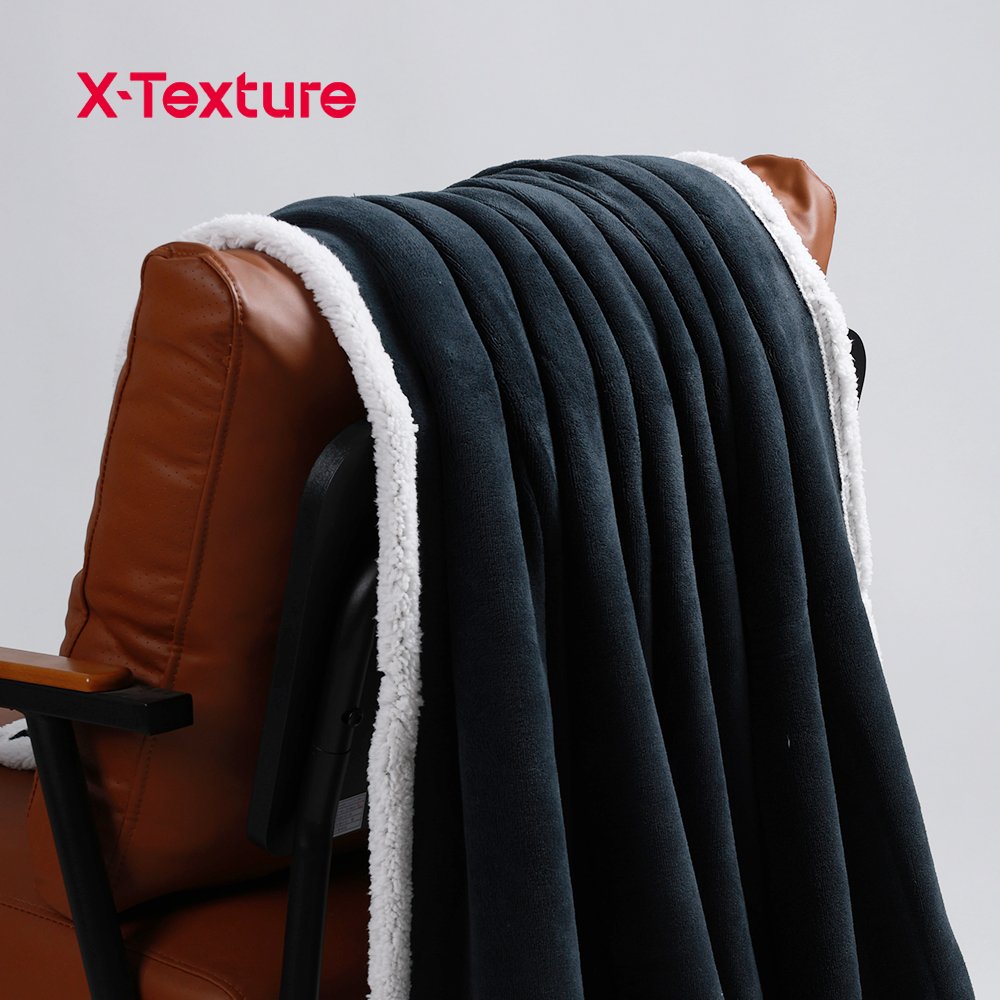
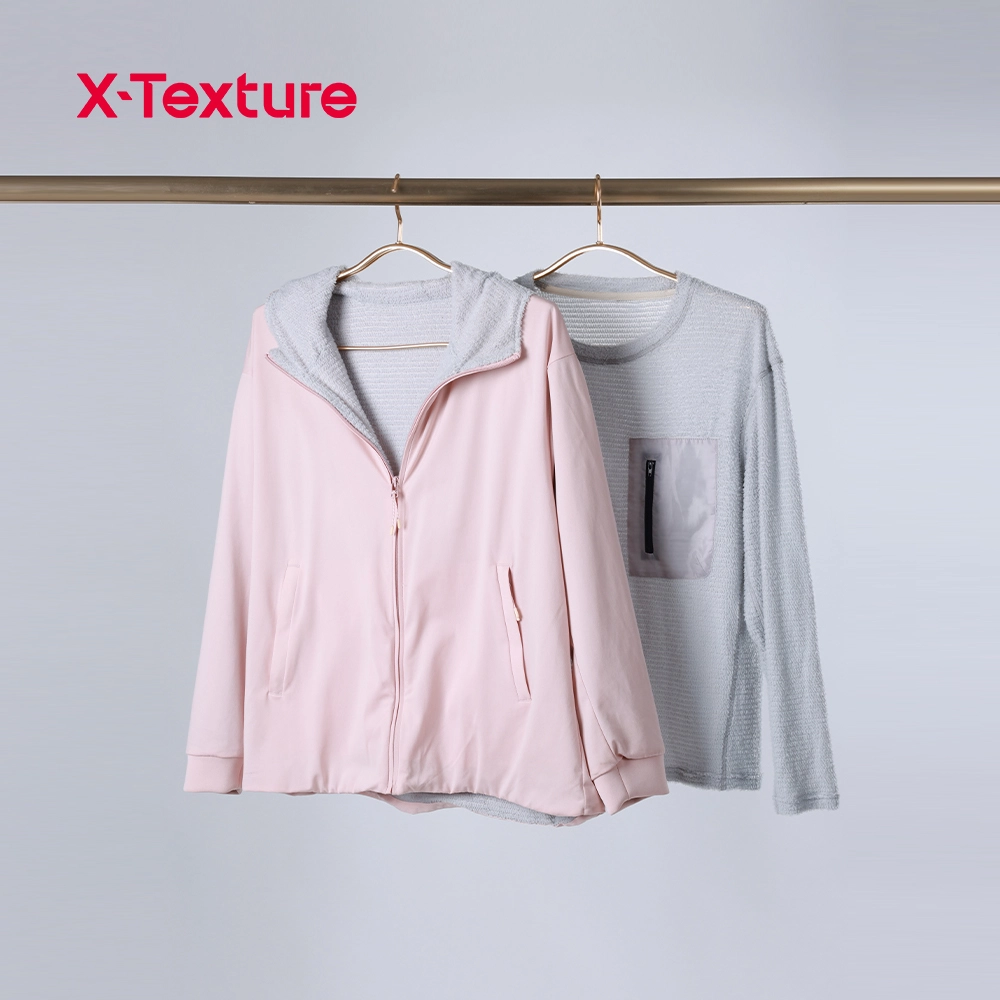
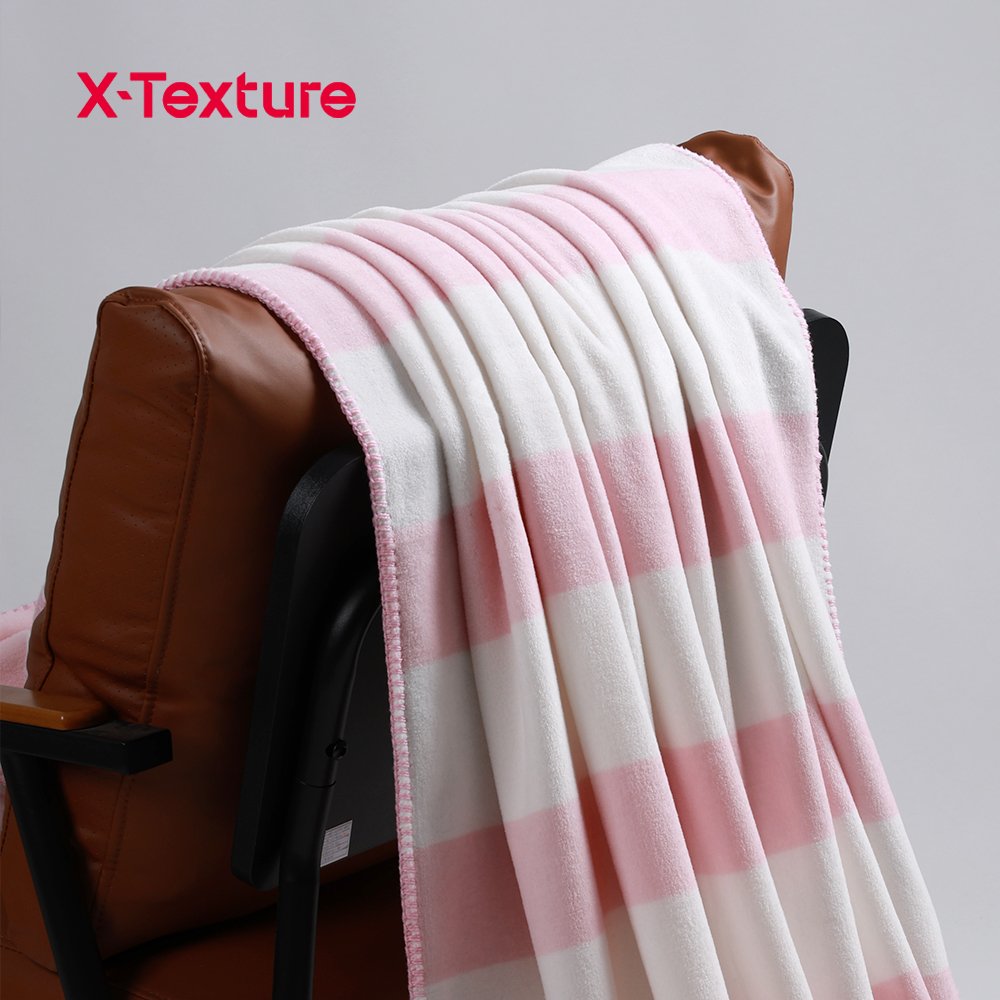
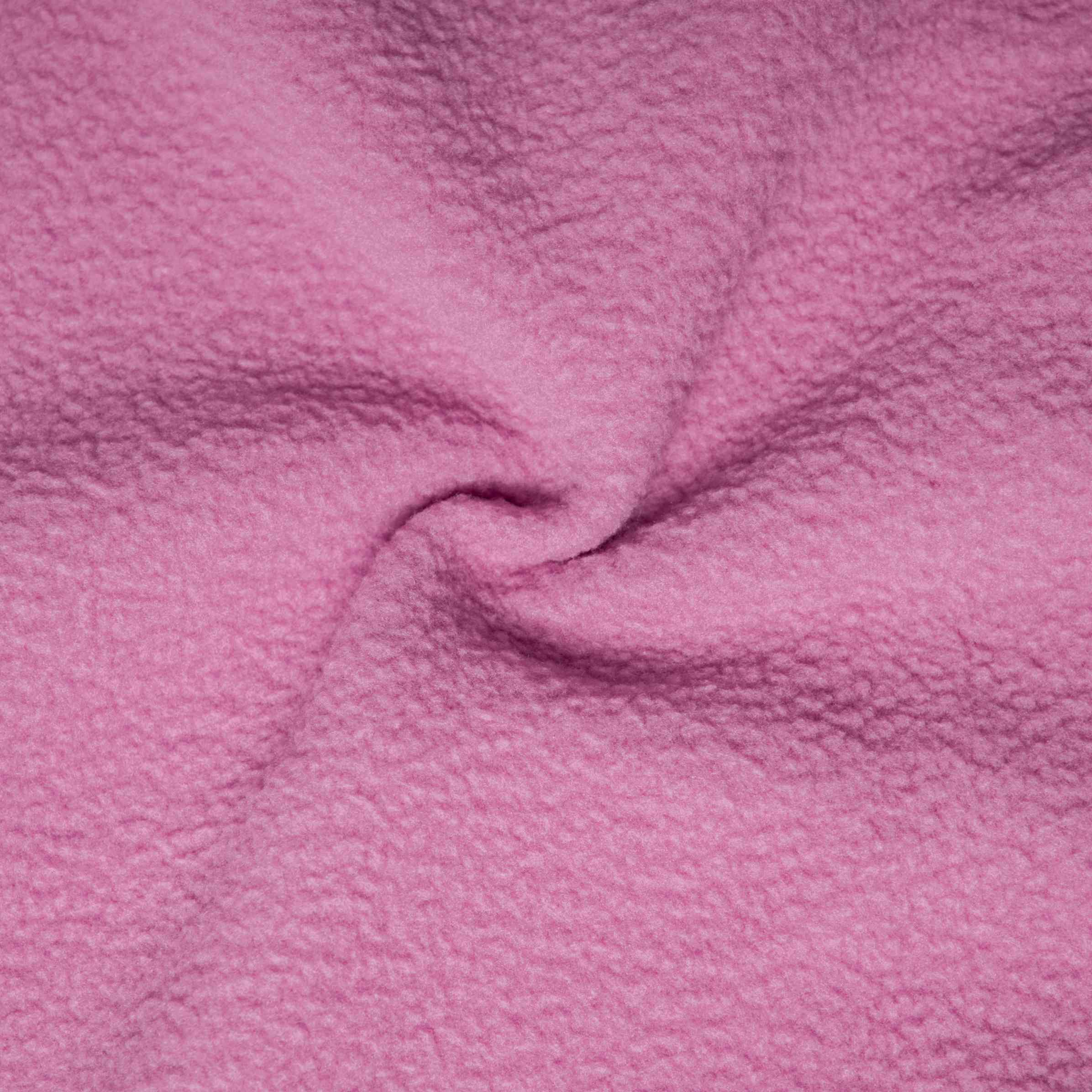
폴라플리스 is a soft synthetic textile primarily made from polyester fibres. It is designed to provide lightweight insulation, moisture resistance, breathability, and thermal efficiency, offering an alternative to traditional wool that is not as heavy.
According to textile engineering research and fabric performance studies, polar fleece has become one of the most commercially successful fabrics for cold weather because it retains heat, dries quickly, is durable, and is affordable for use in clothing, outdoor gear, blankets, and industrial textiles.
Furthermore, modern textile studies show that fleece fabrics are continuing to evolve through recycled polyester technologies, antipilling treatments, and advanced thermal engineering, improving their sustainability and comfort performance.
Understanding Polar Fleece Fabric: Origins, Structure, and Modern Importance
Polar fleece fabric is a category of synthetic knit textiles designed to mimic the insulating properties of wool, while offering improved softness, lightness, ease of maintenance, and faster drying times. Since its commercial introduction in the late 20th century, polar fleece has become one of the most widely used fabrics for outdoor apparel, winter clothing, sportswear, home textiles, industrial insulation products, and performance garments.
While many consumers use the term ‘fleece’ casually to describe all soft winter fabrics, polar fleece actually represents a specific engineered textile construction rather than a generic fabric category. It is typically manufactured from polyester fibres that undergo knitting, brushing and finishing processes to create a raised, soft pile that can trap warm air while remaining breathable and lightweight.
The popularity of polar fleece fabric increased rapidly because it overcame many of the limitations associated with traditional wool. While wool offers excellent insulation, it can also be heavy, expensive, difficult to maintain, slow-drying, and irritating for sensitive skin. Polar fleece provides a modern alternative that delivers warmth without these drawbacks.
Today, polar fleece is used across numerous industries because it balances thermal insulation, flexibility, durability, moisture management, lightweight comfort, and manufacturing scalability.
The global rise of outdoor recreation, activewear, athleisure fashion, and technical apparel has further accelerated demand for fleece-based textiles.
Modern textile manufacturers now produce numerous fleece variations optimised for mountaineering, military clothing, fashion apparel, athletic wear, industrial uniforms, blankets, pet products, furniture applications, and insulation systems.
Understanding what polar fleece fabric actually is requires examining both its fibre composition and engineered fabric structure.
What Is Polar Fleece Fabric Made Of?
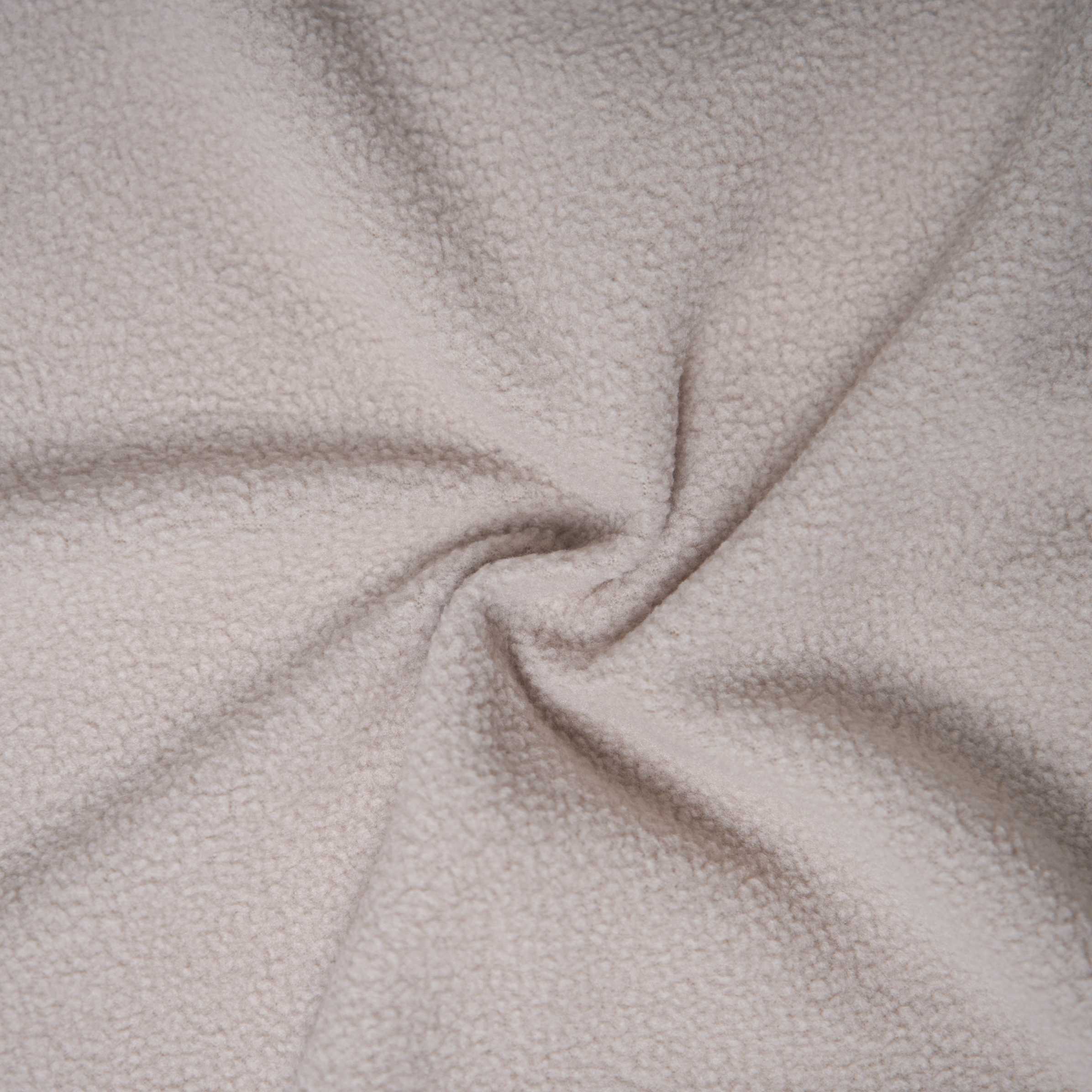
Polar fleece fabric is primarily made from polyester, a synthetic polymer fibre derived from petroleum-based chemical processes. Most fleece fabrics use polyethylene terephthalate (PET), a polymer commonly found in plastic bottles and industrial textiles.
The manufacturing process begins with polyester fibre extrusion. These fibres are then spun into yarns and knitted into lightweight fabric structures. After knitting, the fabric undergoes specialised brushing and finishing treatments that raise the fine fibres to create the soft, insulating texture associated with fleece.
This brushing process is important because it creates tiny air pockets throughout the fabric. These air pockets improve thermal insulation while maintaining the fabric’s lightweight flexibility.
Below is a simplified breakdown of polar fleece composition:
| Fabric Component | 기능 |
| Polyester Fibers | Structural base material |
| Brushed Surface | Creates softness and insulation |
| Knit Construction | Provides flexibility and breathability |
| Air Pockets | Retain body heat |
| Finishing Treatments | Improve durability and texture |
Some modern polar fleece fabrics also incorporate the following:
- Recycled polyester
- Spandex blends
- Antistatic treatments
- Antipilling coatings
- Moisture-wicking finishes
- Flame retardant additives
One reason why polar fleece has become so commercially dominant is its manufacturing efficiency. Compared with natural fibres, polyester production allows for highly scalable industrial fabrication with relatively consistent quality control.
Additionally, polyester fleece can be engineered to offer multiple performance levels, ranging from ultralight athletic fleece to heavy thermal insulation materials.
How is Polar Fleece Fabric Manufactured?
The production of polar fleece fabric involves several stages of textile engineering. Although the exact process varies between manufacturers, modern production generally includes the following steps:
- Polymer preparation;
- Fibre extrusion;
- Yarn spinning;
- Knitting;
- Brushing;
- Shearing;
- Dyeing;
- Finishing.
Each step significantly affects the final fabric performance.
- Fibre extrusion
Polyester polymers are melted and extruded through spinnerets to form synthetic fibres.
- Yarn formation
The fibres are spun into yarns suitable for knitting operations.
- Knitting process
Unlike woven fabrics, fleece is usually knitted. Knitted structures provide stretch, flexibility, softness, comfort, and breathability.
- Brushing
Mechanical brushes raise tiny fibres from the fabric surface.
This step creates insulation, softness, loft, and warmth retention.
- 시어링
The fabric surface is trimmed evenly to create a consistent texture.
- Dyeing and finishing
Chemical and mechanical finishing treatments improve colour stability, antipilling performance, moisture management and durability.
Modern textile engineering increasingly focuses on sustainable manufacturing. Many fleece producers now use recycled PET plastic bottles to make recycled polyester fleece.
This sustainability trend is becoming increasingly important as environmental concerns about synthetic textiles and microfibre pollution continue to grow globally.
Why Is Polar Fleece Fabric So Popular?
Polar fleece fabric became globally successful because it combines several highly desirable performance characteristics in a relatively affordable textile.
The following table explains its major advantages:
| Property | Benefit |
| 경량 | Comfortable for layering |
| Thermal Insulation | Retains body heat efficiently |
| Fast Drying | Suitable for outdoor activities |
| Soft Texture | Comfortable against skin |
| 통기성 | Reduces overheating |
| 내구성 | Resists wear and abrasion |
| 손쉬운 관리 | Machine washable |
| Cost Efficiency | Affordable large-scale production |
One of the greatest strengths of fleece is its warmth-to-weight ratio. Polar fleece effectively traps warm air without the density associated with wool or thick cotton fabrics.
This makes it a popular choice for hiking jackets, winter pullovers, thermal linings, sportswear, blankets, and outdoor uniforms.
Another major advantage is its moisture-wicking properties. Unlike cotton, which absorbs water heavily and dries slowly, polyester fleece dries relatively quickly because polyester fibres absorb minimal moisture.
This property makes fleece highly useful for outdoor recreation, athletic wear, camping equipment, and cold-weather layering systems.
Modern fashion trends have also increased the popularity of fleece. Oversized fleece jackets, Sherpa-inspired textures, and retro outdoor aesthetics have become major fashion influences in recent years.
Different Types of Polar Fleece Fabric
Many consumers assume that all fleece fabrics are the same, but the category actually includes several specialised types designed for different purposes.
- 마이크로플리스
Microfleece is lightweight and thin.
Main features:
- Excellent layering capability
- Soft texture
- Breathable comfort
Best for:
- Athletic wear
- Lightweight jackets
- Base layers
- Midweight polar fleece
This is the most common general-purpose fleece.
Applications: hoodies, pullovers, blankets, casual outerwear
- Heavyweight fleece
Heavyweight fleece offers stronger thermal insulation.
It is used in:
- Winter jackets
- Outdoor workwear
- Cold-weather gear
- Sherpa fleece mimics the appearance of wool or sheep’s fleece.
Popular uses:
- Fashion jackets
- 담요
- Lining materials
- Antipill fleece undergoes treatments that reduce fibre ball formation after washing.
- Performance fleece
Technical fleece fabrics may include:
- Moisture management
- Stretch engineering
- Wind resistance
- Odour control
- UV protection
Below is a comparison table:
| Fleece Type | 무게 | Main Use |
| 마이크로플리스 | 빛 | Layering |
| Midweight Fleece | Medium | Everyday apparel |
| Heavyweight Fleece | 무거운 | Winter insulation |
| 셰르파 플리스 | Thick textured | Fashion and lining |
| Performance Fleece | Variable | Sportswear |
Understanding these distinctions helps consumers select the correct fleece for specific environmental and performance requirements.
Polar Fleece vs Other Fabrics
Consumers frequently compare polar fleece fabric with:
- Wool
- 면
- 플란넬
- 마이크로 화이버
- 셰르파
- Softshell fabrics
Each material offers different strengths and weaknesses.
Polar Fleece vs Wool
| 기능 | 폴라 플리스 | Wool |
| 무게 | 경량 | Heavier |
| Drying Speed | Fast | Slow |
| Moisture Absorption | 낮음 | 보통 |
| Maintenance | Easy | More delicate |
| 따뜻함 | 우수 | 우수 |
| 비용 | Lower | 더 높음 |
Although wool still offers natural insulation advantages, fleece provides easier maintenance and is more cost-effective.
Polar fleece vs cotton
Cotton feels breathable and natural, but it performs poorly in wet, cold environments because it retains moisture.
Fleece dries faster, insulates better when damp, and weighs less.
Polar fleece vs flannel
Flannel fleece is usually a brushed cotton or wool fabric, while fleece is a synthetic polyester knit designed for insulation.
Polar fleece vs. Sherpa: Sherpa is often technically a variation of fleece with a thicker pile and a wool-like texture.
These comparisons explain why polar fleece remains dominant in the performance apparel market.
Common Applications of Polar Fleece Fabric
Polar fleece fabric is now used in many industries beyond clothing.
In the apparel industry, the most common uses include hoodies, jackets, pullovers, sweatpants, hats, and gloves.
In the outdoor equipment industry, fleece is used for sleeping bag liners, hiking insulation, camping blankets, and thermal accessories.
In the home textiles industry, fleece blankets remain popular due to their softness and affordability.
Industrial applications
Some industries use fleece in insulation systems, protective workwear, and thermal liners.
Pet products
Fleece is widely used in pet bedding, blankets, and jackets.
Healthcare textiles
Certain medical and comfort support products also use fleece materials.
The flexibility of fleece manufacturing allows for its broad adaptation across industries.
Environmental Concerns and Sustainability Challenges
Although polar fleece offers excellent performance, it raises environmental concerns because it is made from polyester, which is a petroleum-based material that sheds synthetic microfibres when washed.
Microfibre pollution is one of the most widely discussed sustainability challenges in the production of synthetic textiles.
These concerns include ocean pollution, microplastic contamination, fossil fuel dependency, and textile waste accumulation. However, the industry is actively developing solutions, such as:
- Recycled polyester fleece
- Biodegradable synthetic fibres
- Microfibre filtration systems
- Lower-emission manufacturing
- Circular textile recycling
Many modern fleece garments now use recycled PET bottles as raw materials.
Modern sustainability initiatives include recycled polyester fleece, biodegradable synthetic fibres, microfibre filtration systems, lower-emission manufacturing and circular textile recycling.
Many modern fleece garments now use recycled PET bottles as raw materials.
This reduces landfill waste, virgin petroleum consumption, and carbon emissions.
Sustainable textile engineering will likely have a significant impact on the future development of polar fleece fabrics.
How to Care for Polar Fleece Fabric?
Proper maintenance improves the lifespan and appearance of fleece.
Washing guidelines
Recommended practices:
- Cold water washing
- Gentle cycles
- Mild detergents
Avoid:
- 과도한 열
- Fabric softeners
- Harsh bleaching agents
건조
Air drying is preferred when possible.
High heat may damage fibres or reduce softness.
Storage: Store fleece in a dry environment, away from excessive moisture.
To prevent pilling, turn garments inside out during washing to reduce abrasion.
Antipill fleece fabrics generally perform better over time.
Good maintenance preserves softness, insulation, appearance, and durability.
FAQ About Polar Fleece Fabric
- 폴라플리스는 어떤 종류의 원단인가요?
Polar fleece is a synthetic knit fabric primarily made from polyester fibers engineered for softness, warmth, and lightweight insulation.
- Is polar fleece warm?
Yes. Polar fleece provides excellent thermal insulation because its brushed surface traps warm air effectively.
- Is polar fleece waterproof?
No. Standard polar fleece is not waterproof, but it dries quickly and retains some insulation even when damp.
- What is the difference between fleece and polar fleece?
Polar fleece is a specific type of synthetic fleece fabric originally engineered for thermal performance, while “fleece” is a broader category.
- Does polar fleece shrink?
Polyester fleece generally resists shrinking better than natural fabrics, though excessive heat can still damage fibers.
- Is polar fleece environmentally friendly?
Traditional fleece has environmental concerns related to synthetic microfiber pollution, but recycled fleece technologies are improving sustainability.
결론
Polar fleece fabric is one of the most important synthetic textiles of the modern era because it successfully combines warmth, softness, lightness, comfort, durability, affordability, and ease of maintenance in a highly versatile fabric. Originally developed as an alternative to wool, fleece has evolved into a globally dominant textile used in apparel, outdoor gear, home furnishings, industrial products, and technical performance clothing.
Its popularity largely stems from its engineered structure. The brushed polyester knit construction creates insulating air pockets while maintaining breathability and flexibility, enabling fleece garments to provide excellent thermal performance without being heavy.
While environmental concerns about synthetic microfibre pollution continue to influence textile development, ongoing advances in recycled polyester production, sustainable textile engineering, and fabric recycling technologies are helping to improve the sustainability of fleece manufacturing in the future.
With the continued growth of outdoor recreation, activewear culture, technical apparel, and comfort-focused fashion worldwide, polar fleece fabric is expected to remain one of the most influential and commercially important textile materials in the global fabric industry.