

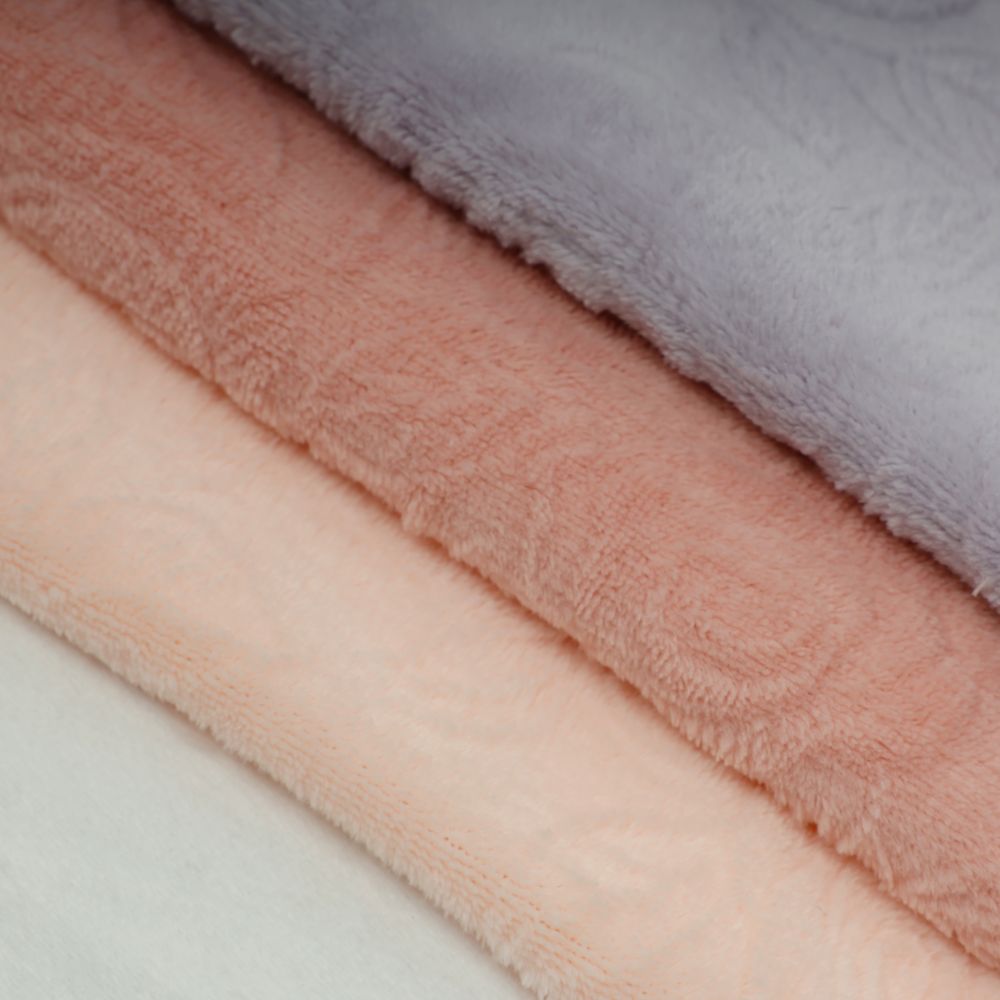
Increasing global demand for cold-weather apparel across outdoor, lifestyle, workwear, and performance segments has also brought with it a new wave of expectations on thermal comfort. It is no longer just warmth. Consumers, brands, and designers are now on the hunt for highly functional fabrics that can do a lot more in managing heat actively, adapting to changing conditions, and delivering comfort without bulk or energy consumption. S-warm Tec self-heating fabric has caught increasing attention as a next-generation solution in thermal textiles.
Evaluation of a self-heating fabric goes beyond simple checks on its insulation values or in whatever marketing claims are made about it. The real question is how such a fabric performs in actual cold-weather apparel applications, how it compares to traditional thermal materials, and whether it aligns with modern requirements for comfort, sustainability, and durability. This, therefore, forms the basis of this article that aims at providing an understanding/practical insight into/how S-warm Tec Self-heating Fabric should be evaluated from someone involved(apparel developer,sourcer, or material selector)in the selection process.
Understanding the Shift in Cold-Weather Apparel Requirements
From Passive Insulation to Active Thermal Management
Conventional cold-weather clothing depends largely on passive insulation. Insulating materials function by trapping air to prevent heat loss; these may include fleece, down, and synthetic fill materials. However, “in reality, such ‘adaptive’ behavior is very limited and insufficient under varying activity or environmental conditions.” The real problem here is overcooling during a period of rest after some intensive motion has taken place inside the clothes.
This is a move toward more intelligent thermal behavior, not simply heat-retentive fabrics but textiles that interact with moisture, air, or any body-generated energy and enhance warmth dynamically. S-warm Tec self-heating fabric can be best understood within this broader change of the mode in which warmth has been delivered and is now managed in apparel systems.
Rising Consumer Expectations for Comfort and Functionality
Today’s consumer wants his cold-weather apparel to be light, soft, and flexible. He also wants it to keep him warm. Heavy clothing that restricts movement is no longer accepted in urban outdoor wear, athleisure, or functional, fashionable clothing. The trend has left a bigger challenge for the fabric developer and less reliance on garment construction.
That means checking if S-warm Tec self-heating fabric allows clothes to be made light while still keeping them warm. It also becomes important how the fabric works as a part of some layered system.
Evaluating Thermal Performance Beyond Basic Warmth
Heat Generation and Retention Mechanisms
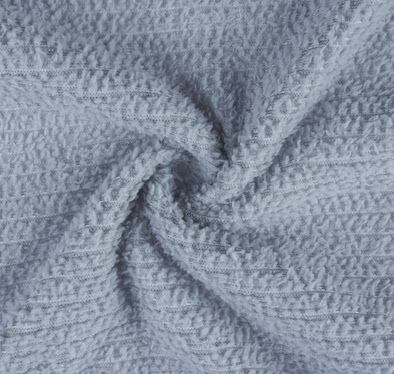
This evaluation shall begin by determining what mode or mechanism is to be associated with the S-warm Tec self-heating fabric. Insulation, conventional in the sense that it only slows down heat loss from a body, cannot really be termed as ‘self-heating.’ In most products marketed under this description today, fiber construction and surface treatment play very important roles; treatments enable them to convert either moisture energy or body energy into heat.
Suitability for cold-weather apparel can be determined by asking how long it takes to initiate warmth, how heat is distributed within the fabric, and whether that effect remains constant with time. Inconsistency in a heating textile would make it uncomfortable or less wearable.
Performance in Dynamic Conditions
Cold-weather clothing is hardly ever worn or used in a static situation. One always walks, climbs, or commutes and works outside, with changes taking place in the level of activity. Therefore, to properly evaluate S-warm Tec self-heating fabric, there has to be an understanding of how it responds to movement, perspiration, and fluctuating temperatures.
An efficient self-heating fabric should help to maintain thermal balance, not just add more warmth. If heat accumulates excessively during activity, it will result in discomfort and dampness. A balanced assessment is one that considers how the fabric helps both in adding warmth as well as allowing breathability under actual conditions of use.
Comfort as a Core Evaluation Criterion
Skin Feel and Wear Experience
The fabric shall not be thermally good alone for a garment. The skin comfort, which leads to long-term satisfaction in wearing the garment, is always associated with thermal characteristics. Therefore, self-heating fabrics must also have a soft hand apart from their functional characteristics.
Softness, flexibility, and long-time wear behavior of the fabric should be considered while evaluating the S-warm Tec self-heating fabric. In case the fabric is felt as stiff or abrasive, then it may nullify its technical benefits, especially when used in base layers or mid-layers considered to be worn close to the human body.
Moisture Management and Thermal Stability
Thermal comfort is directly related to moisture management in cold-weather clothing. Accumulated sweat quickly eliminates the state of warmth and initiates a feeling of discomfort as soon as the activity level declines. An evaluation of S-warm Tec self-heating fabric has to include how it manages dampness and if its heating function remains effective under wet conditions.
A perfectly balanced fabric helps keep thermal stability by managing moisture, still keeping warm, not forcing sweats to stay with the skin.
Evaluating Fabric Integration in Apparel Design
Compatibility with Different Garment Categories
Cold-weather clothing runs the full gamut from light base layers to insulated outerwear. Not all thermal fabrics are appropriate for every category of garment. An assessment of S-warm Tec self-heating fabric involves determining which end of this spectrum it performs best.
In some cases, it is more suitable as a mid-layer or lining, and in other cases, it can be used as a primary shell material. Designers and product developers should consider how the fabric works together or interacts with other fabrics, seams, and constructions.
Flexibility for Design and Pattern Making
The behavior of fabrics during cutting, sewing, and finishing directly influences production efficiency as well as the freedom of design. Highly technical yet difficult fabrics become a challenge to handle at later stages.
From the design point of view, evaluation shall include stretch properties and dimensional stability of S-warm Tec self-heating fabric, along with its compatibility towards general processes involved in apparel construction. These factors remain responsible for not only the function but also the implementation on a larger scale with associated cost control.
Durability and Long-Term Performance Considerations
Resistance to Wear, Washing, and Environmental Stress
Cold-weather garments are subjected to repeated washing, friction, and environmental exposure. An effective evaluation of S-warm Tec self-heating fabric includes determining if its heating functions remain active after long use and care cycles.
A rapidly failing garment will not meet the expectations of today’s consumers, mostly in the premium or professional apparel segments. Hence, durability testing is a relevant test together with long-term performance consistency.
Maintaining Performance Without Compromising Sustainability
Sustainability is a baseline factor in the evaluation of textiles. Apart from the functionality, self-heating fabrics must also prove a responsible material input and manufacturing process.
The S-warm Tec self-heating fabric is evaluated based on its performance in line with broader sustainability energy use apparel system long garment lifecycle consumption perspectives.
Comparing Self-Heating Fabrics with Traditional Thermal Materials
Advantages Over Conventional Insulation
A critical part of the assessment is understanding how the S-warm Tec self-heating fabric performs as compared to other traditional forms of insulation. Conventional materials can deliver dependable warmth, and they mostly involve thickness and heaviness with weight to achieve their performance.
Self-heating fabrics provide a new alternative solution path emphasizing efficiency and quick response. Whether these advantages result in real, concrete benefits for certain apparel applications must be critically assessed to make informed choices on material selection.
Understanding Limitations and Appropriate Use Cases
No fabric is best for all conditions. In reviewing S-warm Tec self-heating fabric, it is equally fair to state its limitations and the situation in which it delivers maximum value. This will help a balanced evaluation that does not lead to over-or misapplication but ensures that the fabric is used in areas where its properties can genuinely enhance garment performance.
Evaluating Market Fit and Consumer Perception
Aligning Fabric Performance with Target Users
Some consumers look for certain features in their cold-weather clothing. Those who spend time outdoors would be interested in its performance and versatility. The urban consumer wants it to deliver comfort and style. This self-heating fabric is new, so the benefits have to be cross-referenced with the target market’s expectations. Technically, a top-performing fabric must align with user preferences to achieve commercial success.
Supporting Brand Positioning and Product Storytelling
Material choice is a key component of the brand’s story. It allows breathing space for tales of innovation, comfort, and added advanced functionality.
In evaluating how to message and position S-warm Tec self-heating fabric, its actual properties must be considered in determining which messages can be delivered clearly and credibly to enhance product value with no dependence on exaggerated claims.
Future-Oriented Evaluation: Scalability and Innovation Potential
Adaptability to Evolving Apparel Trends
The apparel industry is often driven by new trends in design, demands for performance, and eventually by standards of sustainability. Future requirement considerations are S-warm Tec self-heating fabric adaptability.
A fabric permitting modular design, as a layering system or multifunctional garment, will be considered much more greatly valued in the long run than one optimized for a narrow use case.
Role in the Next Generation of Smart Textiles
This is a big stride in making fabrics both smart and more responsive. A review of S-warm Tec self-heating fabric would not be complete without comparing it to other similar ‘smart’ or functional materials on the market.
As more high-tech textile innovations get woven, quite literally, into the very fabric of what we wear, those that can offer dependability and comfort alongside their novelty will likely define the next generation of winter wear.
Making an Informed Evaluation Decision
Balancing Performance, Comfort, and Practicality
In the end, the suitability of S-warm Tec self-heating fabric for cold weather apparel is also a factor based on several parameters and not just one. A parameter that includes thermal performance, comfort, durability-supporting design flexibility together with sustainability. An organized evaluation helps decision makers to go beyond top-level claims and see how the fabric performs inside real apparel systems.
Choosing Fabrics That Support Long-Term Apparel Value
Consumers associate cold-weather clothing with long life and durability, together with performance. A long-term view places S-warm Tec self-heating fabric in material selections that deliver immediate functionality as well as support lasting value.
Useful is an analysis based on how the fabric delivers comfort, responds to changing conditions, and satisfies current requirements for apparel to be adaptive and lightweight.