


Abstract
This technical comparison analyzes 셰르파 플리스 and standard 플리스 원단 from structural composition, thermal performance, durability, and commercial application perspectives. Designed for textile buyers, garment manufacturers, and product developers seeking data-driven material selection criteria for B2B procurement decisions.
Understanding the fundamental differences between these materials enables strategic sourcing decisions that balance performance requirements against budget constraints and end-use specifications.
Structural Composition and Manufacturing Differences
Fleece Fabric Construction Fundamentals
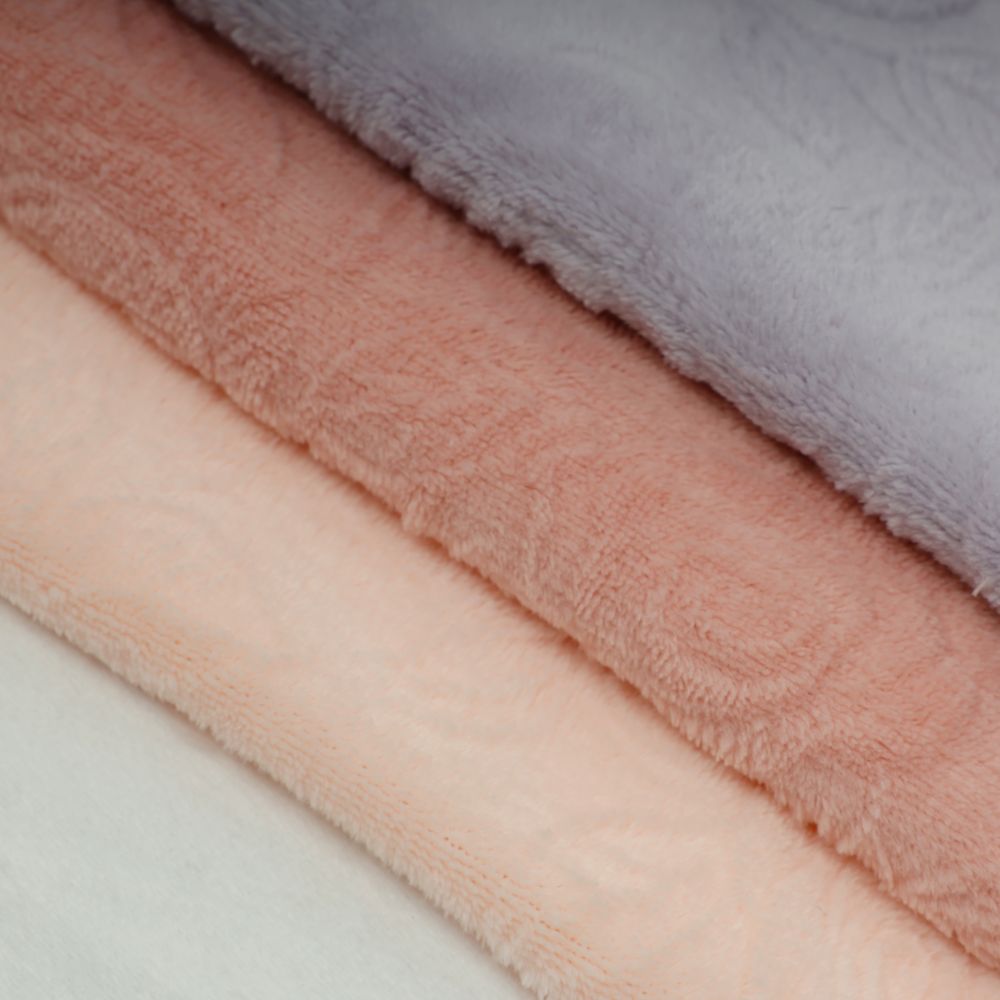
Standard fleece fabric originates from a polyester knit base structure manufactured through warp or circular knitting processes. The defining characteristic emerges during post-production brushing, where rotating wire brushes mechanically lift fiber ends from the knitted surface, creating a soft pile texture. This brushing process determines the final pile height classification:
- Microfleece: 100-200 GSM with minimal pile height (1-2mm), suitable for lightweight layering
- Mid-weight fleece: 200-300 GSM with 3-5mm pile, the industry standard for general-purpose applications
- Polar fleece: 300-400+ GSM with 6-8mm pile height, maximizing thermal retention
Manufacturing efficiency stems from single-layer construction. Modern textile facilities produce standard fleece at speeds exceeding 50 meters per hour using automated brushing systems. The polyester base typically consists of recycled PET (rPET) or virgin polyester filaments in deniers ranging from 75D to 150D, affecting both hand feel and structural integrity. Single-side brushing creates the characteristic fuzzy surface while maintaining a smooth reverse side, facilitating printing and lamination processes for technical applications.
Sherpa Fleece Dual-Layer Architecture
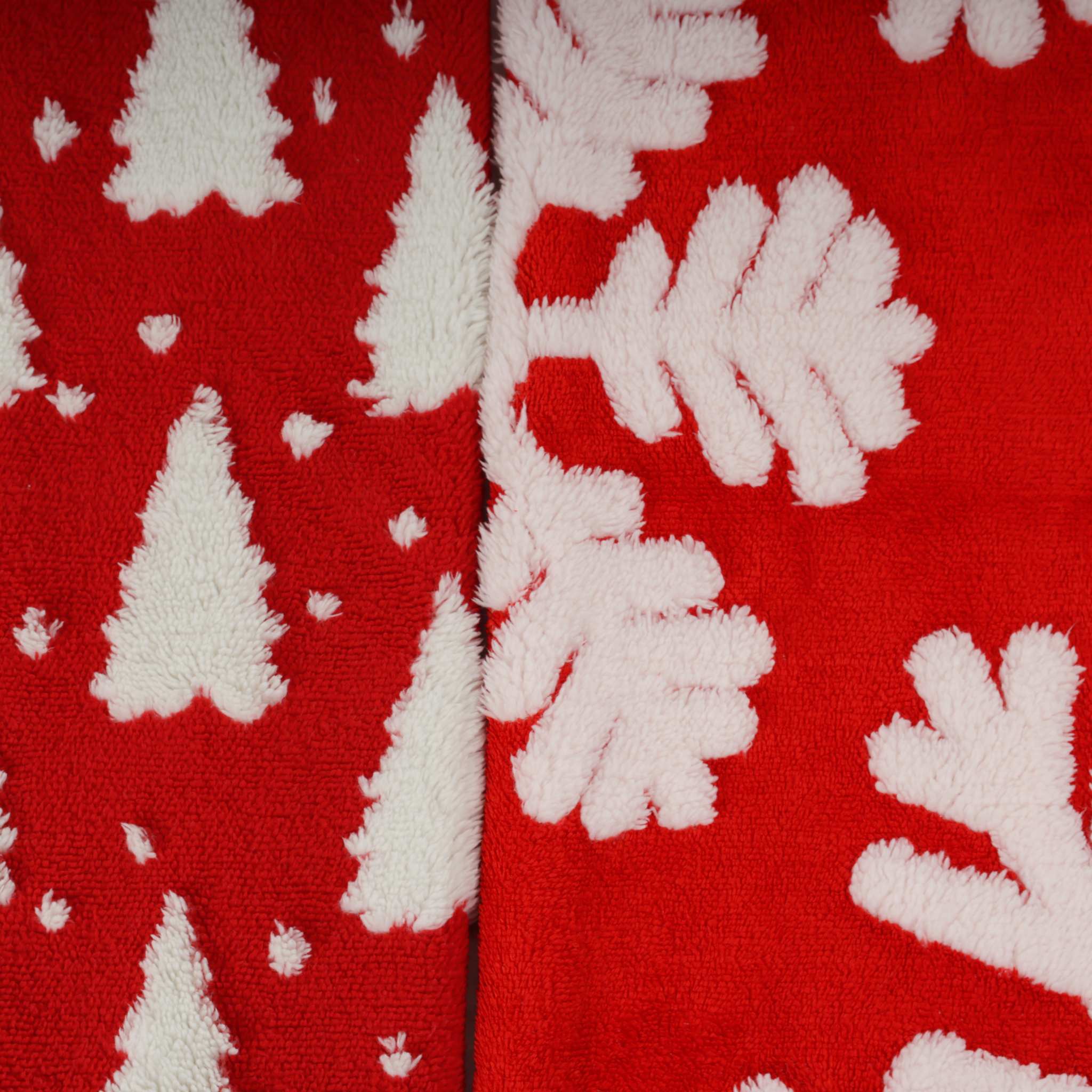
Sherpa fleece employs a fundamentally different construction methodology, featuring a smooth polyester knit face bonded to a high-pile reverse side that replicates natural sheepskin texture. The pile side utilizes longer staple fibers (12-20mm) with deliberate irregularity to achieve the authentic wool-like appearance. This dual-texture design requires specialized manufacturing equipment capable of producing asymmetric pile heights within a single fabric structure.
The manufacturing complexity directly impacts production costs through three key factors:
- Extended processing time: Dual-side finishing requires 40-60% longer production cycles compared to standard fleece
- Higher material consumption: Pile density of 800-1200 grams per linear meter versus 200-400g for standard fleece
- Quality control requirements: Maintaining consistent pile distribution across large production runs demands advanced monitoring systems
Most commercial Sherpa fleece utilizes a bonded construction where the smooth face fabric (typically 150-200 GSM jersey knit) is thermally or adhesively bonded to the high-pile backing. Premium variants employ simultaneous knitting techniques that integrate both layers during fabric formation, eliminating potential delamination issues but increasing manufacturing costs by 25-35%.
Performance Metrics Comparison
Thermal Insulation and Breathability Analysis
Thermal performance measurement in technical textiles relies on CLO values (Clothing Insulation Units), where 1 CLO equals the insulation required to maintain comfort at 21°C ambient temperature. Standard mid-weight fleece typically registers 0.8-1.2 CLO values, while Sherpa fleece achieves 1.5-2.0 CLO ratings due to increased air trapping capacity within the high-pile structure.
Air permeability testing reveals significant differences affecting moisture management:
- Standard fleece: 80-150 CFM (cubic feet per minute) at 125 Pa pressure differential, supporting active moisture vapor transmission
- 셰르파 플리스: 30-60 CFM, prioritizing thermal retention over breathability
This breathability differential creates distinct performance profiles. Standard fleece excels in dynamic activities where perspiration management is critical—laboratory testing shows moisture-wicking rates of 15-20 minutes for complete evaporation of standardized sweat simulation. Sherpa fleece extends this evaporation window to 35-45 minutes, making it less suitable for high-exertion applications but superior for static cold-weather protection.
The trapped air volume within Sherpa’s pile structure creates an insulating barrier that reduces convective heat loss by 40-50% compared to standard fleece in wind tunnel testing at 15 mph wind speeds. However, this same structure reduces vapor permeability, potentially causing moisture accumulation during extended wear periods in moderate activity levels.
Weight-to-Warmth Ratio and Durability Factors
Weight efficiency represents a critical specification for transportation-intensive applications and consumer comfort. Standard fleece delivers optimal weight-to-warmth ratios, with mid-weight variants (250 GSM) providing adequate insulation at approximately 200 grams per square yard. Sherpa fleece typically weighs 400-600 GSM, requiring 60-140% more material mass to achieve superior thermal ratings.
Pilling resistance testing via Martindale abrasion methodology reveals performance distinctions:
Sherpa fleece demonstrates superior pilling resistance due to longer fiber lengths and higher pile density, maintaining aesthetic appearance through 30,000-50,000 abrasion cycles before Grade 3 pilling (ISO 12945-2 standard). Standard fleece typically shows visible pilling at 20,000-35,000 cycles, particularly in high-friction zones like underarms and side seams.
Compression recovery testing indicates Sherpa fleece retains 85-90% of original loft after 100 compression cycles, compared to 75-80% for standard fleece. This resilience translates to extended product lifespan in applications involving repeated compression, such as packable outerwear or frequently laundered items.
Commercial Application Scenarios
Optimal Use Cases for Standard Fleece
Standard fleece dominates market segments, prioritizing versatility, cost efficiency, and active performance characteristics. Athletic wear manufacturers specify mid-weight fleece for training apparel where moisture management outweighs maximum insulation—the fabric’s breathability supports thermoregulation during variable-intensity activities.
Lightweight layering systems benefit from microfleece’s minimal bulk and packability. Technical specifications for outdoor recreation products frequently mandate sub-300 GSM weights to maintain system flexibility when combined with shell layers and insulation. The smooth reverse side facilitates integration into laminated constructions, enabling waterproof-breathable membrane bonding for technical outerwear.
Cost-sensitive product lines leverage standard fleece’s manufacturing efficiency to meet aggressive retail price points. Private label programs and promotional merchandise applications require fabric costs below $6.00 per yard to maintain target margins—standard fleece readily meets these constraints while delivering acceptable performance for casual-use scenarios. Minimum order quantities typically range from 500 to 1,000 yards, accessible for small to medium-scale production runs.
Strategic Applications for Sherpa Fleece
Premium outerwear linings represent the primary commercial application for Sherpa fleece, where the material’s aesthetic appeal and superior warmth justify higher material costs. Luxury outdoor brands specify Sherpa linings for parkas and winter coats, creating tactile differentiation that supports premium positioning. The sheepskin-mimicking texture provides perceived value that resonates with consumers seeking authentic outdoor heritage styling.
Home textile markets consume significant Sherpa fleece volumes for blankets, throws, and bedding accessories. The dual-texture design offers functional versatility—smooth side against skin for comfort, pile side exposed for visual appeal and warmth. Retail price tolerance in home goods categories (typically 2.5-3.5x material cost) accommodates Sherpa’s higher per-yard pricing while maintaining acceptable margins.
Cold-weather workwear specifications increasingly incorporate Sherpa fleece for jacket linings and vest insulation where workers face prolonged cold exposure with moderate activity levels. Industrial laundry durability testing shows Sherpa maintains structural integrity through 50+ commercial wash cycles, meeting specifications for rental uniform programs and corporate workwear fleets.
Procurement Decision Framework
Total Cost of Ownership Considerations
Raw material pricing establishes the baseline cost differential, with Sherpa fleece commanding 60-120% premiums over comparable weight standard fleece. However, total cost analysis must incorporate multiple factors beyond initial purchase price:
Material consumption efficiency: Sherpa’s superior insulation enables reduced layering requirements—a single Sherpa-lined jacket may replace a standard fleece plus additional insulation layer, potentially offsetting material cost through simplified construction and reduced labor.
Minimum order quantities vary significantly by supplier and material type. Standard fleece typically requires 500-1,000 yards MOQs from Asian manufacturers, while Sherpa fleece MOQs range from 1,000-2,000 yards due to specialized production setup requirements. Domestic suppliers offer reduced MOQs (300-500 yards) but at 30-50% price premiums.
Maintenance and care requirements affect lifecycle costs in commercial applications. Both materials tolerate machine washing, but Sherpa’s higher pile density requires gentle cycles and low-temperature drying to prevent matting. Industrial laundry testing indicates Sherpa maintains 80% of original appearance through 50 wash cycles versus 60-70% for standard fleece, potentially extending replacement intervals by 25-40% in high-use applications.
Inventory carrying costs reflect weight differentials—Sherpa’s 60-140% greater mass increases warehousing and transportation expenses. For import programs, this translates to 35-45% higher per-unit freight costs, impacting landed cost calculations for overseas sourcing strategies.
FAQ Module
What is the typical price difference between Sherpa fleece and standard fleece for bulk orders?
Bulk pricing (5,000+ yard orders) shows Sherpa fleece ranging from $8.00-$14.00 per yard compared to $4.50-$7.00 for mid-weight standard fleece—representing 75-100% premiums.
Volume discounts typically achieve 15-25% reductions from published pricing, with larger commitments (20,000+ yards) enabling custom specifications without tooling surcharges.
Geographic sourcing significantly impacts pricing: Chinese manufacturers offer the most competitive rates but require 60-90 day lead times, while domestic suppliers provide 2-3 week turnaround at premium pricing.
Does Sherpa fleece meet OEKO-TEX or REACH compliance standards for commercial textile products?
Reputable Sherpa fleece manufacturers maintain OEKO-TEX Standard 100 certification, confirming the absence of harmful substances across all production stages. REACH (Registration, Evaluation, Authorization of Chemicals) compliance is standard for suppliers serving EU markets, restricting substances of very high concern (SVHCs).
Buyers should request certification documentation specific to each production lot, as compliance varies by dye chemistry and finishing treatments. Recycled polyester Sherpa variants increasingly achieve Global Recycled Standard (GRS) certification, supporting sustainability claims for environmentally conscious brands.
Which fleece type offers better performance in high-abrasion industrial applications?
Sherpa fleece demonstrates superior abrasion resistance in Martindale testing (30,000-50,000 cycles to Grade 3 pilling versus 20,000-35,000 for standard fleece), making it preferable for high-friction applications like tool belt contact areas or equipment harness interfaces.
However, standard fleece’s lower pile height reduces snag potential in environments with protruding objects or machinery—a critical safety consideration in manufacturing settings. For maximum durability in industrial contexts, consider reinforced fleece variants incorporating ripstop grid patterns or localized abrasion-resistant overlays in high-wear zones.
결론
Material selection between Sherpa fleece and standard fleece fundamentally depends on balancing thermal requirements, budget constraints, and end-use durability specifications.
Standard fleece excels in applications prioritizing breathability, weight efficiency, and cost control—athletic wear, lightweight layering systems, and volume production programs benefit from its manufacturing efficiency and accessible pricing.
Sherpa fleece justifies premium positioning through superior thermal performance, enhanced durability, and distinctive aesthetic appeal, making it strategically appropriate for luxury outerwear, home textiles, and cold-weather industrial applications.
The key decision matrix for B2B buyers centers on performance-versus-cost efficiency: projects with retail price points below $50 typically require standard fleece to maintain margin targets, while premium products exceeding $100 retail can absorb Sherpa’s material premiums while leveraging its perceived value attributes.
Procurement teams should conduct total cost of ownership analysis, incorporating material consumption efficiency, maintenance requirements, and expected product lifespan to determine true cost implications beyond per-yard pricing. Successful material specification aligns fabric performance characteristics with target market expectations and commercial objectives, ensuring optimal value delivery across the product lifecycle.