
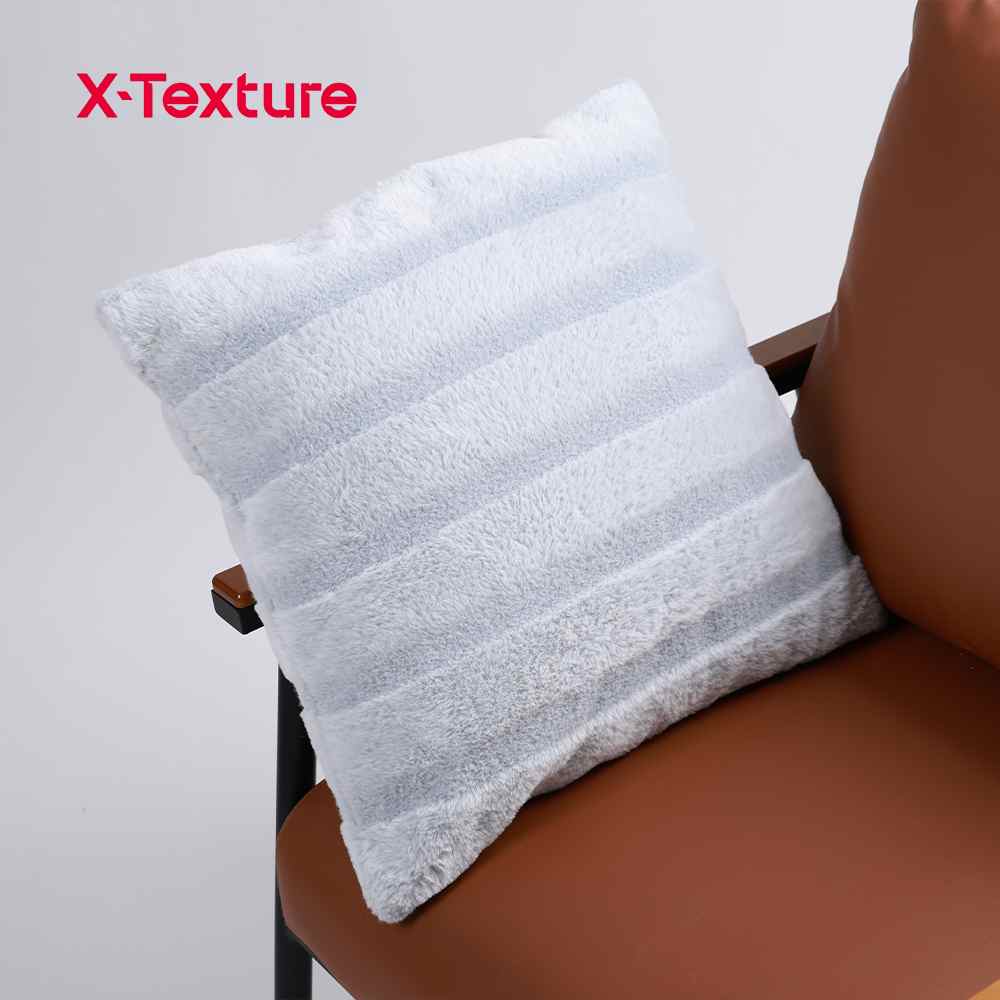
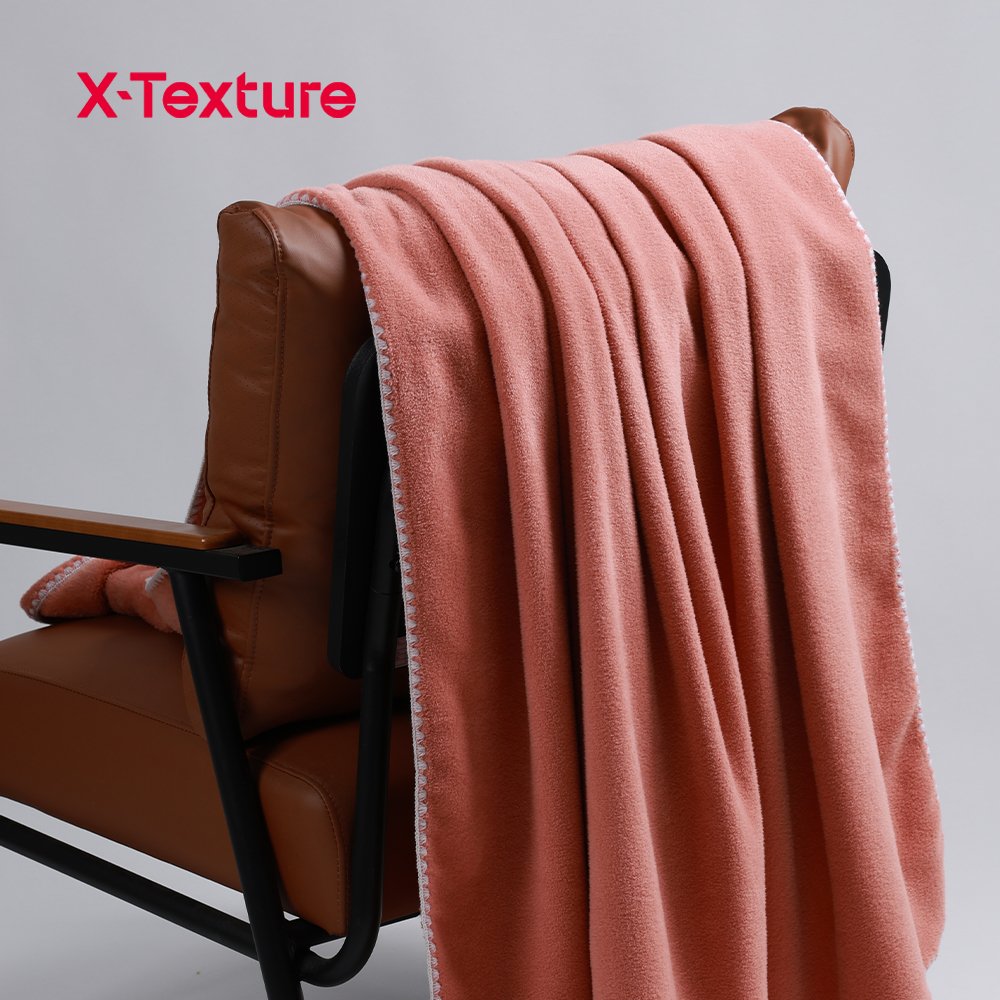
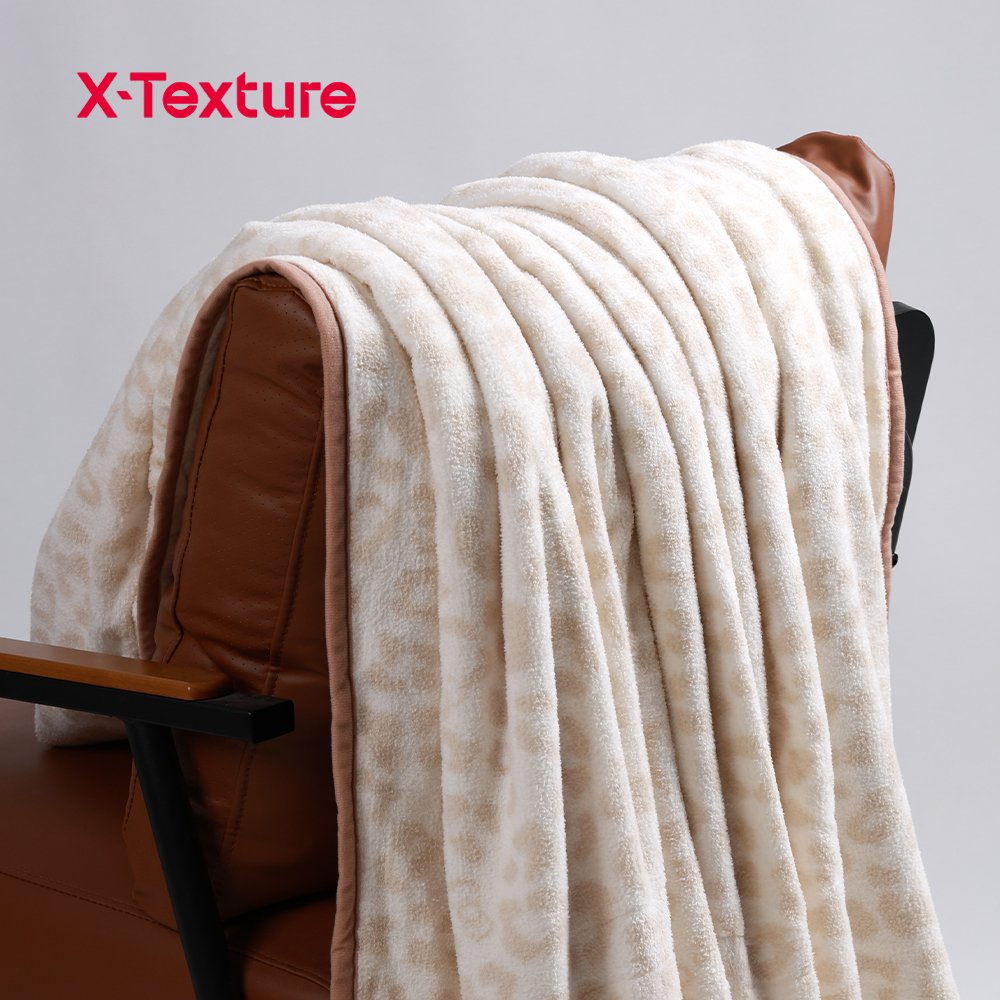
Both tecido de lã coral and microfibre fabrics are widely used synthetic textiles known for their softness, lightweight warmth, durability, and versatility. However, they serve different functional purposes depending on the application. Coral fleece generally offers superior plushness, warmth retention, and comfort for blankets, loungewear, bathrobes, and winter home textiles. In contrast, microfibre typically provides better cleaning efficiency, moisture absorption control, abrasion resistance, and precision performance for industrial cleaning, sportswear, and technical textile applications.
According to research in textile engineering published in the Textile Research Journal, ScienceDirect, and the Journal of Engineered Fibres and Fabrics, microfibre structures excel in fine filament surface area efficiency. In contrast, high-pile polyester fleece structures, such as coral fleece, provide exceptional thermal insulation and tactile softness through air-trapping fibre architecture.
As consumer demand increasingly shifts towards comfort-driven textiles, sustainable synthetic fabrics and multifunctional home products, both coral fleece and microfibre fabrics are expanding across the global markets for apparel, household goods, hospitality and industrial textiles. Therefore, understanding the differences between these two materials is essential for manufacturers, wholesalers, retailers, and consumers seeking the best fabric for specific commercial or personal applications.
Introduction: Why Coral Fleece and Microfiber Are Frequently Compared
In the modern textile market, few synthetic fabrics can boast the global commercial success of Coral Fleece Fabric and microfibre materials. These fabrics are widely used in home textiles, fashion apparel, cleaning products, hospitality goods, baby products, and winter comfort accessories. Yet, despite their widespread popularity, many consumers and even some textile buyers are confused about the differences between the two materials.
This confusion is understandable because coral fleece and microfibre share several characteristics:
- Soft hand feel
- Synthetic fibre construction
- Lightweight structure
- Fastdrying capability
- Durabilidade
- Easy maintenance
- Broad commercial applications
However, beneath these similarities lie important technical differences that significantly influence:
- Warmth retention
- Surface texture
- Moisture behaviour
- Cleaning efficiency
- Durabilidade
- Respirabilidade
- Production cost
- Environmental performance
- Consumer comfort perception
As textile technology evolves, coral fleece and microfibre fabrics are becoming more advanced. Manufacturers now use sophisticated filament processing technologies, precision knitting systems, chemical finishing treatments, and high-speed dyeing systems to produce these fabrics, which offer highly specialised textile performance characteristics.
The rapid growth in consumer trends focused on comfort has further increased demand for soft synthetic fabrics.
Modern buyers increasingly prioritise textiles that provide:
- Emotional comfort
- Visual warmth
- Skin-friendly softness
- Lightweight insulation
- Machine wash convenience
- Affordable luxury aesthetics
This broader shift towards comfort-oriented lifestyles has transformed coral fleece into one of the fastest-growing home comfort fabrics worldwide.
At the same time, microfibre has become indispensable in technical and functional textile markets due to its extremely fine fibre diameter and high surface area efficiency.
Today, microfibre products dominate industries such as:
- Cleaning systems
- Automotive detailing
- Sports textiles
- Industrial wiping
- Hospitality maintenance
- Electronics cleaning
- Precision surface care
Meanwhile, coral fleece remains strongly associated with:
blankets, pyjamas, bathrobes, plush toys, winter apparel, and home comfort products.
Therefore, the question ‘Is coral fleece better than microfibre?’ cannot be answered universally, as each material excels under different performance requirements.
O que é o tecido Coral Fleece?
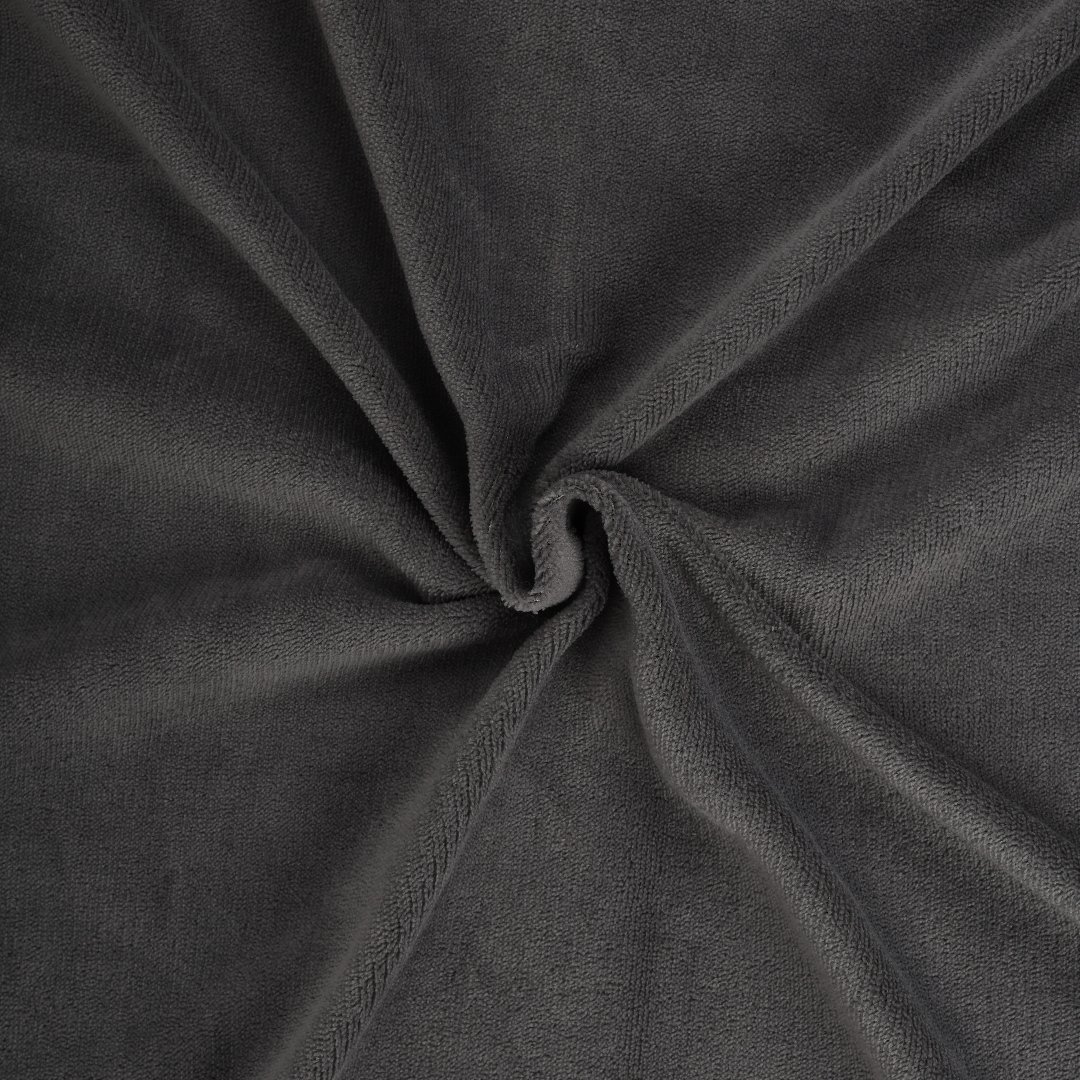
Coral fleece fabric is a high-pile, knitted, synthetic textile known for its ultrasoft texture, plush appearance, lightweight warmth, and strong thermal insulating properties.
It is typically made from polyester microfibre filaments processed into a fluffy pile structure that resembles soft coral formations, hence the name.
Coral fleece first became popular in the Asian textile market before expanding rapidly into the global home textiles and apparel industries.
Today, it is widely used for:
- Cobertores
- Pijama
- Roupões de banho
- Winter sleepwear
- Baby products
- Sofa throws
- Plush accessories
- Pet products
Its popularity is driven primarily by its luxurious softness and cosy tactile feel.
Unlike standard fleece materials, coral fleece generally features:
- Higher pile density
- Finer synthetic fibres
- Softer brushing treatments
- Enhanced fluffiness
- Better visual plushness
Modern coral fleece fabrics are often manufactured using extremely fine denier polyester fibres, creating exceptional softness while maintaining relatively low fabric weight.
The fabric structure traps air efficiently, improving insulation performance while preserving lightweight wearability.
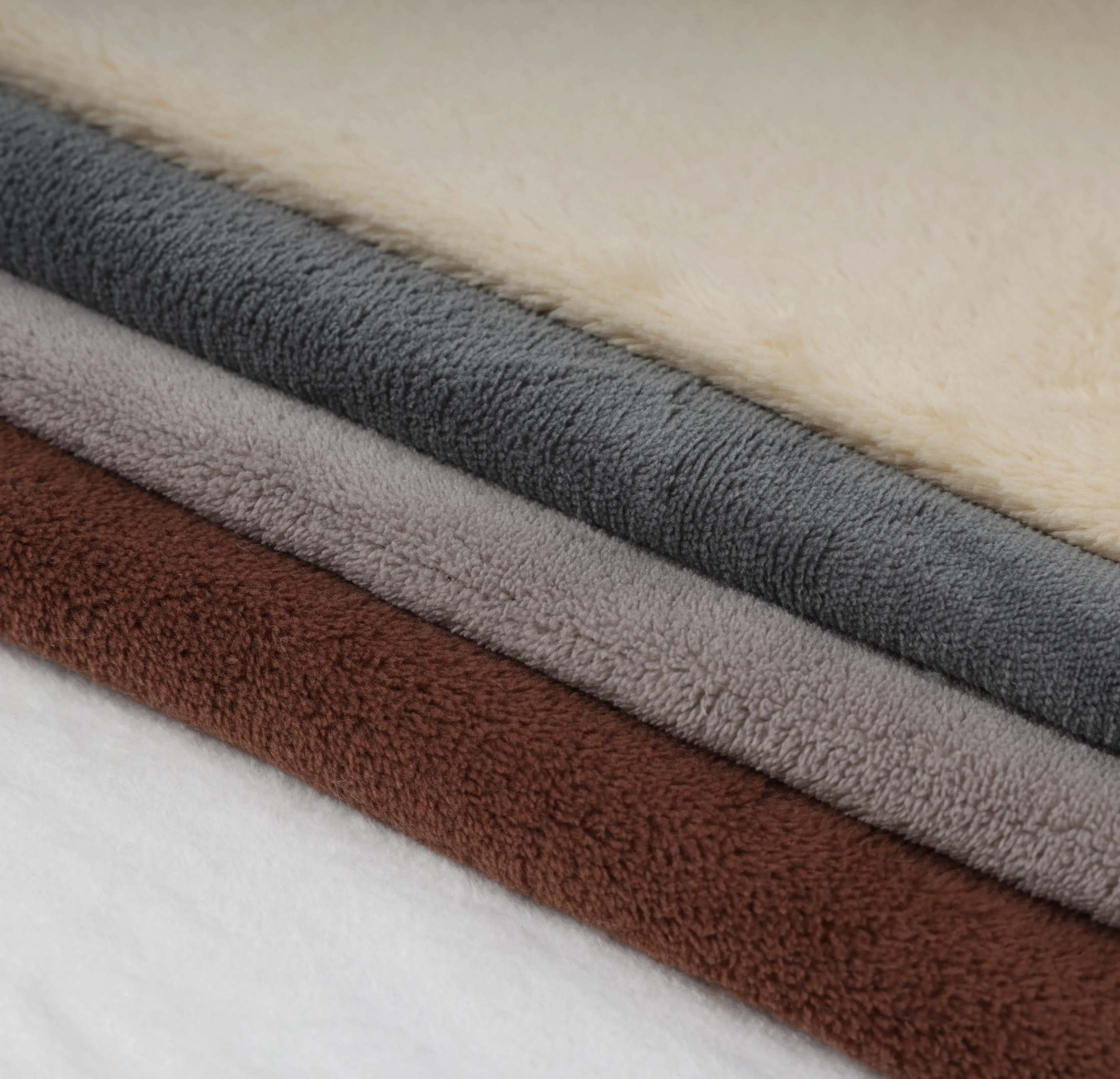
What Is Microfiber Fabric?
Microfibre fabric refers to textiles made using extremely fine synthetic filaments, typically measuring less than one denier in diameter.
Most microfibre materials are made from:
- Poliéster
- Polyamide (nylon)
- Polyester-nylon blends
The defining characteristic of microfibre is its ultrafine fibre structure.
Compared with ordinary synthetic fibres, microfibre filaments offer:
- Greater surface area
- Improved absorbency
- Better cleaning efficiency
- Enhanced softness
- Stronger capillary action
Microfibre fabrics are highly versatile and are used in many industries.
Common applications include:
| Application Category | Typical Uses |
| Cleaning textiles | Towels, wipes, mops |
| Vestuário | Sportswear, linings |
| Furniture | Estofos |
| Automotive | Detailing cloths |
| Hospitality | Cleaning systems |
| Electronics | Precision cleaning |
Microfiber technology revolutionized industrial cleaning because its tiny fibers can capture microscopic dust, oils, and contaminants more effectively than conventional fabrics.
Key Structural Differences Between Coral Fleece and Microfiber
Although coral fleece often uses microfibre polyester yarns, it and microfibre fabrics are structurally different textile categories.
Coral fleece structure
Coral fleece focuses primarily on:
- High pile density
- Plush softness
- Thermal insulation
- Comfort and aesthetics
Its fluffy, raised surface effectively traps warm air.
Microfibre structure
Microfibre fabrics prioritise:
- Fine filament density
- Surface area efficiency
- Precision cleaning capability
- Moisture control
The following table summarizes major structural differences:
| Caraterística | Tecido de lã Coral | Tecido de microfibra |
| Surface texture | Plush and fluffy | Smooth or fine-textured |
| Main function | Warmth and comfort | Cleaning and performance |
| Fiber structure | Raised pile | Ultrafine filaments |
| Warmth retention | Excelente | Moderado |
| Moisture absorption | Moderado | High capillary efficiency |
| Typical appearance | Cozy and soft | Technical and smooth |
Is Coral Fleece Warmer Than Microfiber?
In most consumer comfort applications, coral fleece fabric is generally warmer than standard microfibre fabric.
This is primarily due to the way the fabric is constructed.
Air retention capability
Coral fleece contains thick, raised fibres that create insulating air pockets.
These pockets slow heat transfer and retain body warmth.
Higher pile thickness
The plush pile significantly increases thermal insulation.
Reduced airflow
Dense fleece structures minimise cold air penetration.
By contrast, microfibre fabrics are often engineered for moisture transport and cleaning efficiency rather than thermal insulation.
This makes microfibre more breathable, but less insulating, in many applications.
Which Fabric Is Softer?
Although softness is subjective, coral fleece is generally considered to be softer and more comfortable.
Why does coral fleece feel softer?
Several factors contribute to the softness of coral fleece:
- Brushed pile texture
- Thick, fluffy surface
- Flexible knit structure
- Fine polyester filaments
Consumers often associate coral fleece with emotional comfort because of its plush tactile sensation.
Microfibre softness
Microfibre can also feel extremely soft, particularly in premium cleaning towels and luxury bedding products.
However, its texture is usually smoother and more technical than plush and fluffy.
Durability Comparison: Coral Fleece vs Microfiber
Durability depends heavily on product quality and manufacturing standards.
However, microfibre often performs better in high-friction, technical environments.
Advantages of microfibre:
- Better abrasion resistance
- Stronger structural stability
- Better long-term cleaning performance
Coral fleece limitations
Lower-quality coral fleece may experience:
- Pile flattening
- Fibre shedding
- Pilling after repeated washing
However, premium coral fleece fabrics with antipilling treatments can maintain softness for extended periods.
Moisture Performance and Breathability
Microfibre generally performs better in terms of moisture management.
Advantages of microfibre:
Its ultrafine fibres create strong capillary action.
This improves:
- Moisture absorption
- Fast evaporation
- Sweat management
Coral fleece prioritises warmth and softness over advanced moisture transport
As a result:
- It may feel warmer, but less breathable.
- It retains heat more effectively.
- Drying speed may vary depending on pile density.
Commercial Applications of Coral Fleece Fabric
Coral fleece dominates several major textile markets.
Home textiles
The largest market includes:
- Cobertores
- Throws
- Bedding
- Sofa covers
Apparel industry
Coral fleece is used for:
- Pijama
- Hoodies
- Roupões de banho
- Winter sleepwear
Baby products
Its softness makes it popular for:
- Cobertores para bebés
- Infant clothing
Pet products
Pet beds and blankets often use coral fleece.
Commercial Applications of Microfiber
Microfibre is widely used in more technical industries.
The cleaning industry
Microfibre has revolutionised modern cleaning systems.
Sportswear
Microfibre fabrics provide:
- Sweat management
- Lightweight performance
Automotive industry:
Microfibre towels are standard for vehicle detailing.
Electronics cleaning
Its fine fibres safely remove dust from sensitive surfaces.
Manufacturing Process Differences
Production technologies also differ significantly.
Coral Fleece Manufacturing
Key processes include:
- Tricô
- Raising
- Brushing
- Heat setting
The goal is to maximise softness and pile thickness.
Microfibre manufacturing
Microfibre production focuses on:
- Ultrafine filament extrusion
- Fiber splitting technologies
- Precision weaving or knitting
This improves the fabric’s functionality.
Sustainability Considerations
Both fabrics are subject to environmental scrutiny because they are largely synthetic.
Common environmental concerns:
- Petroleum-based raw materials
- Microplastic shedding
- Energy-intensive production
Industry improvements
Manufacturers are increasingly adopting:
- Recycled polyester
- Eco-friendly dyeing systems
- Water-saving production technologies
Future innovations may significantly improve sustainability.
Cost Comparison Between Coral Fleece and Microfiber
Cost depends on fiber quality, density, and manufacturing complexity.
Generally:
| Tipo de tecido | Typical Cost Level |
| Basic coral fleece | Low to moderate |
| Premium coral fleece | Moderado |
| Industrial microfiber | Moderado |
| High-end microfiber | Mais alto |
Microfiber’s advanced filament engineering often increases manufacturing costs.
Which Fabric Is Better for Different Uses?
The answer depends entirely on the application.
| Aplicação | Better Choice |
| Winter blankets | Coral fleece |
| Cleaning cloths | Microfibra |
| Pijama | Coral fleece |
| Sportswear | Microfibra |
| Roupões de banho | Coral fleece |
| Automotive detailing | Microfibra |
| Cobertores para bebés | Coral fleece |
| Industrial wiping | Microfibra |
Neither fabric universally replaces the other.
Instead, each serves different performance priorities.
Future Trends in Coral Fleece and Microfiber Fabrics
The textile industry continues to innovate at a rapid pace.
Several trends are shaping its future development.
- Sustainable synthetic fibres
Manufacturers are increasingly investing in recycled materials.
- Smart textile integration
Future fabrics may include:
- Antibacterial functions
- Thermal regulation
- Moisture-responsive performance
- Luxury comfort textiles
Consumers are increasingly seeking premium, comfort-driven products.
- AI-assisted textile engineering
Artificial intelligence may optimise:
- Fibre blending
- Fabric durability
- Production efficiency
Both coral fleece and microfibre are expected to remain highly relevant in future textile markets.
FAQ About Coral Fleece Fabric and Microfiber
Is coral fleece made from microfiber?
Yes. Many coral fleece fabrics use ultrafine polyester microfiber yarns to create soft plush textures.
Which is warmer, coral fleece or microfiber?
Coral fleece is usually warmer because its thick pile structure traps more insulating air.
Is microfiber better for cleaning?
Yes. Microfiber is generally superior for cleaning due to its ultrafine filament structure and high surface-area efficiency.
Does coral fleece pill easily?
Lower-quality coral fleece may pill over time, but premium antipilling fabrics perform much better.
Which fabric is softer for blankets?
Most consumers consider coral fleece softer and cozier for blankets and home comfort products.
Is coral fleece breathable?
Coral fleece offers moderate breathability but prioritizes warmth and softness over ventilation.
Conclusão
Whether coral fleece is better than microfibre ultimately depends on the intended application. Coral fleece fabric excels in terms of warmth, softness, plush comfort and emotional cosiness, making it highly suitable for blankets, sleepwear, winter apparel and home comfort products. By contrast, microfibre performs exceptionally well in technical applications requiring cleaning efficiency, moisture management, durability and precise surface interaction.
Rather than competing directly, coral fleece and microfibre fabrics represent two highly successful branches of modern synthetic textile engineering, each optimised for different consumer and industrial needs. As textile technology advances further through sustainable materials, smart fibres and AI-assisted manufacturing, both fabrics are expected to remain essential components of the global textile industry for years to come.