

Apparel brands and retail buyers currently face intense market saturation across all casual garment categories. Relying on basic cotton-blends or standard synthetic textiles guarantees commercial failure in this environment. These outdated materials produce high return rates, severe surface pilling, and incredibly low brand loyalty metrics. Companies quickly lose the ability to command premium pricing. They cannot compete against top-tier athleisure labels utilizing highly advanced textile supply chains. Consumers expect engineered, multi-functional textiles. Shoppers demand garments that actively blur the boundaries between home comfort and public casual wear. To capitalize on why Roupas de Lazer remains highly popular, commercial apparel lines must overhaul their sourcing protocols immediately. Buyers must evaluate bottom-of-funnel manufacturing partners based on strict technical criteria. You need high-performance material specifications and verifiable sustainable production processes. Rigorous quality certifications, including GRS and bluesign®, are strictly mandatory for entry into modern retail spaces.
- Performance Engineering drives Consumer Demand: The popularity of loungewear relies on functional textiles, such as fleece fabric embedded with nano-ceramic powder for thermal regulation and zinc-ions for permanent antibacterial properties.
- The Hybrid “Going Out” Standard: Premium loungewear must now feature the structural integrity and opacity for outdoor wear, differentiating it entirely from traditional sheer or lightweight sleepwear.
- Compliance and Sustainability dictate Market Access: 90% wastewater recovery (via RO reverse osmosis) and integration of up to 43% recycled PET fibers (rPET) represent the baseline for premium retail brand partnerships.
- Quality Traceability minimizes TCO (Total Cost of Ownership): High-volume textile production (scale > 36,000 tons/year) mitigates quality variation risks only when backed by digital lean manufacturing, intelligent color/dye automation, and automated optical inspection.
The Economics of Comfort: Why is Loungewear Popular at a Structural Level?
Defining the Category: Loungewear vs. Sleepwear vs. Athleisure
Apparel buyers must establish precise boundaries between garment categories to avoid market confusion. You cannot market basic sleepwear as acceptable public attire. Sleepwear utilizes an ultra-lightweight fluid drape designed exclusively for nighttime bed use. It fundamentally lacks the mechanical density required for daily physical activity or public exposure. Athleisure, by contrast, relies heavily on high-compression elasticity. Brands engineer activewear for rapid moisture-wicking during intense physical exercise. It uses high percentages of elastane to hold the garment tight against the skin, restricting passive comfort.
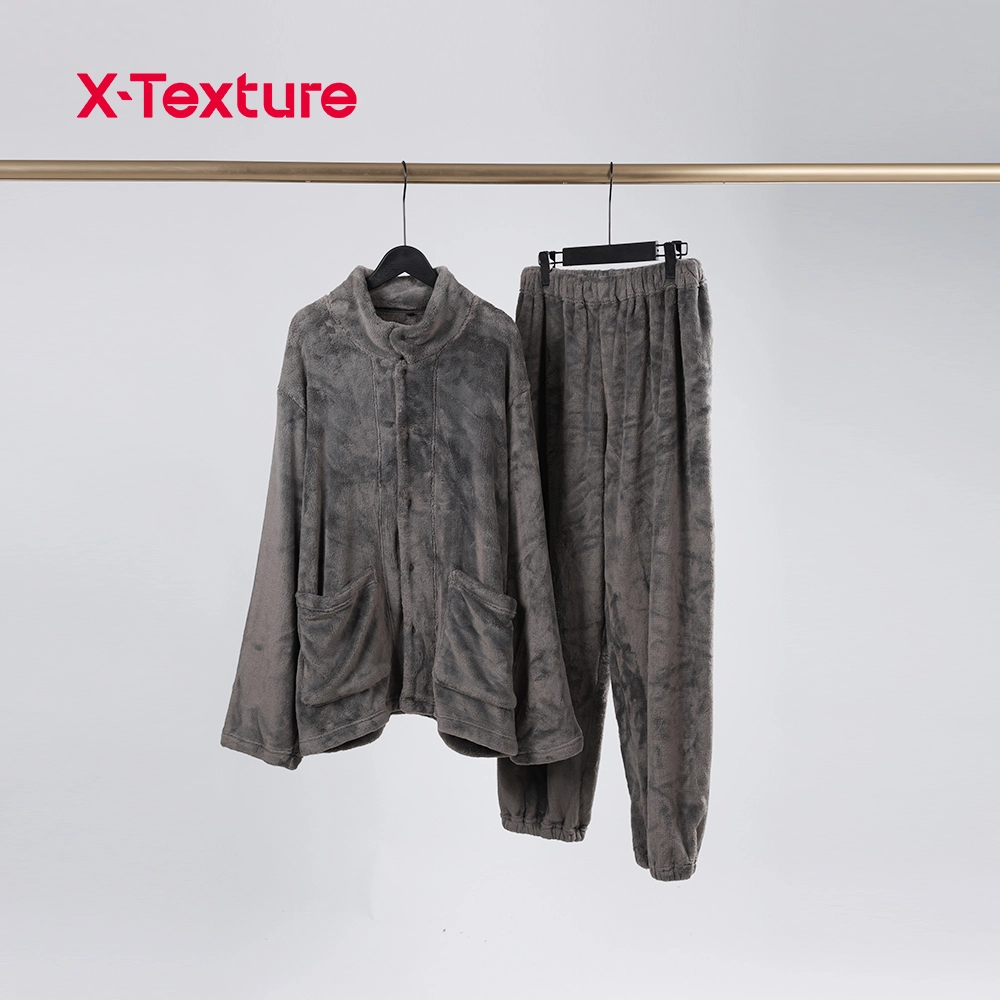
Premium casual apparel operates in an entirely different structural zone. It requires specific loft, advanced thermal regulation, and non-restrictive silhouettes. The material must possess a dense mechanical structure. This structural integrity prevents the garments from looking like thin pajamas in public environments. Procurement teams must scrutinize grams per square meter (GSM) to verify this density. Heavyweight knits provide the necessary opacity for outdoor use, ensuring the fabric remains squat-proof under tension.
| Apparel Category | Target GSM Range | Primary Structural Attribute | Public Opacity Level |
|---|---|---|---|
| Premium Leisure | 280 – 450 GSM | High loft, structured drape | 100% (Fully opaque) |
| Roupa de dormir | 90 – 150 GSM | High breathability, fluid drape | Low to Medium (Sheer) |
| Athleisure | 200 – 300 GSM | High compression, 4-way stretch | High (Tight weave) |
Evolution from Fast Fashion to Technical Casualwear and “Going Out” Apparel
Shoppers no longer accept single-use fashion criteria. The market demands extreme baseline durability. Consumers want multi-environment suitability from a single garment purchase. One specific piece must perform flawlessly inside the home, during public transit, and across casual social outings. Softness, warmth-to-weight ratio, and visual structure dictate all modern purchasing decisions. If an item fails on any of these three fronts, consumers return it.
If a brand fails to map these consumer buying factors to exact textile manufacturing processes, they lose market share rapidly. We see this behavioral shift clearly in retail data analytics. Buyers actively reject thin materials that lose their shape after two standard wash cycles. Precision textile engineering prevents casual garments from sagging at the knees or elbows. The manufacturing process must integrate specific twisting techniques during the yarn spinning phase. This structural resilience encourages consumers to wear these pieces outdoors confidently.
- Assess the yarn tension during the initial knitting phase to prevent fabric sagging under garment weight.
- Apply advanced thermal setting treatments to lock the molecular structure of the synthetic fibers permanently.
- Test the garment in simulated outdoor environments to verify wind resistance and internal warmth retention.
The Core Success Criteria for Commercial Loungewear Lines
Brand differentiation requires strict technical benchmarks. You cannot rely on subjective human feelings of softness when issuing purchase orders. Top-performing market leaders track colorfastness meticulously using digital spectrophotometers. They demand rigorous anti-pilling grading before approving any bulk order shipment. A minimum Level 4+ anti-pilling certification (verified via AATCC testing standards) separates premium garments from cheap, disposable fast fashion.
Shrinkage control acts as another non-negotiable quality metric. Poor shrinkage control leads directly to massive retail return rates and destroyed margins. Tactile finishing must remain consistent across thousands of individual units. These technical metrics correlate directly with consumer reviews online. High structural integrity drives repeat purchase rates among premium commercial collections. When you control mechanical shrinkage and surface pilling effectively, your customer lifetime value increases dramatically.
Evaluating Premium Materials: The Dominance of Fleece Loungewear
Material Architecture: Moisture-Absorbing Heating Fleece (Baby Fleece)
Winter-grade roupas de frio em malha demands advanced fiber functionalization. Leading manufacturers utilize infused nano-ceramic powders within the polyester base. Engineers inject these ceramic powders directly into the polymer melt before the extrusion phase begins. This structural modification enables active moisture absorption right from the skin layer.
The bio-ceramic fibers convert latent body heat into infrared energy. This continuous process warms the wearer rapidly without adding unnecessary fabric bulk. It produces a baby-soft tactile property while maintaining exceptional air permeability. Objective laboratory testing metrics prove that these engineered textiles regulate temperature dynamically. They prevent the wearer from sweating heavily during indoor use. Microscopic capillary action within the fibers pushes internal moisture outward to the surface for rapid evaporation.
High-Density & 4D Sculpted Formations (Fox-like and Mink-like Alternatives)
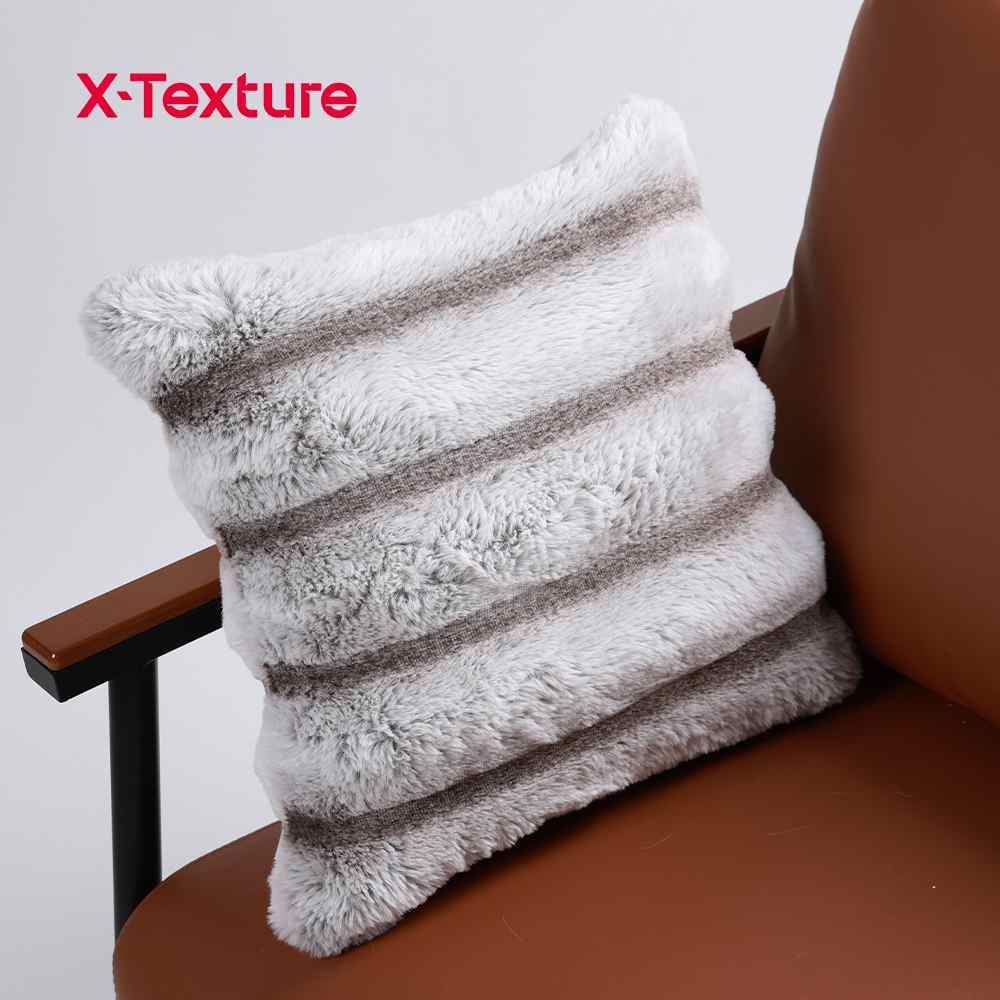
Luxury substitution metrics rely entirely on stable structural integrity. Advanced high-simulation fiber extrusion creates convincing fox-like and mink-like textile alternatives. Manufacturers leverage highly complex 3D precision sculpting techniques to achieve these exact organic textures. Automated machinery trims the pile height at varying lengths across the fabric roll. This creates a multi-dimensional visual effect across the surface.
The resulting high-density plush material elevates standard textiles into absolute luxury territory. This structural stability supports a broad application spectrum across multiple industries. You will find these highly sculpted formations in premium apparel and high-end home goods. They also appear frequently in luxury auto-textiles. The extreme density ensures that the synthetic fibers do not shed, snap, or mat together after extensive physical friction.
Integrating Permanent Antimicrobial Properties (Yarn-dyed Cloud Fleece)
Extended-wear apparel requires highly reliable, permanent odor control. Consumers demand low-maintenance garments that actively resist aggressive bacterial growth. Modern fleece farbic addresses this demand by embedding food-grade zinc ions directly into the internal fiber matrix. This intrinsic structural integration heavily outperforms temporary topical chemical washes utilized by budget brands.
Topical coatings wash down the residential drain after three standard laundry cycles. Zinc-infused spun yarns maintain their functional antibacterial efficacy through dozens of harsh industrial washes. Production constraints require highly precise fiber-blending protocols on the factory floor. Facilities integrate advanced Korean carving techniques to maintain the visual texture. They achieve this aesthetic perfection while simultaneously preserving the chemical functionality of the zinc ions.
| Antimicrobial Method | Application Stage | Wash Durability Cycle | Efficacy Drop-off Rate |
|---|---|---|---|
| Embedded Zinc Ions | Polymer Extrusion | 50+ Industrial Washes | Less than 2% over lifecycle |
| Topical Chemical Wash | Post-Dyeing Finish | 3 – 5 Home Washes | Complete failure after 10 washes |
| Silver Nanoparticles | Yarn Spinning | 30+ Home Washes | Moderate fading after 20 washes |
Scaling Production Capability: What Distinguishes Top-Tier Suppliers?
Facility Footprint and Throughput Analysis
Enterprise global supply chains require highly robust, heavily capitalized manufacturing partners. Optimal partner parameters include facility capacities vastly exceeding 50,000 square meters. Massive physical footprints drive consistent, uninterrupted annual production runs. Top-tier global suppliers routinely produce upwards of 36,000 tons of knitwear and specialized fleece annually.
This extreme manufacturing scale ensures inventory stability for global retail buyers. High-volume throughput directly mitigates the risk of seasonal stock shortages. When winter apparel demand spikes unexpectedly, small facilities fail to deliver critical reorders on time. Large-scale operations absorb sudden purchase order increases without compromising baseline line speed. They maintain dedicated spinning, knitting, and automated dyeing zones under one massive industrial roof.
Smart Quality Control & Intelligent Self-Adaptive Systems
Large-volume textile production carries massive inherent quality risks. Knit deformation, severe weft distortion, and batch-to-batch color drift destroy operating profit margins. You must demand specific tech-stack mitigations from your vendors immediately. Top suppliers deploy Intelligent Vision Bow/Skew adjustment machines directly on their stenter drying frames.
They utilize Automated Dye Distribution networks for micron-precise chemical dosage. Algorithmic optical defect recognition protocols identify fabric flaws instantaneously. High-speed cameras scan every inch of the material as it exits the thermal drying phase. The system flags microscopic tension errors before they compound into massive batch failures. These intelligent self-adaptive systems drastically reduce QA rejection rates across the board.
- Scan all raw yarn inputs for microscopic tension inconsistencies using targeted laser sensors.
- Monitor the knitting circumference dynamically to prevent weft distortion during high-speed runs.
- Automate the liquid dye dispensation valves to guarantee exact recipe replication across batches.
- Inspect the finished roll with algorithmic optical cameras to map structural defects immediately.
Comprehensive Digital Lean Management (Energy & Process Visibility)
Process visibility completely separates modern facilities from outdated legacy operations. Assess your partner’s integration of enterprise-wide digital control panels. Live manufacturing decision-boards track exact energy consumption and machine efficiency minute by minute. Exact recipe and master color code databasing ensures perfect batch replication across multiple distinct fashion seasons.
End-to-end traceability of quality-control batches protects your brand reputation heavily. If a consumer reports a chemical skin rash, you must trace that exact garment back to its specific factory dye lot. Digital lean management provides complete transparency across the entire production lifecycle. Factory floor managers can pinpoint which specific machine caused an anti-pilling failure and isolate the defective fabric rolls instantly.
Eco-Responsible Textile Manufacturing and Supply Chain Compliance
Mandating Sustainable Chemistry (bluesign® and OEKO-TEX Standard)
Consumer eco-awareness directly shapes corporate procurement mandates today. You must explicitly require sustainable chemistry throughout your entire supply chain. Procurement teams must detail the exact requirements to utilize environmentally friendly disperse dyes. Huntsman biodegradable textile auxiliaries represent the current industry gold standard for safe, non-toxic wet processing.
Facilities must operate strictly per the exhaustive bluesign® SYSTEM standards. Restricting toxic chemical inputs protects both the end consumer and the local manufacturing ecosystem surrounding the factory. Suppliers must also present valid OEKO-TEX Standard 100 certificates for all finished product rolls. This guarantees the total absence of harmful substances, including heavy metals, formaldehyde, and banned azo dyes.
Integrating Circular Economies (rPET & Global Recycled Standard)
Structuring a highly sustainable offering requires heavily verified raw materials. Premium apparel lines now integrate up to 43% Recycled Post-Consumer PET (rPET). These plastics often originate from dedicated marine and ocean recovery efforts. You must verify all recycled outputs strictly via the GRS (Global Recycled Standard) certification process to prevent supplier greenwashing.
These raw material ratios correlate to highly concrete Scope 3 carbon savings. Such integrations can save up to 24,800 tons in greenhouse gas emissions annually for a large textile facility. Relying on virgin polyester exposes brands to massive public relations risks. Transitioning to verified rPET models future-proofs your product line against upcoming, aggressive carbon taxation laws in major retail markets.
| Material Sourcing Option | Certification Required | Primary Environmental Benefit |
|---|---|---|
| Ocean-Bound rPET | GRS (Global Recycled Standard) | Marine plastic waste reduction |
| Bio-degradable Auxiliaries | bluesign® SYSTEM | Elimination of toxic wastewater |
| Zinc-Ion Odor Control | OEKO-TEX Standard 100 | Safe skin contact, reduced washing |
Advanced Utility Processing: Water and Thermal Heat Recovery Systems
Facility-level utility architecture contributes directly to stable, predictable unit pricing. Modern factories require heavily advanced Japanese-imported RO (reverse-osmosis) filtration systems. These massive industrial setups recapture up to 90% of all liquid process water. Crucially, this recaptured water remains totally devoid of toxic chemical sludge, allowing for immediate reuse.
Print and dye setups must feature 50% to 80% thermal exhaust reclamation structures. These structures physically capture escaping heat from the drying ovens and route it back into the water boilers. This engineering design yields upwards of 25% gross operational energy savings. These hard metrics translate directly into ISO 14067 and ISO 50001 compliance markers. Efficient resource management completely insulates your brand from sudden spikes in global energy prices.
TCO Analysis and Sourcing Vendor Pre-Qualification Factors
Compliance Matrix: Meeting Enterprise Vendor Approvals
Accessing global buyers like Uniqlo, Costco, and Zara requires passing extreme vendor credential checks. Your manufacturing partners must maintain a comprehensive, flawless compliance matrix. Sedex social compliance audits verify ethical labor practices, fair wages, and safe working hours. ISO 45001 certifications ensure highly rigorous occupational health and safety standards govern the factory floor.
ISO 14001 markers demonstrate extensive environmental management competency regarding solid waste disposal. Furthermore, robust Higg Index reporting provides totally transparent facility scoring. Meeting these enterprise approvals guarantees seamless cross-border retail distribution. Customs agencies increasingly halt commercial shipments from factories lacking these baseline international compliance documents.
Financial Trade-offs: Advanced Automation versus Defect Rejection Rates
Procurement teams must evaluate operational efficiency closely to understand true production costs. Legacy, non-automated manual operations inevitably suffer from extremely high defect rates. You must compare these inefficiencies against premium automated production lines mathematically. Tier 1 facilities employ magnetic synchronous motors for massive electrical efficiency gains across all looms.
They integrate Huawei smart solar infrastructure to offset heavy electrical grid consumption. Fully automated dyeing networks eliminate all human error during complex chemical mixing. These advanced automated systems drastically reduce product rejection rates, ensuring superior lot uniformity. When you factor in the massive financial cost of rejected orders, expedited air freight, and delayed shipments, cheap manual labor facilities generate a significantly higher Total Cost of Ownership.
Conclusão
Procurement teams must move past raw material pricing and focus entirely on vendor technical capability. Strict chemical governance and next-generation fabric attributes allow garments to transition safely from home environments to rigorous public spaces. Upgrading your supply chain technical requirements ensures you capture maximum margin in the technical casualwear market.
- Map your current activewear fabric inventory against the bluesign® index to identify immediate chemical compliance gaps.
- Isolate manufacturing partners explicitly validating intelligent factory process automation and algorithmic optical defect recognition systems.
- Verify complete lifecycle circularity metrics by demanding updated rPET percentages and active GRS certificates from your primary vendors.
- Initiate technical dialogues with integrated R&D textile manufacturers to prototype multi-functional baby fleece for upcoming season orders.
FAQ
Q: What factors make high-quality fleece loungewear functionally distinct from standard sleepwear?
A: High-quality options focus on specific mechanical additions. They structurally cite moisture-retention offsets using specialized bio-ceramic fiber weaving. They require heavy grams-per-square-meter densities for extreme durability, total opacity, and strict shape retention required for public wear.
Q: Can fleece fabric be engineered for both warmth and high breathability?
A: Yes. Advanced extrusion techniques and microscopic moisture-wicking capillary structures regulate temperature dynamically. This active moisture transport prevents the fabric from overheating the wearer, successfully balancing thermal insulation with necessary air permeability.
Q: How does a brand verify the sustainability claims of their loungewear supply chain?
A: Brands must demand specific third-party inspection benchmarks such as GRS for upcycled ocean plastics visibility. They should thoroughly review the Higg Index facility scores and require bluesign® PARTNER verifications to heavily restrict toxic chemical inputs.
Q: Does antimicrobial treatment in loungewear fade after washing?
A: Cheap topical antimicrobial coatings wear away rapidly. Structurally integrated elemental formulations, such as zinc-infused spun yarns, render permanent stability through dozens of intense industrial wash cycles without losing chemical efficacy.
Q: What drives high defect rates in scalable lounge and athleisure manufacturing?
A: Severe bowing or skewing issues derived from inefficient temperature fluctuations heavily drive high defect rates. Facilities resolve these technical textile risks via algorithmic smart imaging controls implemented across specialized sizing machinery.
Q: How should commercial buyers evaluate loungewear production costs accurately?
A: Pivot TCO parameters entirely past upfront raw-material costing. Calculate final value by reviewing lower shrinkage liabilities, post-delivery eco-tax reductions through OEKO TEX-100 items, and scalable uniformity powered by integrated enterprise energy management.