

Resumo
Fleece fabrics have become essential in modern textile applications thanks to their softness, insulating properties, and cost-effectiveness.
According to Textile Science by Vilensky and research published in the Journal of Engineered Fibres and Fabrics, synthetic pile fabrics such as polyester fleece are designed to optimise thermal insulation by trapping air within their structure while remaining lightweight and comfortable.
Two widely used variants are Coral Fleece Fabric and Flannel Fleece Fabric, which are often confused due to their similar softness, but are fundamentally different in terms of their structure, performance, and applications.
This 2026 industry guide provides a comprehensive, technically detailed comparison of tecido de lã coral e tecido polar de flanela, covering raw materials, manufacturing processes, physical properties, performance metrics, applications, and market trends.
Introduction: Why Coral vs Flannel Fleece Matters in 2026?
In today’s textile and apparel market, consumer preferences are dominated by comfort-driven materials. From home textiles and loungewear to blankets and baby products, fleece fabrics have become an essential component. However, not all fleece fabrics are created equal.
Two of the most commonly used yet frequently misunderstood materials are coral fleece fabric and flannel fleece fabric. While both offer softness and warmth, their structural differences lead to distinct performance outcomes, influencing product quality, durability, and intended use.
For manufacturers, sourcing managers, and e-commerce businesses, understanding these differences is critical.
selecting the right material for specific products, optimising production costs and performance, and improving customer satisfaction and reducing returns.
O que é o tecido Coral Fleece?
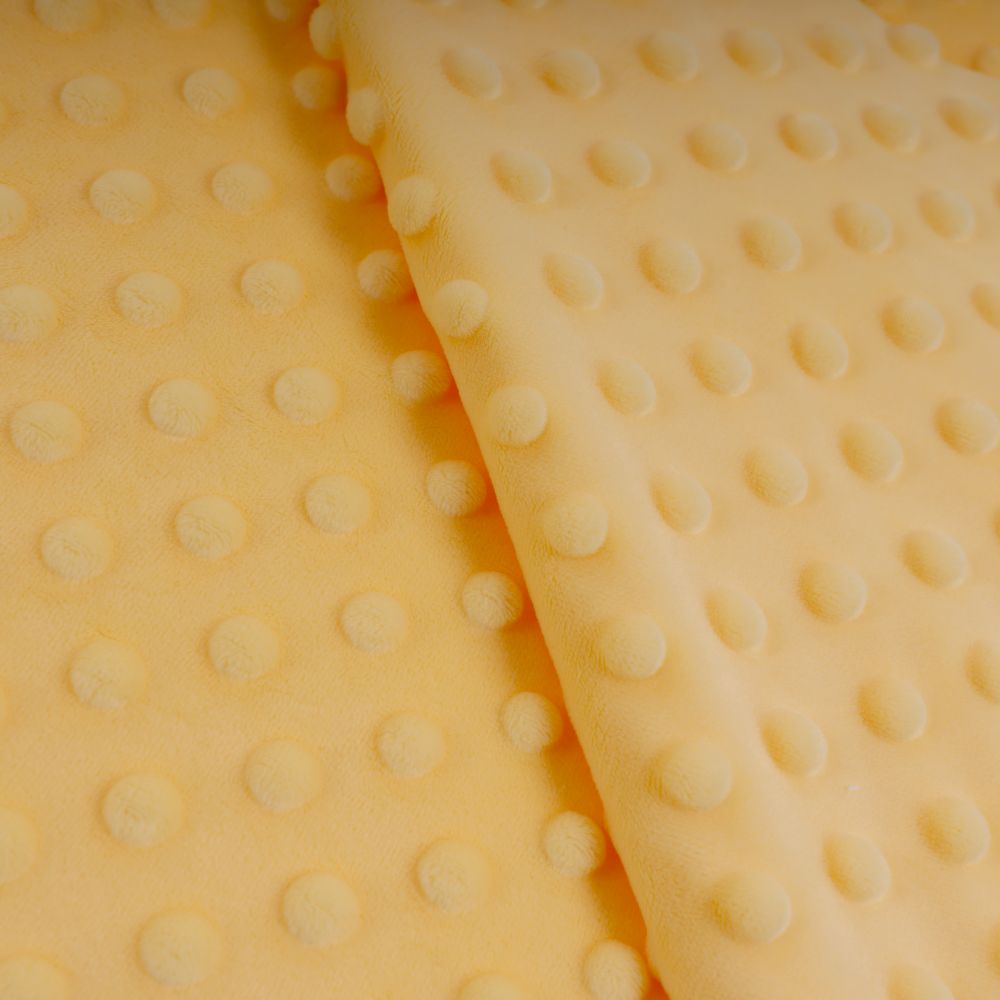
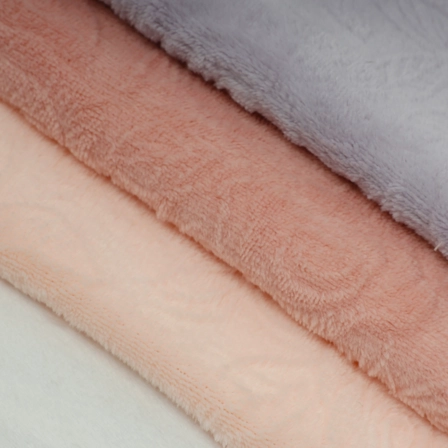
Coral fleece is an ultra-soft polyester fabric characterised by its fine, dense fibres and plush texture.
Key characteristics:
- – Made primarily from 100% polyester
- – High pile density with short, uniform fibres
- Extremely soft and smooth surface
- – Lightweight yet warm
- – Bright colour retention due to synthetic dye compatibility
Coral fleece is often associated with premium softness, making it popular for use in blankets, pyjamas, and baby products.
O que é o tecido polar de flanela?
Flannel fleece fabric is a brushed fabric that can be made from cotton, wool, or synthetic fibres. It has a slightly fuzzy surface, which is created through brushing processes.
Key characteristics:
- – Can be fibre-based (natural or synthetic)
- – Brushed surface for softness
- – Slightly heavier and thicker than coral fleece
- – Good heat retention
- Matte appearance compared to coral fleece
Flannel fleece is traditionally used in shirts, bedding, and winter garments.

Core Differences Between Coral Fleece Fabric and Flannel Fleece Fabric
Comparison Table
| Aspeto | Tecido de lã Coral | Tecido de flanela |
| Composição do material | 100% polyester | Cotton, wool, or blends |
| Textura | Ultra-soft, smooth | Soft, slightly fuzzy |
| Peso | Leve | Medium weight |
| Calor | Moderate to high | Elevado |
| Respirabilidade | Moderado | High (especially cotton) |
| Aparência | Brilhante | Matte |
| Durabilidade | Elevado | Moderado |
Manufacturing Process Comparison
- Coral Fleece Production
- Polyester fiber extrusion
- Knitting into fabric
- Raising (creating a pile surface)
- Dyeing and finishing
- Flannel Fleece Production
- Fiber spinning (cotton/wool/synthetic)
- Weaving or knitting
- Brushing process to create fuzz
- Finishing and softening
| Caraterística | Tecido de lã Coral | Tecido de flanela |
| Base Material | Usually polyester or polyester blends | Cotton, cotton blends, or polyester-cotton blends |
| Construction Method | Knitted and brushed; fine microfibers are raised using mechanical or chemical processes | Woven or knitted; brushed to raise the nap for softness and warmth |
| Brushing Process | Produces ultra-fine, dense pile for extra softness and velvet-like feel | Produces a softer, fuzzy surface, but generally coarser than coral fleece |
| Density and Thickness | Lightweight to medium, highly plush | Medium to heavy, less plush but very warm |
| Textura da superfície | Smooth, velvety, highly uniform | Soft, slightly fuzzy, more textured than coral fleece |
| Moisture Absorption | Moderate; synthetic fibers may limit absorbency | High, especially cotton-based flannel fleece |
| Durabilidade | High resistance to pilling and wear | Durable, but may pill faster than coral fleece, depending on fiber content |
Resumo: Coral fleece focuses on plushness, smoothness, and a lightweight feel, while flannel fleece emphasizes warmth, absorbency, and natural fiber comfort.
Performance Analysis
Physical and Functional Properties
| Property | Velo coral | Velo de flanela |
| Suavidade | Extremely high | Elevado |
| Insulation | Moderate-High | Elevado |
| Moisture Absorption | Baixa | High (cotton) |
| Elasticity | Moderado | Baixa |
| Drying Speed | Fast | Slow |
Aplicações do tecido de lã de coral
Homewear and loungewear: pyjamas, robes, blankets, and sleepwear for soft, cosy comfort.
Baby products: infant blankets, sleep sacks, and baby robes with a velvet-like texture.
Pet accessories: beds, blankets, and soft toys with a plush texture and durable construction.
Winter accessories: scarves, gloves, and hats for lightweight warmth.
Premium bedding: throw blankets and comforters for those who desire luxurious softness.
Applications of Flannel Fleece Fabric
Winter apparel: jackets, hoodies, thermal tops, and trousers for insulation and warmth.
Home textiles: bedsheets, blankets, pillowcases, and quilts for absorbency and comfort.
Sleepwear: pyjamas and nightgowns, particularly in colder climates.
Outerwear linings: jackets and coats that require additional warmth and durability.
DIY and craft products: fleece crafts, soft toys, and upholstery padding.
Application Comparison Table
| Aplicação | Velo coral | Velo de flanela |
| Blankets | Excelente | Good |
| Clothing | Good | Excelente |
| Produtos para bebés | Excelente | Good |
| Winter Wear | Moderado | Excelente |
Vantagens do tecido Coral Fleece
Extremely soft and plush, it is ideal for premium comfort products.
Lightweight yet warm, it provides insulation without bulk.
Durable and resistant to pilling – maintains appearance and feel over time.
Quick-drying: the polyester base dries faster than cotton-based fabrics.
Versatile colour options – accepts dyes easily for vibrant colours and prints.
Advantages of Flannel Fleece Fabric
Excellent warmth: the thick nap traps heat, making it ideal for cold-weather applications.
High moisture absorption – the cotton content improves comfort in humid or sweaty conditions.
Durability – The woven/knitted structure withstands wear and repeated washing.
Soft texture: brushed surface provides a cosy feel.
Eco-friendly options: cotton-based variants are biodegradable and more sustainable.
Limitations and Challenges
- Tecido de lã Coral
– Lower moisture absorption than cotton.
– May feel synthetic to some users.
It can generate static electricity due to its polyester content.
It is sensitive to high-heat washing or ironing, which may damage the fibres.
- Tecido de flanela
Heavier and bulkier than coral fleece; less suitable for lightweight loungewear.
It is prone to shrinkage or pilling if low-quality fibres are used.
It has limited elasticity unless blended with synthetic fibres.
How to Choose Between Coral and Flannel Fleece?
Decision Factors
| Fator | Recommendation |
| Climate | Flannel for cold climates, coral for mild |
| Comfort Priority | Coral fleece for softness |
| Respirabilidade | Flannel fleece |
| Maintenance | Coral fleece (easy care) |
Market Trends (2026–2030)
Sustainable materials: growing use of recycled polyester in coral fleece and organic cotton in flannel fleece.
Performance enhancements: integration of antimicrobial, moisture-wicking, and anti-pilling finishes.
Home-to-Street Fashion: increased use of both fabrics in casual loungewear that can be worn outdoors.
Premium baby and elderly products: demand for ultra-soft, skin-friendly fabrics continues to rise.
Customisation and digital printing: growth in printed patterns, embroidery, and personalised designs for both fabric types.
Common Misconceptions
- ‘All fleece fabrics are the same’ – Coral and flannel fleece differ in fibre composition, feel, weight, and performance.
- ‘Coral fleece is only for luxury products’ – lightweight coral fleece is also widely used in everyday clothing and accessories.
- ‘Flannel fleece is too heavy for loungewear’ – blended and lighter-weight versions are increasingly used in casual wear.
- ‘Synthetic fleece feels cheap’ – modern coral fleece offers plushness and durability comparable to natural fibres.
- ‘Fleece fabrics don’t need special care’ – both fabrics require proper washing, drying, and storage to maintain softness and longevity.
FAQ: Coral Fleece vs Flannel Fleece
- What is the main difference between coral fleece and flannel fleece?
Coral fleece is synthetic and ultra-soft, while flannel fleece can be natural and is warmer and more breathable.
- Which is better for winter?
Flannel fleece is generally better for colder climates.
- Is coral fleece suitable for babies?
Yes, due to its softness and hypoallergenic properties.
- Which fabric is easier to maintain?
Coral fleece dries quickly and resists wrinkles.
- Is flannel fleece eco-friendly?
It can be if made from natural fibers like cotton.
Conclusão
Both coral fleece and flannel fleece offer unique advantages depending on the application and the user’s needs. Coral fleece is renowned for its softness, lightweight comfort, and ease of maintenance, making it ideal for blankets and loungewear. Flannel fleece, on the other hand, provides superior warmth and breathability, as well as a traditional appeal, making it better suited to winter clothing and bedding.
Understanding these differences enables manufacturers, designers, and consumers to make informed decisions, optimise product performance, and align with market demands. As sustainability and innovation continue to shape the textile industry in 2026, selecting the right fleece fabric will remain key to achieving both comfort and a competitive advantage.