
Выбор подходящей домашней одежды требует не только выбора мягкого и комфортного материала. Для брендов одежды, розничных продавцов и команд по поиску поставщиков правильный выбор зависит от множества факторов, включая эксплуатационные характеристики ткани, назначение изделия, целевую аудиторию, климатические условия и производственные требования.
Подходящий материал для домашней одежды должен обеспечивать комфорт при длительном ношении, сохраняя при этом долговечность, стабильность формы и постоянное качество после многократной стирки. Будь то разработка премиальных комплектов для дома, зимней домашней одежды или коллекций под собственной торговой маркой, покупатели должны оценивать конструкцию ткани, её вес, мягкость, теплоизоляционные свойства и возможности поставщика.
Это руководство объясняет, как выбрать подходящую домашнюю одежду с точки зрения как потребителей, так и профессиональных поставщиков, включая выбор ткани, характеристики готовых изделий, оценку качества и учет поставщиков.
Понимание назначения домашней одежды перед выбором материалов
Первый шаг в выборе подходящей домашней одежды — это понимание того, как будет использоваться продукт. Различные применения требуют разных характеристик ткани.
Домашняя одежда предназначена для занятий, ориентированных на комфорт, включая отдых дома, удалённую работу, путешествия, повседневные занятия в помещении и ежедневный досуг. Однако на разных рынках могут предъявляться разные требования к уровню тепла, мягкости, внешнему виду и долговечности.
- Легкая домашняя одежда для теплого климата
- Мягкие премиальные комплекты для домашнего отдыха
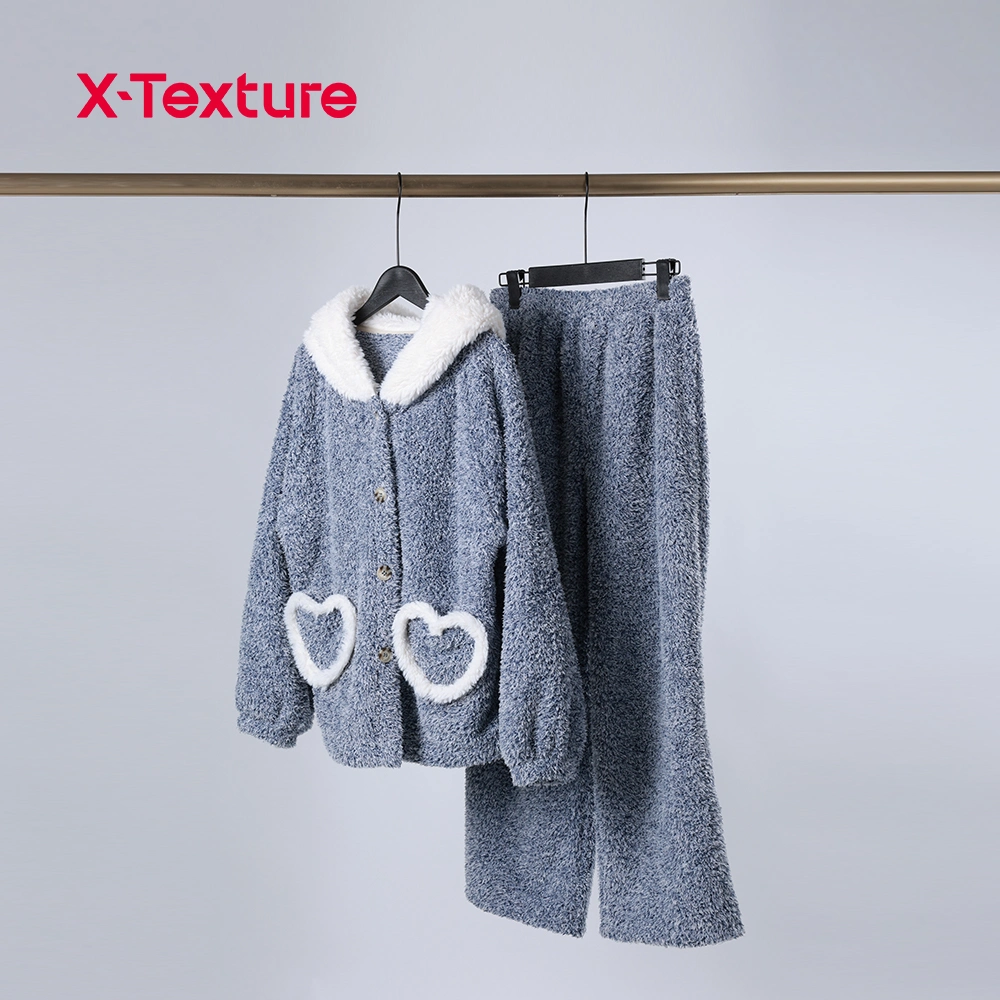
- Теплые изделия на основе флиса для зимних рынков
- Домашняя одежда для путешествий, требующая комфорта и долговечности
- Модные коллекции домашней одежды для розничных брендов
Для производителей одежды определение целевого рынка до выбора ткани помогает избежать неправильного позиционирования продукта. Легкий комплект из модала и тяжелый флисовый костюм могут быть одинаково удобными, но отвечают совершенно разным потребностям клиентов.
Ключевые факторы при выборе подходящей домашней одежды
1. Комфорт и ощущение ткани
Комфорт — один из самых важных факторов при выборе домашней одежды, поскольку такие вещи обычно носят в течение длительного времени.
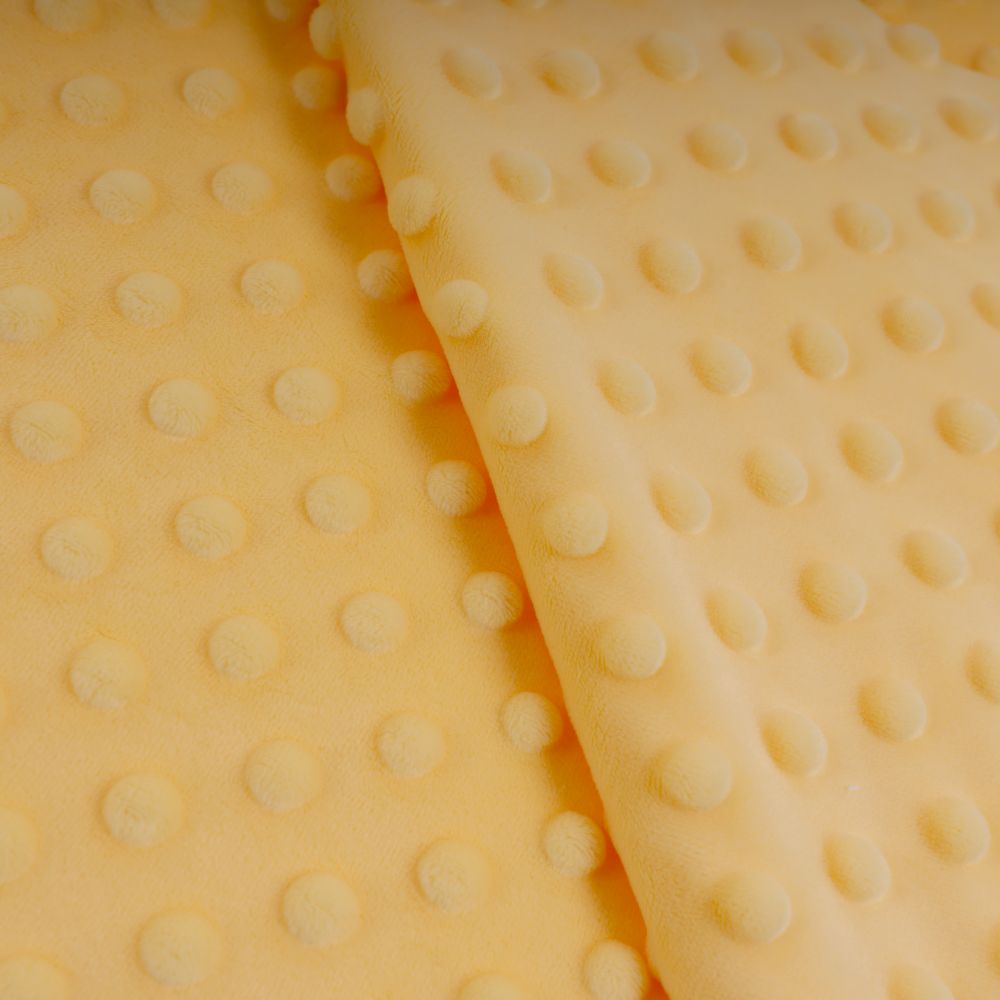
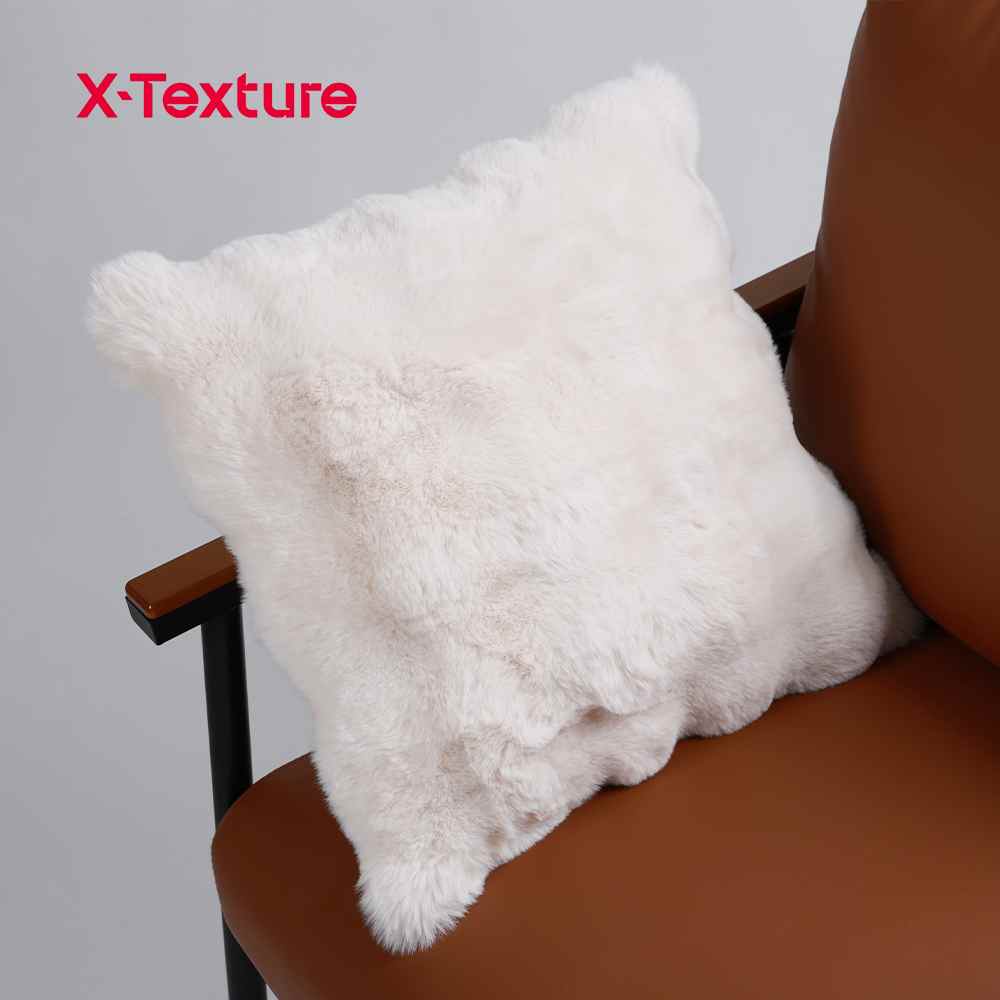
Мягкость ткани зависит от типа волокна, структуры пряжи, процесса отделки и обработки поверхности. Такие материалы, как хлопок, модал, флис и коралловый флис, обычно выбирают, потому что они обеспечивают разные характеристики комфорта.
Однако только мягкость не определяет качество продукта. Некоторые ткани могут казаться гладкими на первый взгляд, но терять свои свойства после многократной стирки.
2. Вес и толщина ткани
Вес ткани сильно влияет на теплоизоляцию, драпируемость и комфорт при ношении. Покупатели должны учитывать GSM (грамм на квадратный метр) при оценке материалов для домашней одежды.
| Тип ткани | Основные характеристики | Подходящее применение |
|---|---|---|
| Хлопковая джерси | Дышащая, легкая, комфортная | Ежедневная домашняя одежда и летние коллекции |
| Смесовая ткань из модала | Гладкая, мягкая, отличная драпируемость | Премиальные легкие комплекты для дома |
| Коралловый флис | Мягкая поверхность, теплая, плюшевая текстура | Зимняя домашняя одежда и уютные коллекции |
| Полярный флис | Легкая теплоизоляция и быстрая сушка | Домашняя одежда для холодной погоды и стили, вдохновленные активным отдыхом |
| Фланелевый флис | Щеточная теплоизоляция и комфортная поверхность | Пижамы и домашняя одежда для холодного сезона |
Как выбрать лучшую ткань для домашней одежды
Нет единой ткани, подходящей для всех изделий домашней одежды. Лучший выбор зависит от целевого рынка, климата, ценового позиционирования и функциональности продукта.
Домашняя одежда из хлопка
Хлопок остается одним из наиболее широко используемых материалов благодаря своей воздухопроницаемости и естественному комфорту.
Он подходит для повседневных изделий домашней одежды, особенно в умеренном или теплом климате. Покупатели должны обращать внимание на контроль за усадкой, конструкцию ткани и стабильность цвета.
Домашняя одежда из флиса
Флисовые ткани обычно выбирают для холодного сезона, потому что их щеточная структура способствует улучшению тепла и мягкости.
Разные виды флиса дают разные ощущения. Например, коралловый флис ориентирован на плюшевую мягкость, тогда как полярный флис часто выбирают, когда важны легкая теплоизоляция и долговечность.
При закупке домашней одежды из флиса покупатели должны оценивать:
- Плотность ворса
- Вес ткани
- Мягкость после стирки
- Устойчивость к образованию катышков
- Стойкость цвета
- Производительность ткани по выпадению ворса
Смесовые ткани
Многие коммерческие изделия домашней одежды используют смесовые ткани, чтобы сбалансировать комфорт, долговечность и стоимость.
Например, полиэстерные смеси могут улучшить удержание формы и скорость высыхания, тогда как натуральные волокна способны повысить мягкость и воздухопроницаемость.
Учитывайте климатические и сезонные требования
Климат оказывает прямое влияние на выбор ткани.
Продукты, предназначенные для холодных регионов, обычно требуют более сильной теплоизоляции, толще структуры или щеточной поверхности. Тем временем на рынках с теплым климатом чаще предпочитают легкие ткани с лучшей циркуляцией воздуха.
- Холодный климат: флис, фланелевый флис, термо-ткани
- Умеренный климат: хлопковые смеси, французский футер, легкий флис
- Теплый климат: хлопковая джерси, модал, вискозные смеси
Оцените качество домашней одежды перед массовым производством
Для оптовиков и брендов одежды оценка образцов является обязательной перед началом производства.
Профессиональный обзор ткани должен включать:
- Проверку внешнего вида и однородности поверхности ткани
- Испытание мягкости и ощущения на ощупь
- Оценку веса и толщины ткани
- Проверку усадки после стирки
- Оценку устойчивости к образованию катышков
- Тестирование устойчивости цвета
- Анализ строчки и конструкции изделия
Распространённые ошибки при выборе домашней одежды
Выбор только на основе цены
Низкая стоимость ткани может привести к проблемам в будущем, если снизится стабильность качества, долговечность или удовлетворенность клиентов.
Игнорирование предпочтений целевого рынка
Ткань, хорошо зарекомендовавшая себя в одном регионе, может не оправдать ожиданий на другом рынке.
Сосредоточение только на мягкости
Мягкость важна, но покупатели также должны учитывать долговечность, стойкость к стирке и комфорт в долгосрочной перспективе.
Как брендам выбрать подходящего поставщика домашней одежды
Для покупателей B2B выбор правильного поставщика так же важен, как и выбор подходящей ткани.
Надежный партнер по тканям должен предоставлять:
- Стабильное качество ткани
- Четкие технические характеристики
- Стабильные производственные возможности
- Возможности кастомизации
- Профессиональную коммуникацию
- Поддержку контроля качества
Прежде чем размещать заказ, покупатели должны подтвердить состав ткани, доступные цвета, требования к кастомизации, стандарты испытаний и производственные процессы.
Заключение
- Определите целевой рынок и назначение продукта перед выбором материалов для домашней одежды.
- Сравнивайте ткани по удобству, теплу, долговечности и требованиям к уходу.
- Оценивайте GSM, конструкцию и отделку, а не сосредотачивайтесь только на мягкости.
- Испытайте образцы перед крупносерийным производством.
- Работайте с поставщиками, которые могут обеспечить стабильное качество и поддержку кастомизации.
ЧАСТО ЗАДАВАЕМЫЕ ВОПРОСЫ
Вопрос: Какая ткань лучше всего подходит для домашней одежды?
Ответ: Лучшая ткань зависит от цели использования. Хлопок отлично подходит для дышащих повседневных изделий, тогда как флисовые ткани подходят для более тёплой зимней домашней одежды. В премиальных изделиях могут использоваться модальные или смесовые ткани для улучшения мягкости и комфорта.
Вопрос: Подходит ли флис для домашней одежды?
Ответ: Да. Флис обычно используется для домашней одежды в холодную погоду, поскольку он обеспечивает тепло, мягкость и лёгкую теплоизоляцию. Различные конструкции флиса предлагают разные уровни комфорта и долговечности.
Вопрос: Как выбрать ткань для домашней одежды при оптовом производстве?
Ответ: Оптовые покупатели должны учитывать состав ткани, GSM, целевой рынок, климат, требования к качеству, возможности кастомизации и стабильность поставщика перед выбором материалов.
Вопрос: Что делает домашнюю одежду комфортной?
Ответ: Комфорт зависит от мягкости ткани, воздухопроницаемости, посадки, эластичности, конструкции изделия и регулирования температуры. Комфортный продукт балансирует несколько факторов производительности.
Вопрос: Что брендам следует проверить перед покупкой домашней одежды?
Ответ: Брендам следует изучить образцы ткани, стойкость к стирке, размеры, долговечность, устойчивость цвета, возможности поставщика и варианты кастомизации перед производством.