
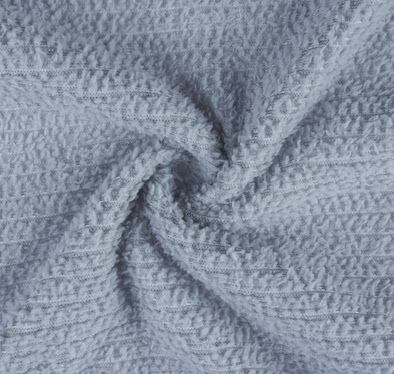
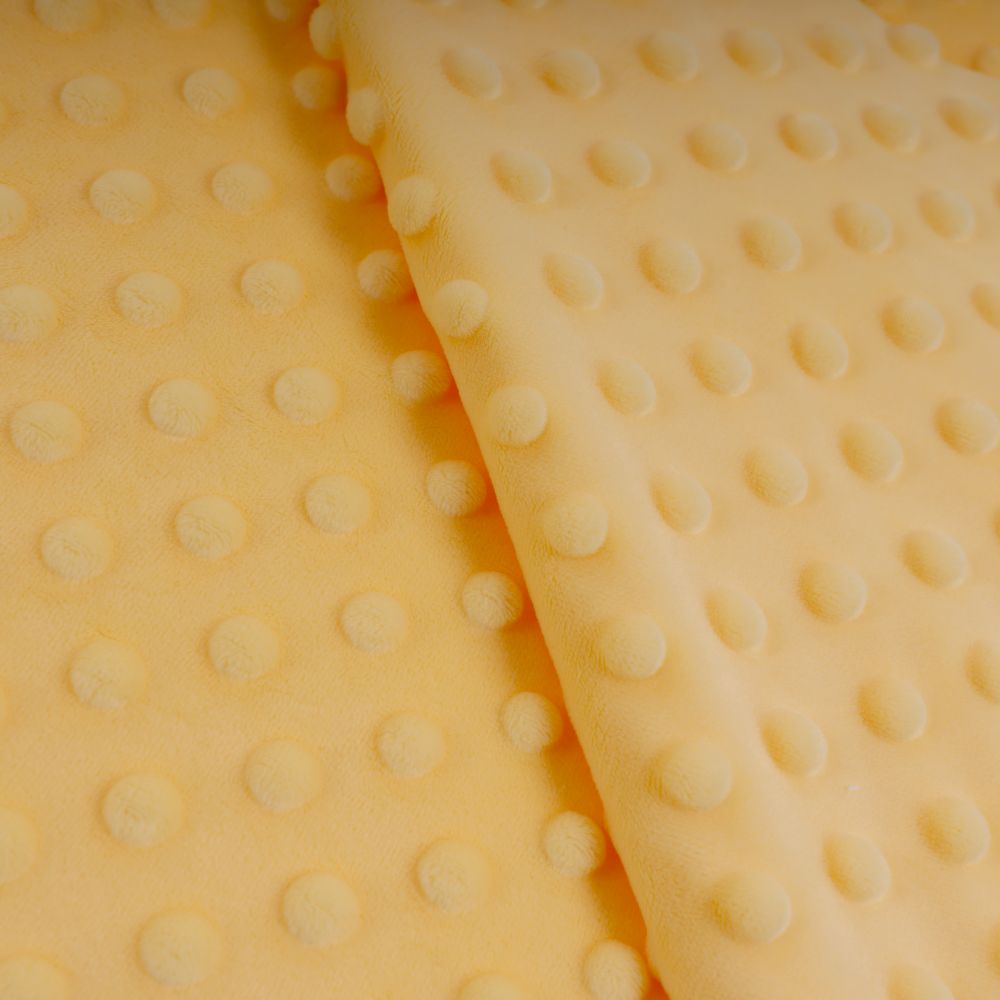

Breathable jacquard sherpa fleece fabric is fast becoming the material of choice in modern textiles, particularly for cold-weather apparel and comfortable home goods. It has climbed high on the list because its warmth and softness can somehow still allow air to pass through it with moisture as well. This is not at all like the old heavy fleece fabrics that would trap heat almost as much as they gave out; breathable jacquard sherpa fleece fabric provides a more nuanced level of warmth that permits comfort over an array of different conditions.
The details of what makes the fabric both warm and comfortable lie within its structure, fiber content, construction method, weaving in this case, and even by means of intended functional performance. It all begins with a jacquard construction that promotes airflow up to an outer surface layer of sherpa fleece delivering insulation; each element is instrumental in how the fabric performs under actual usage conditions.
Understanding Breathable Jacquard Sherpa Fleece Fabric
Breathable jacquard sherpa fleece fabric is a composite textile that combines jacquard weaving techniques with sherpa-style fleece construction. Each component contributes distinct functional advantages that work together to improve comfort, warmth, and usability.

What Defines Sherpa Fleece Fabric
Sherpa fleece fabric is widely known for a soft, fluffy texture that mimics natural sheepskin. The air is piled up inside the fiber of the structure and, as such, forms an insulating layer which helps to keep body heat within the system. This same feature enables sherpa fleece fabric to be among the most[citation needed] used fabrics in cold-weather apparel, blankets, and linings.
Light and warm fibers trap air. That is the reason it can be made into a garment that will give sufficient warmth without being heavy or feeling massive on the body.
The Role of Jacquard Construction
Jacquard is defined as a weaving or knitting technique that permits the formation of complex patterns directly in the structure of the fabric. In breathable jacquard sherpa fleece fabric, it does more than provide visual texture. The jacquard structure allows preset variations in density and spacing, which show up as results on breathability and airflow.
Jacquard construction integrates patterned zones or micro-channels into the base fabric to facilitate the movement of heat and moisture. This reduces the possibility of total overheating while still maintaining insulation.
How Breathability Enhances Overall Comfort
Breathability is a critical factor in determining how comfortable a fabric feels during extended wear or use. In cold environments, poor breathability can lead to moisture buildup, which ultimately reduces warmth and comfort.
Airflow and Moisture Regulation
Jacquard is defined as a weaving or knitting technique that permits the formation of complex patterns directly in the structure of the fabric. In breathable jacquard sherpa fleece fabric, it does more than provide visual texture. The jacquard structure allows preset variations in density and spacing, which show up as results on breathability and airflow.
Jacquard construction integrates patterned zones or micro-channels into the base fabric to facilitate the movement of heat and moisture. This reduces the possibility of total overheating while still maintaining insulation.
Reducing Overheating and Clamminess
Traditional fleece fabrics, densely constructed, tend to be too good at trapping heat inside. Breathable jacquard sherpa fleece fabric lets out just enough air to reduce that slight over-warmth feeling while still keeping most warmth in.
That makes it suited not only for use in deep cold but also within moderate climates where regulation and maintenance of comfort temperatures are key.
The Science Behind Warmth in Sherpa Fleece
Warmth in breathable jacquard sherpa fleece fabric is achieved through a combination of fiber structure, fabric thickness, and air retention rather than sheer material weight.
Loft and Air Trapping
The surface of the sherpa fleece contains raised fibers, creating loft. Loft traps pockets of air, which become still and act as an insulating barrier against cold external temperatures. Since air is a bad conductor of heat, this pocket significantly reduces heat loss.
Even if the fabric is light in weight, the structure permits it to attain and maintain thermal efficiency comparable to heavier materials.
Thermal Efficiency Without Bulk
Breathable jacquard sherpa fleece fabric keeps the bulk down while building up excellent warming properties inside. That makes it good for use in garments where mobility should be preserved within the clothing—jackets, hoodies, and lounge pants.
For home textile applications, lightweight warmth means heavy-looking but actually light blankets and throws.
Fiber Composition and Material Performance
The comfort and warmth of breathable jacquard sherpa fleece fabric are also influenced by the fibers used in its construction.
Synthetic Fibers and Softness
Sherpa fleece fabrics are made from synthetic fibers. Most commonly polyester. The fibers are soft, strong, and able to stand the test of time in loft. Polyester does not readily absorb moisture. Even when it is wet with water, it will try to stay dry inside and conserve heat.
Smooth synthetic fibers do not raise much irritation on the skin, either, thus making breathable jacquard sherpa fleece fabric suitable for direct contact with the skin.
Durability and Shape Retention
High-quality jacquard sherpa fleece fabric has a strong, structured base of jacquard to hold the shape of the fabric even after many washes and uses, with a pile on top that resists matting and flattening. This is another added advantage to ensure long life, together with warmth and comfort that the fabric provides.
The Importance of Texture and Surface Feel
Comfort is not only about temperature regulation but also about how the fabric feels against the skin.
Softness and Skin-Friendly Qualities
The plush surface of Sherpa fleece creates a soft, cushioned feeling, which adds to the perceived comfort. Breathable jacquard sherpa fleece fabric mostly has its pile height finely tuned to maintain softness without excessive shedding or linting.
This tactile comfort forms one major reason the fabric is favored for garments worn close to the body and home textiles intended for relaxation.
Visual and Sensory Appeal
Jacquard patterns provide fine visual texture and depth to the fabric, making it look beautiful. The pattern delivers richness and a crafted feel together with functional airflow.
Breathable jacquard sherpa fleece fabric looks physically comfortable for both functional and decorative uses because its appearance assuages the eye in much the same way as it would actual physical contact.
Applications That Benefit from Comfort and Warmth
The balanced properties of breathable jacquard sherpa fleece fabric make it suitable for a wide range of uses.
Apparel and Fashion Uses
Commonly found in jackets, vests, hoodies, and the linings of apparel. Its warmth-to-weight ratio makes it perfect for layering, while its breathability counts on keeping comfort during everyday use.
Designers often select breathable jacquard sherpa fleece fabric for casual and lifestyle clothing, which places a high priority on comfort without compromising the look.
Home Textile Applications
For home textiles, the fabric is used for blankets and throws as well as cushions and bedding accessories. Softness of the material together with its thermal properties suit perfectly such goods which are meant to promote relaxation and keep warm within living spaces.
The jacquard also provides decorative versatility, making the fabric suitable for two purposes – functional and aesthetic.
Comparing Breathable Jacquard Sherpa Fleece to Traditional Fleece
Understanding what sets breathable jacquard sherpa fleece fabric apart requires comparison with standard fleece materials.
Improved Temperature Regulation
Traditional fleece fabrics often focus primarily on insulation. While effective at retaining heat, they may lack sufficient airflow. Breathable jacquard sherpa fleece fabric improves upon this by integrating breathability into the structure, resulting in more balanced thermal performance.
Enhanced Versatility
Because it adapts well to varying temperatures and activity levels, breathable jacquard sherpa fleece fabric offers greater versatility. It performs well in both indoor and outdoor environments, making it a flexible choice across product categories.
Long-Term Comfort and Performance
Comfort and warmth are not only immediate qualities but also long-term characteristics influenced by fabric performance over time.
Resistance to Wear and Compression
High-quality sherpa fleece maintains its loft even after repeated use. The jacquard base helps support the fleece pile, reducing compression and flattening that could compromise warmth.
Easy Care and Maintenance
Breathable jacquard sherpa fleece fabric is typically easy to care for, requiring simple washing and drying routines. Its resistance to shrinking and deformation helps preserve comfort and appearance over time.
Frequently Asked Questions About Breathable Jacquard Sherpa Fleece Fabric
Is breathable jacquard sherpa fleece fabric suitable for all seasons?
It is best suited for cool to cold conditions, but its breathability allows it to remain comfortable during transitional seasons without excessive overheating.
Does jacquard construction affect warmth?
Yes, jacquard construction influences airflow and fabric density, helping balance insulation and breathability for more consistent warmth.
Is this fabric comfortable for sensitive skin?
The soft sherpa fleece surface and smooth synthetic fibers make it generally comfortable for sensitive skin, especially when used as an inner layer.
How does it compare to wool in terms of warmth?
While wool offers natural insulation, breathable jacquard sherpa fleece fabric provides comparable warmth with lighter weight, easier care, and improved moisture resistance.