

Article Summary:
Polar ve flannel fleece are often considered to be “warm, soft fabrics” that differ significantly in regard to their fiber composition, manufacturing process, thermal behavior, durability, and end-use performance.
According to Textiles: Fiber to fabric by Bernard P. Corbman and Fabric Science by Joseph J. Pizzuto, the performance of fleece is primarily derived from the fiber type, the surface design, and the process of finishing, not just the fabric’s weight or softness.
This article employs existing literature on textile science and current industry practices to discuss the differences between flannel fabric and polar fabric in the real world, both in terms of apparel and accessories, as well as promotional and industrial textiles.
Introduction: Why the Difference Between Polar Fleece and Flannel Fleece Matters?
Consumers, designers, and consumers of fabric frequently question whether polar fleece and flannel fleece are substitutes. At first contact, both fabrics appear to be warm, soft, and insulating. However, this commonality on the surface often results in an incorrect selection of material, specifically in the manufacturing of apparel, private-label bedding, outdoor gear, and domestic textiles.
From a professional view of textile professionals, the distinction is not primarily cosmetic. Flannel and polar fleece have different behaviors when washed, scrubbed, exposed to moisture for a long period of time, and used in different situations.
These discrepancies have an effect on the lifespan of garments, their thermal efficiency, comfort, sustainability, and cost of production. Understanding the process of fabric creation and completion is crucial to choosing the appropriate material for a particular application.
Understanding Fleece Fabrics in General
Fleece isn’t a fiber: it’s a fabric type that is characterized by the surface texture and behavior towards insulation. Many fleece fabrics’ components are designed to undergo brushing or napping, which creates a flocked structure that retains air and improves the thermal properties.
Common attributes of fleece fabric include:
- A soft, pleasant sensation caused by the increased fibers.
- Insulation through trapped air
- Heavier relative to the temperature they produce.
- Skin-to-skin comfort
However, the composition of fibers, their density, and the way they are finished create a significant difference in categories of fleece.
What Is Polar Fleece?
Polar fleece is a synthetic fabric that is typically composed of 100% polyester, and which is often derived from recycled PET bottles. Developed in the late 20th century as a lightweight alternative to wool, polar fleece is designed to have a high degree of warmth-to-weight.
The structure of manufacturing polar fleece is described in the following manner.
Polar fleece is typically fabricated using a circular design that is followed by a series of intensive dual-sided flossing. The brushing procedure excises the polyester’s filament ends; this procedure creates a uniform cluster that effectively traps air.
Key technical attributes include:
- The behavior of hydrophobic fibers
- Low capacity to absorb moisture
- Rapid drying
- Elevated loft retention
Because of its synthetic origin, polar fleece is highly consistent in quality and thickness across large volume productions.
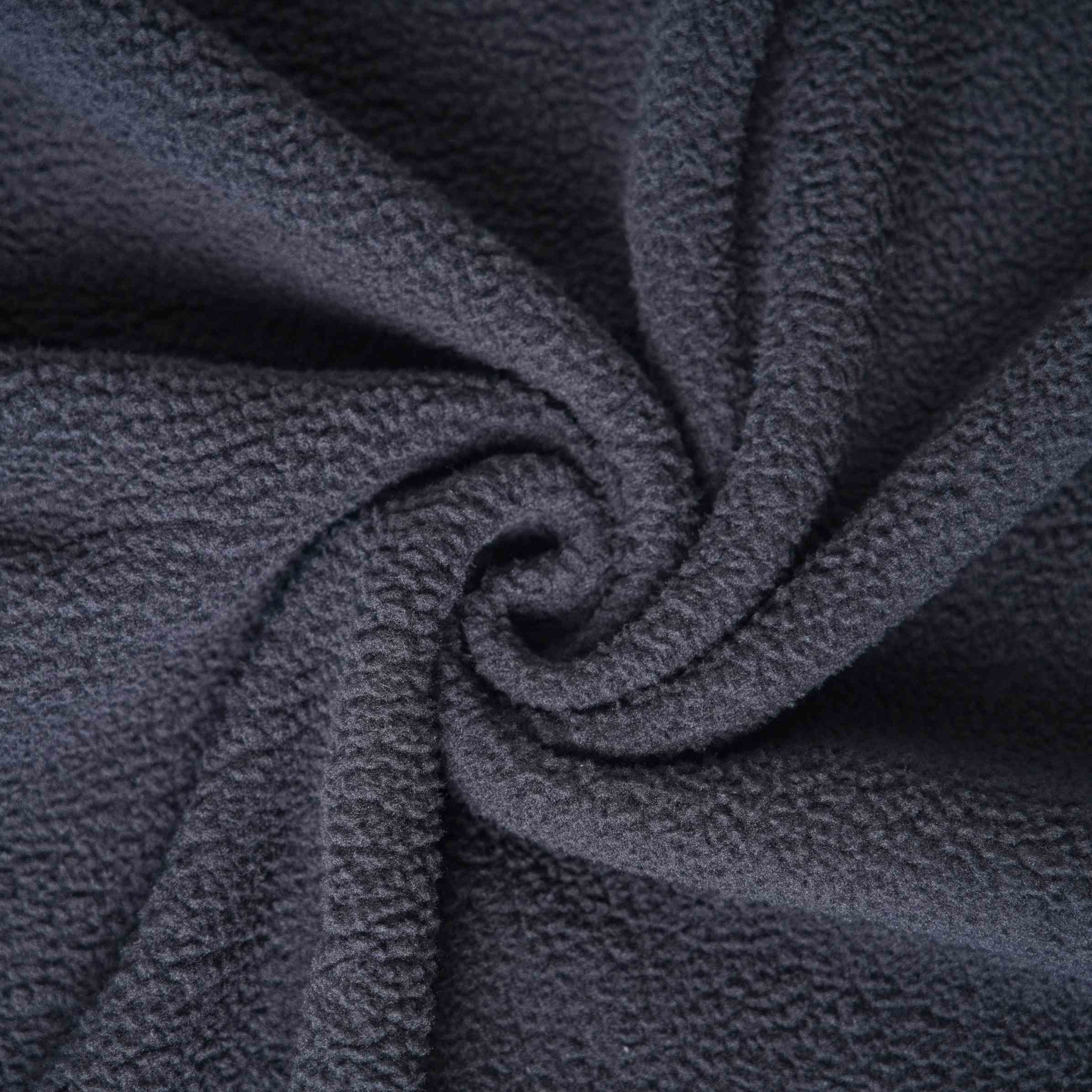
Flanel Polar Kumaş Nedir?
Flannel fleece fabric is a hybrid fabric that possesses the properties of traditional flannel plus the ability to be finished with a fleece-style surface. Unlike polar fabric, flannel fabric is composed of cotton, cotton-poly blends, or polyester, based on the application and cost considerations.
Building of Flannel Fleece fabric
Flannel fabric is typically composed of a plain or woven base that is lightly brushed on one or both sides. The brushing is less violent than polar clothing, which leads to:
- Lower pile volume
- More gradual, less dramatic fall
- Less volume
This is beneficial to the flannel fabric, which is particularly suited for use in interior textiles that provide comfort, sleepwear, and casual clothing. The fabric is breathable, but still provides a lot of insulation.

Fiber Composition: A Fundamental Difference
One of the greatest discrepancies between polar fleece and flannel fleece is the amount of fiber present.
Polar fleece is primarily composed of polyester. Polyester fibers are powerful, stretchy, and resistant to biological deterioration. This leads to a long lifespan but limited airability.
Flannel fabric, on the other hand, typically contains natural fibers like cotton that enhance the absorption of moisture and regulate the temperature better, but they also have a lower resistance to damage.
From a textile science perspective, the composition of fibers affects thermal regulation, odor retention, sustainability, and the end-of-life recyclability of products.
Thermal Performance and Insulation Behavior
The polar fleece is intended to have the greatest capacity for heat retention. Its compacted layer structure promotes air conservation, making it appropriate for cold environments outside of the home, middle layers, and technical attire.
Flannel fabric’s insulation properties are considered moderate; it relies more on the fabric’s density than on its height. It is effective at retaining heat in mild to cold conditions, but it does not have the same effectiveness in extreme cold.
This distinction is responsible for the fact that polar fleece is more popular in sportswear and loungewear, while flannel is more popular in apparel that is intended for everyday use, such as shirts and pants.
Breathability and Moisture Management
Breathability is a common attribute of fabric choice.
The polar fabric is more effective at repelling moisture than it is at absorbing it. This facilitates its quick drying, but it can also prevent the skin from being excessively wet during high activity.
Flannel fabric that is primarily composed of cotton is prone to absorbing moisture and releasing it over time, which creates a more consistent microclimate. This causes flannel fabric to have a more beneficial effect on sleep and long-term wear in the house.
Texture, Hand Feel, and Comfort
-
polar fabric
Polar fleece is a synthetic fabric that is typically composed of polyester. It possesses a fluffy, soft, and lofted surface that is created through the brushing and shearing processes.
Extremely lightweight yet highly temperature-supporting.
Smooth interior sensation, plush exterior surface
Excellent thermal insulation caused by trapped air.
Comfort profile: Warm, inviting, and ideal for use in cold weather, though less breathable than natural fibers.
-
Flanel kumaş
Flannel fabric is typically composed of cotton or a mixture of cotton and other fibers that have been brushed to produce a soft nap.
Less harsh, more inviting hand feel
Less significant and more ventilated
Initially, it feels more inviting than the skin.
Comfort profile: Skin-friendly, especially for people who are sensitive to synthetic fibers.
Durability and Pilling Resistance
-
Arctic Fleece
High tensile strength and resistance to tears.
Maintains its shape after multiple washes.
More susceptible to the surface coating, this is especially true of lower-quality polyester.
Anti-pilling effects and superior filament quality can have a significant impact on performance.
-
Flanel Polar
Moderate resistance compared to polar fabric
The cotton fibers are weakened over time as they are washed.
Less severe pilling that is more likely to exhibit surface wear and thinning over time.
Özet:
Polar fleece is typically superior to flannel in the long term, while flannel has a reasonable lifespan for everyday use.
Environmental and Sustainability Considerations
-
Arctic Fleece
primarily composed of polyester derived from petroleum
Increasing the popularity of recycled PET (rPET) from plastic bottles of plastic.
A possible cause of the microplastic release during washing.
A long service life increases the frequency of replacement.
-
Flanel Polar
Often composed of natural cotton, this material is sometimes organic.
Biologically biodegradable, when conditions are right
More frequent cotton fields and pesticides in conventional farming.
Less difficult to dispose of at the end of life compared to synthetic materials.
The trade-off between sustainability and efficiency is called the sustainability trade-off.
The polar fabric offers sustainability and recyclability, while flannel fabric is more compatible with natural fibers and biodegradability.
Comparison Table: Polar Fleece vs Flannel Fleece Fabric
| Özellik | Polar Polar | Flanel Polar Kumaş |
| Primary Fiber | Polyester | Cotton, polyester, or blends |
| Fabric Structure | Knit with heavy brushing | Knit or woven with a light brushing |
| Warmth Level | Yüksek | Orta |
| Nefes alabilirlik | Moderate to low | Yüksek |
| Moisture Behavior | Repels water | Absorbs moisture |
| El Hissi | Plush, springy | Soft, natural, flat |
| Best Uses | Outdoor wear, jackets | Sleepwear, blankets, casual apparel |
| Sustainability Profile | Recyclable but sheds microplastics | Biodegradable (cotton versions) |
Applications in Apparel and Home Textiles
-
Polar Fleece Utilizations
Outdoor coats and middle layers
Sportswear and apparel for performance
Yatak örtüleri ve battaniyeler
Pet products and insulation for industrial purposes.
-
Flannel Fleece Utilization
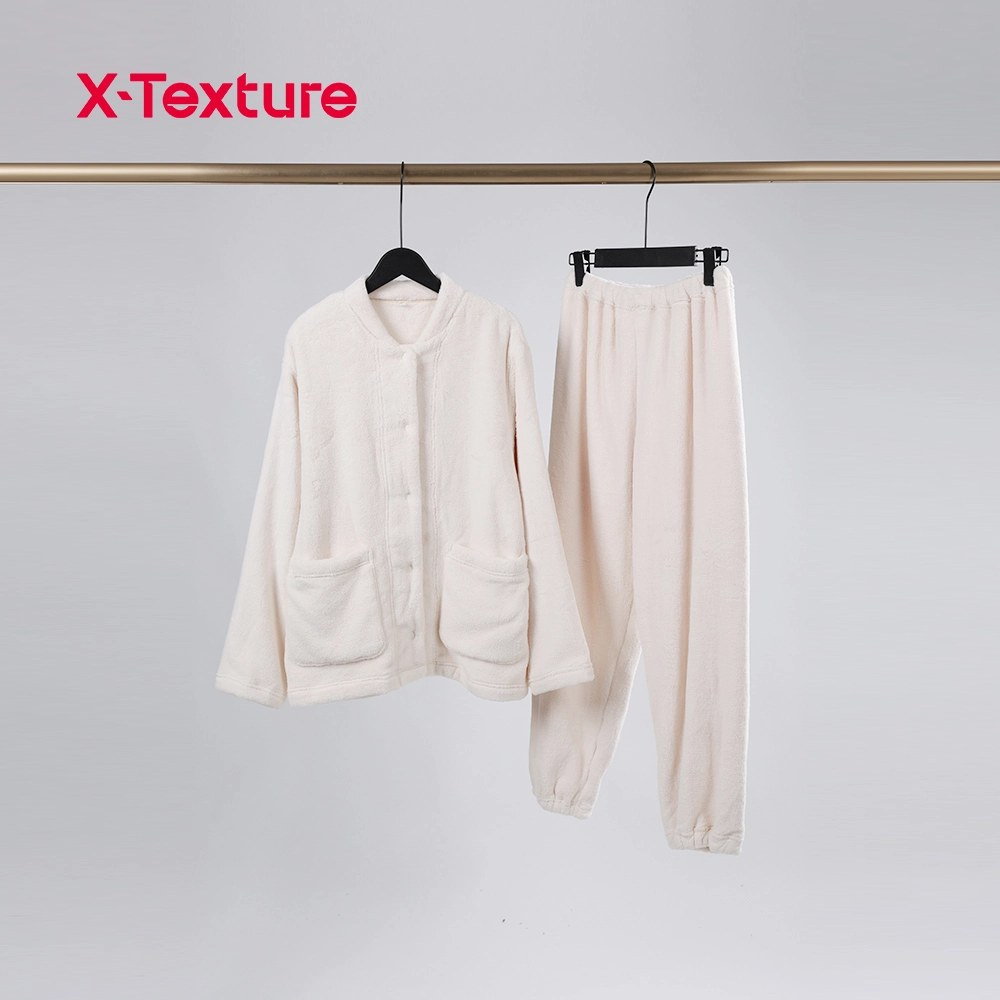
Pajamas and casual wear
Baby’s clothing and lining
Bedsheets and pillowcases
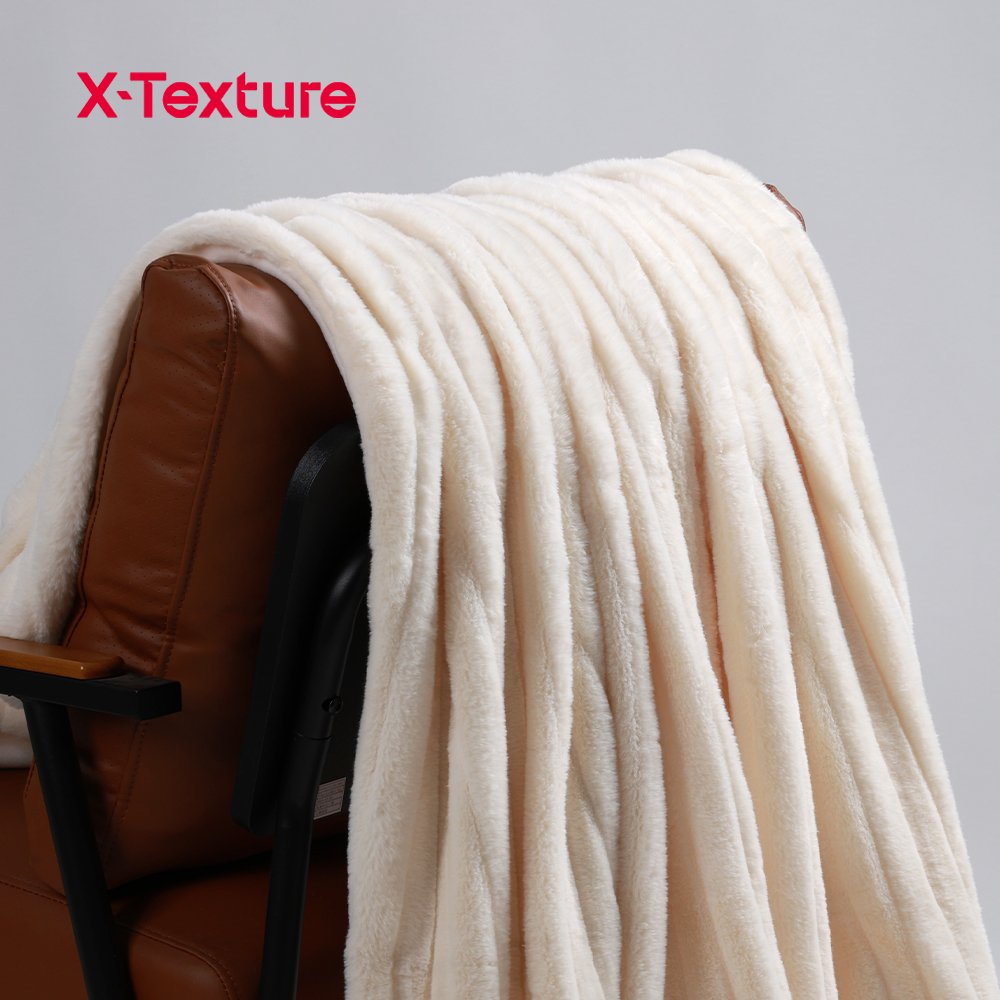
Lightweight covers and domestic textiles
Main difference:
The polar fabric has the greatest success in both performance and consumer markets, while the flannel fabric is most popular in comfortable, domestic-based applications.
Cost and Production Considerations
-
Arctic Fleece
Produced through the combination of knitting and mechanical processing
Large-scale production that is highly scalable.
Lower costs of raw materials at high quantities
Constant quality of the batch.
-
Flanel Polar
Requirements for high-quality cotton and cleaning processes.
The expense of fabric is dependent on the price of cotton.
The cost of premium products is typically higher.
More variety in the feel of the hand and its quality.
Cost breakdown:
Polar fabric is typically more budget-friendly for mass production, while flannel fabric is prized in the comfort-oriented or natural-fiber categories.
FAQ: Polar Fleece vs Flannel Fleece Fabric
Is flannel fabric more warming than polar fabric?
No. Polar fleece has a higher insulation effect because of its extra-thick pile and air-trapping design.
Is flannel fabric beneficial for the skin that is sensitive?
Yes. especially cotton-based flannel fabric is often preferred by skin that is sensitive.
What fabric is more beneficial for covering?
Flannel fabric is most commonly used for interior blankets because of its breathability and softness, while polar fabric is most appropriate for use outside.
Does the polar fabric have a longer lifespan than the flannel fabric?
Typically, yes, because of the polyester’s higher resistance to abrasion.
Can flannel fabric be utilized to create winter clothing?
Yes, but primarily in environments with mild temperatures instead of temperatures that are extreme, such as the outdoors.
Conclusion: Choosing Between Polar Fleece and Flannel Fleece Fabric
The distinction between polar fleece and flannel fleece is based not only on the softness of the fabric but also on the science of fiber, the behavior of thermal energy, the comfort of the fabric, and its intended use.
The polar fabric is exceptional in performance-based garments that require warmth, durability, and quick drying. Flannel fabric offers superior relaxation, fresh air, and a natural feel; these qualities are ideal for everyday and seasonal clothing.
For brands, designers, and consumers, the appropriate choice is based on the wearer’s comfort needs, sustainability concerns, and price placement. Understanding these discrepancies will lead to superior product performance, increased customer satisfaction, and a stronger long-term brand reputation.