

Sıradaki proje için rahat, acımasızlık içermeyen kumaşlar mı arıyorsunuz?
The debate between sherpa and faux fur is heating up.
Both are incredibly soft, but they serve very different purposes.
Which plush fabric truly fits your specific design needs?
In this post, you will learn how to choose perfectly.
Understanding Sherpa Fabric and Sherpa Fleece
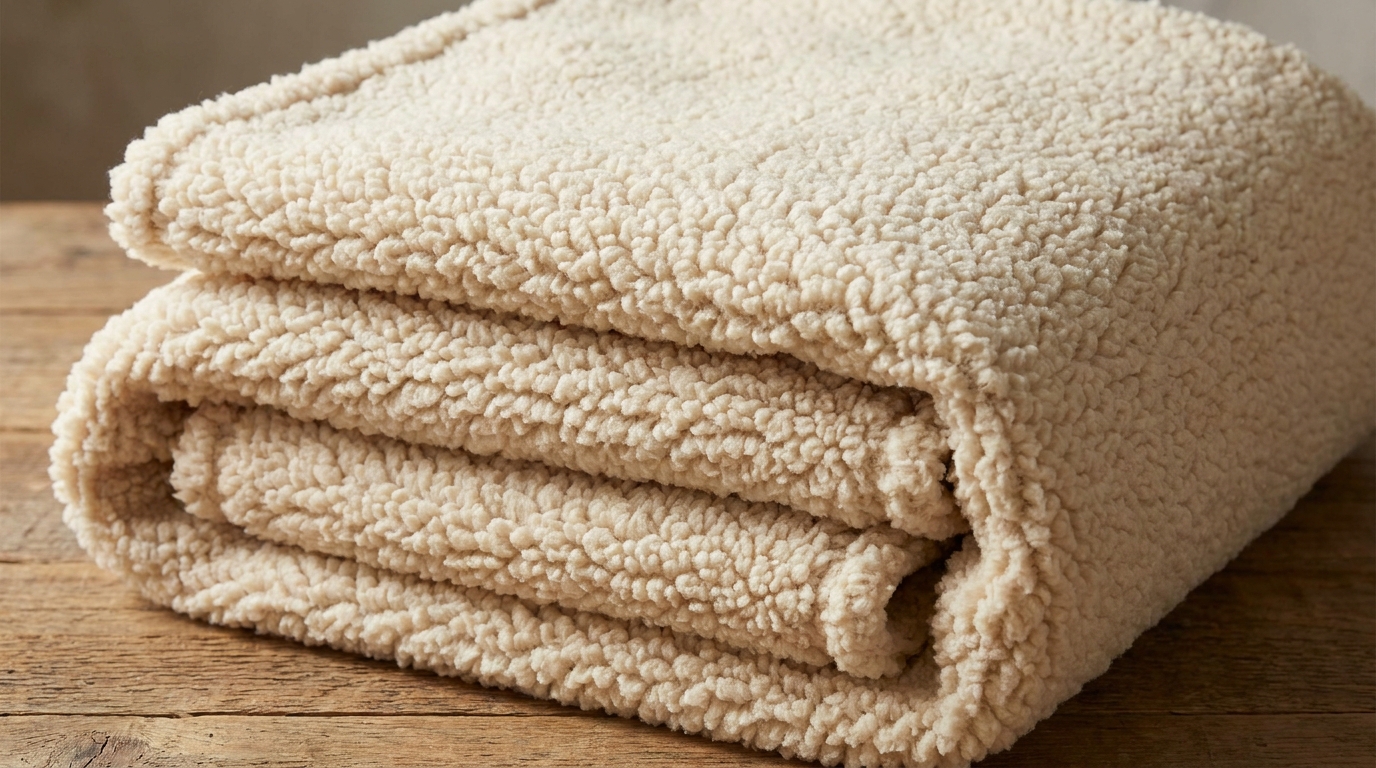
To settle the sherpa vs faux fur debate, you must first know what makes each material tick. Let’s start with sherpa. By definition, sherpa fleece is an expertly designed synthetic material. It closely mimics the rugged texture of real sheep’s wool. Usually made from polyester or poly-cotton blends, it offers a cozy, animal-friendly alternative to traditional shearling.
Distinct Texture and Feel
You can easily spot sherpa fabric by its nubby, curly, and slightly crimped surface. When you touch it, you will notice a unique dual-sided structure. One side features the dense, bumpy pile. The other side acts as a soft, napped backing. This bonded design makes it an incredibly versatile plush fabric for both clothing and home decor.
Lightweight Breathability
Unlike dense faux fur fabric, sherpa feels surprisingly light. It traps body heat within its curly fibers to provide excellent insulation. Yet, it remains highly breathable. You get intense warmth without feeling trapped in a heavy, bulky layer. This breathability makes it ideal for layering during cold weather.
Common Project Applications
Sherpa resists pilling and holds up well to frequent washing. This durability makes it a top choice for everyday use. You will often see it applied in:
- Warm hoodie and jacket linings
- Casual, rugged winter outerwear
- Cozy loungewear and slippers
- Rustic-style throws and reversible plush projects
Since 2012, specialized manufacturers like X-Texture have refined these textiles. We produce premium double-sided sherpa and self-heating fabrics designed specifically for high-quality blankets, bedding, and garments. This ensures you get maximum softness and durability for your projects.
| Özellik | Sherpa Characteristics |
|---|---|
| Composition | Typically 100% Polyester or Poly-cotton blends |
| Doku | Nubby, curly, crimped, and sheep-like |
| Insulation | High warmth, lightweight, and highly breathable |
| Best Uses | Garment linings, loungewear, and rustic home decor |
Understanding Faux Fur Fabric
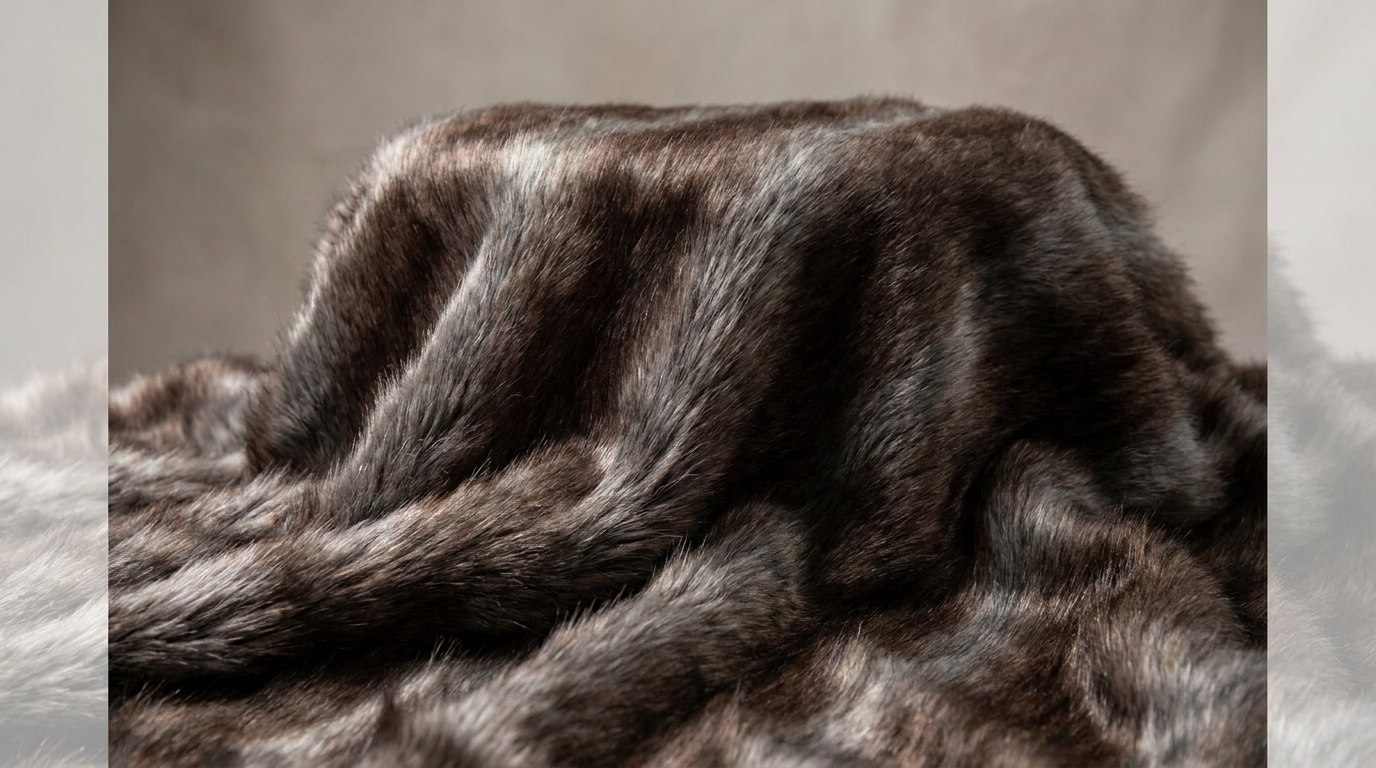
While sherpa delivers lightweight, rustic comfort, your project might demand something bolder. This brings us to the other side of the sherpa vs faux fur debate. What if you need high-end glamour instead? Let’s explore faux fur fabric.
By definition, faux fur is a luxurious, man-made textile. Manufacturers craft it specifically to replicate the appearance of real animal pelts. Modern synthetic fibers easily mimic the exact look of mink, fox, or rabbit. Since 2012, X-Texture has refined these synthetic constructions. We ensure our materials deliver premium, cruelty-free aesthetics for your garments and home decor.
Texture and Feel
When you touch faux fur, the experience completely differs from sherpa’s nubby curls. It features an exceptionally smooth, long-pile surface. The fibers feel dense, glossy, and undeniably glamorous. Unlike bonded fabrics, faux fur is usually a single-face material. The long synthetic fibers attach directly to a sturdy knitted base. This base remains completely hidden beneath the thick, luxurious pile.
Warmth and Structure
We noted earlier how sherpa traps heat while remaining light. Faux fur takes a very different structural approach. It feels significantly heavier and much denser. This dense construction provides thick insulation against extreme cold weather. The heavy pile blocks biting winds beautifully. However, it offers less breathability overall. You choose this material when you need maximum warmth and substantial drape.
Common Project Applications
Because of its glamorous finish and heavier weight, faux fur suits highly decorative projects. It instantly elevates any design’s visual appeal. You will frequently use it for:
- Full-length luxury winter coats
- Statement vests and bold fashion pieces
- Elegant trims for hoods, collars, and cuffs
- High-end accessories and decorative throw pillows
- Cozy faux fur blanket fabric for premium home styling
| Özellik | Faux Fur Characteristics |
|---|---|
| Composition | Synthetic fibers (acrylic, polyester) on a knitted base |
| Doku | Smooth, glossy, dense, and long-pile |
| Insulation | Heavyweight, thick warmth for extreme cold |
| Best Uses | Luxury coats, elegant trims, and statement pieces |
Sherpa vs Faux Fur: A Detailed Comparison
You now understand the basic profiles of both materials. As we covered earlier, sherpa fabric offers lightweight rustic comfort. Faux fur fabric delivers heavy-duty glamour instead. But how do they stack up head-to-head? When deciding between sherpa vs faux fur for your next project, you must weigh several distinct factors. Let’s break down their core differences.
Material and Construction
As discussed, construction methods vary wildly between the two. Sherpa relies on short, tightly curled synthetic fibers. Manufacturers bond this pile to a soft fleece backing. This creates a sturdy, double-sided textile. Faux fur uses a completely different approach. It features long synthetic fibers woven or knitted into a single-face base. This base stays completely hidden under the deep pile.
Look and Style
Your aesthetic goals will heavily influence your choice. Sherpa brings an approachable, casual charm. It looks naturally rustic and incredibly cozy. You use it to create relaxed, everyday garments or inviting home decor. Faux fur pushes design into high-fashion territory. It looks bold and undeniably luxurious. It mimics the glossy pelt of real animals perfectly. This instantly elevates any piece.
Warmth and Insulation
Both textiles keep you warm. However, they do it very differently. Sherpa provides highly breathable, everyday warmth. It traps heat in its curls without weighing you down. This makes it perfect for active winter wear. Faux fur acts as a heavy-duty shield. Its dense, long pile blocks freezing winds effectively. You sacrifice some breathability, but you gain maximum insulation for extreme cold.
Durability and Resilience
Daily wear and tear impacts these fabrics differently. Sherpa boasts excellent resilience. It resists pilling and handles frequent machine washing beautifully. You can rely on it for heavy daily use. Faux fur requires much more delicate care. The long fibers easily mat or tangle under constant friction. You must brush it regularly and avoid heat to maintain its sleek appearance.
Cost Considerations
Budget often dictates material choices. Complex manufacturing processes make premium faux fur more expensive. Creating realistic, multi-tonal long pile takes time and specialized equipment. Sherpa generally remains much more budget-friendly. It offers incredible value for large-scale projects like a reversible plush throw. Since 2012, X-Texture has manufactured both textiles in Jiangsu. We leverage our advanced production lines to offer competitive pricing. Whether you need a cost-effective sherpa or a premium faux pelt, we ensure high quality across all price points.
| Comparison Factor | Sherpa Kumaş | Suni Kürk Kumaş |
|---|---|---|
| Fiber Length | Short, tightly curled pile | Long, smooth, straight pile |
| Aesthetic | Casual, rustic, and cozy | Bold, glamorous, and luxurious |
| Warmth Type | Breathable and lightweight | Heavy-duty and wind-blocking |
| Dayanıklılık | High resilience, resists pilling | Delicate, prone to matting |
| Maliyet | Generally budget-friendly | Higher price point |
The Versatility of Reversible Plush Fabrics
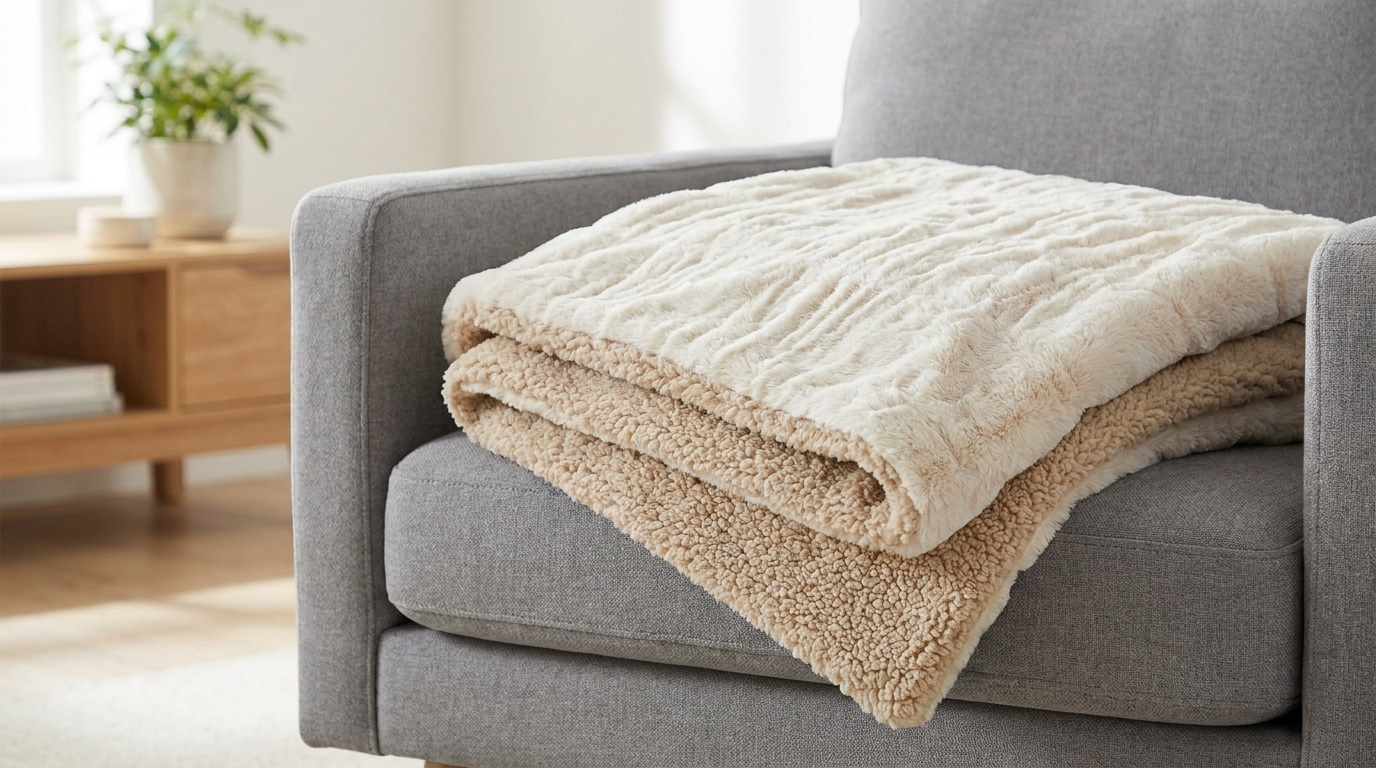
We just compared the rustic charm of sherpa against the heavy-duty glamour of faux fur. You saw how they differ in warmth, durability, and cost. But what if you do not want to choose just one? You can actually combine them together. This brings us to the ultimate solution in the sherpa vs faux fur debate.
What is Reversible Plush?
Reversible plush acts as a smart hybrid textile. Manufacturers bond a luxurious faux fur fabric face directly to a cozy sherpa backing. This creates a brilliant dual-sided material. You get the stunning visual appeal of an animal pelt on one side. On the flip side, you enjoy the nubby, sheep-like comfort of sherpa.
Benefits of Dual-Sided Fabrics
Choosing a reversible plush fabric offers massive advantages for your designs. It completely eliminates the need for a separate lining. You save hours of sewing time. You also reduce frustrating seam bulk. You simply cut the material, finish the edges, and your piece is ready. It truly delivers the best of both worlds.
| Özellik | Single-Sided Fabrics | Reversible Plush |
|---|---|---|
| Lining Required | Yes, usually needs a backing layer | No, features a finished dual-sided design |
| Sewing Time | Longer due to multiple seams | Faster since you handle one layer |
| Warmth Level | Depends heavily on your chosen lining | Provides maximum dual insulation naturally |
Ideal Uses for Hybrid Textiles
This bonded material suits a wide variety of cozy projects. You will love using it for:
- High-comfort no-sew blankets: Create warm, heavy throws quickly.
- Premium robe linings: Add luxury to everyday loungewear.
- Versatile winter accessories: Design scarves and mittens featuring dual textures.
- Reversible outerwear: Sew jackets offering two distinct fashion looks.
Innovative Textile Enhancements
Modern manufacturers constantly improve these hybrid materials. At X-Texture, we push boundaries beyond basic bonding. We incorporate advanced technologies directly into our plush textiles. Our exclusive S-warm Tec self-heating fabrics deliver superior heat retention. We engineer these smart fibers to actively trap and amplify your body heat. When we combine S-warm Tec technology alongside a sherpa fabric or faux fur fabric face, you get unmatched winter performance. You stay incredibly warm without carrying any extra weight.
How to Choose the Right Plush Fabric for Your Project
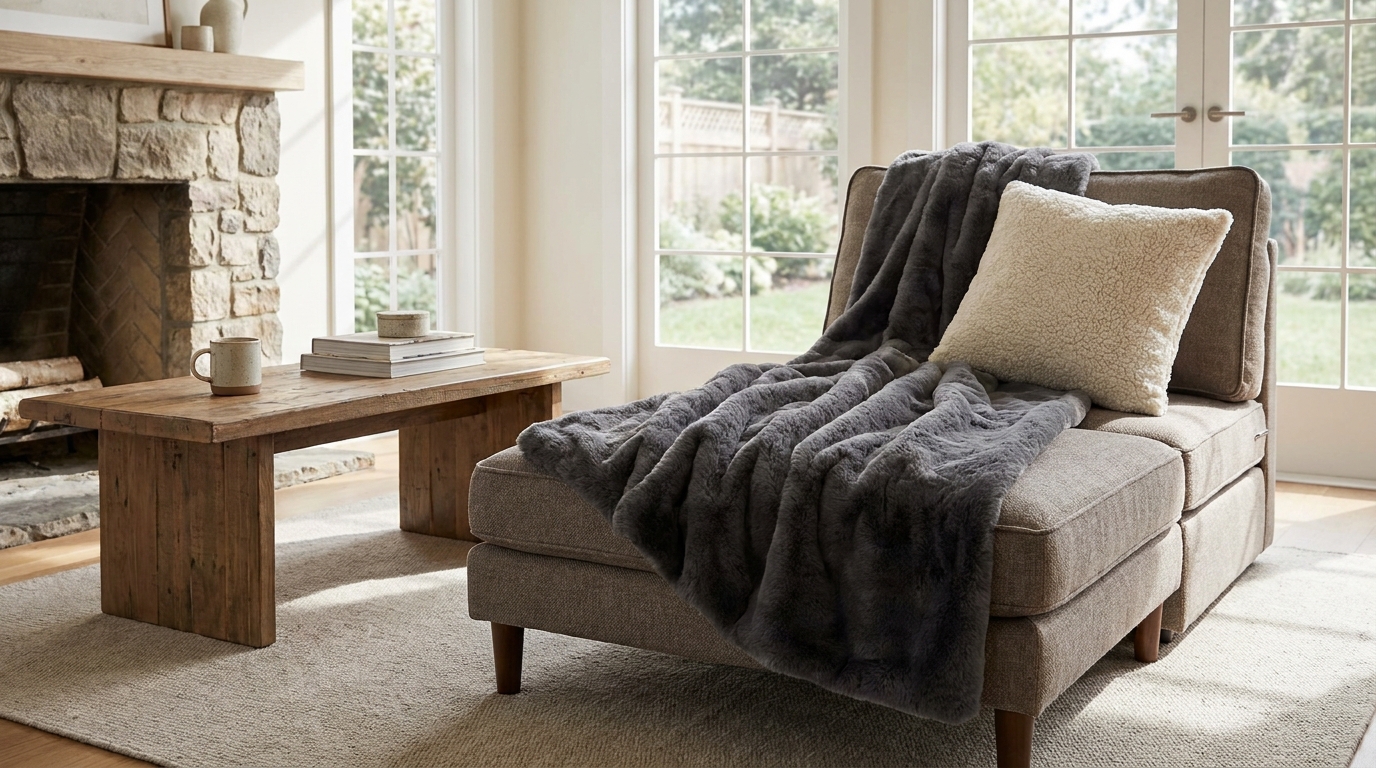
We just explored how reversible plush and smart S-warm Tec fibers give you the best of both worlds. Now you face the final hurdle in the sherpa vs faux fur debate. How do you choose the right plush fabric for your specific project? You must match the material’s unique traits directly to your end goal. Let’s break down the best choices for various applications.
For Blankets and Bedding
When designing bedroom textiles, your aesthetic goals matter most. A faux fur blanket fabric instantly creates a luxurious, decorative statement. It drapes heavily and mimics high-end animal pelts perfectly. It elevates the entire room’s visual appeal. However, if you want lightweight, everyday warmth, choose sherpa fabric instead. It traps body heat without feeling suffocating. You can wash it frequently. This resilience makes it ideal for daily use on beds and couches.
For Apparel and Outerwear
Outerwear demands a careful balance of style and function. You should use faux fur fabric for glamorous exterior shells. It works beautifully for statement coats, hood trims, and elegant collars. Its dense pile blocks freezing winds easily. Conversely, sherpa excels as a practical, skin-friendly inner lining. It pulls moisture away from the body. It adds intense warmth to casual jackets without adding bulky weight.
For Pajamas and Loungewear
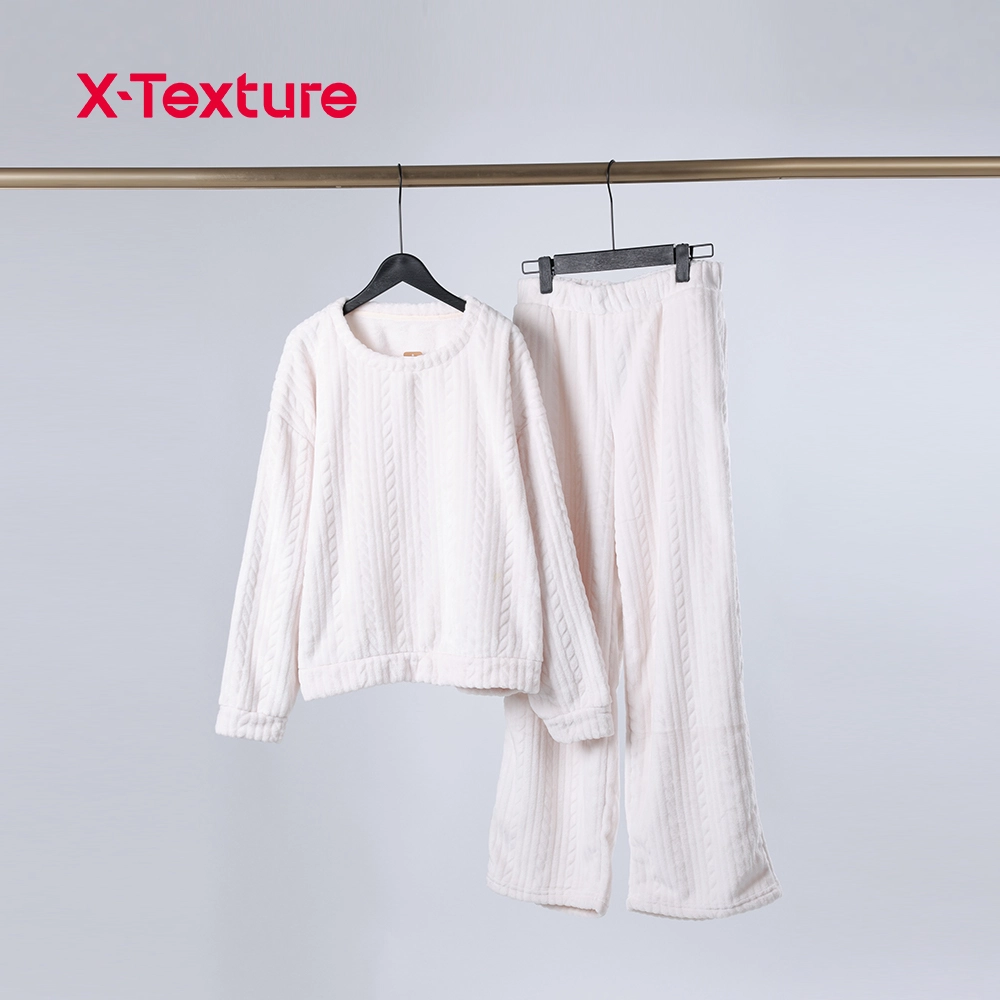
Comfort reigns supreme for loungewear. You need ultimate softness and high breathability. Sherpa works well for rugged slippers or thick robe linings. However, you might want something smoother against bare skin. Consider incorporating double-sided flannel fleece or minky fabrics. At X-Texture, we manufacture these ultra-soft alternatives alongside our standard fleeces. They provide gentle, breathable warmth. This makes them absolutely perfect for crafting cozy pajamas.
For Home Decor and Upholstery
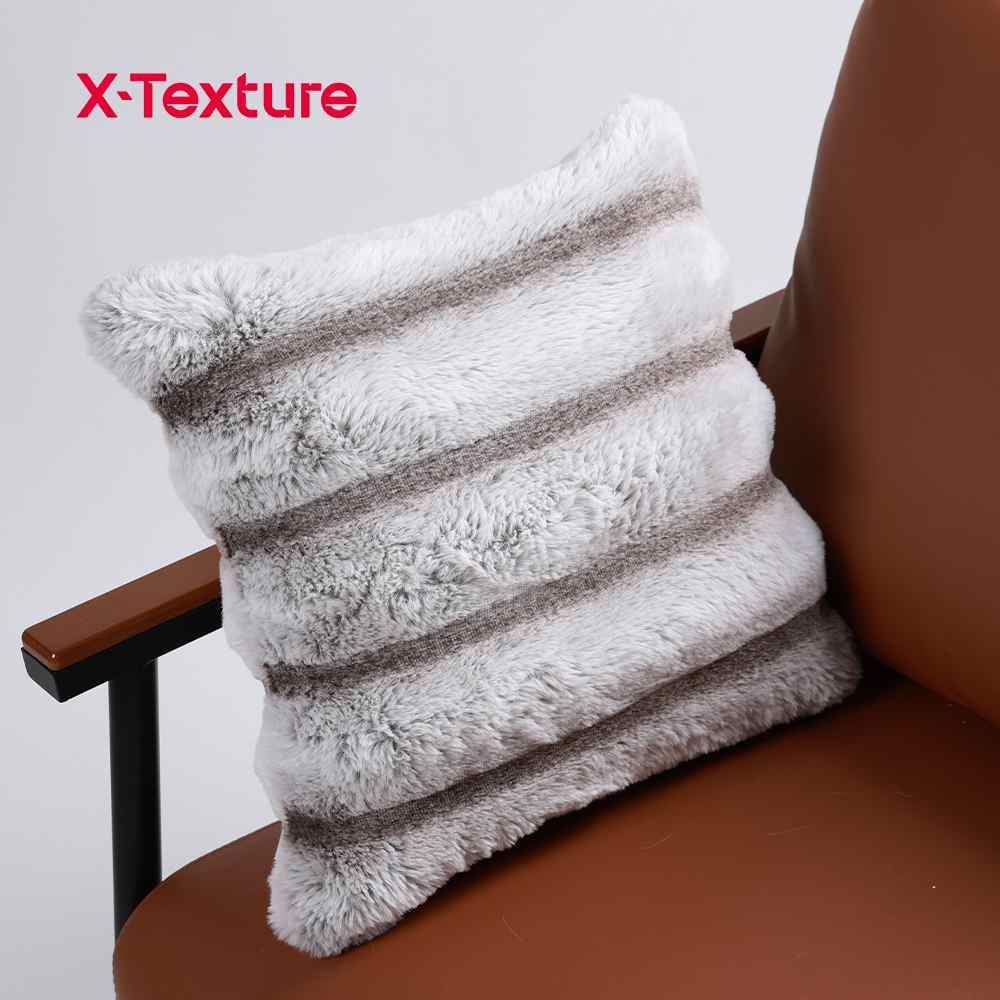
Your interior design theme dictates your textile choice. Faux fur fits perfectly into modern, glamorous spaces. You can use it to craft striking decorative pillows or elegant throw rugs. Sherpa brings a completely different vibe. It adds a rustic, cozy charm to your room. Use it for relaxed footstools, casual bean bags, or inviting reading nook cushions.
Evaluating Environmental Impact
Modern creators care deeply about sustainability. Both textiles traditionally rely on virgin synthetic fibers like polyester or acrylic. You can make better environmental choices today. Look for certified recycled synthetic blends. We proudly produce GRS (Global Recycled Standard) printed flannel and eco-friendly fleeces at X-Texture. Choosing these recycled materials reduces plastic waste significantly. You get premium softness while supporting a greener planet.
| Project Type | Best Fabric Choice | Primary Benefit |
|---|---|---|
| Luxury Bedding | Sahte Kürk | Heavy drape and glamorous aesthetic |
| Everyday Blankets | Sherpa | Lightweight, washable, and highly breathable |
| Outerwear Trims | Sahte Kürk | Wind-blocking and visually striking |
| Jacket Linings | Sherpa | Skin-friendly insulation without bulk |
| Pijama | Double-sided Flannel / Minky | Ultimate next-to-skin softness |
| Rustic Decor | Sherpa | Cozy, casual, and inviting texture |
Essential Care and Maintenance Tips
You just matched the perfect sustainable material to your project goals. Now, you must protect that investment. Proper maintenance represents the final piece of the sherpa vs faux fur puzzle. At X-Texture, we engineer our textiles for maximum durability. However, how you wash and store these materials at home determines their true lifespan. Let’s explore the essential care routines for both fabrics.
Washing Sherpa Fabric
Sherpa boasts excellent resilience for everyday use. Yet, incorrect washing quickly ruins its cozy feel. Always wash it in cold water. Use a gentle machine cycle. Hot water melts the synthetic polyester fibers. This heat damage causes the woolly texture to harden and pill permanently. You should use a mild laundry detergent. Skip fabric softeners entirely. They leave a chemical residue coating the curls. This residue ruins the material’s natural breathability and soft touch.
Washing Faux Fur Fabric
Faux fur requires much more delicate handling. Heat acts as its absolute worst enemy. Never put this glamorous material in a hot dryer. High temperatures instantly melt the long synthetic strands into a rough, tangled mess. When washing, turn the item completely inside out. This simple step reduces friction against the luxurious pile. Wash it by hand or use a cold, delicate machine cycle. Afterward, lay it completely flat to air dry. Never wring or twist the wet fibers.
Brushing and Restoring
Both plush materials occasionally lose their fluffy bounce. Friction causes the fibers to mat over time. You can easily fix this issue at home. Grab a clean pet slicker brush or a wide-tooth comb. For faux fur, gently brush the fibers while they remain slightly damp. Follow the natural direction of the pile. This restores its smooth, glossy look. For sherpa, lightly comb the matted areas. This action separates the crushed curls and restores its original airy volume.
Storage Advice
Proper storage extends the life of your plush textiles significantly. Never stuff them tightly into sealed plastic bins. Plastic traps moisture and causes unpleasant mildew odors. Instead, place your garments or blankets inside breathable cotton garment bags. Store them in a cool, dry closet. Keep them far away from direct sunlight or active heating vents. UV rays fade the vibrant colors over time. Meanwhile, ambient heat slowly degrades the synthetic bonds holding the fibers together.
| Care Category | Sherpa Maintenance | Faux Fur Maintenance |
|---|---|---|
| Washing Temperature | Cold water only | Cold water only |
| Machine Cycle | Gentle cycle | Delicate cycle or hand wash inside out |
| Drying Method | Tumble dry on “no heat” or air dry | Air dry flat only; strictly no heat |
| Restoration Tool | Wide-tooth comb | Pet slicker brush |
| Depolama | Breathable bag, away from heat | Breathable bag, avoid crushing the pile |
Sourcing Premium Sherpa and Faux Fur Fabrics
We just learned how proper washing and brushing extend the life of your textiles. However, true durability starts long before you ever wash a garment. It begins directly on the factory floor. When settling the sherpa vs faux fur debate for your production line, sourcing high-quality materials matters immensely. You must partner with the right manufacturer to ensure lasting success.
What to Look for in a Reliable Textile Manufacturer
You need a reliable partner to bring your cozy designs to life. Always look for manufacturers maintaining strict quality control. They should test every single batch for tear resistance and safety. A great supplier also provides diverse fabric offerings. You might need a heavy faux fur blanket fabric today. Tomorrow, you might require a breathable sherpa fleece. Sourcing everything from one factory simplifies your entire supply chain. You should also prioritize sustainable production practices. As we covered earlier, eco-friendly options like GRS-certified recycled materials help protect the environment while delivering premium softness.
The Importance of Specialized Expertise
Manufacturing these textiles requires highly advanced technical skills. You cannot rely on general fabric mills. You need specialized expertise. Experienced factories understand the delicate science of synthetic fiber blending. They guarantee consistent pile depth across massive production runs. This ensures your final garments look perfectly uniform. They also master colorfastness. This crucial step prevents vibrant dyes from bleeding during the washing routines we discussed previously. Most importantly, expert manufacturers lock in that signature softness you expect from any high-end plush fabric.
Spotlight on Industry Leaders: X-Texture
Finding a factory meeting all these strict standards can feel overwhelming. Fortunately, established industry leaders make the sourcing process easy. Jiangsu X-Texture Textile Technology Development Co., Ltd. stands out as a prime example. Founded in 2012, we specialize in manufacturing top-tier textile solutions in Jiangsu, China. We proudly supply global bedding and apparel brands with premium materials.
Our specialized production lines handle diverse demands effortlessly. We expertly craft jacquard flannel, minky, and sophisticated reversible plush designs. Whether you need rugged sherpa fabric or glamorous faux fur fabric, we deliver exceptional quality. We also integrate innovative technologies directly into our textiles. Our exclusive S-warm Tec self-heating fabrics push winter garment performance to new heights. By partnering with dedicated experts like X-Texture, you guarantee superior quality for every single project.
| Sourcing Factor | Why It Matters | The X-Texture Standard |
|---|---|---|
| Quality Control | Ensures consistent durability and safety | Rigorous testing on all production batches |
| Diverse Offerings | Simplifies supply chain management | Produces sherpa, faux fur, minky, and flannel |
| Specialized Expertise | Guarantees uniform pile depth and softness | Over a decade of dedicated plush manufacturing |
| Innovation | Keeps your products ahead of market trends | Advanced S-warm Tec self-heating technology |
Sonuç
Sherpa fabric delivers casual and lightweight everyday comfort. Faux fur provides a luxurious and heavy-duty style. Choose your ideal material based on project needs and budget.
- Request plush fabric samples from X-Texture today.
- Explore our premium faux fur and sherpa collections.
- Start creating your next cozy winter project now.
Frequently Asked Questions About Sherpa vs Faux Fur
Can I put faux fur and sherpa fabrics in the washing machine?
Yes, you can wash most sherpa fabrics in a washing machine. You must use cold water to prevent damage. Never use heat when drying these materials. Heat will melt the synthetic fibers and ruin the texture. Always air dry them flat for the best results. You can also tumble dry on a strict no-heat setting. Faux fur often requires more delicate care. Check the label, as some faux fur is dry clean only.
How do I stop my sherpa fabric from matting and pilling?
Friction and heat usually cause matting and pilling in sherpa. Wash your items inside out to reduce rubbing. Always use cold water during the wash cycle. Avoid harsh detergents that can break down the fibers. If the fabric looks matted, do not panic. Use a pet slicker brush on the damp fabric. Gently brush out the fibers to restore their fluffy texture.
What is the best way to cut faux fur fabrics?
Cutting faux fur with scissors will chop the long fibers. This creates a messy look and uneven edges. Instead, flip the fabric over to the back side. Use a sharp razor blade or craft knife. Carefully score only the backing material. Do not cut through the actual fur pile. Gently pull the pieces apart after scoring the back. This method keeps the long pile intact and reduces shedding.
Which plush fabric is warmer for extreme winter weather?
Faux fur is generally heavier and much denser than sherpa. This density makes it excellent for extreme cold conditions. It blocks bitter winds effectively during harsh winter days. Sherpa is lighter and highly breathable. This makes sherpa perfect for layering under winter coats. You can also use sherpa to line warm slippers. Choose faux fur for heavy statement coats and ultimate warmth.
Where can I buy reliable sherpa and faux fur textiles?
You should look for an experienced and trusted manufacturer. Jiangsu X-Texture Textile Technology Development Co., Ltd. is a great choice. They have specialized in plush and fleece fabrics since 2012. You can find high-quality sherpa and faux fur there. They also offer double-sided flannel and S-warm Tec self-heating fabrics. These materials are perfect for blankets, pajamas, and cozy garments. Visit their website to explore their premium textile options.
Both sherpa and faux fur offer unique cozy benefits. Selecting the right plush fabric depends on your specific project. Here are your next steps to get started:
- Evaluate your climate to pick the best warmth level.
- Buy heavy-duty sewing needles for thick fabric seams.
- Visit the X-Texture website to source premium materials.
- Test a small fabric scrap before cutting your pattern.