
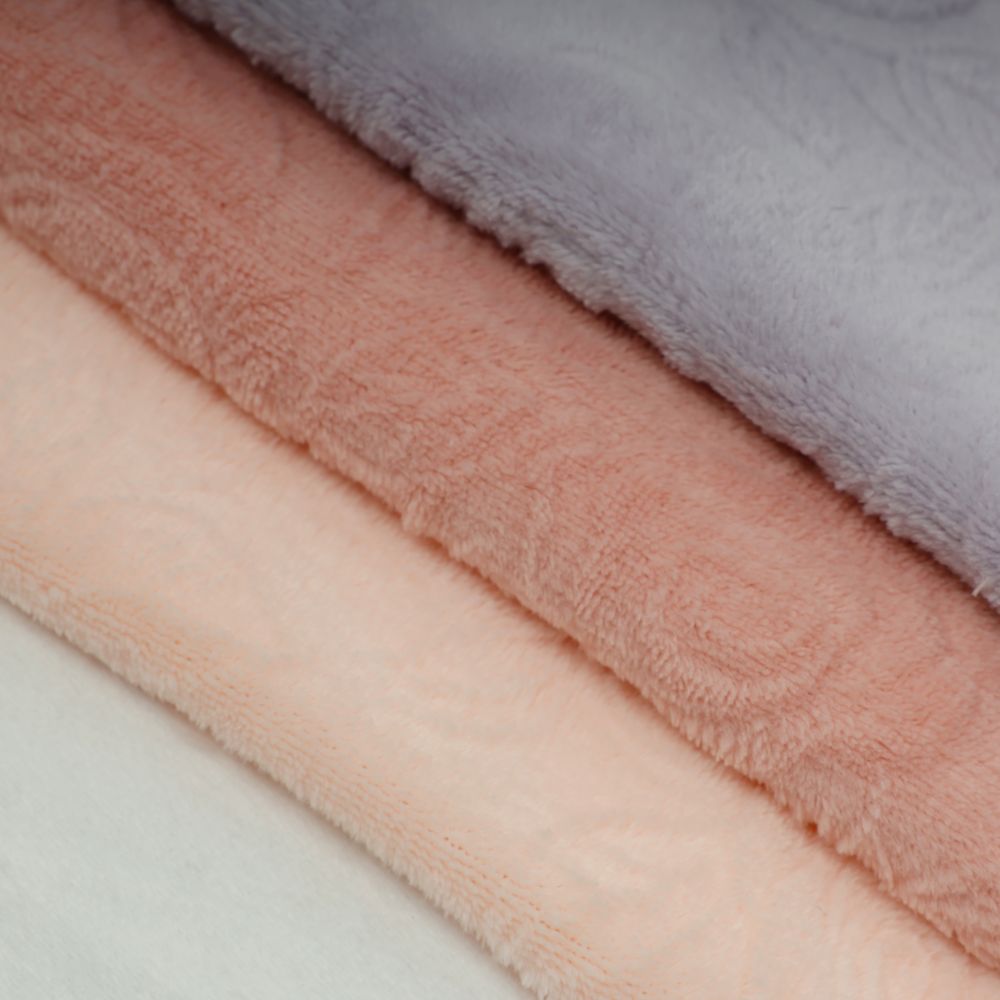
Faux fur fabric has moved to the front as one of the favorite alternatives to real fur in fashion, home décor, and the textile industry. It gives a soft feel and plump look that animal fur always offers, yet stays cruelty-free, mostly made from artificial fibers like acrylic, polyester, or modacrylic.
Given its application in outerwear, throws, rugs, and upholstery, a common question arises: “Can faux fur fabric get wet?” This article answers that question in detail with proof. We’ll discuss what happens to faux fur when it gets exposed to moisture, the risks involved, how to deal with it if it does get wet, and prevention tips, plus care and maintenance best practices.
What Is Faux Fur Fabric?
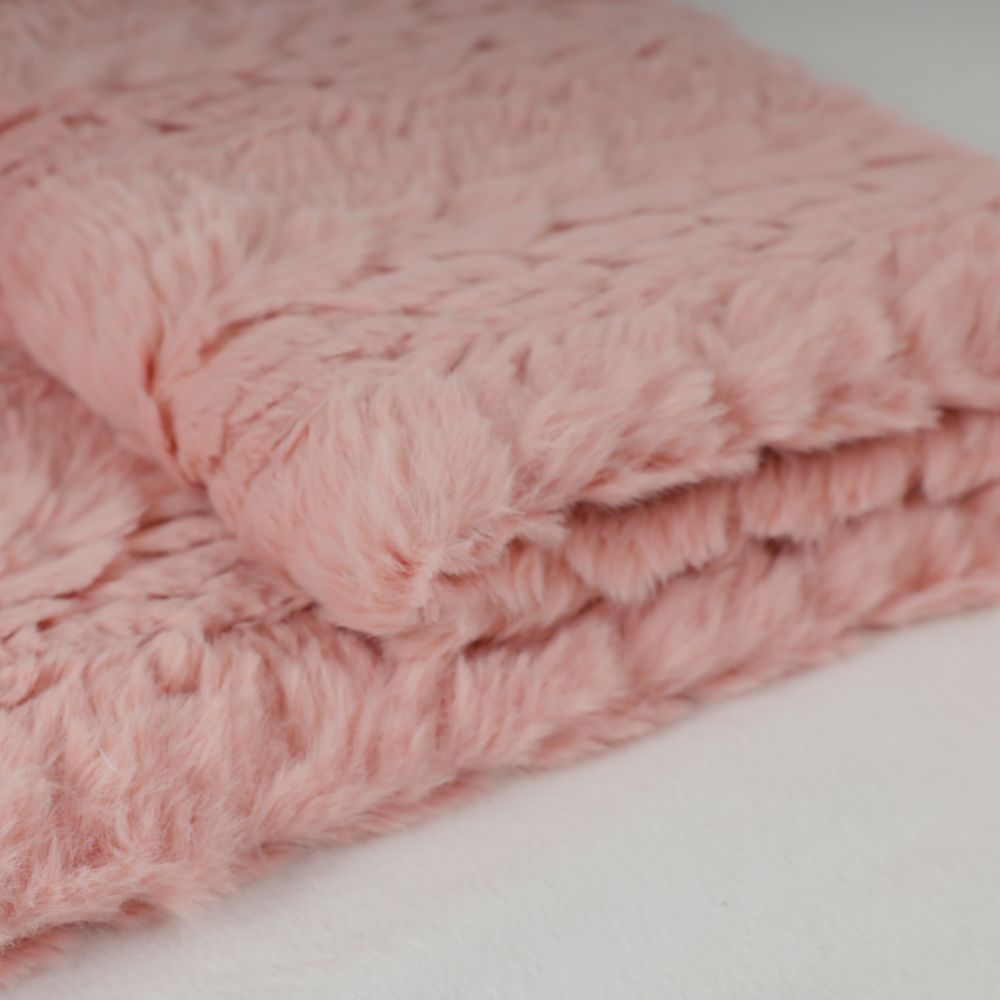
Faux fur fabric is a pile fabric created to look like real fur, with the same feel and body as real fur. As per textile sources, it is made from synthetic polymer fibers. The most common types used are acrylic, polyester, and modacrylic.
It is popular across fashion lines, home decor, and even car seats. Fake fur is easier to get, can be made in many colors and styles, and is seen as a more right choice than real animal fur. But unlike real animal fur—which gives natural water-shedding traits due to oils like lanolin—fake fur shows different results when wet.
How Moisture Affects Faux Fur Fabric?
-
Fiber Composition & Backing
When fake fur meets water, many parts play: the fibers (acrylic, polyester, modacrylic), the backing material (knit, woven, non-woven), and adhesives or bonding materials used in making it. A textile article from 2025 says: “Moisture may influence fibre structure, backing materials, adhesives… as well as pile alignment.”
Acrylic fibers may take minimal moisture, but water can make the pile mat; modacrylic fibers may become stiff with repeated wetting; and polyester blends tend to hold shape better. If backing gets weak by water, particularly adhesives or resin-based bonding, the result can be fiber detachment, shedding, or uneven pile.
-
Immediate effects of getting wet
Faux fur fabric, when it gets wet, will show the following:
Matting or felting of fibers, especially if it is a long-pile article, Loss of loft and volume, which means it may look flat and not so luscious
Sagging of the backing due to water retention or high humidity in the environment.
Odor starts developing if not dried fast due to bacterial growth in the moisture.
-
Long-Term Risks
Moisture exposure can lead to permanent matting and loss of the pile’s “fur-like” look.
It accelerates wear because backing adhesives break down.
There could be color bleeding or dye migration if not properly color-fast.
The rug might shrink or get stiff if fibers fuse or deform.
Long-term synthetic fiber degradation happens with repeated wetting-drying cycles.
So, Is It Okay for faux fur fabric to Get Wet?
Yes—but carefully. It varies with the fabric quality, length of the pile, strength of the backing material, and how water is managed in the process.
Well-quality faux fur fabrics with strong backings and water-resistant adhesives fare better
Low-pile or closely woven types will show less dramatic damage
High-pile, fluffy faux furs are most prone to matting and loss of loft when wet
In short:
Recommended to avoid excessive soaking and do not leave them unprotected under rain, snow, or humidity, for this will surely deteriorate their look and performance.
Summary Table: Faux Fur Fabric Behaviour When Wet
| Condition | Fibre & Pile Effect | Backing/Adhesive Effect | Long-Term Concern |
| Light moisture (sprinkle) | Fibres separate, loft intact | Backing stable | Minimal, if dried promptly |
| Moderate wetness (rain) | Pile may clump or flatten | Adhesive may soften | Potential matting, loss of loft |
| Heavy saturation (soaked) | Fibers stick together, lose volume | Backing may distort, adhesive detach | Shedding, colour fade, backing failure |
| Poor drying | Retained moisture in fibres/backing | Bacterial growth | Odour, mildew, fibre breakage |
Best Practices if Faux Fur Fabric Gets Wet
-
Remove water promptly
Blot out water, do not wring heavily because that will break the fibers.
-
Air dry flat
Let it air dry, put the garment or fabric piece on a flat surface where there is good ventilation in an area that is not sunlit. Carefully brush or comb the pile with a wide-tooth comb or pet slicker after drying to restore loft.
-
Avoid dryers and high heat.
Do not use dryers or high heat. Synthetic piles may melt; backing may flatten; static cling may develop.
-
If possible, spot clean rather than immerse fully
There is less risk of damage due to the matting and backing getting ruined.
-
Store faux fur in a dry place with good air circulation
Never in a damp basement or tightly sealed container. Moisture regain after drying can still damage the fabric.
Does Wetting Void Usage or Warranty?
Some Faux Fur Fabric garments or upholstery pieces will carry care labels of “Dry Clean Only” or “Do Not Immerse.”
Such labeling would mean that the manufacturer considers the immersion risk to be high—wetting may void the warranty, or it may degrade appearance.
Users should, therefore, follow the care label strictly. In many cases, spot cleaning is recommended rather than full wetting.
Quality Factors That Improve Wet-Weather Resilience
When buying fake fur (mostly for coats or seats that might get wet), look at these signs of quality:
- Synthetic fiber mix with more polyester content (better wetness performance).
- Shorter or medium pile length (less chance of matting).
- Backing material with water-safe glues or strong knit.
- Label showing ‘washable’ or ‘wetness-resistant’.
- Fabric that has been checked or certified for color strength and toughness.
Faux Fur Fabric Application Considerations
-
Fashion & Outerwear
Faux fur coats worn outdoors may face rain or snow. In such cases:
Wear a foldable umbrella or rain shell as a protective layer
Choose a faux fur with a water-repellent finish or pile that sheds water
After exposure, follow drying and brushing steps to restore appearance
-
Home Décor & Throws
Liquid spills on faux fur throws/rugs will further transport moisture to the area of throws or rugs, as well as to other These are how the revised version would be:
Liquid spills on faux fur throws/rugs can seep through and carry additional moisture from the spill to the area where they are placed or to other rooms. Use them after a period of drying and brushing after exposure to retain their appearance
Use any spill cloths or mats under the throw
If damp spots occur, blot quickly and air dry flat
Consider keeping throws undraped during high humidity seasons
-
Upholstery
The backing of faux fur upholstery needs to be stable. Maybe used outdoors or in a damp room, provided the case is made from upholstery fabric. Special attention should be given to materials that may become soaked or may fail due to improper backing. Immediate drying and restoration must therefore follow any soaking, to avoid backing failure.
Myths vs. Facts
Myth: Faux Fur can be treated as cotton or wool in cleaning.
Fact: In most cases, it requires special care. Water can change both the pile and the backing.
Myth: More water is better for Faux Fur.
Fact: Over-wetting increases the risk of matting, shedding, and damage to the backing.
Myth: If it’s synthetic, it doesn’t matter if it gets wet,
Fact: Synthetic fibres may take moisture differently, but the backing/adhesives are still vulnerable.
Environmental & Sustainability Notes
Much fake fur is made of artificial fibers. If it is washed often or if dry cycles are used, then two things may happen:
First, it starts shedding microplastics into the environment.
Second, it soon loses its loft and thus its life.
Avoiding water exposure, spot cleaning adds to product life and gives time to delay environmental impact.
Conclusion
Good Faux Fur Fabric can take occasional light wetting as long as it is promptly dried and brushed back into shape;if it gets wet for a long time or heavily, especially without proper treatment, the pile and backing will probably get damaged and it will not look the same again. The factors are fabric quality, backing strength, pile length, and the method of water and drying.
To prolong the life of your faux fur fabric or garments, spot clean them, air dry them, store them well, and do not wear them in wet or humid conditions repeatedly.
With these tips in mind, you are sure to make an addition of faux fur wear into your wardrobe or home décor design while keeping its opulent appearance and feeling for quite some time.