Blog
Do you crave ultimate warmth during chilly nights? Modern homes demand textiles offering pure, cozy comfort.
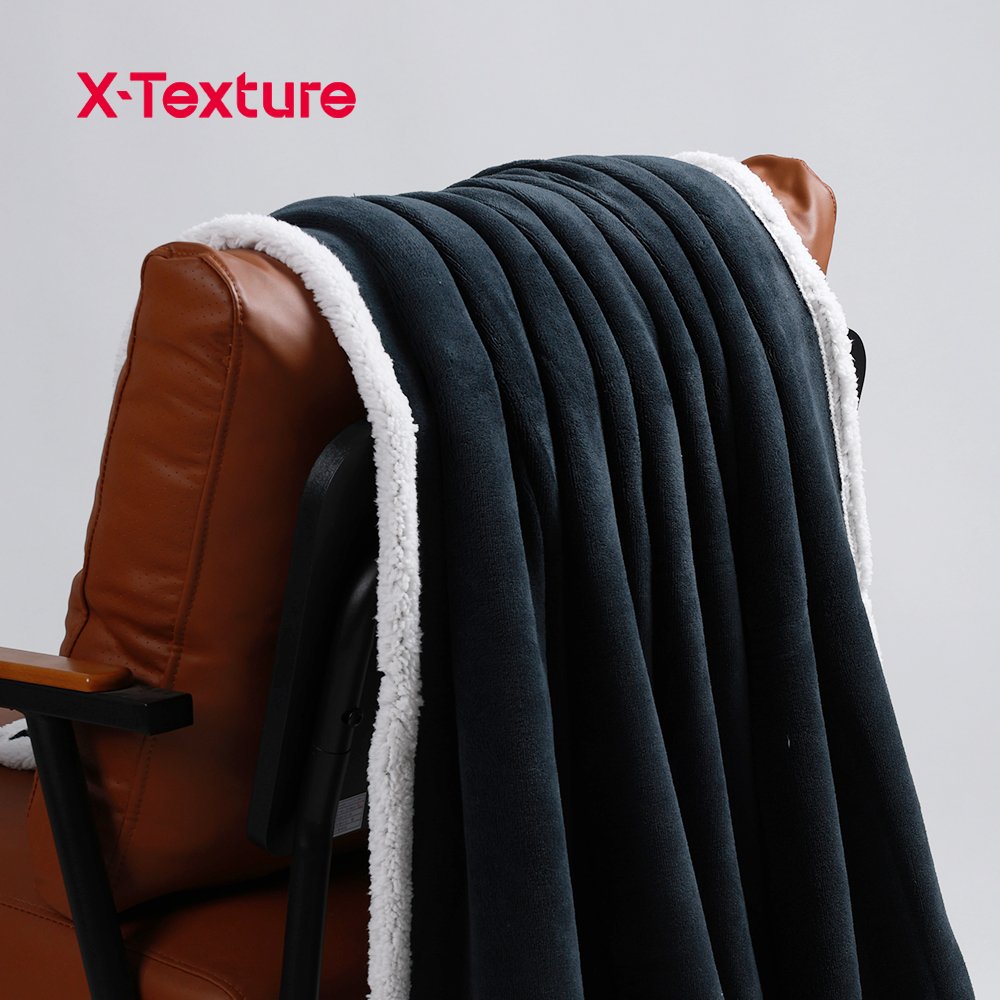
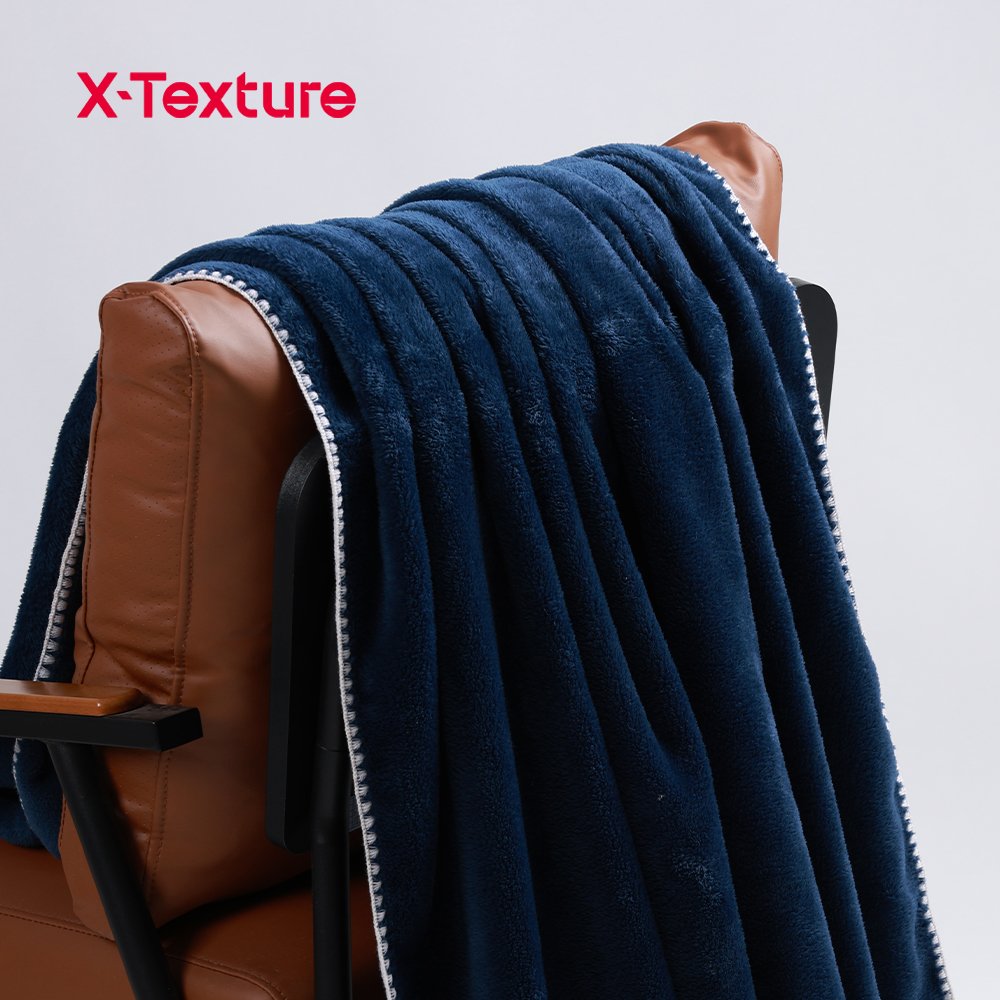
Double-sided flannel perfectly solves this cold weather problem. This plush fabric is incredibly popular today.
In this post, you will discover its unique traits. We will explore top applications and care tips.
Determining whether wearing synthetic winter apparel is unhealthy requires separating consumer anxiety from technical manufacturing realities. Synthetic fibers face intense scrutiny in the textile and apparel sector, driven by growing awareness of skin sensitivity, indoor microplastic shedding, chemical dye residues, and the systemic impact of microfibers entering the human food chain. Consumers and apparel brands are critically evaluating whether synthetic winter fabrics inherently compromise skin health and environmental standards.
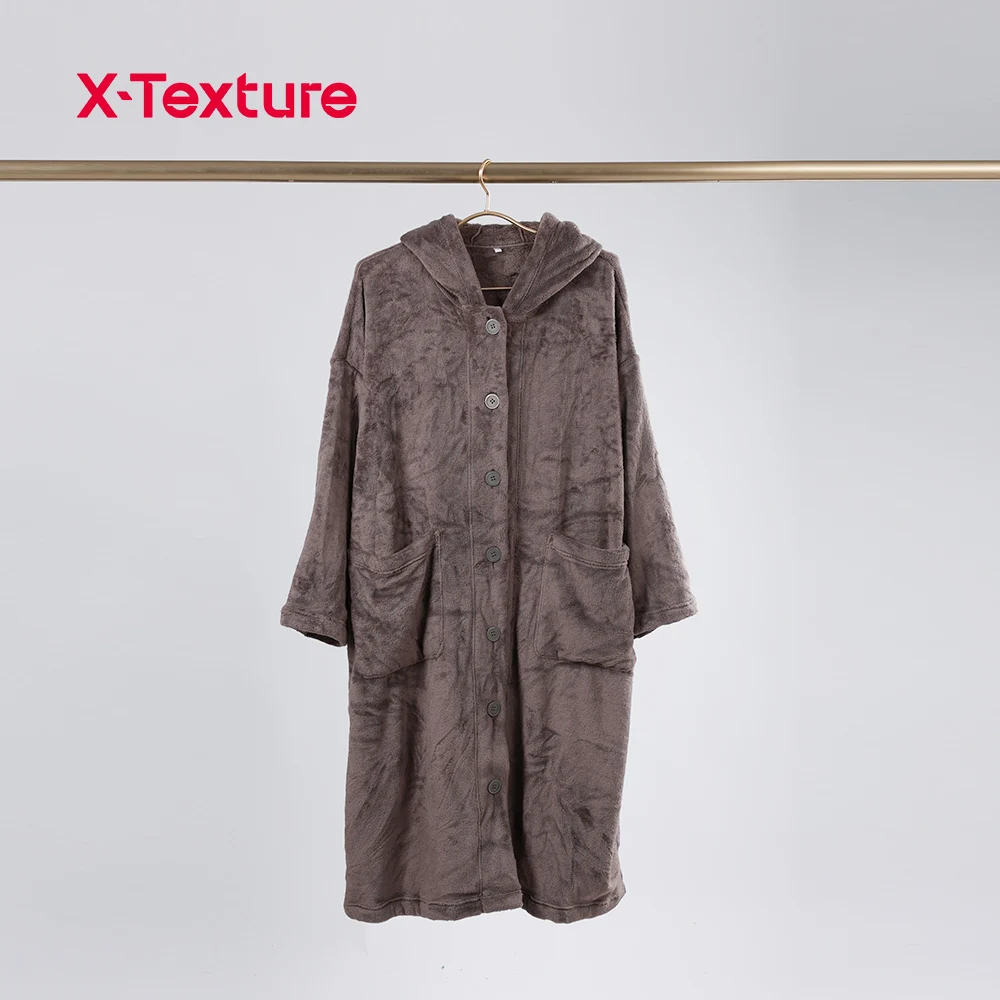
Is fleece good for pajamas? Answering this requires addressing a primary contradiction in cold-weather textile engineering. Thermal retention often comes at the direct cost of moisture vapor transmission, leading to user overheating in traditional winter nightwear. Generic polyester fleeces degrade sleep quality by trapping sweat directly against the skin. Furthermore, they present severe downstream liabilities regarding chemical compliance, Volatile Organic Compound (VOC) off-gassing, and microplastic shedding.
Standard retail labeling obscures the technical differences between fleece and plush textiles, leading to mismatches in end-use applications—from shedding issues to suboptimal heat retention. Evaluating textiles at the decision stage requires moving past superficial tactile metrics to assess fiber density, processing methodology, post-finishing technology, and long-term structural integrity.
Consumer markets categorize fleece textiles primarily by surface softness, but technical evaluators must define quality through a much more rigorous lens. True quality encompasses material longevity, chemical compliance, thermal retention metrics, and strict manufacturing tolerances. Determining the best type of fabric requires moving beyond a simple touch test and analyzing the structural engineering that ensures reliable warmth in extreme environments.
For discerning consumers and buyers, designing a restorative environment often begins with sensory comfort, yet the search for the perfect textile frequently ends in frustration due to shedding, static accumulation, or heat loss.