
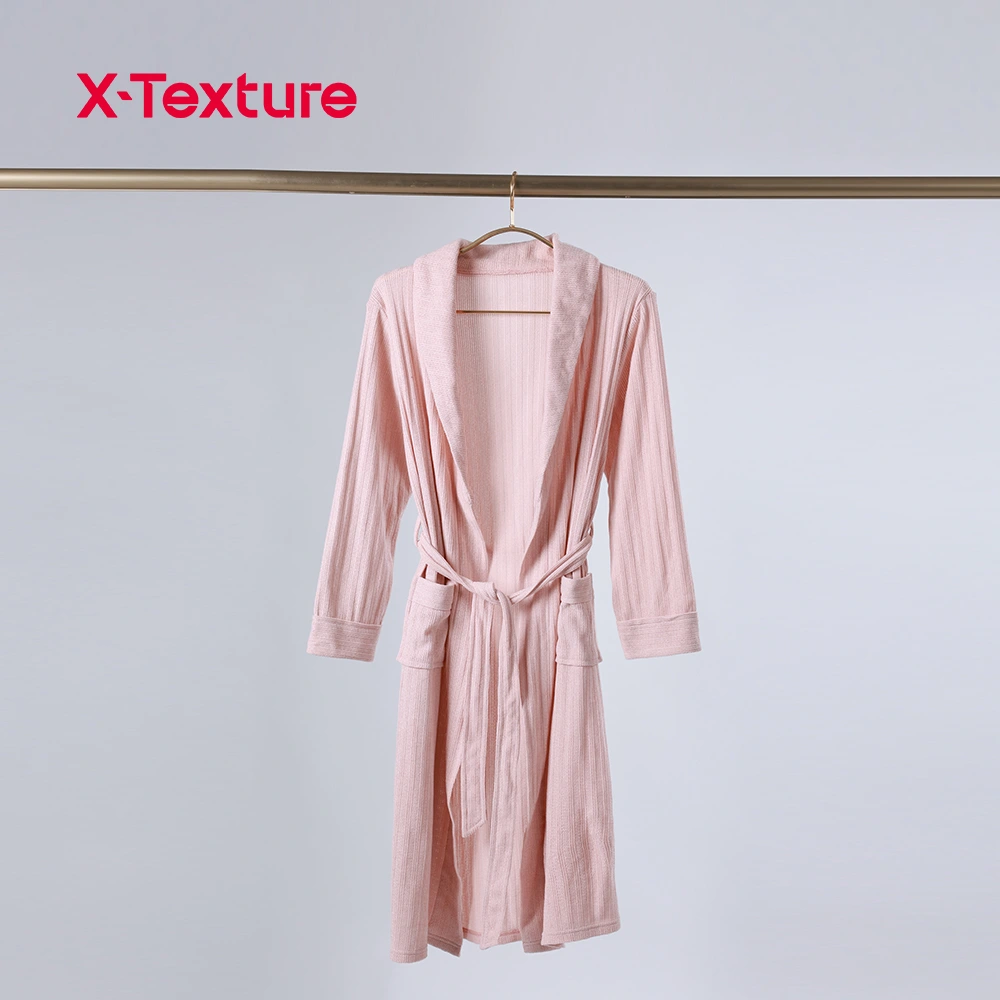
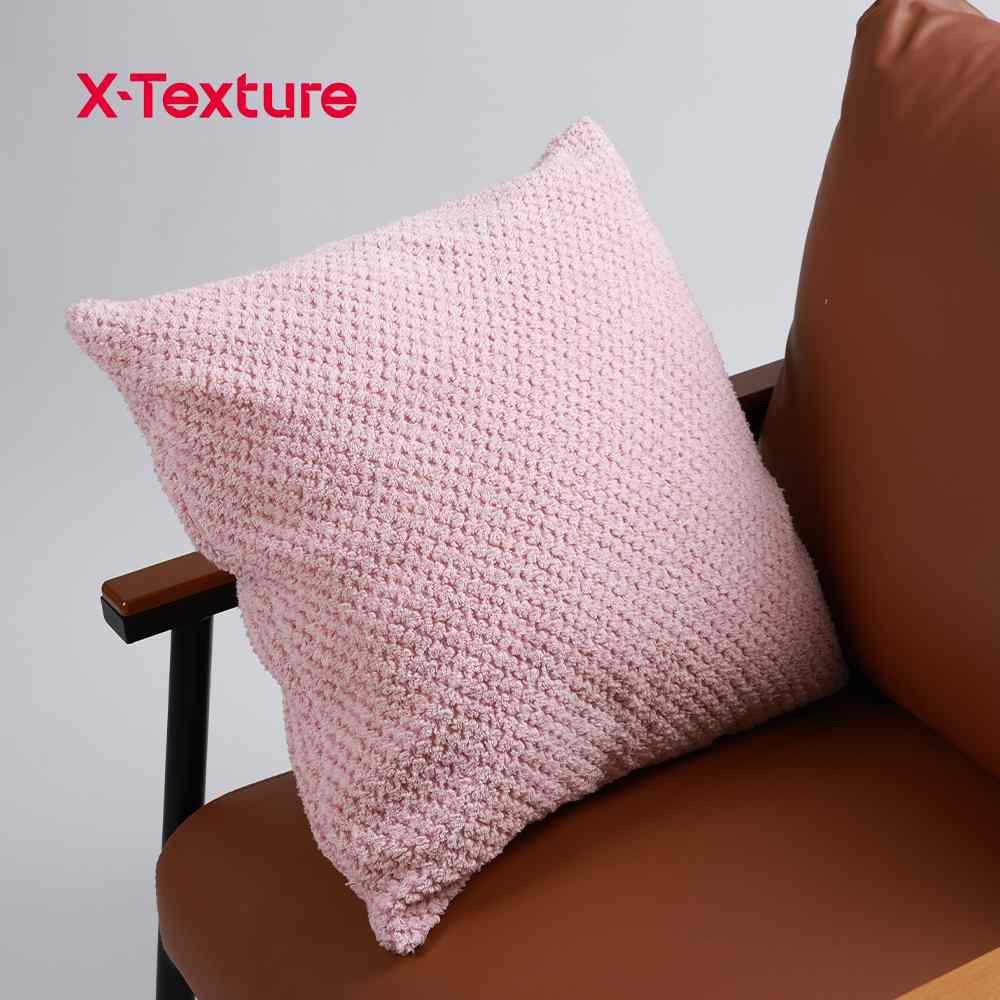
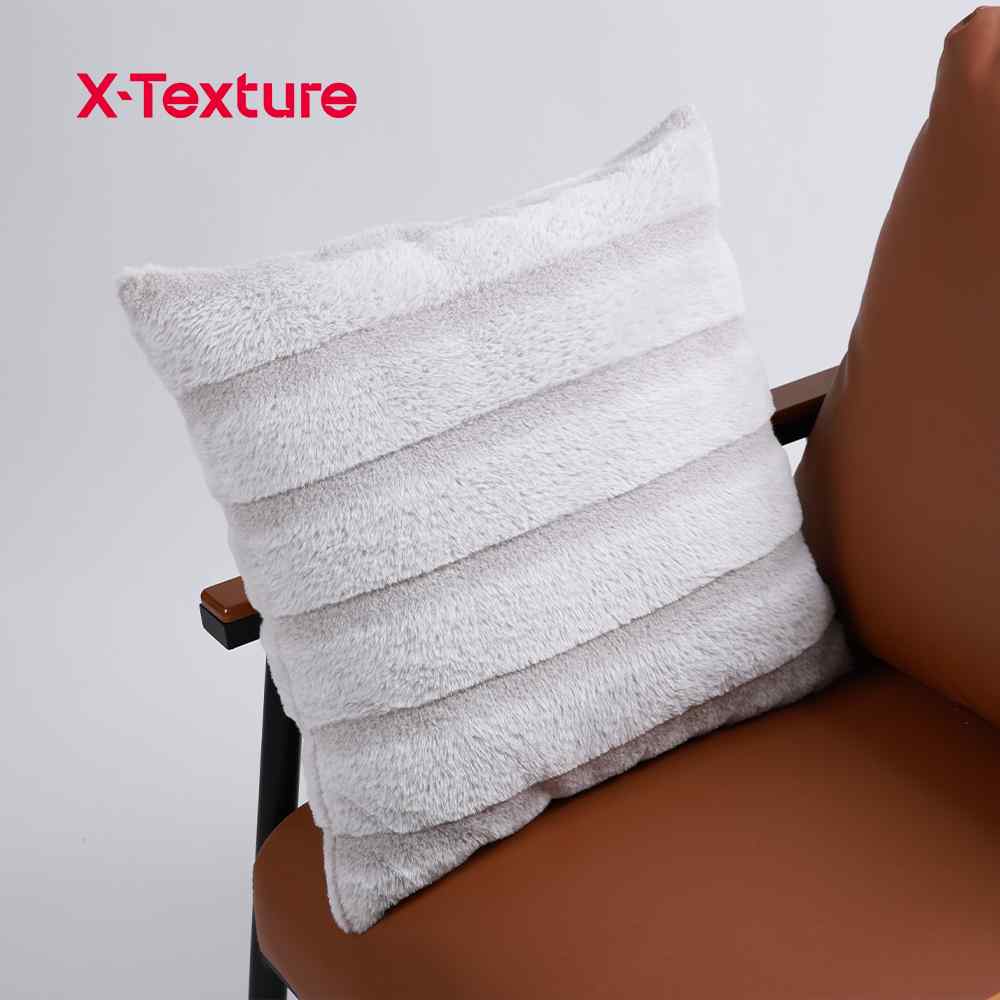
Custom printed flannel fabric is soft, warm, flexible, and capable of holding any personalized print design. Custom-printed flannel fabric has quickly risen to become one of the most popular and versatile textile materials available. As brands, designers, and manufacturers seek more unique and impactful fabric solutions within apparel, home textile, or promotional & specialty consumer products, this custom printed material continues to fuel high levels of demand. A fine brushing on strong fibers together with completely unrestricted printing delivers exactly what both visual creativity and practical comfort require.
This custom-printed flannel fabric trend has taken over the market and is now a buzzword among product developers, sourcing specialists, textile manufacturers, and creative designers. Custom printed flannel fabric works because it allows businesses to understand its workability-from qualities to production processes, customization techniques, applications up to future developments, and leverage that knowledge into an advantage. Therefore, this article provides a detailed yet comprehensible discussion on custom printed flannel fabrics for both search visibility & user-focused understanding.

Introduction to Custom Printed Flannel Fabric
Custom printed flannel fabric is defined as a cotton, polyester, or blended fiber flannel material on which unique patterns, colors, and branding elements have been applied. Custom printed flannel goes beyond the general notion of generic plaid or solid colored flannels to allow complete creative freedom for both businesses and individual consumers who may wish to use fabric as an expressive visual medium. The end uses articulate softness against skin with excellent warmth. Blankets, pajamas, baby clothing, bedding, shirts, seasonal products; however, custom printed brings visual identity home.
Flannel is recognized by its surface, which is brushed. The process of brushing provides fine fibers raised from the woven structure to give a fuzzy body that retains heat and makes it very comfortable. Flannel becomes much more than just a warm textile when flannel is rotary printed, digitally printed, heat transfer printed, or screen printed; it evolves into a customized product component with added value and increased design flexibility.
Custom-printed flannel fabric is highly popular in markets of comfort, personalization, and storytelling. More specifically, the possibility to create different printed designs strengthens the brand identity for companies and helps them establish either seasonal or thematic products targeting a specific consumer group niche market. Customization remains one of the leading trends in contemporary consumption; hence, this type of fabric is important not only within large-scale manufacturing processes but also among small batch producers.
What Defines the Quality of Custom Printed Flannel Fabric
Custom printed flannel fabric is defined in qualities by fiber content, yarn count, brushing on both sides or one side only, print clarity, and durability, after-treatment processes. Understanding how each factor contributes to the final product helps manufacturers make better textiles and enables buyers to make informed decisions regarding sourcing and application.
Fiber Composition
Cotton flannel: Known for breathability, skin-friendliness, and natural softness. It is widely used in apparel and baby products as well as bedding because it is gentle and comfortable. Cotton shows high compatibility with reactive dyes as well as digital printing technologies.
Polyester flannel: More affordable, wrinkle-resistant, and colorfast. With new printing technologies, polyester flannel can be made in bright colors that stay stable after many washes. Suitable for blankets, giveaways, and winter accessories.
Blended flannel: Benefits from the advantages of more than one fiber. Well-balanced between softness, strength, and affordability.
Fiber composition choice depends on the end use. Most preferred is 100% cotton, especially for apparel and baby products. However, there are also huge volumes of blankets and other large seasonal items available in the market made out of polyester flannel. The reason behind this could be explained as cost efficiency, besides superior print vibrancy.
Yarn Count and Fabric Weight
Yarn count affects the smoothness and softness of flannel. Higher yarn counts generally produce softer and finer textures. Fabric weight, usually measured in GSM (grams per square meter), determines warmth and density. Heavy flannel fabrics around 180–250 GSM are used for blankets and winter wear, while lighter options around 120–160 GSM are used for shirts and pajamas.
Brushing Techniques
Flannel is soft and warm because it is brushed. Brushing raises surface fibers to create its characteristic nap, which holds in warmth. Some flannel is brushed on both sides for extra softness. Double-brushed custom printed flannel fabric is favored where top-quality bedding, baby blankets, and loungewear are to be made.
Printing Quality
Printing quality determines the visual appeal, sharpness, and color accuracy of custom-printed flannel fabric. The best results come from printing methods that allow fine detailing and rich color saturation while maintaining the softness of the brushed surface.
Printing Methods Used for Custom-Printed Flannel Fabric
Several printing methods are used to create custom-printed flannel fabric. Each has its own advantages depending on project size, fabric composition, and desired print effects.
Digital Printing
Digital printing works best for highly detailed, multi-color designs or small-batch orders. The level of precision achieved by digital printing is extremely high, and there can be virtually an unlimited number of color variations in the print. Digital printing shows excellent results on cotton flannel but also works with treated polyester surfaces.
Advantages:
- Quick Turnaround
- No Plates Required
- High-Resolution, Photographic Quality Prints
- Eco-Friendly Pigment or Reactive Inks
- Perfect for personalized or on-demand manufacturing
As the trend toward personalization keeps growing in home décor, fashion, and gifts-Digital Printing has found a firm place
Rotary Screen Printing
Rotary printing is widely used for large-scale production. It is suitable for repeating patterns and offers excellent consistency in mass manufacturing. This method is frequently used for custom-printed flannel fabric in bedding, pajamas, and apparel lines.
Heat Transfer Printing
This method transfers designs from paper onto fabric through heat and pressure. It works especially well for polyester flannel because sublimation inks bond with synthetic fibers to create bright, permanent colors.
Flat Screen Printing
Although slower than rotary printing, flat screen printing allows thicker ink application, making it useful for bold prints. It is often used for specific artistic styles or when the manufacturing scale is moderate.
Why Custom Printed Flannel Fabric Is in High Demand
Several market trends and consumer behaviors contribute to the growing popularity of custom-printed flannel fabric. As buyers seek more personalized, comfortable, and visually appealing products, this fabric satisfies multiple needs across different industries.
Personalization and Identity
Consumers increasingly look for products that express individuality. Custom printed flannel allows brands to offer unique prints, personalized gifts, limited-edition themes, and seasonal designs that stand out in the marketplace.
Comfort and Aesthetic Appeal
Flannel is synonymous with warmth, softness, and relaxation. Its comfortable feel makes it a top material for winter and cold-weather products. Combined with custom prints, it enhances both visual and tactile experience.
Versatility Across Product Categories
Custom printed flannel fabric is used in a wide array of industries, making it a highly flexible material. From apparel and home textiles to promotional merchandise and pet products, the scope of use continues to expand each year.
Cost-Effectiveness for Brands
Flannel, especially polyester flannel, offers an economical base material that becomes significantly more valuable when customized. This allows businesses to increase product margins while delivering an attractive and marketable final product.
Seasonal and Market Trends
Holiday designs, cartoon characters, floral prints, and personalized patterns make flannel a staple material during peak buying seasons. Custom printed flannel fabric appeals to children, families, holiday shoppers, pet owners, and décor enthusiasts.
Applications of Custom-Printed Flannel Fabric
The adaptability of custom-printed flannel fabric allows it to be applied in numerous sectors.
Apparel and Fashion
Custom printed flannel fabric is used by apparel designers to create kids’ clothing, matching family pajama sets, fashion-forward flannel shirts, outdoor and workwear lining, as well as seasonal apparel collections. Custom prints help define the style of an individual shirt or a set of pajamas while targeting specific end users.
Home Textiles
Home décor is one of the biggest markets for custom-printed flannel fabric. It is used extensively in:
Blankets and throws
Bedsheets and bedding sets
Pillow covers
Quilts and comforters
Decorative home accessories
Soft texture and pleasing prints make it perfect for cozy living environments.
Baby and Children’s Products
Because of its softness and warmth, custom printed flannel fabric is widely adopted for baby goods such as:
Baby blankets
Swaddles
Burp cloths
Sleepwear
Stuffed toys
Parents appreciate materials that are gentle on the skin while offering attractive prints.
Promotional and Seasonal Products
Custom-printed flannel is often used in businesses needing personalized items:
Corporate giveaways
Holiday-themed blankets
Event merchandise
Brand logo blankets or scarves
Promotional apparel
Because flannel is inexpensive, customizable, and useful, it is a favorite choice for branding.
Crafts and DIY Projects
Crafters and hobbyists appreciate flannel fabric for its softness and versatility, using it in quilting, handmade gifts, fabric toys, and decorative crafts.
Pet Products
Pet blankets, beds, and apparel benefit from the warmth and durability of flannel, especially when custom prints are involved.
Key Considerations When Ordering Custom Printed Flannel Fabric
Businesses and designers ordering custom printed flannel fabric need to consider several key factors to ensure the best results.
Print File Quality
High-resolution patterns are essential for sharp, vibrant printing. CAD files or vector graphics are recommended for large-scale projects.
Color Expectation
Fabric absorbs dyes differently based on fiber type, so color testing or sampling is often necessary to align expectations.
Fabric Weight and Handfeel
Different applications require specific GSM levels. Apparel and baby products may favor lighter flannel, while blankets require heavier weights.
Shrinkage and Wash Durability
Pre-washing and proper finishing processes are essential to maintain print stability and fabric softness after repeated use.
Order Quantities and Lead Time
Digital printing supports small custom orders, while rotary printing is ideal for bulk manufacturing.
The Growing Market Opportunity for Custom-Printed Flannel Fabric
As long as comfort and customization remain twin trends in consumer behavior, the market for custom-printed flannel fabric will continue to grow. Advancements have been made in digital printing on fabrics, completions, and also small run productions that allow even the minimal brands or individual designers to set up exclusive product ranges.
E-commerce is the other big tailwind, boosting the trend in personalized flannel products. More massive sales take place during holidays, winter seasons, and promotional periods. Hence, flannel becomes a strategic material for enterprises aiming to roll out high-value, low-cost offerings.
The demand runs almost steadily throughout the year in industries like pet care, baby products, and home decor. As global buyers get more particular about softness, individuality (customization), and visual appeal (beautiful looking), custom printed flannel fabric will stay a strong textile option with long-term market relevance.
Conclusion
Custom printed flannel fabrics are comfy, visually adaptable, and perfectly warm. This makes an important material across fashions, home textiles, promotions, and special consumer goods. Advancements in printing technologies allow even more detailed, high-impact designs with virtually no limitations on design or order size to satisfy the increasing demand for personalization. Custom printed flannel fabric is soft yet strong; it has become compulsory among brands/manufacturers/designers/consumers who appreciate uniqueness together with comfort because of its printable surface that holds durable prints.