
Abstract
Velvet is a distinctive textile characterised by its soft, dense pile surface. It is created through a specialised weaving process that produces upright fibres with a smooth, plush texture.
According to references such as the Textile Institute and Encyclopaedia Britannica, velvet is a woven pile fabric that was traditionally made from silk, but is now more commonly produced using cotton, polyester, rayon, or blended fibres. The unique way in which loops are cut to form an even pile gives velvet its signature softness, depth of colour, and lightreflective sheen.
Modern velvet is widely used in fashion, upholstery, and interior design thanks to its luxurious appearance and versatile performance characteristics. This article provides a comprehensive, expert-level explanation of velvet fabric, including its structure, composition, types, advantages, disadvantages, and applications, and is designed for both consumers and textile industry professionals.
Introduction: Why Velvet Fabric Is So Unique?
Of all the textile materials, velvet occupies a unique position thanks to its unmistakable tactile and visual properties. Unlike flat-woven fabrics such as cotton poplin or linen, velvet has a three-dimensional surface structure that creates depth and softness, giving it a rich visual effect.
Traditionally associated with royalty and luxury, velvet has evolved into a widely used material for high-end and massmarket products alike. Today, it is used for:
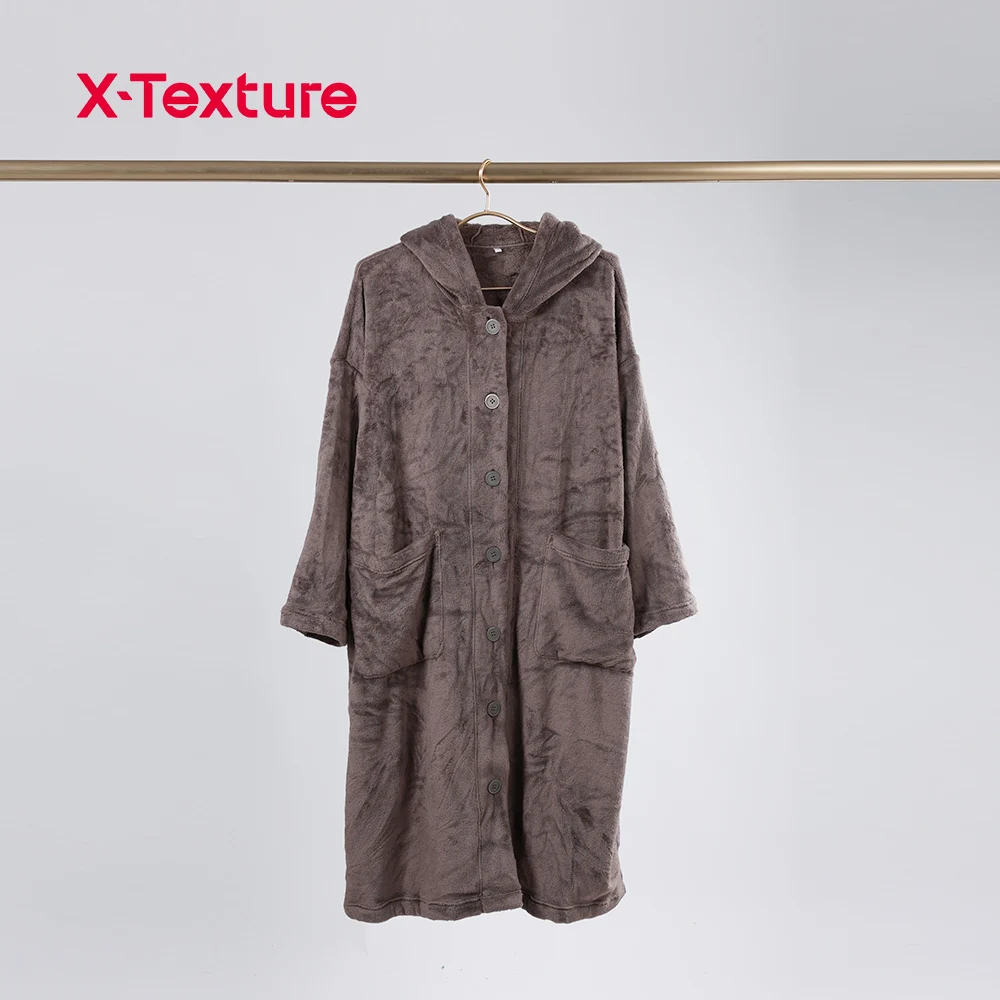
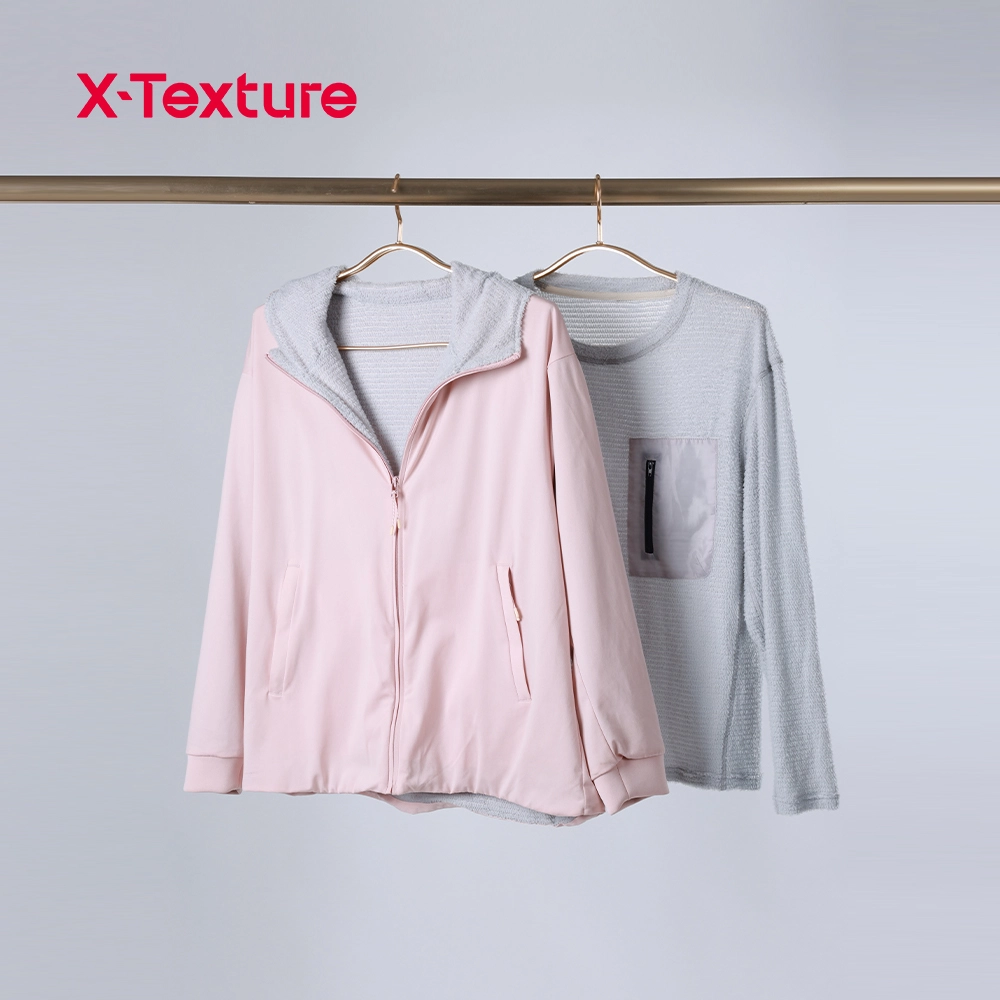
- Apparel, such as dresses, blazers, and shirts
- Home textiles, such as sofas, curtains, and cushions
- Accessories and fashion design
Understanding what velvet is and how it differs from other textiles is essential for making informed decisions about design, purchasing, and manufacturing.
What Kind of Fabric Is Velvet? (Core Definition)
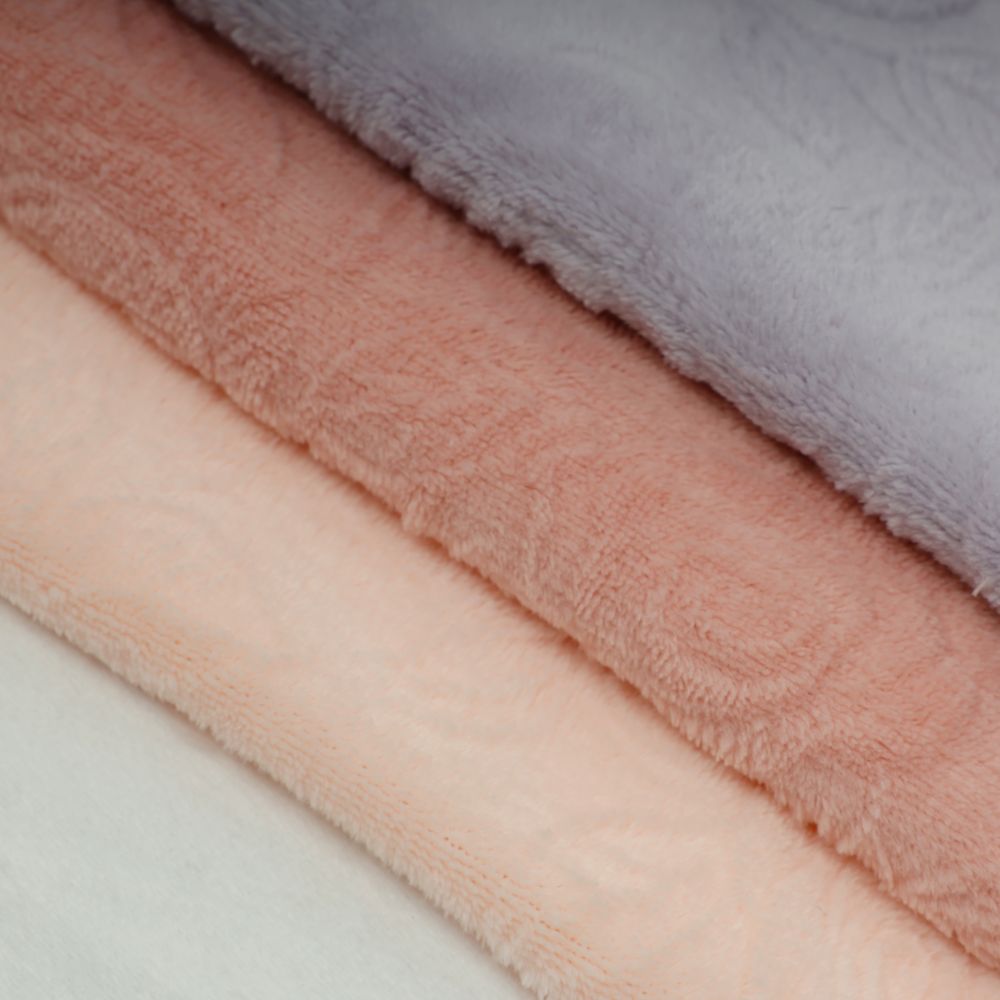
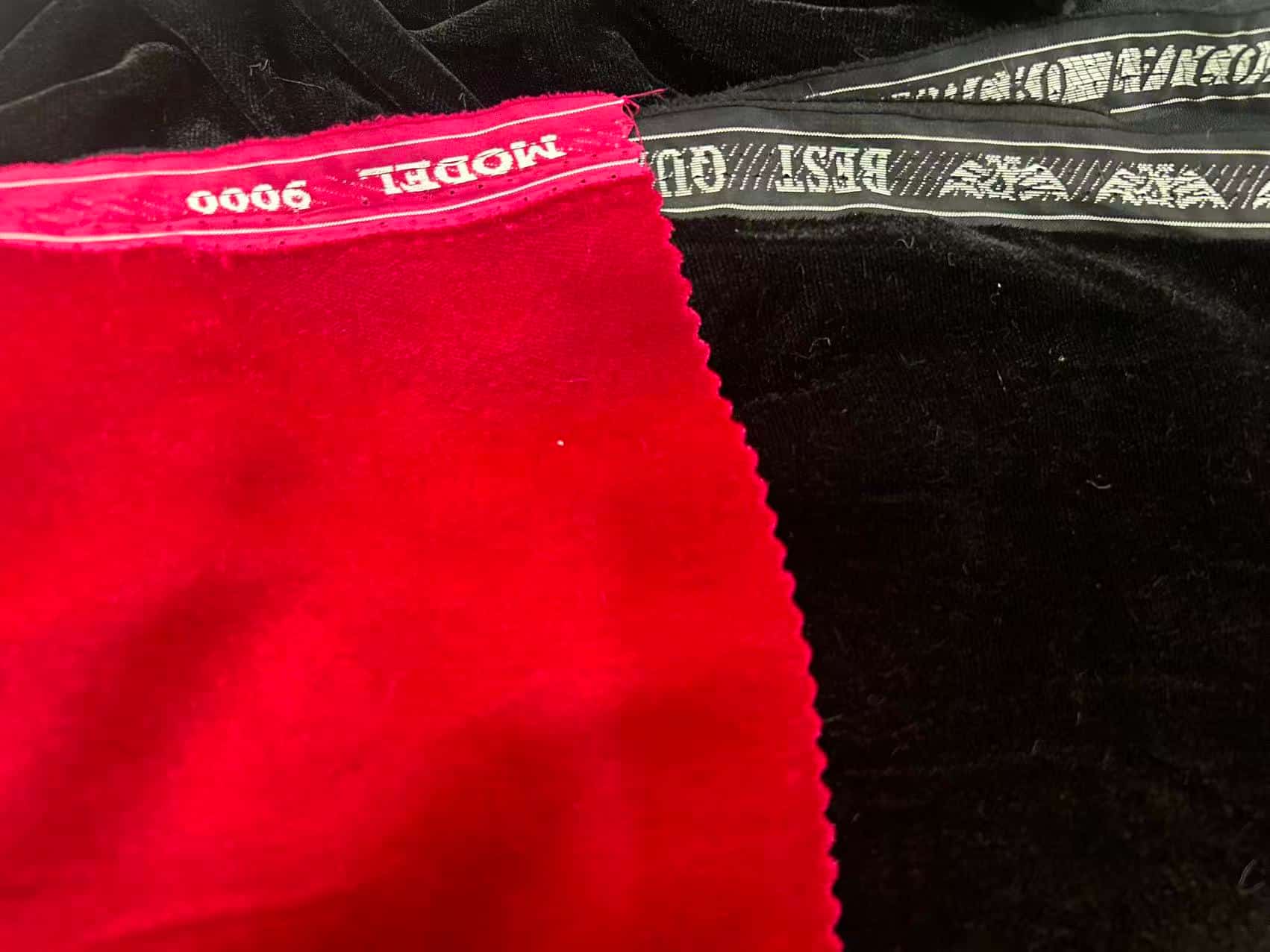
Velvet is a type of fabric characterised by a dense layer of short, upright fibres that create a soft, plush surface.
Key defining features include:
- Pile structure: A raised surface made of evenly cut fibres
- Soft texture: Smooth, luxurious feel
- Light reflection: This creates a rich, shimmering appearance.
- Duallayer weaving: Produced using a complex loom process
A single fibre type does not define velvet — it is a fabric construction, not a material. It can be made from silk (traditional luxury velvet), cotton, polyester, rayon (viscose), blended fibres, etc., which is why velvet is a fabric category rather than a specific fibre.
How Velvet Fabric Is Made?
The production of velvet is more complex than standard weaving processes.
In the doublecloth weaving technique, two layers of fabric are woven simultaneously and connected by extra yarns. These yarns are later cut to create the characteristic pile surface.
The key production steps are:
- Yarn preparation
- Duallayer weaving
- Cutting the pile yarns
- Brushing and finishing
- Dyeing and treatment
This process explains why velvet has historically been more expensive than other fabrics.
Types of Velvet Fabric
Velvet comes in many variations depending on fiber composition and finishing techniques.
Common Types of Velvet
| Type of Velvet | Material | Key Characteristics | Typical Uses |
| Silk Velvet | Silk | Ultrasoft, luxurious, expensive | High-end fashion |
| Cotton Velvet | Cotton | Matte finish, breathable | Apparel, upholstery |
| Polyester Velvet | Synthetic | Durable, affordable | Mass-market products |
| Crushed Velvet | Mixed fibers | Textured, reflective | Fashion garments |
| Stretch Velvet | Polyester + spandex | Flexible, formfitting | Activewear, dresses |
| Velour (knit velvet) | Synthetic blends | Softer, more casual | Loungewear |
Key Properties of Velvet Fabric
- Softness and texture
Velvet is renowned for its exceptionally soft and smooth texture, which is created by densely packed fibres.
- Rich appearance and sheen
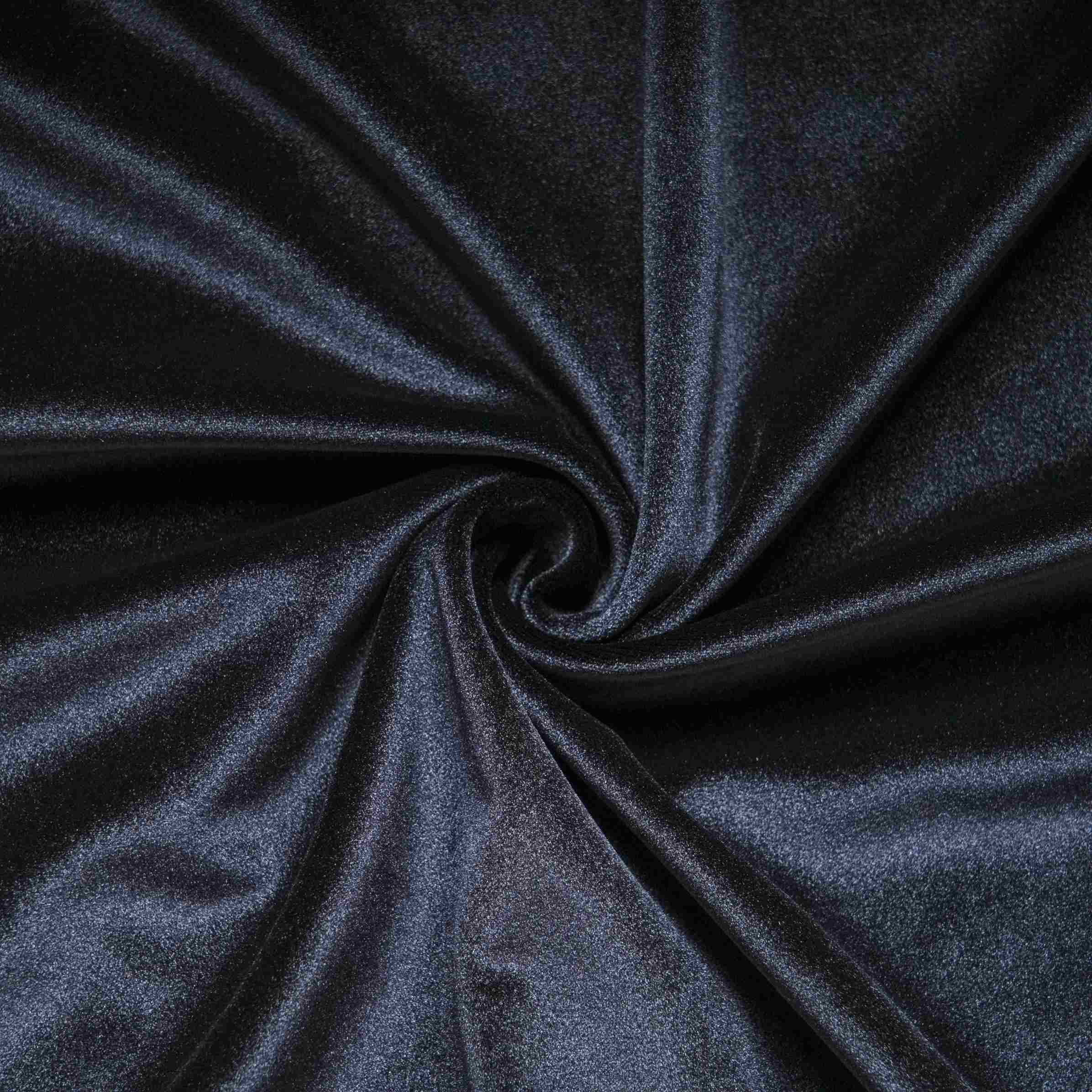
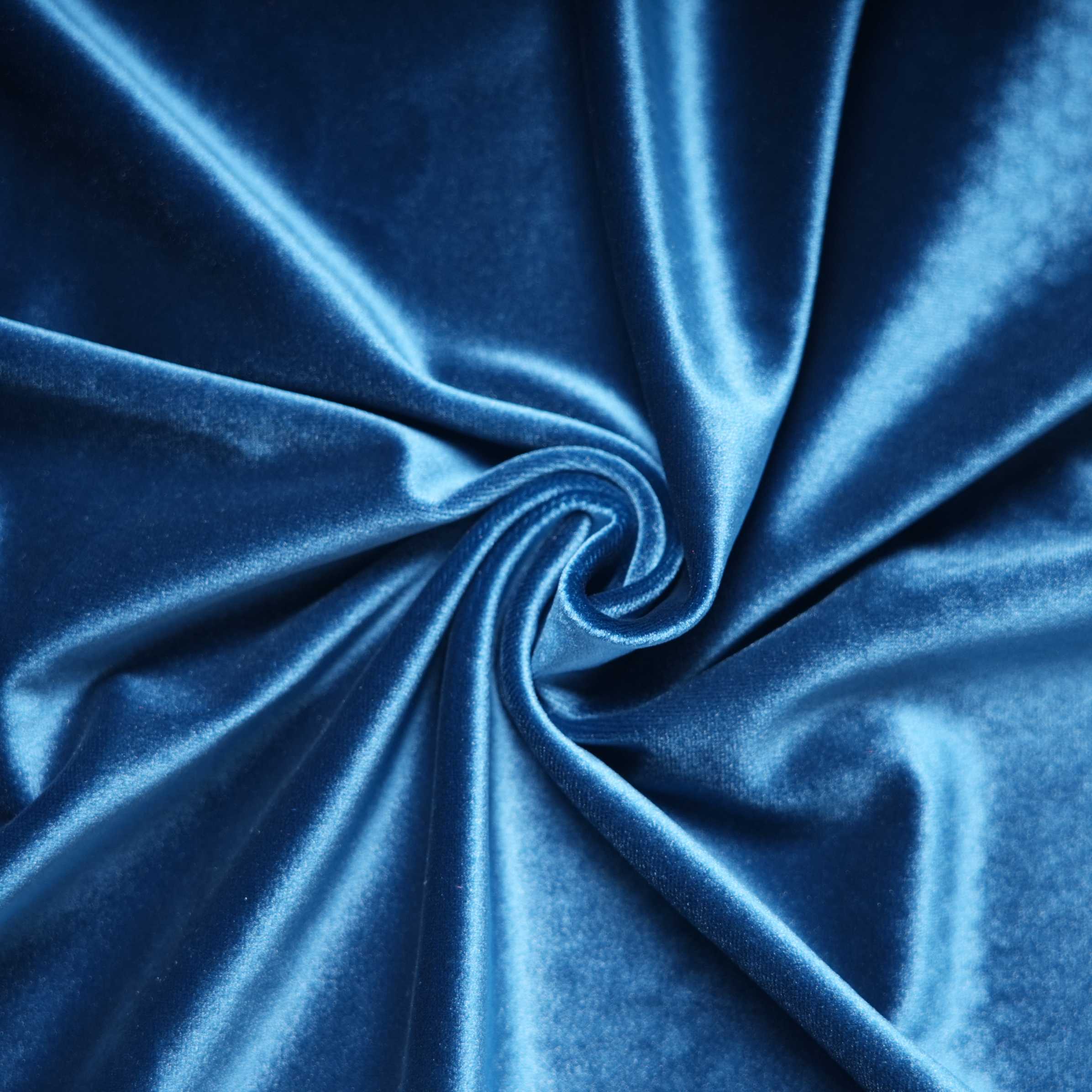
The uneven reflection of light by the pile structure produces a luxurious depth and colour variation.
- Warmth and insulation
Velvet retains heat effectively, making it suitable for cooler climates.
- Durability (varies by fibre type):
- Silk velvet: delicate
- Polyester velvet: durable
- Cotton velvet: moderate durability
- Directional texture (nap effect)
Velvet has a nap, meaning its appearance changes depending on the direction of the fibres.
Advantages of Velvet Fabric
Velvet is widely recognised for its luxurious appearance, soft texture, and rich visual depth, making it a popular choice in fashion and interior design.
- Luxurious aesthetic appeal
- Distinctive soft pile creates a rich, elegant sheen
- Enhances the perceived value of garments and furnishings
- Ideal for premium and high-end applications
- Exceptional softness and comfort
- Smooth, plush surface provides a comfortable tactile experience
- Suitable for direct skin contact in apparel
- Excellent drape and texture
- Falls smoothly to create a refined silhouette
- Adds depth and dimension to designs
- Good insulation properties
- Dense pile structure helps retain warmth
- Suitable for cooler seasons and upholstery
- Versatility in materials
Velvet can be made from various fibres:
- Silk (premium luxury)
- Cotton (breathable and natural)
- Polyester (durable and cost-effective)
- Blends for balanced performance
Disadvantages of Velvet Fabric
Despite its advantages, there are several limitations to velvet that buyers should consider.
- High maintenance requirements
Requires careful cleaning (often dry cleaning); sensitive to pressure marks and crushing.
- Prone to crushing and marking
Pile can flatten under pressure
May show shading or directional marks
- Higher cost (for premium types)
Silk velvet and high-density velvet fabrics can be expensive; the production process is more complex than for standard fabrics.
- Dust and lint attraction
The pile surface tends to attract dust, lint, and pet hair, and requires regular maintenance.
- Limited breathability (for some types)
Synthetic velvet may be less breathable than natural fabrics.
Velvet Fabric vs Other Fabrics
| Feature | Velvet Fabric | Cotton Fabric | Linen Fabric | Polyester Fabric |
| Texture | Soft, plush | Soft, smooth | Crisp | Smooth |
| Appearance | Luxurious, shiny | Matte | Natural | Slight sheen |
| Breathability | Medium | High | Very high | Low |
| Durability | Medium | Medium | High | High |
| Maintenance | Moderatehigh | Easy | Moderate | Easy |
What Is Velvet Fabric Used For?
Due to its aesthetic and functional properties, velvet is used across multiple industries.
- Fashion and apparel
- Evening dresses
- Jackets and coats
- Formal wear
- Accessories (scarves, shoes, handbags)
- Home furnishings
- Upholstery (e.g., sofas and chairs)
- Curtains and drapes
- Cushions and decorative pillows
- Luxury and decorative applications
- Stage and theatre curtains
- Event decoration
- Interior accent elements
- Footwear and accessories
- Premium shoes
- Bags and small leather goods (velvet finished)
How to Identify High-Quality Velvet Fabric?
The quality of velvet is defined by its pile density, fibre quality, finish, and overall durability. Before sourcing, buyers should evaluate both visual and technical characteristics.
- Check pile density and uniformity
High-quality velvet has dense, evenly distributed pile fibres, and the surface should appear full, smooth, and consistent. Sparse or uneven pile indicates lower-grade material.
- Evaluate softness and hand feel
Premium velvet should feel smooth, soft, and luxurious. It should not feel rough, stiff, or overly synthetic.
- Observe luster and colour depth
Quality velvet exhibits a rich, deep colour with a subtle sheen. Light reflection should be even, not patchy.
- Test pile recovery (resilience)
Press the fabric gently and release. High-quality velvet will recover quickly with minimal visible marks.
- Inspect the backing fabric’s strength
The base fabric should be strong and tightly woven; weak backing can lead to tearing or shedding of the pile.
- Check shedding and durability
Rub the surface lightly.
Excess fibre shedding indicates poor construction.
- Review the finishing and processing quality
Look for clean edges, consistent dyeing and minimal defects. High-quality finishing improves performance and longevity.
Emerging Velvet Fabric Trends (2026)
- Sustainable Velvet
Recycled polyester and eco-friendly viscose are gaining traction.
- Performance Velvet
Modern velvet includes:
- Stain-resistant coatings
- Water-repellent finishes
- Durable synthetic blends
- Stretch and Hybrid Velvet
Blended fabrics improve flexibility and usability.
How to Choose the Right Velvet Fabric?
Selecting the right velvet requires aligning material characteristics with application, performance needs, and budget.
- Define the End Use
Different applications require different velvet types:
- Apparel: Lightweight, soft, breathable velvet
- Upholstery: Durable, heavyweight velvet with high abrasion resistance
- Curtains: Good drape and light-blocking properties
- Select Appropriate Fiber Type
Fiber composition determines performance and cost:
- Silk velvet: Premium, luxurious, high cost
- Cotton velvet: Soft, breathable, natural
- Polyester velvet: Durable, wrinkle-resistant, costeffective
- Blends: Balanced performance and price
- Consider Fabric Weight and Thickness
- Lightweight velvet → apparel and fashion use
- Heavyweight velvet → upholstery and home décor
- Evaluate Durability Requirements
For high-traffic or heavyuse environments:
- Choose velvet with high abrasion resistance
- Consider performance-treated or reinforced options
- Assess Maintenance Requirements
- Some velvets require dry cleaning
- Synthetic velvet often offers easier care
- Check Colorfastness and Dye Quality
Ensure resistance to fading, especially for upholstery or frequent washing
- Balance Cost vs Performance
- Premium velvet provides superior aesthetics and feel
- Midrange options may offer better cost efficiency for large-scale projects
- Request Samples Before Bulk Purchase
Always validate through:
- Touch and visual inspection
- Performance testing (wash, wear, abrasion)
- Application trials
FAQ: Velvet Fabric
What kind of fabric is velvet exactly?
Velvet is a woven pile fabric with a dense layer of short fibers that creates a soft, plush surface.
Is velvet a natural or synthetic fabric?
It can be both. Velvet can be made from natural fibers like silk and cotton or synthetic fibers like polyester.
Why is velvet so soft?
Because of its dense pile of upright fibers, which creates a smooth and cushioned surface.
Is velvet durable?
Durability depends on the fiber; synthetic velvet is more durable than silk velvet.
What is velvet mainly used for?
Velvet is used in clothing, upholstery, and decorative applications.
Conclusion
Velvet is best understood not as a single material, but as a unique textile construction characterised by its plush surface and pile weave. The combination of softness, depth, and visual richness that it offers makes it one of the most distinctive fabrics in the textile industry.
From luxurious silk velvets to contemporary synthetic blends, velvet continues to evolve alongside advances in textile technology, offering aesthetic appeal and functional versatility. Whether used in fashion, interior design, or accessories, velvet remains a timeless fabric that balances tradition with innovation.