
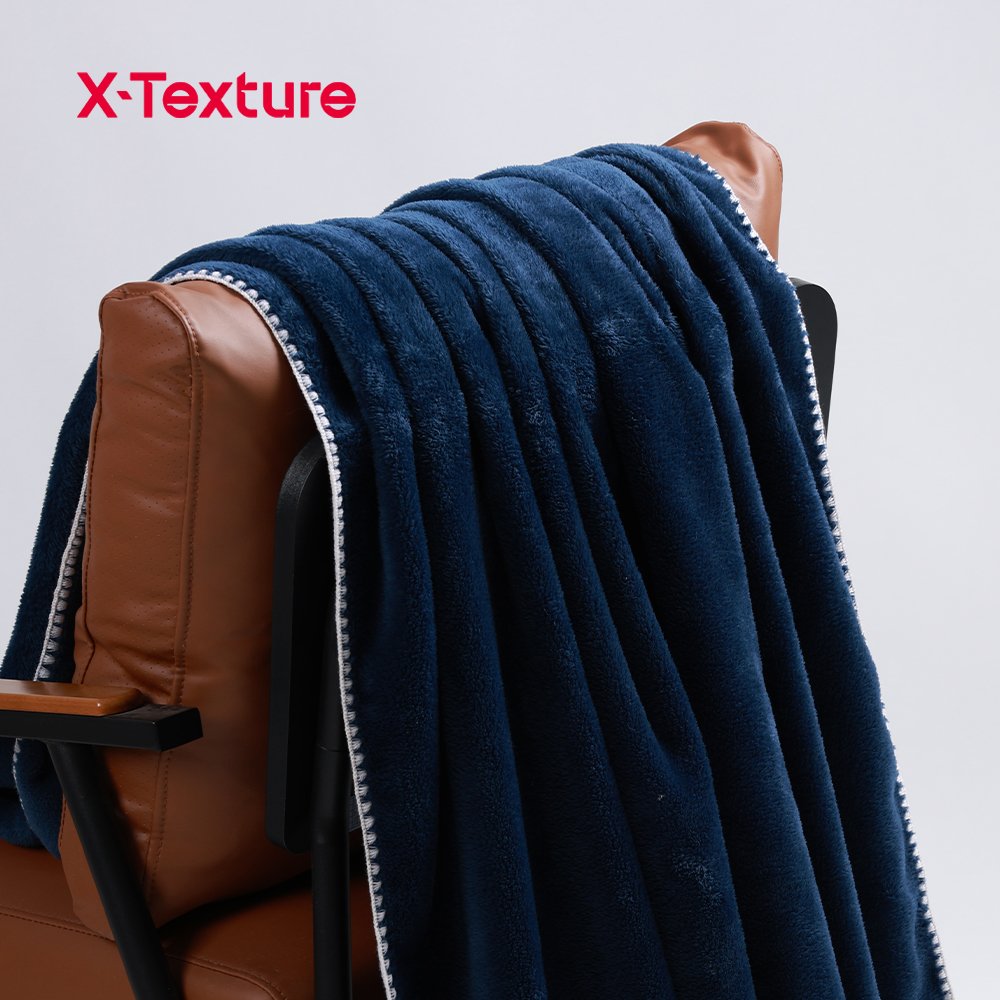
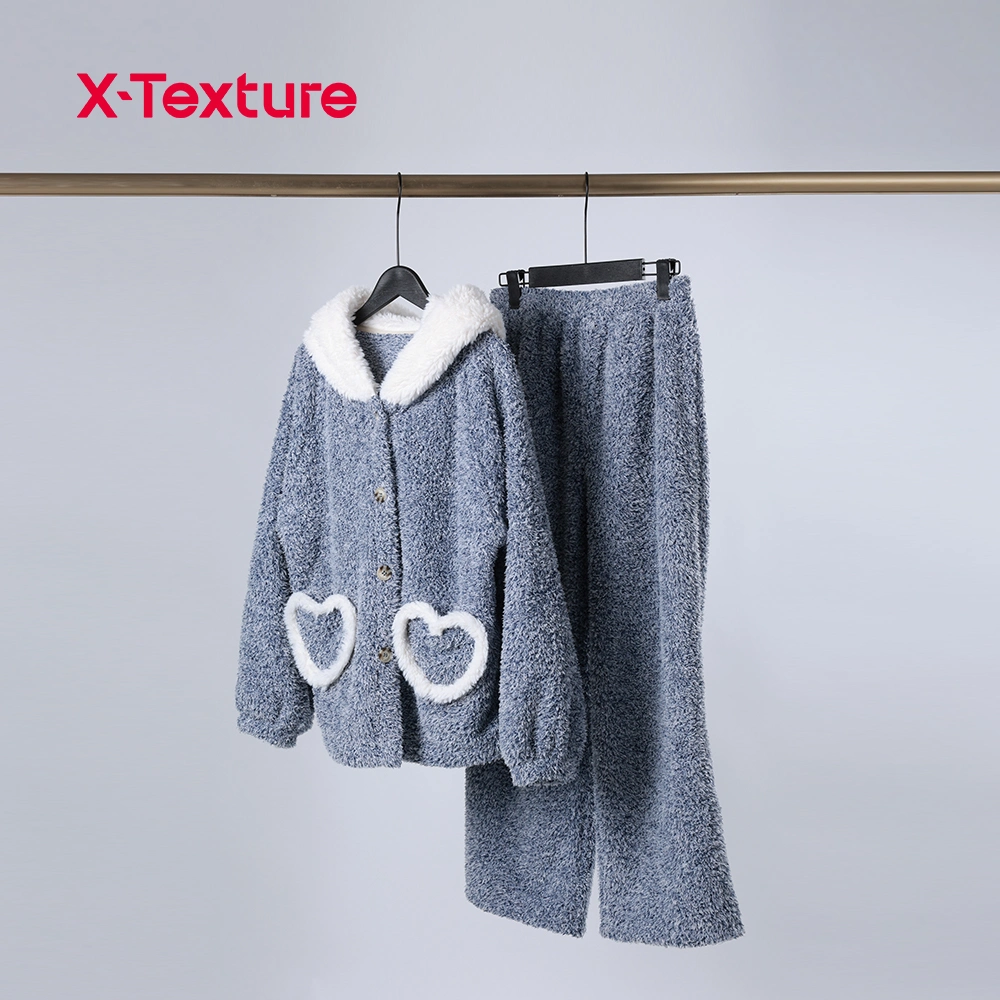
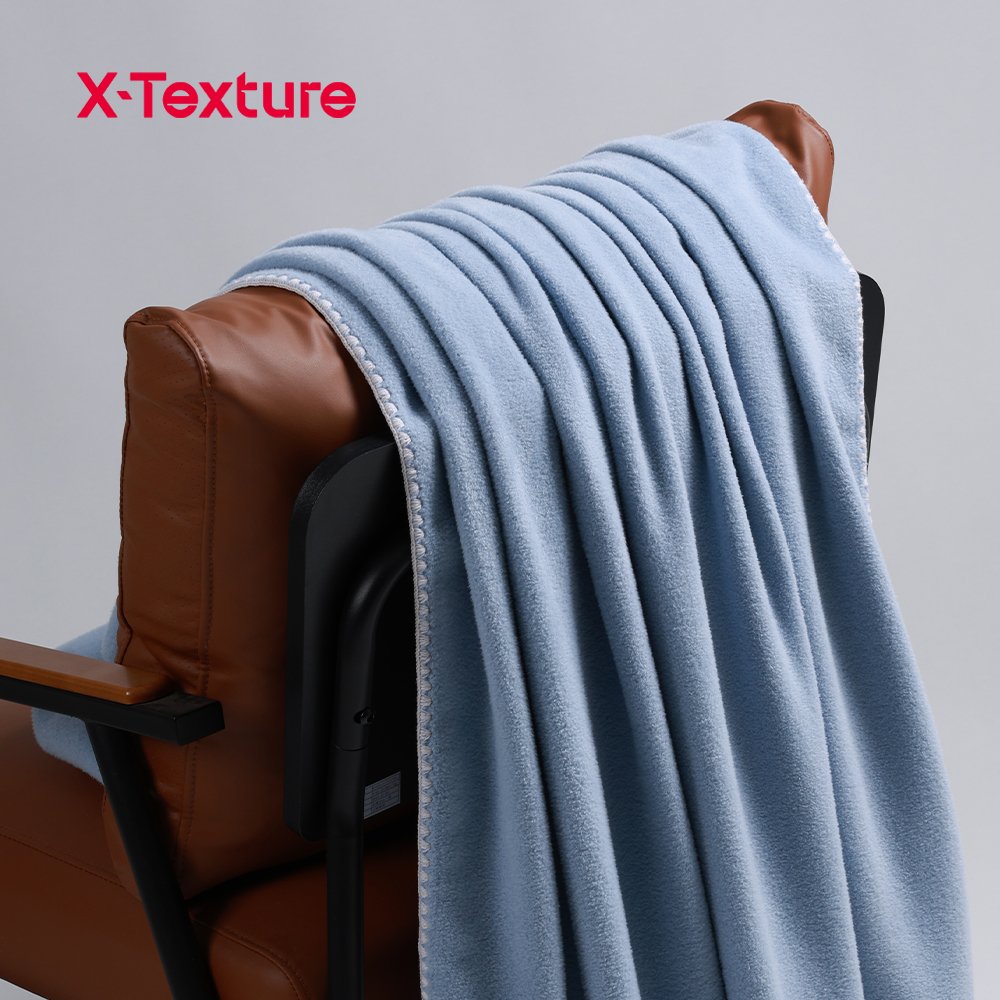
Functional clothing is specifically designed to provide performance benefits beyond basic aesthetics. These benefits include moisture management, thermal regulation, UV protection, antimicrobial properties, waterproofing, stretch recovery, and durability. Examples include moisture-wicking sportswear, waterproof outdoor jackets, flame-resistant workwear, compression garments, and temperature-regulating activewear made using advanced functional fabric technologies.
Research published in the Textile Research Journal, Advanced Materials and the Journal of Industrial Textiles suggests that functional textiles are one of the fastest-growing segments in the global apparel industry, driven by the increasing demand for comfort, health protection, improved athletic performance and sustainable innovation.
Introduction: Why Functional Fabric Is Reshaping the Future of Clothing
Over the past decade, the global apparel industry has undergone a major transformation. Garments are no longer designed solely for appearance or seasonal protection. Modern consumers increasingly expect garments to offer enhanced performance, comfort, and durability, as well as health-related benefits.
Consequently, functional fabrics have become one of the most important innovations in modern textile manufacturing.
Today’s consumers want clothing that can:
- Keep the body dry
- Regulate temperature
- Resist bacteria
- Protect against UV radiation
- Stretch comfortably
- Improve athletic performance
- Enhance durability
- Reduce odour
- Support sustainability goals
These demands have driven the rapid development of functional clothing in areas such as sportswear, medical textiles, outdoor gear, military apparel, workwear, fashion, and smart wearable technology.
Functional clothing is now present in almost every sector of the textile industry, from highperformance sportswear to luxury fashion collections.
This article explores the meaning of functional fabric, explains the most common examples of functional clothing, examines fabric technologies, discusses textile innovations, analyses future industry trends, and illustrates how functional textiles are transforming modern apparel manufacturing worldwide.
What Is Functional Clothing?
Functional clothing is apparel designed with specific performance-oriented properties to improve comfort, safety, efficiency, or physical performance.
Unlike traditional garments, which mainly focus on aesthetics, functional clothing uses advanced textile engineering to achieve specialised outcomes.
These garments may include:
- Moisture management systems
- Waterproof membranes
- Thermal insulation layers
- Antimicrobial treatments
- Stretch performance
- UV protection
- Flame resistance
- Compression support
- Breathability enhancement
The foundation of these garments is functional fabric technology.
What Is Functional Fabric?
Functional fabrics are textile materials that are engineered to provide technical or performance-based properties that go beyond the conventional functions of textiles.
These fabrics are developed using:
- Specialised fibres
- Chemical treatments
- Fabric coatings
- Advanced knitting structures
- Nanotechnology
- Smart textile engineering
Functional fabrics are widely used because they improve wearer comfort and environmental adaptability.
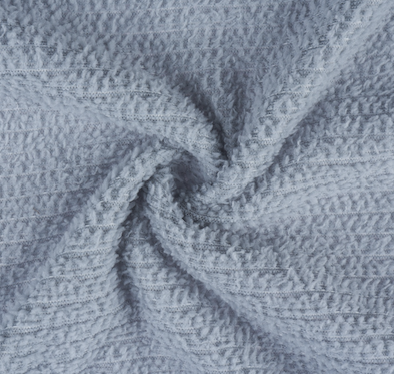
Examples of Functional Clothing
Many modern garments now incorporate functional textile technologies.
Common Examples of Functional Clothing
| Clothing Type | Functional Feature |
| Sportswear | Moisture wicking |
| Outdoor Jackets | Waterproofing |
| Compression Wear | Muscle support |
| UV Protection Clothing | Sun protection |
| FlameResistant Uniforms | Fire resistance |
| Thermal Base Layers | Temperature regulation |
| Antimicrobial Medical Apparel | Hygiene control |
| Stretch Activewear | Flexibility and recovery |
These garments are specifically engineered for targeted performance outcomes.
Moisture-Wicking Sportswear: The Most Common Example
One of the best-known examples of functional clothing is moisture-wicking sportswear.
These garments use advanced synthetic or blended fabrics to transport sweat away from the skin and towards the outer surface of the fabric, where it evaporates more efficiently.
The benefits of moisture-wicking functional fabric include:
- Faster sweat evaporation
- Improved comfort
- Reduced skin irritation
- Better athletic performance
- Lower moisture retention
This technology is now standard in:
- Running apparel
- Gym wear
- Yoga clothing
- Cycling jerseys
- Training uniforms
Polyester microfibre and advanced knitted structures are commonly used in these fabrics.
Waterproof Outdoor Clothing
Outdoor jackets are another major example of functional clothing.
These garments use waterproof yet breathable membranes that prevent external moisture penetration while allowing internal vapor to escape.
Popular Waterproof Technologies
| Technology | Function |
| PU Coating | Water resistance |
| PTFE Membranes | Breathable waterproofing |
| DWR Finishes | Water repellency |
| Laminated Fabrics | Multilayer protection |
Waterproof functional fabrics are heavily used in:
- Hiking jackets
- Ski apparel
- Rainwear
- Military gear
- Industrial workwear
Modern outdoor consumers increasingly expect waterproof clothing to also remain lightweight and breathable.
Thermal Regulating Functional Clothing
Due to changing climate conditions and growing outdoor lifestyles, temperature-regulating clothing is becoming increasingly popular.
These garments are designed to:
- Retain heat in cold conditions
- Release excess heat in warm conditions
- Improve body temperature stability
Common thermal functional fabrics include:
- Merino wool blends
- Phase change materials (PCM)
- Hollow fibre insulation
- Fleece composites
- Infrared reflective fabrics
Thermal regulation has become especially important in the markets for outdoor sportswear and winter activewear.
UV Protection Clothing
Clothing that provides ultraviolet protection is another fast-growing segment of functional apparel.
UV-protective functional fabrics are designed to minimise exposure to harmful solar radiation.
These fabrics often include:
- Dense fibre structures;
- UV-blocking coatings;
- Specialised synthetic yarns;
- Titanium dioxide additives.
UV-protective garments are increasingly used for:
- Outdoor sports
- Fishing apparel
- Construction uniforms
- Beachwear
- Hiking clothing
As awareness of the risks of skin cancer increases globally, the market for UV-protective textiles continues to expand rapidly.
Compression Garments and Sports Performance
Compression clothing has become extremely popular among athletes and fitness enthusiasts alike.
Compression garments apply controlled pressure to muscles and circulation systems.
Claimed benefits include reduced muscle vibration, enhanced circulation, faster recovery, improved support, and lower muscle fatigue. Although scientific findings remain mixed in some areas, compression wear continues to grow rapidly in the global activewear market.
Antimicrobial Functional Fabrics
Antimicrobial fabrics inhibit bacterial growth and reduce odor development.
These textiles often use:
- Silver ion treatments
- Zinc-based technologies
- Copper-infused fibers
- Biobased antimicrobial finishes
Common Applications
| Industry | Application |
| Healthcare | Medical uniforms |
| Sportswear | Odor-resistant apparel |
| Hospitality | Hygienic textiles |
| Military | Long-duration wear |
| Travel Apparel | Reduced odor retention |
Antimicrobial performance became especially important following global public health concerns in recent years.
Flame-Resistant Functional Clothing
Flame-resistant clothing protects workers operating in hazardous environments.
Industries requiring FR clothing include:
- Oil and gas
- Electrical utilities
- Firefighting
- Manufacturing
- Military operations
These garments use specialised functional fabrics that are capable of resisting ignition and minimising flame spread.
Common flame-resistant fibres include:
- Aramid fibres
- Modacrylic blends
- Treated cotton
- Carbon-based textiles
Safety regulations strongly influence this segment of the textile industry.
Stretch Fabrics and Comfort Engineering
Stretch performance is one of the most important aspects of modern apparel design.
Elastane and spandex technologies enable garments to:
- Improve movement flexibility
- Maintain shape retention
- Increase comfort
- Reduce garment restriction
Stretch functional fabrics are heavily used in:
- Athleisure
- Yoga wear
- Compression garments
- Denim
- Performance uniforms
Comfort engineering has become central to modern clothing development.
Smart Textiles and Wearable Technology
One of the most advanced areas of functional fabric innovation involves smart textiles.
These fabrics integrate electronic or responsive technologies directly into textile structures.
Emerging Smart Fabric Applications
| Technology | Function |
| Conductive fibers | Electronic signal transfer |
| Heated textiles | Active warming |
| Sensor fabrics | Health monitoring |
| Phase change textiles | Temperature adaptation |
| Energy-harvesting fabrics | Power generation |
Smart textiles are expected to play a major role in future wearable technology markets.
Functional Fabric Materials Explained
Different fibers contribute unique performance properties.
Common Functional Fabric Materials
| Material | Functional Benefit |
| Polyester | Moisture management |
| Nylon | Durability |
| Spandex | Stretch recovery |
| Merino Wool | Thermal regulation |
| Bamboo Fiber | Softness and breathability |
| Aramid | Flame resistance |
| Polypropylene | Moisture transport |
Material selection depends heavily on garment purpose and performance requirements.
Functional Clothing in Sportswear
The sportswear industry remains one of the largest users of functional fabrics.
Modern athletes expect apparel capable of improving:
- Comfort
- Breathability
- Movement efficiency
- Sweat management
- Recovery support
As fitness culture continues growing globally, demand for performance textiles remains extremely strong.
Athleisure fashion has further blurred the boundary between activewear and casual clothing.
Functional Clothing in Outdoor Apparel
The production of outdoor apparel depends heavily on advanced fabric technologies.
Consumers increasingly expect outdoor garments to offer the following:
- Waterproofing
- Wind resistance
- Insulation
- Breathability
- Abrasion resistance
Highperformance outdoor brands invest heavily in textile research and innovation.
Climate adaptability is now one of the most important factors influencing the purchase of outdoor clothing.
Functional Clothing in Medical Textiles
Healthcare is another major functional textile segment.
Medical clothing increasingly incorporates:
- Antimicrobial treatments
- Fluid resistance
- Disposable textile systems
- Comfort optimization
- Stretch flexibility
The medical textile market continues to expand globally due to aging populations and healthcare modernization.
Functional Clothing in Military Applications
Military uniforms require advanced performance properties.
Military functional fabrics often prioritise:
- Camouflage integration;
- Flame resistance;
- Durability;
- Thermal adaptability;
- Lightweight construction;
- Water resistance.
Defence textile innovation continues to influence the commercial outdoor apparel market.
Sustainability Trends in Functional Fabric
Sustainability has become one of the most important issues in the textile manufacturing industry.
Traditional synthetic textiles often raise concerns relating to:
- Microplastic pollution
- Carbon emissions
- Water consumption
- Chemical processing
As a result, manufacturers are increasingly developing sustainable, functional fabrics using:
- Recycled polyester
- Biobased fibres
- Water-saving dyeing
- Low-impact finishing
- Circular textile systems
The challenge for the industry is to balance sustainability with technical performance.
Nanotechnology in Functional Fabrics
Nanotechnology is playing an increasingly important role in textile engineering.
Nanoscale treatments can improve the following properties:
- Water repellency
- UV protection
- Antimicrobial performance
- Stain resistance
- Conductivity
Nanotechnology enables these functional improvements without significantly affecting the softness or breathability of fabric.
Future Trends in Functional Clothing
The future of functional apparel will likely include the following:
- AI-integrated smart textiles
- Biometric health monitoring fabrics
- Self-cleaning garments
- Adaptive thermal clothing
- Carbon-neutral textile production
- Fully recyclable performance fabrics
As consumers increasingly prioritise comfort, health, sustainability and performance, the market for functional clothing will continue to grow across the globe.
Why Is Functional Fabric Important for Modern Consumers?
Modern consumers increasingly lead active and mobile lifestyles in variable climates.
As a result, they expect clothing that can deliver:
- Multifunctional performance
- Improved comfort
- Better durability
- Lower maintenance
- Environmental adaptability
Functional fabrics directly address these evolving lifestyle needs.
This shift is transforming not only sportswear but also fashion, workwear, healthcare textiles, and luxury apparel.
FAQ: Functional Fabric Questions People Commonly Ask
- What is an example of functional clothing?
Moisture-wicking sportswear is one of the most common examples of functional clothing because it improves sweat management and wearer comfort.
- What is functional fabric?
Functional fabric is a textile material engineered to provide performance features such as waterproofing, breathability, stretch, UV protection, or antimicrobial performance.
- Why is functional clothing important?
Functional clothing improves comfort, protection, performance, and adaptability in various environments and activities.
- What materials are used in functional fabrics?
Common materials include polyester, nylon, spandex, merino wool, aramid fibers, bamboo fiber, and advanced textile blends.
- Is waterproof clothing considered functional clothing?
Yes. Waterproof jackets and outdoor apparel are among the most important categories of functional clothing.
- What is the future of functional textiles?
Future functional textiles may include smart fabrics, biometric monitoring systems, adaptive thermal regulation, and sustainable recyclable textile technologies.
Conclusion
Functional clothing is one of the most significant developments in the modern textile and apparel industry. By combining advanced textile engineering with practical human needs, functional fabrics have transcended traditional fashion boundaries to encompass sportswear, healthcare apparel, outdoor clothing, industrial safety gear, military equipment, and wearable technology.
Examples range from moisture-wicking activewear and waterproof jackets to antimicrobial medical garments and smart textiles. Functional fabrics now play a central role in modern consumer lifestyles. The increasing demand for comfort, sustainability, performance, and technological integration is accelerating innovation across the global textile market.
As material science, nanotechnology, and wearable electronics advance, functional fabrics are likely to become even more intelligent, adaptive, sustainable, and personalised. For manufacturers, brands and consumers alike, functional textiles are no longer a niche category — they are rapidly becoming the foundation of next-generation apparel design.