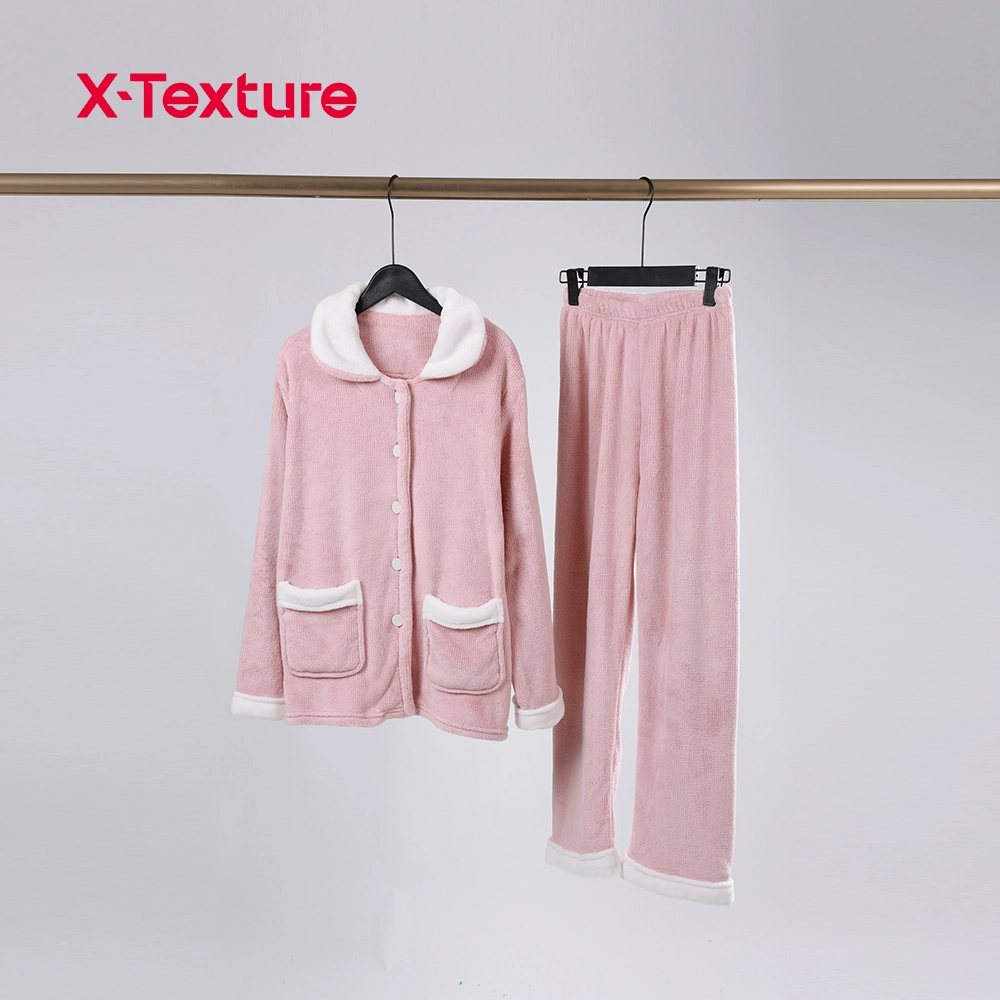

Soft, snuggly fleece is popular for chilly nights. But are fleece pajamas safe for babies?
Yes, but only under specific conditions. Room temperature and proper layering are absolutely essential.
In this post, you’ll learn safe sleep rules and fabric tips to prevent dangerous overheating.
Understanding Baby Fleece Sleepwear Safety
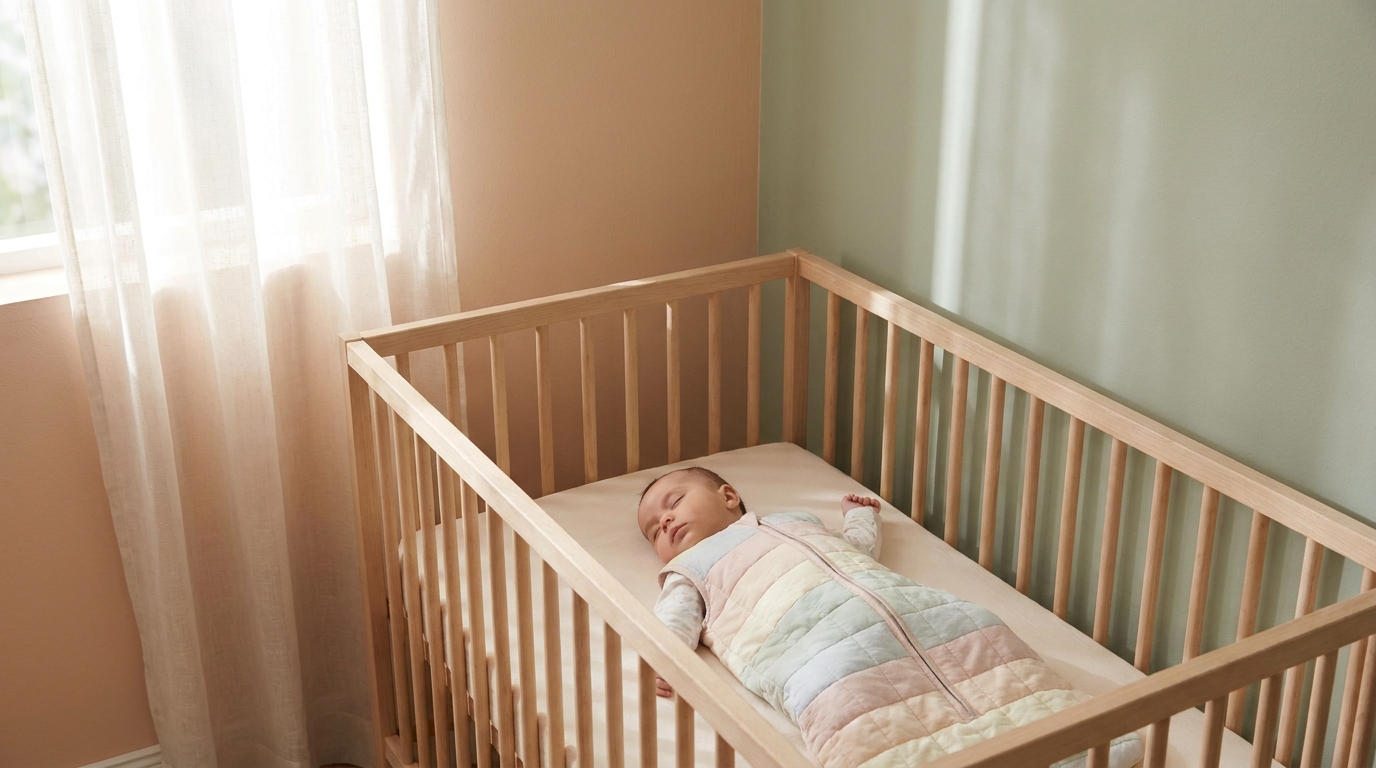
As we mentioned earlier, keeping your little one comfortable requires careful attention to room temperature and layering. You might wonder how these factors impact baby fleece sleepwear safety. The answer lies in understanding the fabric itself and how infants regulate their body heat.
What is Fleece?
Traditional fleece is a synthetic material. Manufacturers usually make it from polyester fibers. It excels at trapping body heat and providing powerful insulation. Today, textile innovators produce many variations. For example, Jiangsu X-Texture Textile Technology Development Co., Ltd. specializes in advanced plush materials. They manufacture high-quality double-sided flannel fleece and innovative S-warm Tec self-heating fabrics. These materials offer exceptional warmth for chilly nights. However, this high insulation level means parents must use them correctly.
The Risk of Overheating
Infants do not regulate their body temperature like adults do. They primarily release excess heat through their heads and faces. Because synthetic fleece traps heat so effectively, it can sometimes hold in too much warmth and sweat. This makes the issue of fleece overheating baby a valid concern for parents. If the nursery is already warm, a heavy fleece sleeper might push their core temperature too high. This brings us back to our main question: are fleece pajamas safe for babies? Yes, but you must match the garment to the environment.
Temperature and Safe Sleep Guidelines
Pediatric organizations strongly emphasize temperature control. Overheating remains a primary environmental risk factor linked to sleep-related hazards. You should always monitor the nursery climate. The ideal room temperature falls between 68 and 72°F. We can compare adult and infant heat regulation below.
| العامل | Adults | Babies |
|---|---|---|
| Heat Regulation | Sweat across the entire body | Release heat primarily through the head and face |
| Insulation Needs | Can easily add or remove blankets | Rely entirely on parent-chosen layers |
| Overheating Risk | Low (can wake up and adjust) | High (cannot independently remove layers) |
Why a Bare Crib is Essential
Safe sleep protocols require a completely bare crib. When your infant wears a warm fleece sleeper, you must keep all loose items out. Never put loose blankets, pillows, or stuffed animals in their sleep space. These items create severe suffocation hazards.
You must also follow the strict no-hat rule indoors. Putting a hat on a sleeping infant prevents their head from releasing excess heat. This significantly increases the risk of overheating. A well-fitted fleece pajama provides all the necessary warmth. You do not need any extra accessories.
When Are Fleece Pajamas Acceptable for Infants?
We just established the importance of a bare crib and a hat-free head. Now you need to know exactly when heavy fabrics make sense. You cannot use thick materials universally. They serve a very specific purpose. You must match the garment to your home’s unique environment.
Ideal Room Temperatures for Fleece
As we covered earlier, the ideal nursery climate hovers between 68 and 72°F. However, many homes experience drafty windows or uneven heating. If your baby’s room drops below 68°F (20°C), fleece becomes a highly practical choice. Industry standards often rate these thicker garments around 2.5 TOG. This thermal grade specifically targets cool rooms ranging from 16 to 18°C. If your thermostat reads higher, you should switch to lighter materials.
Daytime Naps and Outdoor Use
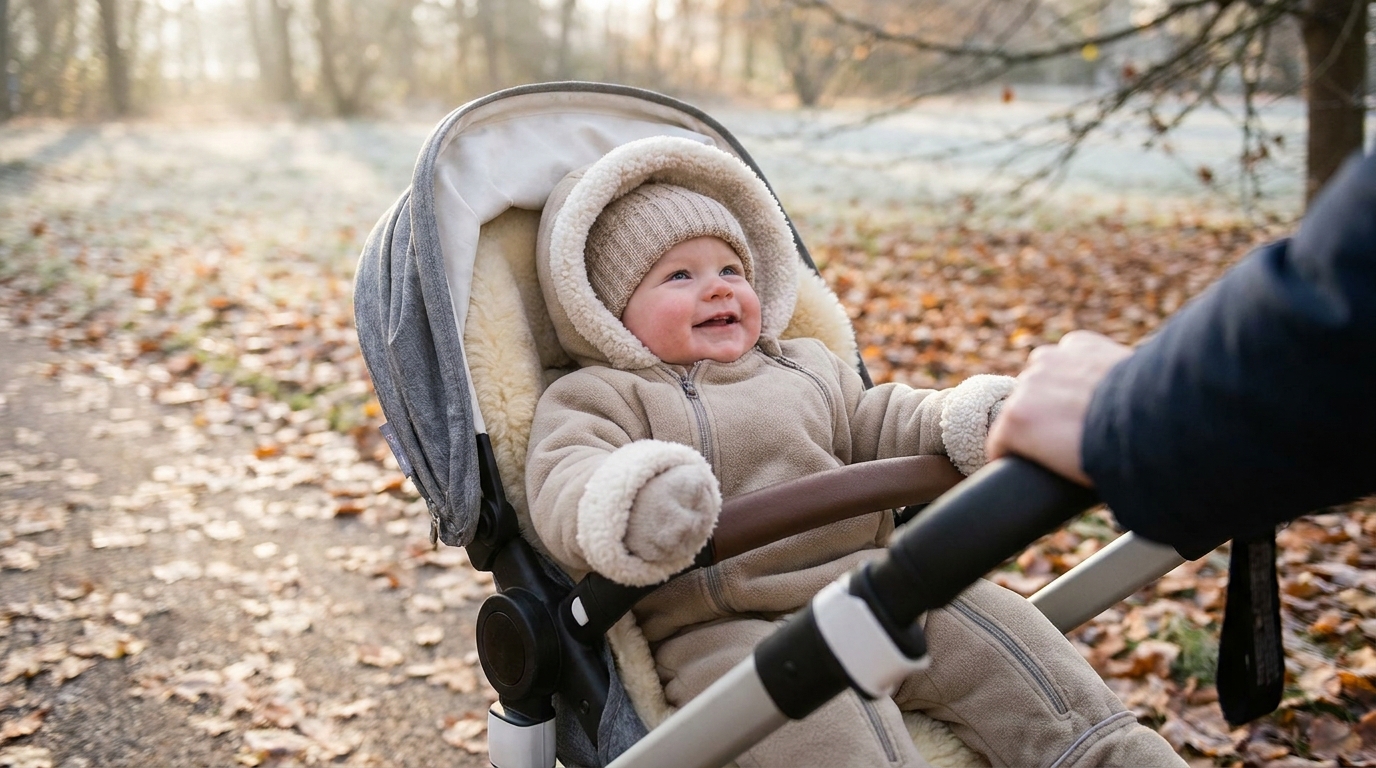
You do not have to reserve these warm garments strictly for overnight sleep. Fleece is perfectly safe for supervised daytime naps. You can easily monitor your baby’s temperature while they rest nearby. These cozy fabrics also shine during cold-weather stroller walks or quick morning snuggles. When you take your baby outside in chilly weather, a thick fleece layer provides excellent insulation against the wind.
Sleep Sacks vs. Footed Pajamas
Parents often debate between one-piece footed pajamas and wearable blankets. Any comprehensive baby pajama fabric guide will highlight the benefits of layering. A fleece sleep sack generally offers better temperature control than full-body pajamas.
You can easily customize the layers underneath a sleep sack. We recommend using a cotton bodysuit as a base layer. Cotton absorbs moisture and protects sensitive skin. You then place a warm sleep sack over it. This combination creates breathable baby sleepwear that prevents sweat buildup.
Quality materials play a huge role in safe layering. Jiangsu X-Texture manufactures premium double-sided flannel fleece and S-warm Tec self-heating fabrics. These advanced textiles deliver exceptional warmth without requiring excessive bulk. When shopping, you might also look for OEKO-TEX baby clothing certifications. This ensures the fabrics remain free from harmful chemicals.
Let’s compare these two popular sleepwear styles directly.
| الميزة | Fleece Sleep Sacks | Fleece Footed Pajamas |
|---|---|---|
| Temperature Control | High (easy to change base layers) | Low (fixed insulation level) |
| Airflow | Allows air circulation around the legs | Traps heat tightly against the skin |
| Diaper Changes | Quick access via bottom zippers | Requires unzipping the whole body |
| Best Use Case | Overnight sleep in drafty nurseries | Supervised daytime play or stroller walks |
Baby Pajama Fabric Guide: Fleece vs. Alternatives
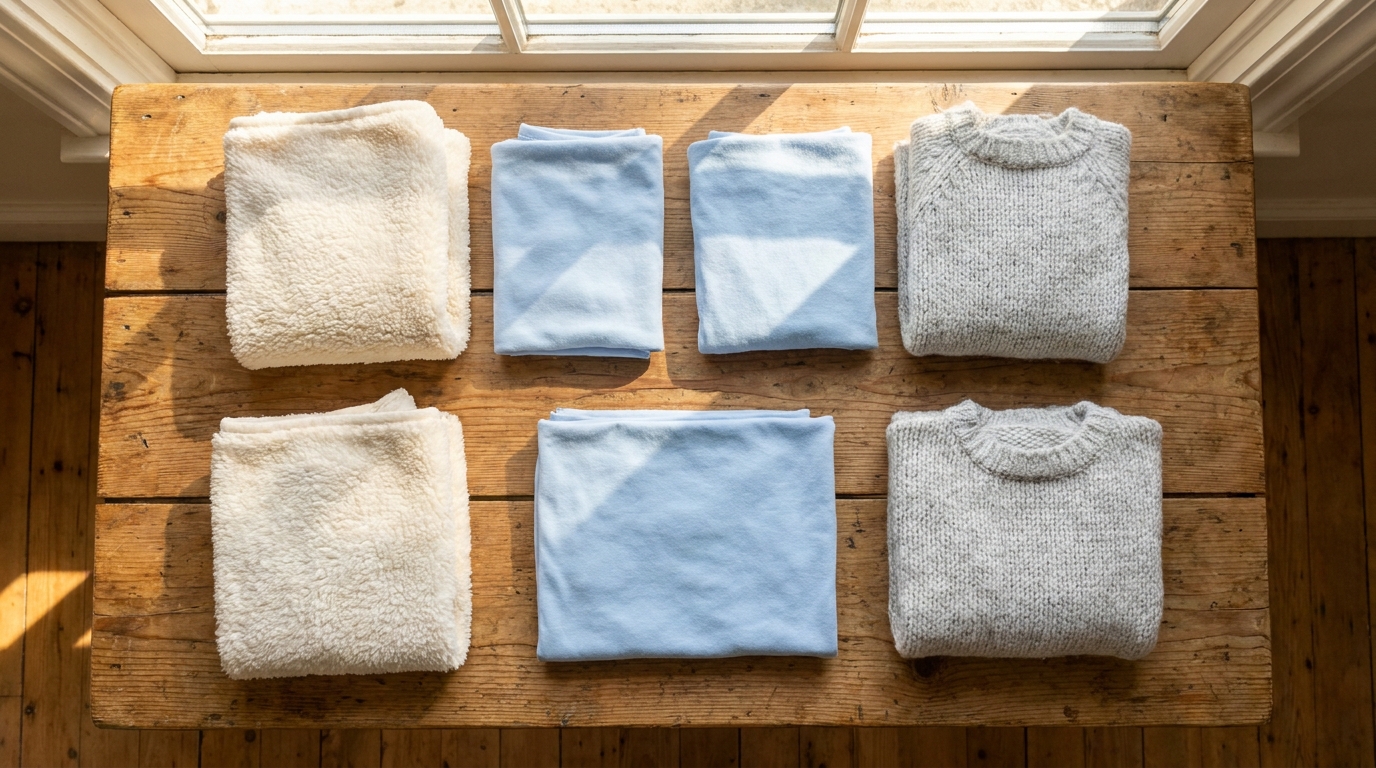
We just explored how sleep sacks compare to footed pajamas and the importance of base layers. Choosing the right style is only half the battle. You also need to select the right material. This baby pajama fabric guide will help you compare popular options.
Polyester Fleece
Traditional synthetic fleece offers exceptional warmth for cold nights. It naturally resists flames, which helps garments meet strict safety standards. However, you must use it carefully. As we covered earlier, a major concern is fleece overheating baby if the room gets too warm. It traps heat efficiently but does not allow much airflow. This makes it perfect for drafty rooms but risky for moderate climates.
Cotton and Bamboo
When the nursery stays warm, you need lighter materials. Cotton and bamboo-viscose are excellent choices. They provide highly breathable baby sleepwear for moderate environments. These natural fibers allow air to circulate freely against the skin. If your infant sweats, cotton and bamboo quickly absorb the moisture. The sweat evaporates easily, keeping their core temperature stable. You can also use a thin cotton bodysuit as a base layer under thicker winter garments.
Merino Wool
Merino wool serves as a premium natural alternative to synthetics. It regulates body temperature beautifully and wicks away moisture. If your baby gets a little warm, the wool breathes to release excess heat. While it performs exceptionally well, it comes with drawbacks. Merino wool is often quite expensive. It also requires delicate washing routines to prevent shrinking or damage.
The Role of High-Quality Manufacturing
Not all synthetic materials perform the same way. The manufacturing process makes a massive difference in safety and comfort. Cheaply made polyester often feels scratchy and traps sweat aggressively. Expert manufacturers focus on advanced textile engineering to solve these problems.
For example, Jiangsu X-Texture Textile Technology Development Co., Ltd. specializes in high-end plush fabrics. Founded in 2012, they produce advanced materials like double-sided flannel fleece and minky. These textiles offer superior softness and durability for baby bedding and garments. They provide the necessary warmth without the stifling bulk of cheaper alternatives. When choosing sleepwear, always look for quality construction. Checking for OEKO-TEX baby clothing certifications also ensures the fabric remains free from harmful finishing chemicals.
Let’s summarize how these popular materials compare.
| نوع القماش | Warmth Level | قابلية التنفس | Best Use Case |
|---|---|---|---|
| Polyester Fleece | عالية جداً | منخفضة | Cold, drafty rooms (under 68°F) |
| Cotton / Bamboo | Low to Medium | عالية جداً | Moderate to warm rooms (over 70°F) |
| Merino Wool | عالية | عالية | Fluctuating temperatures |
| Premium Minky / Flannel | عالية | معتدل | Cold rooms requiring extra softness |
How to Prevent Overheating in Fleece Sleepwear
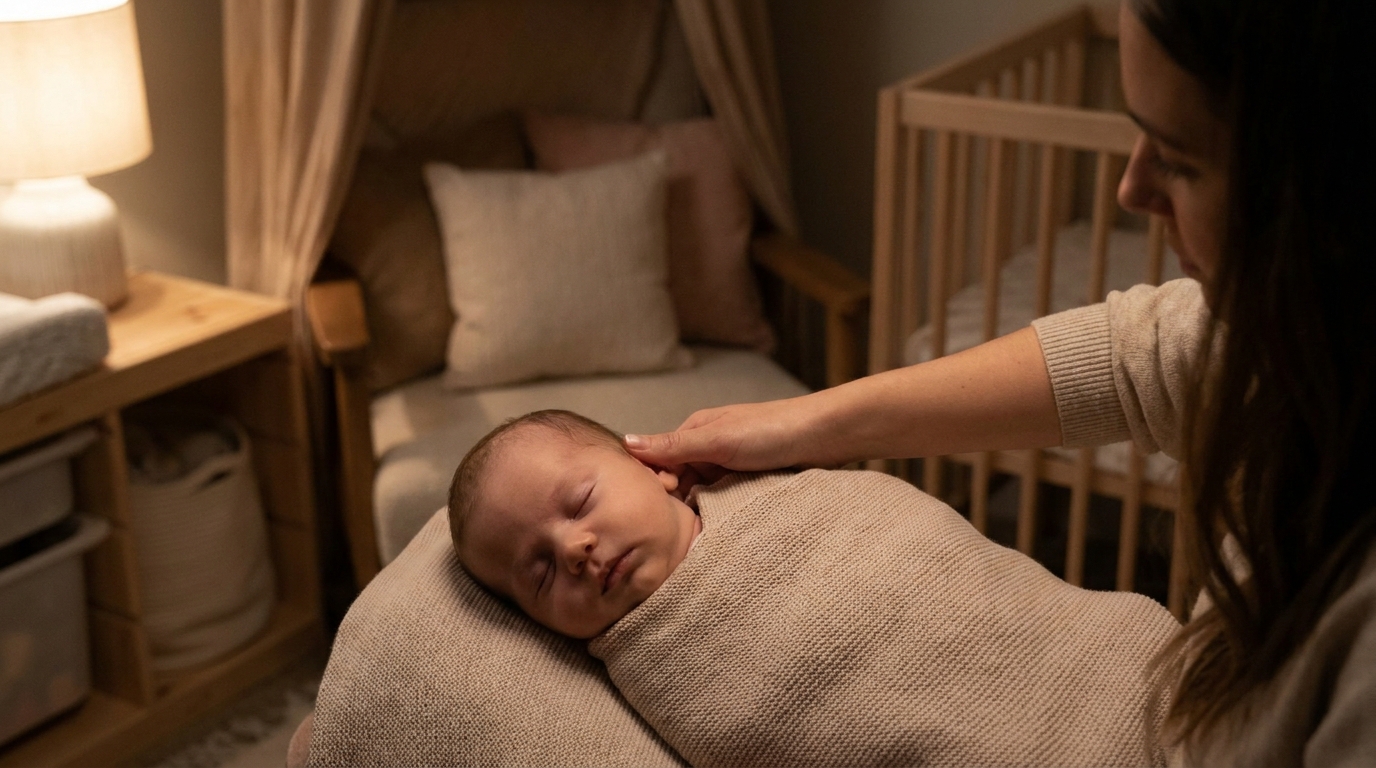
We just compared different materials like synthetic polyester, natural wool, and premium flannel. Choosing the right fabric is a great start. However, even when using high-quality textiles from manufacturers like X-Texture, you must actively monitor your child. Preventing a fleece overheating baby scenario requires hands-on checks and smart clothing combinations.
The “Neck Check” Method
Many parents worry when they touch their infant’s hands or feet and find them cold. This often leads to unnecessary extra layers. Having cold hands and feet is actually very normal. A baby’s circulatory system focuses on keeping their core warm. Hands and feet are not accurate temperature indicators.
Instead, you should always perform the neck check. Simply slide two fingers down the nape of your baby’s neck or feel their chest. Their skin should feel warm and completely dry. If the skin feels hot, damp, or sticky, they are too warm. You need to remove a layer immediately to keep them safe.
Recognizing the Signs of Overheating
You cannot always rely on a room thermometer alone. Drafts or sudden heating spikes can easily happen overnight. You must watch for physical distress signals closely. If you wonder, are fleece pajamas safe for babies tonight, let your child’s body give you the answer.
Look for these common warning signs of heat stress:
- Damp Hair: Check for sweat around the hairline or forehead.
- Flushed Cheeks: Red, warm cheeks indicate the body is working hard to cool down.
- Sweaty Back or Chest: Moisture trapped against the skin means the fabric is holding too much heat.
- Rapid Breathing: Noticeably faster breaths can signal thermal stress.
- Fussiness: An unusually restless or crying infant might simply be too hot.
- Heat Rash: Small red bumps can appear if sweat stays trapped against sensitive skin.
Smart Layering Techniques
As we covered earlier, infants only need one more layer than an adult would wear. You should never stack multiple heavy garments together. Smart layering keeps your baby cozy without risking their safety.
If you use a thick fleece sleep sack, pair it with a lightweight cotton bodysuit. The cotton acts as a comfortable moisture-wicking base. It protects the skin while the outer layer provides insulation. You should always avoid putting fleece over fleece.
Material quality matters deeply in this layering process. X-Texture produces advanced S-warm Tec self-heating fabrics and double-sided flannel fleece. These materials offer exceptional thermal insulation without heavy bulk. Because they trap heat so efficiently, a single thin base layer is usually enough. Always check that your chosen garments carry OEKO-TEX baby clothing certifications. This ensures the fabrics remain free from harsh chemical agents.
Flammability Rules, Fit, and Safety Labels
We just discussed how OEKO-TEX baby clothing certifications protect sensitive skin from harsh chemicals. Chemical safety plays a massive role in overall comfort. However, you also must navigate confusing flammability rules and garment fit. When parents ask, are fleece pajamas safe for babies, they often overlook these federal safety labels.
Understanding Sleepwear Regulations
The U.S. Consumer Product Safety Commission strictly regulates children’s sleepwear. Garments sized above nine months must meet specific fire safety standards. You will typically see two types of warning labels on pajamas. They must be either flame-resistant or snug-fitting.
Polyester fleece fabrics are naturally flame-resistant. The material extinguishes itself when exposed to a flame. Manufacturers use this material to pass safety tests without applying chemical flame retardants. Cotton pajamas behave very differently in these environments. Loose cotton fibers can catch fire quite easily. Therefore, cotton sleepwear must fit very tightly against the body. This tight fit eliminates oxygen gaps and slows down potential fires.
| Label Type | Common Fabrics | How It Protects Babies |
|---|---|---|
| Flame-Resistant | Polyester fleece, microfleece | Fibers naturally resist catching fire and self-extinguish. |
| Snug-Fitting | Cotton, bamboo-viscose | Tight fit removes air gaps to prevent flames from spreading. |
Why Fit Matters Beyond Fire Safety
A snug fit does much more than prevent fire hazards. It directly impacts your baby’s breathing and movement. Sleepwear should always have snug collars and tight wrist cuffs.
If a fleece sleeper fits too loosely, the excess fabric creates a suffocation risk. The material can easily bunch up over your baby’s mouth and nose while they roll. You must check the neckline carefully. If you can pull the collar over their chin, the garment is too big. You should size down to a smaller fit immediately. Proper fit ensures the fabric stays flat against their chest.
Chemical Safety and Non-Toxic Materials
We mentioned earlier how synthetic fabrics trap heat. Some manufacturers also use chemical finishing agents to make cheap fleece feel softer. These hidden chemicals can trigger eczema flare-ups or severe heat rashes.
You should always prioritize high-quality textiles. Reputable manufacturers like Jiangsu X-Texture Textile Technology Development Co., Ltd. specialize in advanced plush fabrics. They engineer premium double-sided flannel fleece and minky materials safely. Their manufacturing process delivers exceptional softness without relying on harsh chemical treatments.
You can protect your baby further by washing all new sleepwear. Run new garments through a gentle wash cycle before the first use. This simple habit removes residual factory dust and softens the fibers naturally.
Zipper Safety and Design Features
Fabric quality and fit are crucial elements. Hardware design matters equally for safe sleepwear. Standard zippers can easily pinch or scratch delicate infant skin. You should look for specific protective features when shopping.
- Top Zipper Guards: A small fabric tab should snap securely over the zipper pull. This protects your baby’s chin from painful metal scratches.
- Bottom-Up Zippers: Two-way zippers make nighttime routines much easier. You can open the bottom half for quick diaper changes.
- Draft Protection: Keeping the top half zipped prevents cold air from hitting their chest. This helps maintain a stable core temperature during the night.
Choosing the Right Fleece for Your Baby’s Needs
We just covered how zipper guards and snug fits keep your little one safe. You also know how washing new garments protects sensitive skin. Now you must decide exactly which material to buy. Choosing the right fabric requires understanding how manufacturers measure warmth.
Understanding TOG Ratings
You will often see a TOG rating on baby sleepwear. TOG stands for Thermal Overall Grade. It measures the garment’s thermal insulation. This number helps you match a sleep sack to your nursery’s exact temperature. As we covered earlier, the ideal room temperature stays between 68 and 72°F. A higher TOG means thicker, warmer fabric. You can use the guide below to select the right rating.
| TOG Rating | Room Temperature | Best Use Case |
|---|---|---|
| 0.2 – 0.5 TOG | Over 72°F (22°C) | Warm summer nights |
| 1.0 – 2.0 TOG | 64–72°F (18°C–22°C) | Moderate, year-round climates |
| 2.5 TOG | 61–64°F (16°C–18°C) | Cold, drafty winter rooms |
Different Types of Fleece
Not all synthetic fabrics feel or perform the same way. Manufacturers create several distinct types for different environments. You need to know the difference before you shop.
- Microfleece: This is a very thin, lightweight option. It offers gentle warmth for slightly cool rooms.
- Polar Fleece: This material provides classic winter insulation. It feels thicker and traps heat aggressively.
- Sherpa: This fabric mimics the thick, fluffy texture of sheep’s wool. Companies often use sherpa for heavy blankets or stroller outerwear. It usually provides too much insulation for overnight indoor sleep.
Innovative Textile Technology
Older synthetic materials often require thick layers to trap heat. This heavy bulk restricts your baby’s movement. It also increases the risk of a fleece overheating baby scenario. Fortunately, modern textile advancements solve this problem.
Jiangsu X-Texture Textile Technology Development Co., Ltd. leads the industry in plush fabric manufacturing. They produce premium double-sided flannel fleece and sherpa. More importantly, X-Texture developed innovative S-warm Tec self-heating fabrics. These advanced materials generate and retain necessary warmth for winter garments. They do this without adding dangerous, heavy bulk. Your infant stays perfectly cozy and can move freely.
You can trust these high-quality materials for baby blankets and pajamas. Checking for OEKO-TEX baby clothing tags guarantees chemical safety. They deliver superior thermal performance while keeping safety first.
الخاتمة
Fleece sleepwear is perfectly safe in cool rooms without blankets. Always lay your baby on a firm, flat mattress. Closely monitor room temperatures to avoid dangerous infant overheating. Select premium fabrics from expert manufacturers like X-Texture for ultimate nighttime comfort.
- Check the nursery thermostat before putting your baby down tonight.
- Feel the back of your infant’s neck to check their temperature.
- Remove all loose bedding from the crib right away.
Frequently Asked Questions About Fleece Pajamas for Babies
Do fleece pajamas cause babies to overheat at night?
Yes, synthetic fleece can trap body heat very quickly. Overheating is a major risk factor for infant sleep safety. You should keep the nursery temperature between 68–72°F. Always check your baby’s chest or neck for sweat. If their skin feels hot and damp, remove a layer immediately. Avoid over-dressing them to prevent dangerous heat build-up. For safer warmth, consider advanced fabrics like S-warm Tec from X-Texture. These innovative textiles provide cozy insulation without excessive weight.
Are fleece pajamas safe for babies with sensitive skin?
Standard polyester fleece might irritate eczema or sensitive baby skin. Synthetic fibers do not breathe as well as natural materials. Sweat can become trapped against the skin and cause rashes. To protect your baby, use a breathable cotton bodysuit underneath. This soft base layer absorbs moisture and keeps skin dry. You can also explore high-quality minky or flannel fleece options. X-Texture produces premium double-sided flannel that feels incredibly soft. Always wash new garments before the very first use.
Why do some baby pajamas have flame-resistant labels?
U.S. regulations require children’s sleepwear above nine months to be safe. They must be either flame-resistant or tightly snug-fitting. Loose clothing can easily catch fire and burn very rapidly. Snug-fitting cotton pajamas often warn they are not flame-resistant. Synthetic fleece naturally resists catching fire better than untreated cotton. Manufacturers use specific dimensions to ensure the pajamas fit closely. Always check that the neckline sits flat against their chest.
How should I layer clothes under fleece sleepers?
You should dress your baby in one more layer than you need. A great strategy is using a thin and breathable base layer. Put a pure cotton bodysuit under the warm fleece pajamas. This helps absorb sweat while the fleece provides necessary warmth. Never use loose blankets inside the crib with your baby. Choose fleece sleepers with a TOG rating matching your room temperature. Heavy fleece is best for very cold rooms under 61°F.
Can I put a hat on my baby with fleece pajamas?
No, you should never put a hat on a sleeping baby indoors. Infants regulate their body temperature primarily through their heads. Wearing a hat prevents them from releasing excess trapped heat. This significantly increases the dangerous risk of overheating during sleep. Cold hands and feet are completely normal for young babies. Always check their chest or neck to gauge their true temperature. Keep their head and face completely uncovered at all times.
- Check your nursery room temperature with a reliable indoor thermometer tonight.
- Review the TOG ratings on all current baby sleepwear garments.
- Inspect pajama zippers for protective guards to prevent chin scratches.
- Sort out and remove any loose blankets from the baby’s crib.
Fleece pajamas offer excellent warmth for babies during cold winter nights. You must carefully monitor room temperatures to prevent dangerous overheating. Always use a breathable base layer to protect sensitive infant skin. Avoid using hats or loose blankets in the sleeping environment. Check their neck or chest to ensure they remain comfortable. High-quality fabrics from trusted manufacturers like X-Texture ensure better safety. Proper sizing and thoughtful layering will keep your little one secure.