


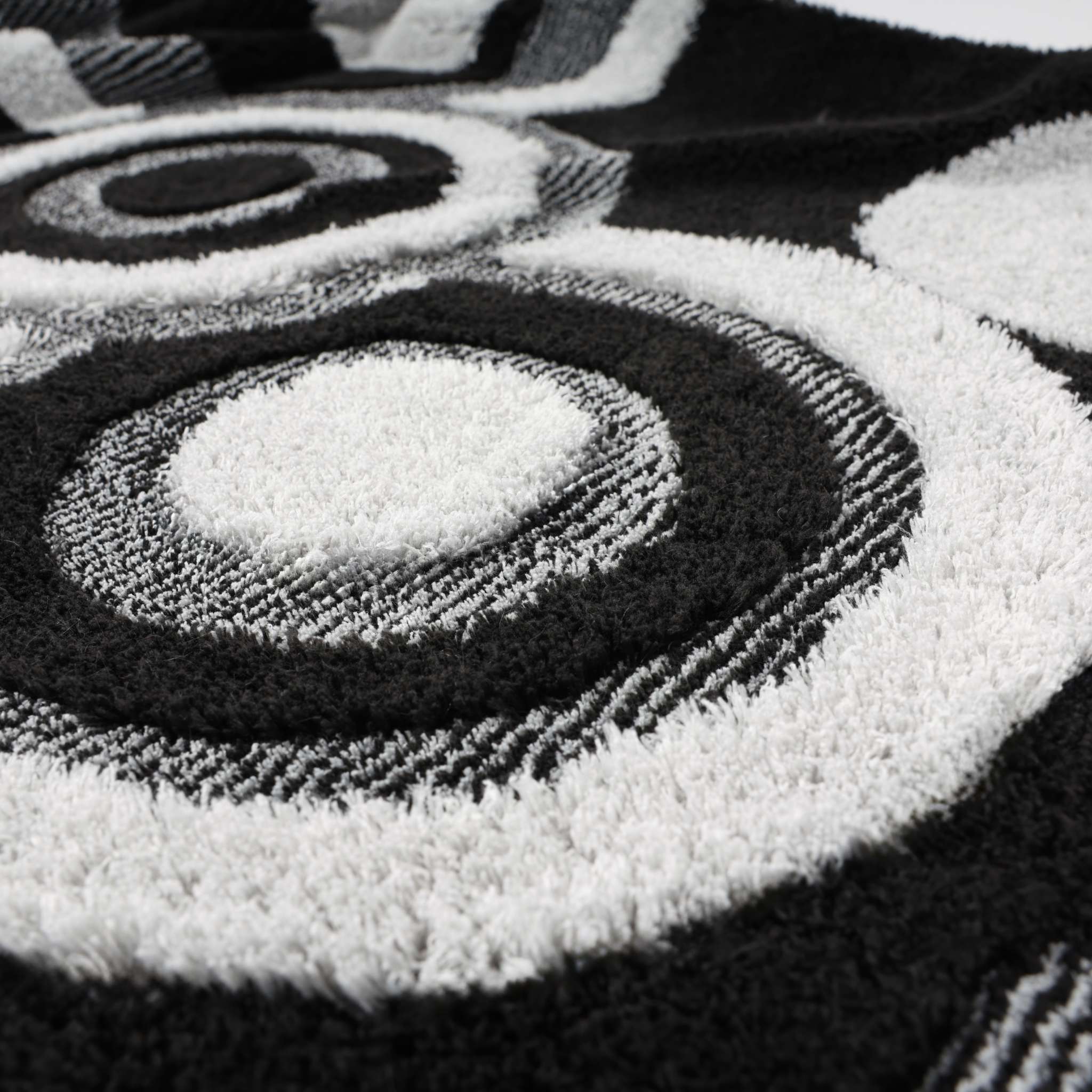
In most cold-weather applications, fleece fabric is generally warmer than flannel fleece or traditional flannel because its raised synthetic fibres create larger air pockets that trap body heat more efficiently. According to studies on textile insulation published by the Textile Institute, as well as thermal comfort research referenced by the American Association of Textile Chemists and Colorists, the warmth of a fabric is largely determined by loft, air retention, fibre structure, and moisture management, rather than by the weight of the fabric alone. While flannel offers excellent comfort, breathability, and natural softness, fleece provides superior thermal insulation, making it the preferred choice for outdoor apparel, winter blankets, and performance cold-weather clothing.
Introduction: Understanding the Warmth Debate Between Fleece and Flannel
One of the most common questions consumers ask when shopping for winter clothing, blankets, bedding, pyjamas, or outdoor apparel is: Which is warmer: fleece or flannel? Although both are associated with comfort and cold weather, they differ significantly in fibre composition, manufacturing methods, thermal performance, moisture handling, durability, and intended use.
The confusion often arises because both fabrics feel soft and cosy. While a brushed cotton flannel shirt and a fleece jacket may initially appear similar in terms of warmth, their insulation mechanisms are fundamentally different. Flannel relies on brushed fibres that create a soft surface and moderate heat retention, while fleece uses synthetic fibre structures designed specifically to trap air and maximise insulation.
As consumers seek garments that balance warmth, comfort, sustainability, durability, and cost-effectiveness, understanding the differences between flannel and fleece fabric is increasingly important. Manufacturers, apparel brands, and textile buyers must also evaluate fabric performance based on the intended end use.
In today’s textile industry, advanced fleece fabrics are used extensively in:
- Outdoor jackets
- Hiking apparel
- Ski wear
- Blankets
- Sportswear
- Thermal linings
Meanwhile, flannel remains highly popular for:
- Pyjamas
- Casual shirts
- Bedding
- Loungewear
- Home textiles
This article provides a comprehensive comparison of fleece and flannel, examining their structure, warmth retention, breathability, moisture performance, durability, environmental considerations, and practical applications, in order to determine which fabric truly delivers superior warmth.
Was ist Vliesstoff?
Fleece fabric is a soft synthetic textile typically made from polyester fibres. Originally developed as a lightweight alternative to wool, it has become one of the most widely used insulating materials in the global clothing and home textiles industries.
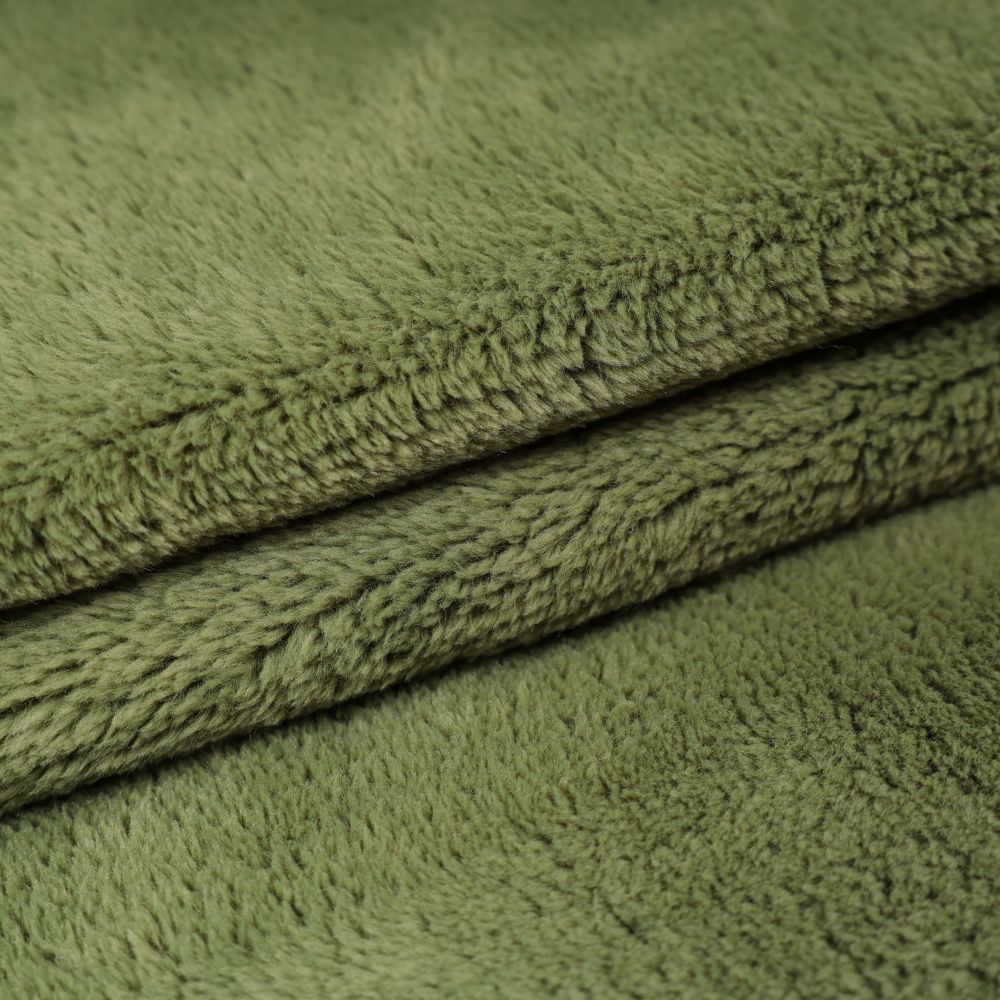
The defining feature of fleece is its raised pile surface. During production, knitted polyester fabrics are brushed to create countless tiny fibre loops. These loops trap large volumes of air, which acts as an insulating barrier against heat loss.
As air is a poor conductor of heat, these pockets of trapped air significantly improve thermal performance.
Common types of fleece include:
- Polarfleece
- Mikrofleece
- Sherpa-Vlies
- Coral fleece
- Antipill fleece
- Performance fleece
Each type offers a different balance of:
warmth, weight, softness, durability, and breathability.
The following table summarizes major fleece categories.
| Fleece Type | Characteristics | Häufige Verwendungszwecke |
| Polarfleece | Thick and insulating | Jackets, blankets |
| Mikrofleece | Lightweight and breathable | Base layers |
| Sherpa Vlies | Woollike texture | Linings, outerwear |
| Korallenvlies | Extrem weich | Throws, robes |
| AntiPill Fleece | Resists surface wear | Kleidung |
| Performance Fleece | Moisture management | Sportswear |
The thermal efficiency of fleece comes primarily from its lofted structure rather than fibre density.
This allows fleece garments to remain:
- Leichtgewicht
- Warm
- Flexible
- Fastdrying
These characteristics have made fleece one of the most popular fabrics for modern cold-weather clothing.
Was ist Flanell-Vliesstoff?
Before we compare warmth, it is important to clarify the term ‘flannel fleece fabric’.
Traditional flannel is a woven textile made from cotton, wool, cotton blends, or synthetic blends, and the fabric is brushed after weaving to create a soft, fuzzy surface.
‘Flannel fleece fabric’ often refers to a hybrid textile engineered to mimic the appearance and softness of traditional flannel while retaining the performance benefits of fleece materials.
Traditional flannel differs from fleece in several ways:
| Property | Traditional Flannel |
| Construction | Woven |
| Fiber Content | Cotton or wool |
| Stretch | Limited |
| Moisture Absorption | Hoch |
| Atmungsaktivität | Ausgezeichnet |
| Gewicht | Mäßig |
| Wärme | Moderate to high |
Flannel primarily creates warmth through:
- Fabric density;
- Brushed surfaces;
- Fibre softness.
Unlike fleece, flannel does not rely heavily on deep airpocket structures.
This distinction has a significant effect on insulation performance.
Flannel’s greatest strengths include:
- Comfort against the skin
- Atmungsaktivität
- Natural feel
- Classic appearance
For indoor use and moderate winter conditions, flannel remains one of the most popular textile options worldwide.

Why Fleece Is Usually Warmer Than Flannel?
The answer to the question ‘Which is warmer?’ depends on how warmth is measured.
From a thermal insulation perspective, fleece generally outperforms flannel.
The primary reason for this is that fleece fabrics contain significantly more loft than traditional flannel.
More loft means:
- More trapped air
- Better insulation
- Lower heat loss
The following comparison illustrates the difference.
| Merkmal | Vliesstoff | Flannel Fabric |
| Air trapping ability | Ausgezeichnet | Mäßig |
| Thermal insulation | Hoch | Mäßig |
| Weight-to-warmth ratio | Ausgezeichnet | Average |
| Wind resistance | Better | Mäßig |
| Heat retention | Superior | Good |
Fleece fibres create a three-dimensional insulating structure.
By contrast, flannel is relatively flat.
As a result, fleece often provides:
- Greater warmth per ounce
- Improved cold-weather protection
- Better performance in outdoor conditions
In practical terms:
A lightweight fleece jacket can provide the same level of warmth as a significantly heavier flannel garment.
This is one reason why outdoor brands favour fleece for insulation layers.
Another factor is moisture management.
Wet fabrics lose their insulating efficiency.
Polyester fleece absorbs very little moisture compared to cotton flannel.
This means that fleece can keep you warm even when it is damp.
Thermal Performance in Real-World Conditions
Although laboratory measurements are useful, real-world performance is equally important.
When evaluating warmth, several environmental factors must be considered:
- Temperatur
- Wind exposure
- Humidity
- Physical activity level
- Layering system
Under dry indoor conditions, flannel may feel extremely comfortable and adequately warm.
However, in outdoor environments, fleece often has clear advantages.
The following table compares performance across common scenarios.
| Environment | Better Choice |
| Indoor lounging | Flanell |
| Mild winter weather | Flanell |
| Hiking | Fleece |
| Skiing | Fleece |
| Camping | Fleece |
| Snow sports | Fleece |
| Layered winter apparel | Fleece |
| Bedding | Both |
The superior warmth of fleece is particularly noticeable in the following situations:
- Strong winds
- High-altitude activities
- Extended outdoor exposure
Because it traps more air and dries faster, fleece maintains thermal efficiency more consistently.
Flannel remains highly comfortable, but is generally better suited to moderate cold than extreme winter conditions.
Breathability and Moisture Management
Warmth alone does not determine comfort.
Fabrics that trap excessive heat and moisture can become uncomfortable when worn for long periods of time.
Flannel excels in breathability.
Its woven structure allows greater air exchange, helping to regulate temperature.
Benefits include:
- Reduced overheating
- Improved comfort indoors
- Better airflow
However, flannel also absorbs moisture.
Cotton fibres can retain significant amounts of water.
This may lead to:
- Longer drying times
- Reduced insulation when wet
- Increased weight
Fleece behaves differently.
Polyester fibres are hydrophobic.
This means they absorb very little moisture.
Benefits include:
- Fast drying
- Lightweight performance
- Better insulation retention
The following table summarizes moisture performance.
| Charakteristisch | Vliesstoff | Flannel Fabric |
| Moisture absorption | Niedrig | Hoch |
| Drying speed | Fast | Slow |
| Wet-weather warmth | Ausgezeichnet | Mäßig |
| Atmungsaktivität | Good | Ausgezeichnet |
For active outdoor use, fleece generally offers superior moisture management.
Durability and Maintenance Comparison
When choosing fabrics, consumers often consider lifespan and ease of care.
Fleece has several maintenance advantages.
It is:
- Machine washable
- Fast drying
- Wrinkle resistant
- Shrink-resistant
Flannel requires more careful handling.
Cotton flannel may:
- Shrink after washing
- Fade over time
- Develop wear patterns
The durability comparison often favours high-quality fleece products.
However, with proper care, premium flannel garments can also provide many years of service.
From a maintenance perspective, fleece is generally more convenient for modern lifestyles.
Sustainability Considerations
The environmental impact of products has become an increasingly important factor in purchasing decisions.
Traditional flannel is often made from natural fibres, such as cotton or wool.
Advantages include:
- Renewable resources
- Biodegradability
- Natural feel
However, cotton production may require significant:
- Water resources
- Agricultural inputs
Fleece is typically made from polyester.
Modern manufacturers increasingly utilise:
- Recycled polyester
- Postconsumer plastic bottles
- Circular textile systems
The sustainability comparison is evolving rapidly as textile technology advances.
Consumers should consider:
- Material sourcing
- Product lifespan
- Recycling potential
rather than focusing solely on fibre type.
How to Choose Between Flannel Fleece Fabric and Fleece Fabric?
The ideal choice depends on the intended use.
Choose fleece fabric if you prioritise:
- Maximum warmth
- Outdoor performance
- Moisture resistance
- Lightweight insulation
Choose flannel fleece fabric or traditional flannel if you prioritise:
- Soft comfort
- Atmungsaktivität
- Natural feel
- Casual everyday wear
For many consumers, the best strategy is not to choose one fabric over another, but to use both for different situations.
Fleece excels in technical performance.
Flannel excels in lifestyle comfort.
FAQ: Flannel Fleece Fabric and Fleece Fabric
- Is fleece warmer than flannel?
Yes. In most situations, Fleece Fabric provides greater thermal insulation because it traps more air within its lofted fiber structure.
- Why does fleece feel warmer?
Fleece contains thousands of tiny air pockets that reduce heat loss and improve insulation efficiency.
- Is flannel better for sleeping?
Many people prefer flannel for sleepwear and bedding because it is breathable, soft, and comfortable against the skin.
- Does fleece make you sweat more than flannel?
Potentially. Because fleece retains more heat, some individuals may experience increased warmth during indoor use.
- Which fabric is better for winter jackets?
Fleece Fabric is generally the superior choice for winter jackets due to its higher insulation-to-weight ratio.
- Is Flannel Fleece Fabric good for blankets?
Yes. Flannel Fleece Fabric combines softness, comfort, and warmth, making it a popular choice for blankets and throws.
Schlussfolgerung
When it comes to warmth, the answer is clear: fleece fabric is generally warmer than flannel fleece fabric. Its synthetic fibre structure is lofted to trap significantly more insulating air than traditional flannel, resulting in better heat retention, higher thermal efficiency, and superior performance in cold outdoor environments. This makes it the preferred material for hiking apparel, winter jackets, ski clothing, camping gear, and technical cold-weather products.
However, warmth is only one aspect of fabric performance. Flannel continues to offer advantages in terms of comfort, breathability, softness, and everyday wearability. For indoor clothing, pyjamas, bedding, and casual winter garments, flannel remains an excellent option that many consumers prefer due to its natural feel and classic appearance.
Ultimately, the best choice depends on the intended application. If the priority is maximum insulation and weather resistance, fleece fabric is the stronger performer. If comfort, breathability, and lifestyle versatility are more important, flannel or flannel fleece fabric may be the better solution. Understanding these differences enables consumers, textile buyers, and apparel manufacturers to select the most suitable fabric for specific performance requirements and seasonal conditions.