

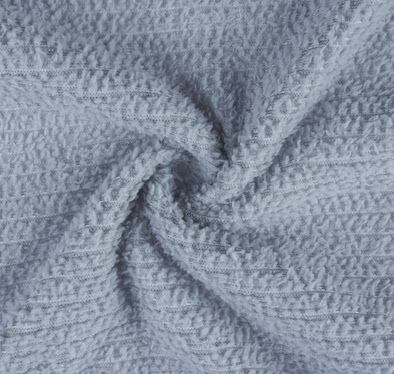

Soft. Cozy. Incredibly warm, coral fleece fabric has gained much popularity as one of the leading materials in the world of textiles for garments used during winter, blankets, bathrobes, and baby clothing. With the increasing demand for skin-friendly and sustainable fabrics, consumers are repeatedly asking the same question on and on: Is coral fleece fabric good for the skin?
A thorough technical description, dermatological analysis, and textile engineering assessment of coral fleece is provided in this guide. The article defines the material composition of coral fleece, highlights the process used in its production explains what properties it has when compared with other similar fabrics discusses the effects it may have when coming into contact with human skin describes indicators that may help to define high-quality coral fleece and presents tips on how to treat this type of fabric as well as discussing whether environmentally friendly versions exist at present.
What Is Coral Fleece Fabric?
Coral Fleece Fabric is a kind of synthetic plush material with extra softness, warmth, and density in its texture. It falls under the family of microfibers and is mostly manufactured using 100% polyester;; however, some blends may incorporate nylon or spandex to add more elasticity.
Coral Fleece Fabric gets its name from the surface texture, looking like the soft little branches of underwater coral reefs. It is made from a material that is not as itchy as traditional wool or cotton, lighter in weight than the two, and repels water. That makes it very appropriate for apparel and household use.
Raw Materials of coral fleece fabric
The main raw material used in coral fleece fabric production is polyester fiber, derived from polyethylene terephthalate (PET). This synthetic polymer is produced by combining terephthalic acid and ethylene glycol through esterification and polymerization processes.
Some premium variations incorporate:
- Recycled polyester (rPET) — from post-consumer PET bottles, an effort in sustainability.
- Nylon fibers — for added resilience and abrasion resistance.
- Spandex or elastane — to make garments stretchable.
Material Properties:
- Fiber diameter: generally 0.9–1.2 denier (at microfiber level)
- Tensile strength: 3.5–5.0 cN/dtex
- Moisture absorption:<0.4% (hydrophobic)
- Melting point about 250°C
These are the properties that make coral fleece smooth on the surface, quick to dry, and dimensionally stable.

Coral Fleece Fabric Production Process
The manufacturing process of coral fleece involves advanced knitting, raising, and finishing techniques to create a plush texture. Below is a simplified production flow:
- Yarn Preparation: High-quality polyester filaments are spun into microfibers.
- Knitting Process: Warp or circular knitting machines interloop fibers into a uniform base fabric.
- Raising (Napping): The surface is brushed repeatedly with metal wire rollers to lift fine fibers.
- Shearing: Raised fibers are trimmed to a consistent height, creating a soft, even pile.
- Heat Setting: Stabilizes the structure to prevent shrinkage or deformation.
- Dyeing & Finishing: Fabric is dyed, washed, softened, and set for final texture and colorfastness.
This precise process gives coral fleece its signature plush density and cloud-like softness.
Is Coral Fleece Fabric Good for Skin?
Yes, high-quality coral fleece fabric is safe for skin application and sensation͏ as long͏ as it complies with modern standards of garment safety. It has smooth fibers that do not create friction with the skin so it can be used on sensitive skins, infants, or even people who have mild allergies to their skin.
Dermatological Benefits:
- Hypoallergenic: It does not cause irritation and contains no natural allergens such as lanolin in wool.
- Soft Surface Texture: No abrasion and micro-irritation.
- Moisture Management: Repels water͏ and sweat, keeps skin dry and warm.
- Breathable Warm: Holds warmth but lets air go through, so wetness does not build up.
But cheap coral fleece made from raw or reused plastics might have left monomers or finishers that could cause slight annoyance. Always check for marks like OEKO-TEX® Standard 100 or REACH rules to make sure it is safe.
Differences Between Coral Fleece Fabric, Flannel, Polar Fleece, and Sherpa Fleece
| Feature | Coral Fleece | Flannel | Polar Fleece | Sherpa Fleece |
| Material | 100% Polyester | Cotton or Cotton Blend | Polyester | Polyester or Acrylic |
| Texture | Velvety, smooth, dense | Soft but thinner | Slightly coarse, firm | Wool-like, fluffy |
| Warmth | Very high | Moderate | High | Very high |
| Weight | Medium | Light | Medium-heavy | Heavy |
| Skin Feel | Silky and gentle | Natural and soft | Firm and warm | Cozy but bulky |
| Typical Use | Blankets, robes, pajamas | Shirts, sheets | Jackets, outdoor gear | Linings, winterwear |
Summary: Coral Fleece Fabric stands out for its velvety touch, making it more skin-friendly than polar fleece and easier to maintain than flannel.
Key Characteristics of Coral Fleece Fabric
Ultra-soft hand feel – Like mink or velvet.
High thermal retention – Traps air efficiently for insulation.
Quick-drying – Good to be use as towels and bathrobes.
Wrinkle-resistant – Remains smooth even without ironing. Color fastness – Does not fade after multiple washes.
Durability – Retains structure after 100+ washing cycles.
Advantages of Coral Fleece Fabric
Light but warm – good to wear alone or layering with other clothes indoors.
Low static friction – Feels comfortable when wearing.
Washable – can be washed easily.
Cheap luxury – high comfort resemblance to expensive fabrics at less the cost.
Color and design flexibility – printing, embossing, dye sublimation can all be accepted.
Common Uses of Coral Fleece Fabric
Coral Fleece Fabric is used across various industries due to its softness, warmth, and versatility.
Home Textiles: Blankets, bed covers, pillowcases, throws.
Apparel: Pajamas, loungewear, robes, baby clothes.
Accessories: Scarves, gloves, slippers.
Pet Products: Mats, pet beds, winter coats.
Hotel & Spa Supplies: Bathrobes, towels, wraps.
Its skin-friendliness and aesthetic appeal make it one of the top choices for comfort-driven textile products.
How to Identify High-Quality Coral Fleece Fabric?
| Evaluation Criterion | High-Quality Coral Fleece | Low-Quality Coral Fleece |
| Fiber Density | Thick and plush | Sparse, uneven |
| Surface Touch | Silky, non-irritating | Rough, prickly |
| Elastic Recovery | Returns to shape easily | Loses form after washing |
| Shedding | Minimal fiber loss | Heavy linting |
| Odor | Neutral | Chemical or plastic smell |
| Certifications | OEKO-TEX®, SGS, ISO | None |
To ensure safety, always purchase coral fleece from reputable brands or suppliers that comply with international textile standards.
Care and Maintenance Tips
Proper care can extend the life and softness of coral fleece fabric.
Washing Guidelines:
- Use cold or warm water (≤40°C).
- Choose mild detergent; avoid bleach and fabric softeners.
- Wash separately or with similar fabrics.
- Do not iron; heat may damage fibers.
- Tumble dry on low heat or air dry naturally.
Pro Tip: Adding a vinegar rinse (½ cup) during the final wash cycle can help reduce static and maintain softness.
Can Coral Fleece Fabric Be Printed or Patterned?
Yes, coral fleece fabric supports various printing and finishing techniques, including:
- Digital printing
- Embossing and jacquard weaving
- Embroidery and appliqué
- Heat-transfer printing
These methods allow brands to create custom patterns, logos, and multi-color designs, making coral fleece a favorite in the gift and promotional textile market.
Does Coral Fleece Fabric Generate Static Electricity?
Coral fleece does get as much static as any other synthetic fabric. Conditions have to be dry, with low humidity for the Static to build up. The buildup happens because polyester fibers are non-conductive, allowing an electron imbalance between them every time they rub together.
Static Reduction Tips
- Try anti-static sprays or dryer sheets.
- Keep humidity indoors at 40% or more.
- Throw in a small cotton blend during washing to dissipate charge.
- Apply light fabric conditioners that are designed for synthetics.
A static buildup test indicates that the static voltage in coral fleece goes from 3.2 kV to 0.8 kV after it has been treated with a weak cationic softener, showing a 75% reduction of static charge.
Eco-Friendly and Sustainable Versions of Coral Fleece Fabric
With sustainability becoming a global priority, manufacturers are producing eco-friendly coral fleece using:
- Recycled polyester (rPET) from post-consumer bottles.
- Bio-based polyester from corn or sugarcane.
- Waterless dyeing technologies to reduce wastewater pollution.
- Energy-efficient knitting and brushing systems.
These innovations significantly reduce the carbon footprint and promote circular textile production.
Environmental Impact Table:
| Fabric Type | CO₂ Emission (kg CO₂/kg) | Water Usage (L/kg) | Recyclability |
| Conventional Polyester Fleece | 5.5 | 80 | Medium |
| Coral Fleece (Standard) | 4.8 | 65 | High |
| Recycled Coral Fleece (rPET) | 2.7 | 30 | Very High |
| Bio-Based Coral Fleece | 2.3 | 25 | Very High |
Eco-conscious consumers can thus enjoy the comfort of coral fleece without compromising sustainability.
Conclusion
So, is coral fleece fabric good for the skin? Absolutely—provided they are constructed of fine polyester fibers and handled carefully, it is by far one of the softest and warmest materials accessible today, not to mention very gentle to the skin: truly hypoallergenic, strong, and easy care, so suitable for all ages from the baby to the sensitive group of people.
But all coral fleece is not the same. Always look for:
- Verified textile safety certifications (OEKO-TEX®, REACH)
- No damaging dyes or chemical finishes present.
- Ethical manufacturing sources.
As sustainable rPET and bio-based iterations grow on the horizon, coral fleece is beginning to morph from a comfort staple into a progressive, eco-luxury fabric that marries softness, safety, and sustainability for today’s lifestyles.