
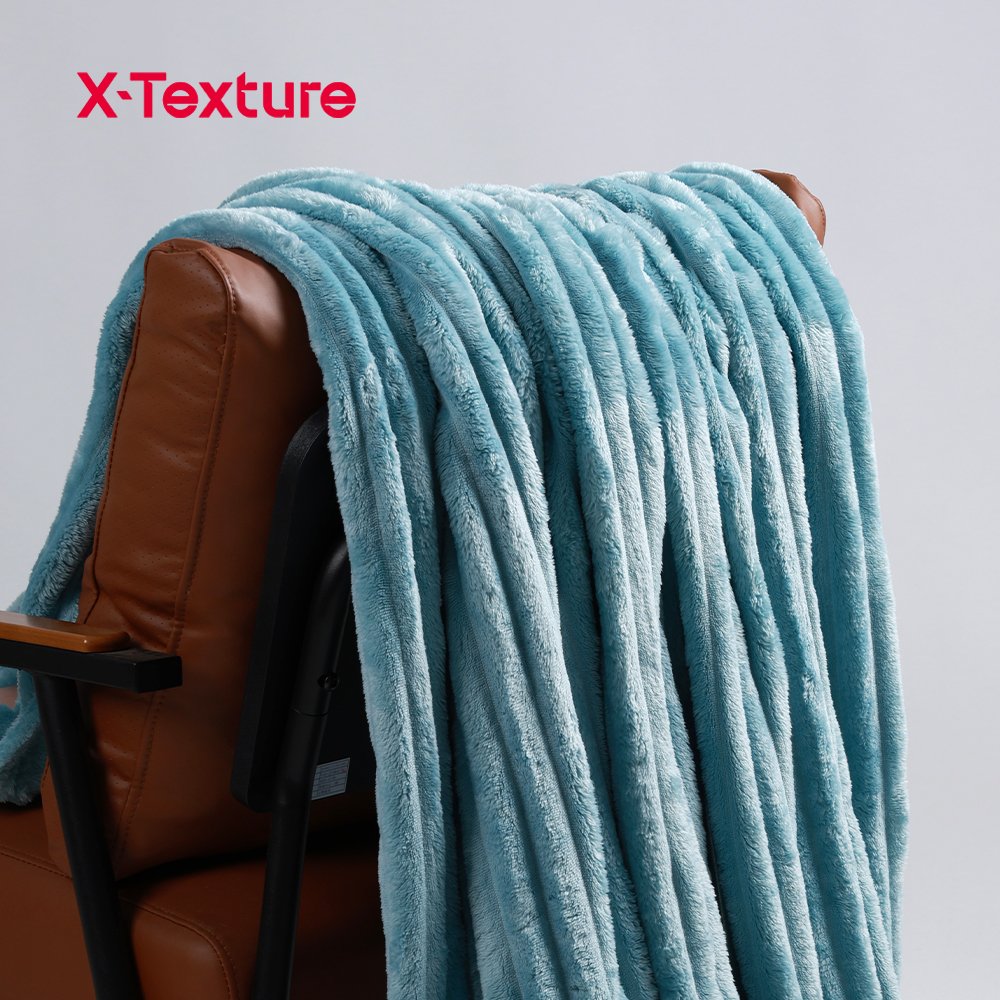
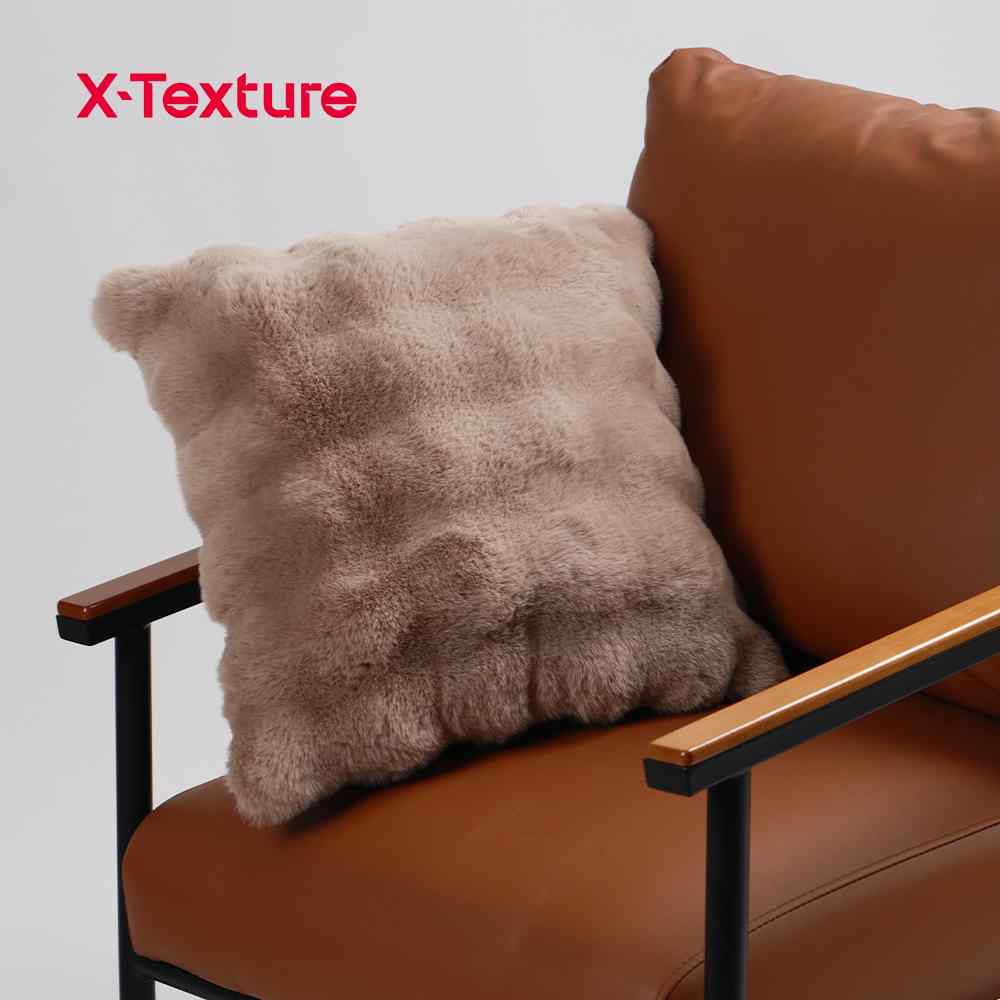
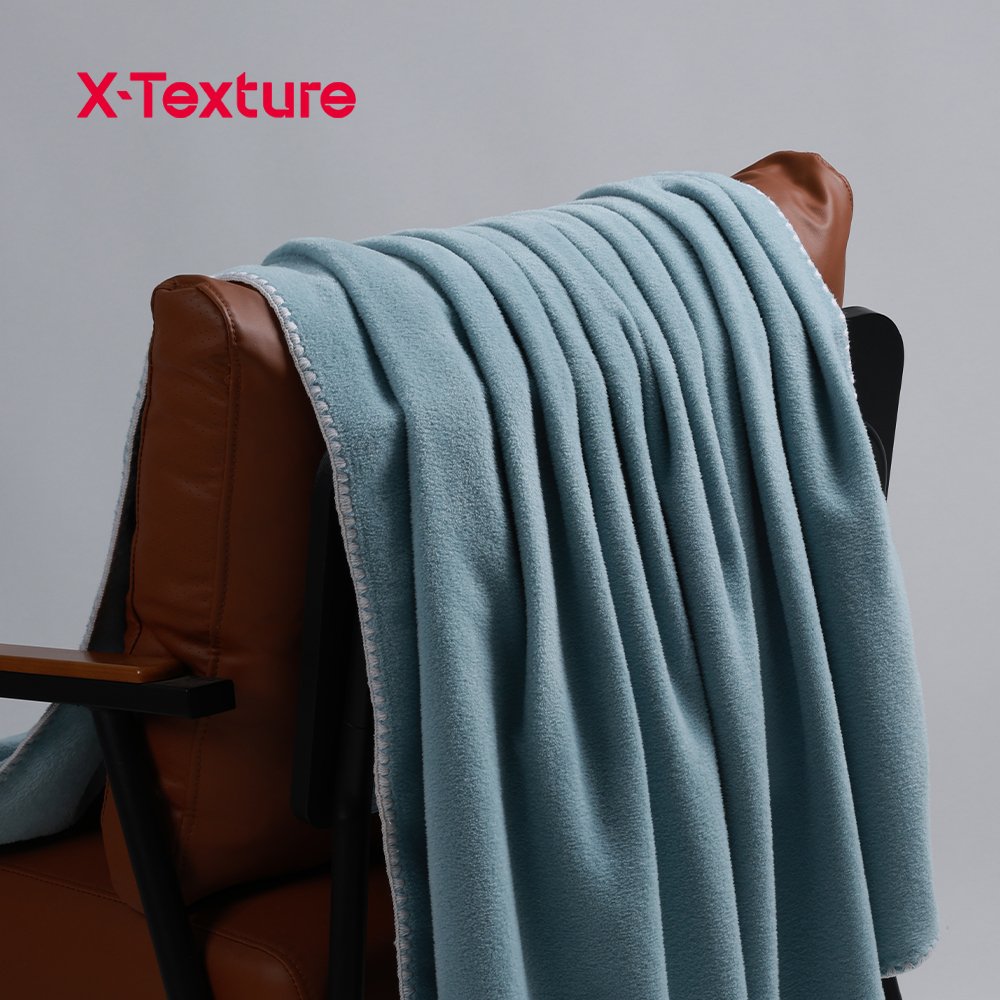
Is fleece good for pajamas? Answering this requires addressing a primary contradiction in cold-weather textile engineering. Thermal retention often comes at the direct cost of moisture vapor transmission, leading to user overheating in traditional winter nightwear. Generic polyester fleeces degrade sleep quality by trapping sweat directly against the skin. Furthermore, they present severe downstream liabilities regarding chemical compliance, Volatile Organic Compound (VOC) off-gassing, and microplastic shedding. These issues jeopardize brand reputation among eco-conscious and health-focused consumers looking for premium Roupas de Lazer. Determining whether fleece is optimal for sleepwear requires shifting evaluation protocols from basic pile density to fiber modification technologies. Product developers must analyze cross-material performance comparisons against cotton and flannel, mandate eco-certified dye formulations, and implement strict supply chain auditing.
Principais Pontos
- Thermal Physiology: Premium sleep-grade fleece utilizes structural fiber modifications (e.g., nano-ceramic infusion) to enable moisture wicking rather than relying solely on heat-trapping thickness.
- Biocompatibility is Non-Negotiable: Viable fleece must meet zero-chemical-residue benchmarks via OEKO-TEX 100 standards and the utilization of bluesign®-approved auxiliaries to prevent skin sensitization.
- Material Superiority in Cold Climates: When properly engineered, advanced fleece outperforms traditional heavy cotton and brushed flannel in heat-to-weight ratios and structural durability.
- Decoupling Softness from Environmental Harm: 43% of leading textile outputs now successfully integrate Global Recycled Standard (GRS) materials while achieving a 74%-79% reduction in fiber-associated carbon footprint and mitigating residential microplastic shedding.
- Supplier Risk Mitigation: Predictable fleece loungewear production at scale requires manufacturing infrastructure validated by ISO 14067 (Carbon Footprint) and strict AI-driven defect management.
Thermal Dynamics and Fiber Formulation in Sleep-Grade Textiles
Evaluating Heat-to-Weight Ratios in Bedding Contexts
Standard commercial fleece frequently fails during human REM sleep due to a complete lack of moisture management. Human bodies naturally drop their core temperature during the sleep cycle, expelling excess thermal energy and moisture. Basic synthetic fabrics trap this stagnant air and block moisture vapor from escaping. This engineering flaw creates an enclosed, highly humid micro-climate that forces the sleeper into a cycle of localized overheating, waking up, and shedding layers. Evaluating heat-to-weight ratios alongside active breathability establishes the baseline for any sleep-grade material. High thermal insulation (measured in CLO values) is only viable if the fabric can expel vaporized sweat. When assessing a raw fleece farbic for nightwear, developers must test its active capillary action against specific humidity thresholds to ensure it prevents condensation buildup against the user’s skin.
Managing Micro-Climates in Shared Sleep Environments (Co-Sleeping)
Co-sleeping introduces highly specific thermal pooling hazards into the product design matrix. When adults and infants share a sleep surface, their combined body heat compounds rapidly within a localized space. Engineered fleece must dynamically regulate this intensive heat transfer to prevent localized hyperthermia. Infant physiology lacks the mature sweat gland distribution required to regulate core temperatures as efficiently as adult physiology. Consequently, sleepwear designed for shared environments must facilitate rapid thermal dissipation. The fabric architecture must act as a one-way thermal valve, pushing excess compounded body heat outward while preventing cold ambient drafts from penetrating the immediate sleep environment.
Advanced Fiber Modification (Feature-to-Outcome Integration)
Modern textile engineering actively alters the structural properties of synthetic fibers before the polymer extrusion phase. By injecting nano-ceramic powders directly into baby fleece synthetics, engineers create active moisture-absorbing and heat-generating functions. These structurally modified fibers capture ambient body moisture and convert that kinetic energy into gentle, sustained, and regulated warmth. This feature-to-outcome integration completely bypasses the stagnant air problems found in legacy polyester generations. It physically transforms a passive insulating layer into an active, responsive climate-control mechanism that adapts to the wearer’s metabolic fluctuations throughout the night.
Dermatological Comfort Markers
Sleepwear requires hyper-soft tactile performance that replicates the frictionless feel of infant skin. However, manufacturers must engineer this softness entirely through mechanical processes. Relying on unstable chemical softening washes introduces severe dermatological risks, including contact dermatitis and eczema flare-ups. Advanced mechanical brushing, precision shearing, and tumbling techniques align the synthetic fibers uniformly without chemical dependency. This mechanical alignment guarantees that the structural softness remains intact through hundreds of harsh industrial laundering cycles without degrading the fiber walls or releasing residual chemical irritants onto the consumer’s skin.
Comparative Material Efficacy: Flannel and Cotton vs. Engineered Synthetics
The Flannel Fallacy in Extreme Cold
Many consumers and legacy product buyers instinctively trust traditional brushed cotton, commonly known as flannel, for winter pajamas. However, flannel presents significant structural limitations regarding dry-time, weight, and thermal efficiency. Cotton is highly hydrophilic, meaning the fibers naturally absorb and retain massive amounts of moisture. When a sleeper perspires, the cotton flannel absorbs the sweat, becoming damp, heavy, and structurally cold against the skin. This collapses the fabric’s insulating air pockets. Technical fleece provides vastly superior thermal retention at a fraction of the fabric weight. This severe reduction in grams per square meter (GSM) eliminates sleep restriction, allowing the user to articulate and move freely without fighting the drag of heavy, damp natural fibers.
Moisture Vapor Transmission Rates (MVTR)
Moisture Vapor Transmission Rates physically measure how effectively a fabric breathes under load. Basic cotton blends demonstrate severe moisture-trapping tendencies in enclosed winter environments, rapidly dropping in thermal efficiency as humidity rises. Contrastingly, modified 3D fleece structures utilize active capillary action built into the hydrophobic fiber shapes. The synthetic channels physically pull liquid moisture away from the epidermis and rapidly push it to the outer face of the garment for immediate evaporation. This dynamic transmission ensures the micro-climate remains entirely dry.
| Material Category | Heat-to-Weight Ratio (Thermal Efficiency) | Moisture Vapor Transmission (MVTR) | Drying Time Profile | Structural Durability & Maintenance |
|---|---|---|---|---|
| Brushed Cotton (Flannel) | Low (Requires high GSM for warmth) | Poor (Highly hydrophilic, traps moisture) | Very Slow | Moderate (Prone to thinning and fiber collapse) |
| Generic Polyester Fleece | High (Traps heat efficiently) | Very Poor (Causes immediate condensation) | Fast | Low (High risk of pilling, shedding, and warping) |
| Engineered 3D Sleep-Grade Fleece | Exceptional (High CLO value at low weights) | High (Active capillary action moves vapor) | Extremely Fast | High (Mechanical anti-pilling structure limits degradation) |
Biocompatibility, Toxicity, and Permanent Functions
The Supply Chain Threat of Chemical Residue (Implementation Risk)
Legacy softeners, binding agents, and cheap dye dispersants pose a massive operational hazard in modern textile manufacturing. These harsh chemicals routinely remain embedded on the fabric surface post-production, causing severe skin sensitization upon consumer use. Brands must force supply chains to transition to biodegradable bluesign® safety auxiliaries. Combining these regulated auxiliaries with heavy-metal-free, Huntsman-grade dispersant dyes provides a strict evaluation lens for vendor selection. Eliminating chemical residue is no longer an optional premium marketing feature; it is an absolute regulatory baseline required to clear international customs and avoid widespread consumer health litigation.
Indoor Air Quality (IAQ) and Microplastic Shedding Parameters
Environmental health watchdogs continuously raise data-backed concerns regarding synthetic shedding during residential laundering and normal wear. Loose, poorly milled fibers detach from cheap fabrics, contaminating municipal water systems and severely reducing indoor air quality (IAQ) through airborne textile dust. Engineered textiles solve this physical shedding problem through continuous-filament construction. Manufacturers utilize high-density anti-pilling mechanical finishes that permanently lock the synthetic fibers in place. This high-density architecture prevents microplastic water contamination and eliminates respiratory hazards caused by airborne polyester particulate matter accumulating in residential bedrooms.
Structural Antibacterial Integration
Nighttime sweating naturally acts as a catalyst for bacterial blooms in bedding and sleepwear, leading to odor retention and fabric degradation. Traditional factories apply cheap topical chemical coatings to combat this, but these unstable coatings wash out after three to five laundry cycles. The permanent engineering solution involves embedding food-grade zinc ions directly into the polymer melt at the initial spinning stage. This structural antibacterial integration prevents odor and cellular bacteria buildup for the entire physical lifespan of the garment, regardless of extreme washing temperatures or detergent harshness.
Infant-Safe Compliance Paths
Infant epidermis absorbs environmental compounds and chemical residues at a much faster rate than adult skin. Consequently, manufacturing processes must map directly to absolute global compliance endpoints. Facilities should demonstrate Higg Index rating integration to prove sustainable processing and ethical chemical management. Furthermore, every single material, thread, and dye touching the skin must secure OEKO-TEX 100 Class I certification. Class I is the strictest safety threshold available globally, specifically engineered to guarantee the material is chemically inert and completely safe for direct, prolonged contact with babies and toddlers.
Aligning Fleece Fabric Specifications with Product Architecture
Luxury Outerwear vs. Core Sleep (Solution Categories)
Product teams must strictly sort material applications based on the precise end-use case and thermal load requirements. Substituting natural wool or animal fur with highly simulated, high-density mink fleece variants works exceptionally well for outerwear-crossover items. These heavy lounge applications, often ranging from 300 to 400 GSM, prioritize extreme weather resistance and aesthetic luxury. However, they are fundamentally too heavy and thermally aggressive for standard indoor sleep environments, leading directly to user hyperthermia.
Mid-Weight Articulated Pajamas
For active sleepwear and indoor mobility, brands should source 3D sculpt-jacquard velvet variants ranging from 180 to 250 GSM. These specialized materials generate sophisticated visual textile textures while maintaining the strict drape limits necessary for flexible roupas de frio em malha. Flexible sleep garments require fabrics that stretch, recover naturally with body movement, and resist binding. Mid-weight articulated designs ensure the garment moves synchronously with the sleeper, preventing twisted fabric from interrupting REM rest cycles.
Multi-Generational & Seasonal Sets (Holiday Collections)
Holiday collections and matching family pajamas present unique, high-risk supply chain challenges regarding consistency. Brands must standardize dye colorfastness, shrinkage rates, and OEKO-TEX Class I safety across all output units simultaneously. Adult garments must meet the exact same strict safety thresholds as infant wear to prevent chemical cross-contamination during co-sleeping or close family lounging. Standardizing uniform material specifications eliminates quality discrepancies across different factory production lines and ensures brand protection across the entire product catalog.
Total Cost of Ownership (TCO): The Economics of Green Manufacturing
Offsetting Virgin Material Costs with Recycled Variants
Relying on virgin polyester exposes brands to extreme price volatility tied directly to global crude oil markets. Forward-thinking supply chains explore the cost predictability and long-term supply stability of sourcing upcycled oceanic and domestic waste streams. Global Recycled Standard (GRS) certified fibers offset the fluctuating costs of virgin polymer chips while delivering identical thermal and structural performance. Transitioning to 100% recycled feedstock isolates the manufacturer from fossil fuel economics while meeting aggressive corporate ESG (Environmental, Social, and Governance) requirements.
Carbon Tariff and Environmental Accounting Risk
International trade regulations increasingly penalize high-emission manufacturing through strict carbon tariffs. Brands face severe financial risks if they cannot produce detailed environmental accounting for their textile imports. It is a structural necessity to audit supplier emission reductions. Partnering with factories that demonstrate quantifiable offsets, such as eliminating 24,800 tons of CO2 annually through optimized machinery and recycled inputs, protects the brand from border taxation and future proofs the supply chain against tightening international climate legislation.
Factory-Level Energy/Water Architectures (Evaluation Dimension)
Supply chain resilience is directly measured via factory infrastructure capabilities rather than superficial marketing claims. Brands must evaluate manufacturing partners based on their closed-loop utility systems. Factories utilizing Reverse Osmosis (RO) biological wastewater treatments can hit 90% water circulation without discharging chemical heavy-water residues into local ecosystems. Additionally, waste-heat reclamation architectures deliver greater than 25% energy savings, actively replacing up to 120,000 tons of raw coal demand annually. These systems, when paired with MW-scale intelligent photovoltaic (PV) grid integrations and standardized against ISO 50001 and ISO 14064 metrics, guarantee sustainable, low-cost production at scale.
| Infrastructure Capability | Impacto ambiental | Economic Advantage (TCO) | Audit Standard |
|---|---|---|---|
| Reverse Osmosis (RO) Water Loop | 90% reduction in fresh water consumption; zero toxic discharge. | Eliminates municipal water dependency and wastewater disposal fines. | ZDHC / OEKO-TEX STEP |
| Waste-Heat Reclamation | Offsets 120,000 tons of coal; drastically lowers greenhouse emissions. | Yields >25% direct energy savings, lowering per-unit production cost. | ISO 50001 (Energy Management) |
| GRS Recycled Polymer Extrusion | 74%-79% reduction in fiber-associated carbon footprint. | Decouples raw material pricing from volatile petroleum markets. | Padrão Global Reciclado (GRS) |
Yield Protection through Digital Quality Assurance (Scalability Evaluation)
Neutralizing the “Pattern Distortion” Risk in Fleece Knit
Standard batch production in knitwear often experiences severe failure points, specifically weft skewing and pattern warp. These structural defects ruin the drape, visual alignment, and fit of the final garment, leading to massive retail return rates. Mitigation logic requires implementing closed-loop, intelligent optical AI weft straightening systems. These digital camera systems scan the fabric grid in real-time during the high-heat stretching phase. They automatically adjust the machine tension to correct any structural misalignments before the fabric permanently sets, neutralizing pattern distortion and guaranteeing perfect geometric alignment.
Predictable Automated Dye Consistency
Manual chemical mixing and analog dye processes guarantee unacceptable lot-to-lot color variations. At industrial scale, predictable dye consistency requires strict computer-metered chemical transport logic. Automated fluid delivery systems ensure highly precise dye scheduling, exact recipe replication, and controlled temperature modulation. This automated technology ensures strict process-recipe lifecycle tracing across millions of output units. Corporate buyers receive perfectly color-matched products, eliminating the costly retail return risks associated with mismatched seasonal apparel sets.
Conclusão
Standard, uncertified fleece poses unacceptable liabilities for sleepwear due to moisture trapping, dangerous chemical residues, and uncontrolled microplastic shedding. However, biologically inert, structurally-engineered, and precision-manufactured fleece completely outperforms traditional flannel and is fundamentally optimal for premium pajama product lines. Product development teams must restrict approvals to manufacturers providing strict GRS provenance, OEKO-TEX direct-contact clearances, anti-shedding structural guarantees, AI optical defect suppression, and quantifiable ecological infrastructure data.
Execute the following structured audit protocol to guarantee technical compliance and product safety:
- Demand supplier Higg Index and OEKO-TEX 100 Class I direct-contact certifications prior to any raw material sampling or vendor onboarding.
- Secure technical datasheets confirming 3D sculpt capabilities, thermal CLO values, and specific active Moisture Vapor Transmission Rates (MVTR).
- Audit factory infrastructure for zero-impact RO closed-water loops and confirm verifiable bluesign® status for all chemical dye formulations.
- Require documented proof of AI optical defect suppression systems on the manufacturing floor to eliminate weft skewing and pattern warp liabilities.
- Mandate specific structural guarantees via mechanical finishing specs to prevent residential shedding and neutralize microplastic contamination risks.
FAQ
Q: Does fleece fabric make you sweat excessively at night?
A: Cheap, uncertified synthetics lack breathability, trapping heat and causing excessive sweating. However, technical loungewear relies on nano-modified breathability and targeted moisture-wicking variables. These advanced engineered structures actively pull sweat away from the skin and push it to the exterior for rapid evaporation, keeping you entirely dry and regulating your core temperature flawlessly during sleep.
Q: Is fleece better than flannel for winter pajamas?
A: Yes, engineered fleece outperforms traditional brushed cotton flannel for winter sleepwear. It provides a vastly superior heat-to-weight ratio, meaning it keeps you warmer without the heavy, restrictive bulk of cotton. Furthermore, technical fleece utilizes active capillary action for faster moisture transmission, whereas flannel absorbs sweat, collapses, and remains uncomfortably damp.
Q: Are fleece pajamas safe for babies, toddlers, and co-sleeping?
A: They are only safe if the material is explicitly certified and engineered for infant use. There is a strict, non-negotiable separation between cheap, uncertified polyester and OEKO-TEX 100 Class I engineered textiles. Certified fabrics integrate embedded zinc-ions for hygiene and utilize advanced breathability to prevent hyperthermia, safely regulating thermal transfer during shared bed co-sleeping.
Q: What are the environmental and health liabilities of sourcing polyester sleepwear?
A: Unregulated polyester production causes severe microplastic water contamination and relies on toxic, heavy-metal dye dispersants. Brands mitigate these severe liabilities by sourcing Global Recycled Standard (GRS) fibers, which map to a >74% carbon footprint decrease. Furthermore, they mandate zero-chemical-residue processing and utilize high-density anti-pilling knitting techniques that permanently stop fiber shedding.
Q: How does a factory guarantee zero chemical sensitization from dyed fleece?
A: Advanced textile manufacturers rely on audited infrastructure and certified chemical inputs rather than unstable washes. They utilize zero-impact Reverse Osmosis (RO) closed-water loops to wash fabrics thoroughly. They strictly pair these biological water systems with recognized tier-1 formulations, such as Huntsman Dyes and bluesign® approved auxiliaries, ensuring zero toxic residues touch the skin.
Q: Why does cheap fleece loungewear warp after washing?
A: Warping, twisting, and structural failure rates are rooted directly in outdated manual milling processes where fabrics are stretched unevenly. Premium manufacturers eliminate this risk by utilizing advanced optical AI defect control systems during the stretching and tentering phase. This digital intervention ensures the structural grid is perfectly aligned, completely preventing post-wash distortion.