
Standard retail labeling obscures the technical differences between fleece and plush textiles, leading to mismatches in end-use applications—from shedding issues to suboptimal heat retention. Evaluating textiles at the decision stage requires moving past superficial tactile metrics to assess fiber density, processing methodology, post-finishing technology, and long-term structural integrity. You cannot rely on touch alone to determine how a fabric will perform after fifty washing cycles. Structural variables directly influence whether a blanket regulates temperature effectively or traps unwanted moisture. This breakdown analyzes the engineering mechanics behind fleece and plush constructions, referencing industrial benchmarks to determine which material formulation provides superior warmth, durability, and ecological compliance for high-frequency use. Understanding the interaction between yarn extrusion and thermal dynamics eliminates the guesswork from textile sourcing. You will learn how to match specific fabric architectures to distinct environmental requirements for optimized performance.
- Structural Mechanics: Fleece relies on brushing and shearing synthetic or recycled fibers to trap static heat, whereas plush utilizes longer pile structures to deliver higher breathability and heavy draping.
- Performance Metrics: Premium fabric lines now integrate functional modifications—such as nano-ceramic heat-generating elements—vastly outperforming conventional fiber types in thermal tests.
- Environmental Benchmarks: High-end synthetic blanket manufacturing has shifted to ESG compliance, with top-tier suppliers hitting 43% recycled fiber usage and deploying 90% wastewater recovery protocols.
- Maintenance & Longevity: The lifecycle of these textiles heavily depends on tension controls and laundering protocols. High-pile plush requires strict thermal limits to prevent matting, while tightly woven fleece Blankets offer superior mechanical friction resistance.
Defining the Baseline: What Makes a Fleece Blanket Perform?
Understanding fabric engineering basics reveals how fleece achieves active thermal regulation. Manufacturers do not simply weave this material. They engineer it through a precise, multi-stage mechanical process. Originally developed as a lightweight synthetic wool replacement, standard fleece provides exceptional static heat retention without absorbing external moisture. The fabric resists water naturally, making it highly effective in damp conditions.
The manufacturing process dictates the final performance of the textile. We can break down the standard fleece production sequence into three primary mechanical phases:
- Circular Knitting: Machines interlock synthetic yarns into a tight, continuous base layer, establishing the fabric’s dimensional stability.
- Wire Brushing: Industrial rollers covered in fine wire bristles agitate the surface of the knit. This action aggressively pulls fiber loops upward, creating the initial lofty texture.
- Precision Shearing: Helical blades trim the raised loops to an exact, uniform height. This prevents excessive pilling and finalizes the smooth, flat-pile surface.
Weight directly dictates thermal output versus bulkiness in standard fleece production. Grams per Square Meter (GSM) serves as the universal metric for this evaluation. A lower GSM indicates a breathable layer suited for year-round utility. Higher GSM ratings yield winter-weight textiles prioritizing heavy insulation. You must align the GSM specification with the intended environment to prevent overheating.
| GSM Category | Weight Classification | Optimal End-Use Application | Thermal Profile |
|---|---|---|---|
| 100 – 200 GSM | Leve | Summer throws, active outdoor layers, travel textiles. | High breathability, low static heat retention. |
| 200 – 300 GSM | Midweight | Standard home bedding, autumn layering, multi-season use. | Balanced insulation with moderate airflow. |
| 300+ GSM | Heavyweight | Extreme winter environments, cabin utility, heavy outerwear. | Maximum static heat trapping, low vapor permeability. |
Elite suppliers continually advance traditional constructions through high-density formulations. The mink-like fleece model represents a key industry benchmark. It offers a lightweight, high-insulation alternative to traditional wool and heavy cotton. This advanced construction maximizes the warmth-to-weight ratio while maintaining a thin physical profile. It functions perfectly across both apparel and premium homeware sectors.
The end-user advantages of dense fleece constructions are substantial. They exhibit high durability against mechanical friction and provide fast moisture-wicking capabilities. Evaluating the structural stability of the fleece farbic under industrial washing cycles confirms its resilience. The tight knit matrix holds up well when exposed to continuous tension and compression. This structural integrity prevents the fabric from stretching out of shape during prolonged daily use.
Evaluating Plush Blanket Dynamics: Pile Depth and 3D Visual Structuring
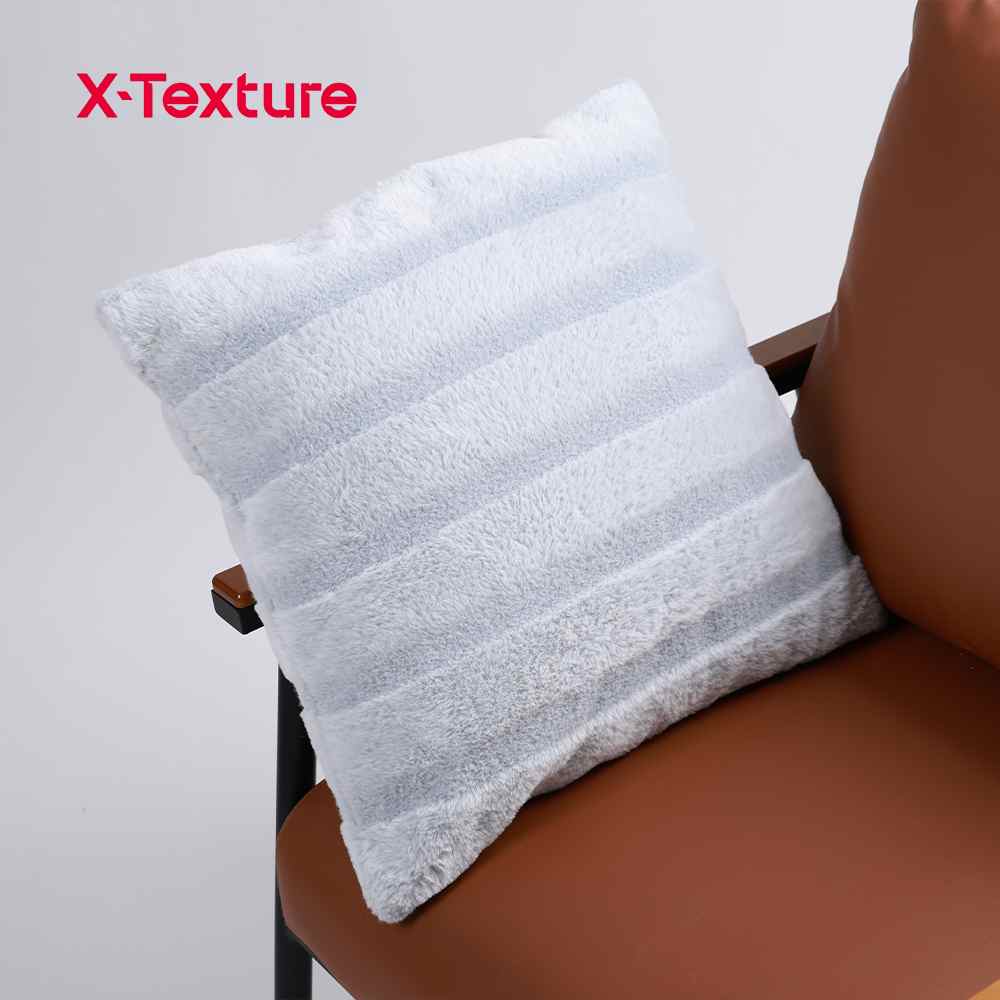
Plush fabrics contrast sharply against flat-shorn fleece through their distinct construction typology. Variations like velvet, sherpa, and high-pile faux fur rely on the targeted extrusion of fibers. Manufacturers engineer these longer yarns to mimic the texture, loft, and visual appeal of natural animal coats. The extended pile depth fundamentally alters how the fabric drapes and breathes. This design creates a heavier, highly luxurious tactile experience.
The Sherpa hybrid bridges the gap between functional fleece and deep plush. Sherpa utilizes a specialized dual-sided construction for maximum loft. It bonds a smooth, tightly knit top layer with a heavily textured, sheep-like synthetic pile bottom. This dual-action design optimizes insulation by combining a wind-resistant exterior with a highly aerated interior. The resulting loft traps significant thermal energy while remaining highly compressible for storage.
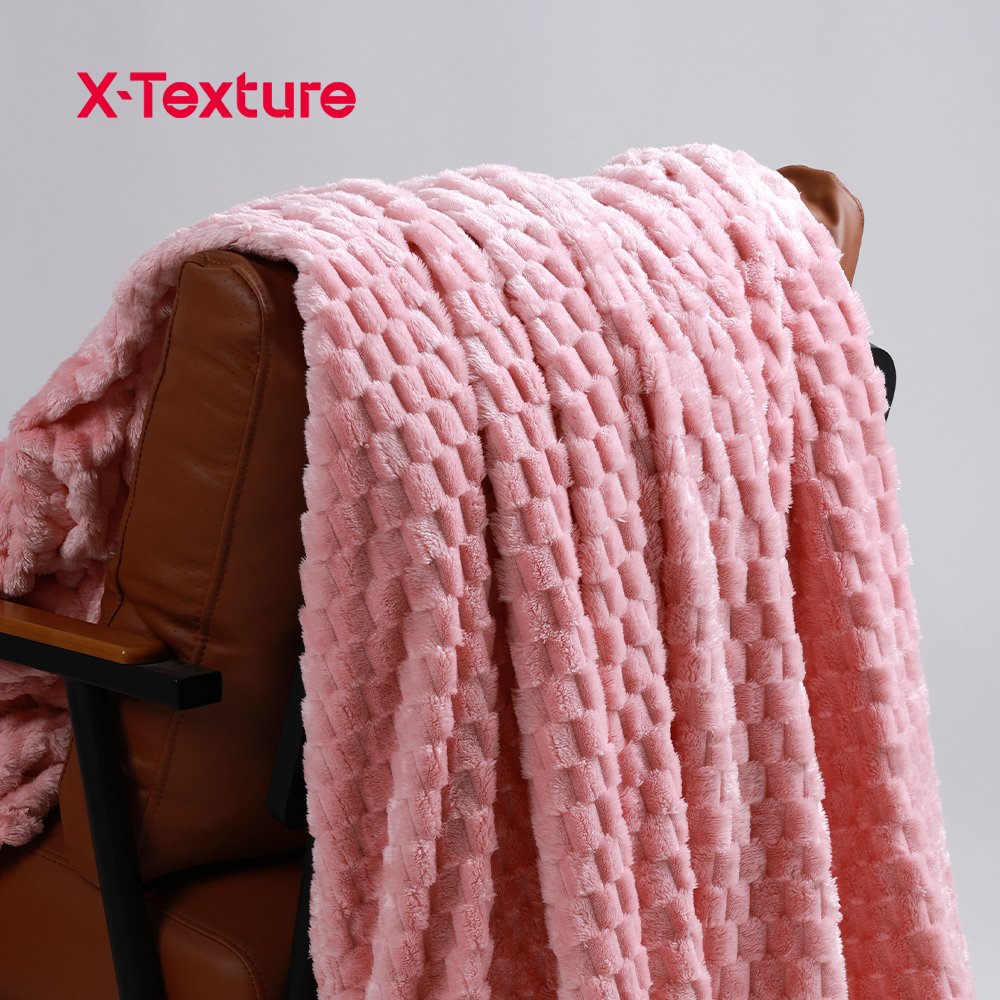
Luxury plush finishes require highly specialized secondary post-finishing technologies. The 10D 3D Carved Jade Fox Velvet technology serves as an advanced specification benchmark. It leverages highly simulated fibers combined with advanced topographical carving mechanisms. The carving technology cuts the pile at varying microscopic lengths to create lasting structural designs. This intensive process generates premium visual rendering and deep textural patterns for aesthetic room matching.
A longer fiber pile directly impacts loft capacity and vapor breathability. Trapped air between extended fibers delivers immediate tactile warmth to the user. Because the base knit is often less dense than traditional fleece, plush breathes more efficiently. This specific thermal regulation feature allows excess heat to escape through the longer pile matrix. It effectively prevents the stifling sensation sometimes associated with ultra-dense textiles.
Wear risk mitigation remains a primary operational factor for high-pile plush materials. The most prominent risk is “matting,” where fibers flatten and permanently fuse over time. Sophisticated tension controls during the initial knitting process dictate long-term performance. Fiber denier quality also determines whether a plush fabric maintains its lofty texture post-wash. Lower-grade synthetic yarns quickly lose their structural memory, resulting in a permanently flattened, degraded appearance.
Comparative Assessment: Functional Outcomes vs. End-User Environments
Heat Generation and Thermal Retention
Standard untreated polyester fleece traps heat passively through its dense, brushed surface. Deep-pile plush relies on static air pockets within its longer yarns to maintain warmth. However, next-generation active thermal technology dramatically alters this baseline performance. Innovations like moisture-absorbing heating baby fleece represent a massive leap forward in textile engineering. These formulations actively change the thermal dynamic.
Engineers integrate nano-ceramic powder into the polymer base during fiber modification. This scientific solution actively converts human body moisture into thermal energy. Instead of merely trapping existing heat, the fabric generates a slight, continuous warming effect. This active heating mechanism vasty outperforms conventional fiber types in controlled thermal laboratory tests.
Sleeper Profiles and Microclimate Control
Fabric breathability must align perfectly with user physiology to ensure comfort. Standard fleece can cause night sweats for hot sleepers due to its lower vapor permeability. The tight mechanical weave restricts necessary airflow, trapping both heat and humidity against the skin. Specific plush or waffle-knit hybrid structures often provide better air circulation. These varied architectures support temperature-neutral sleeping environments.
Selecting optimal Cobertores requires mapping GSM and pile-depth combinations directly to seasonality. Low-pile, low-GSM options serve as excellent summer throws. Dense Sherpa hybrids act as primary winter bedding layers. Understanding the sleeper’s typical microclimate dictates which construction will perform without causing thermal discomfort.
Dermatological Compliance and Antibacterial Processing
Lower-end synthetic materials often trap skin particulates, dust mites, and bacteria. Their tight, unyielding weaving matrix creates an ideal breeding ground for microscopic allergens. Establishing a gold standard in fabric hygiene requires advanced post-processing interventions. The permanent antibacterial approach utilized in advanced spun cloud velvet products solves this complex issue directly at the manufacturing source.
Manufacturers inject food-grade zinc ions at the actual extrusion phase of the yarn production. This embeds the antibacterial properties directly into the molecular structure of the synthetic fiber. This methodology renders permanent antibacterial protection regardless of wash frequency. It vastly outperforms topical chemical sprays that wash away and degrade over time.
Lifestyle Resiliency: Pet-Friendliness and Outdoor Utility
Mechanical stress impacts textiles differently based entirely on their physical construction. Flat-weave fleece demonstrates superior puncture and snag resistance against pet claws and sharp edges. Long-pile plush is highly susceptible to snagging, pulling, and localized structural failure. Plush fibers act as a powerful magnet for pet dander, loose fur, and outdoor debris.
For these demanding environments, tightly woven, low-pile fleece Blankets represent the superior choice. They perform exceptionally well in high-traffic areas or during outdoor camping utility. The flat surface sheds dirt easily and resists snagging on rough environmental surfaces. They require significantly less maintenance to keep clean in pet-heavy households.
Lifecycle Maintenance: Preserving Structural Integrity
Synthetics suffer severe thermal degradation when exposed to high heat during laundering. The glass transition temperature of standard polyester sits relatively low. Polymer breakdown occurs rapidly in residential dryers, physically melting the synthetic microfibers. This melting destroys the carefully engineered loft, resulting in a coarse, hardened texture. Strict cold-water laundering and zero-heat drying protocols are mandatory to preserve fabric architecture.
Combating pilling and matting requires understanding two entirely different wear mechanisms. Brushed fleece tends to pill due to surface friction wear. This friction causes loose fibers to roll up and entangle into small knots. Long-pile plush mats due to a loss of static loft and localized fiber fusing. High-friction environments inside modern washing machines accelerate fiber breakdown if you ignore proper load sizes.
We recommend following a strict, step-by-step laundering protocol to maximize textile lifespan:
- Isolate the Load: Wash synthetic blankets separately from heavy cottons, denims, or items with exposed zippers to eliminate abrasive friction.
- Temperature Control: Set the washing machine to cold water only, strictly remaining under 30°C (86°F).
- Detergent Selection: Use an enzyme-based, residue-free liquid detergent. Completely avoid fabric softeners, as they coat fibers in a waxy film that destroys breathability.
- Agitation Settings: Select the gentlest cycle available to prevent mechanical stress on the yarn base.
- Drying Protocol: Air dry the textile on a flat surface. If machine drying is absolutely necessary, use the “air fluff” or zero-heat setting exclusively.
| Maintenance Factor | Fleece Construction | Plush Construction |
|---|---|---|
| Primary Wear Risk | Surface pilling from mechanical friction. | Fiber matting and loft degradation. |
| Water Temperature | Cold (under 30°C / 86°F). | Cold (under 30°C / 86°F). |
| Detergent Type | Enzyme-based, standard liquids. | Residue-free liquids, no fabric softeners. |
| Drying Protocol | Air dry or tumble dry on absolute lowest heat. | Strictly air dry or no-heat tumble to prevent melting. |
Supply Chain Realities: Sustainability and ESG Transparency
With synthetic materials serving as the basis for most of these textiles, buyer risk heavily pivots on supplier environmental responsibility. Synthetic manufacturing traditionally relies on petroleum-derived polymers, which carry a massive carbon footprint. Evaluating ecological compliance separates premium, forward-thinking suppliers from standard commercial mills. Transparency regarding water usage, energy consumption, and raw material sourcing currently defines modern textile manufacturing standards.
Raw material sourcing directly dictates a product’s circularity and overall ecological impact. Recycled Polyethylene Terephthalate (rPET) derived from oceanic and municipal waste now matches the performance parity of virgin synthetic fibers. Leading factory case studies demonstrate a 43% utilization rate for recycled materials in their premium lines. This operational shift directly yields carbon emission reductions up to 74% per ton of fabric produced. These metrics approximate 24,800 tons of carbon offset annually for high-volume facilities.
Dye house ecological protocols reveal the hidden environmental cost of standard dyeing and color fastness alignment. Preventing floral-pattern drift traditionally requires heavy chemical stabilizers and toxic mordants. Acceptable corporate standards now demand zero-harm chemical inventories. Top facilities achieve 100% Bluesign® systems compliance, guaranteeing that no harmful substances enter the manufacturing process at any stage.
Industrial wastewater solutions serve as a critical E-E-A-T signal for enterprise buyers. Advanced manufacturing capabilities require extreme closed-loop water treatment systems. Leveraging Japanese RO (Reverse Osmosis) anti-osmosis and biological degradation yields a verifiable 90% water recycling metric. This strictly avoids dumping chemical softening agent residues into local waterways, protecting regional aquatic ecosystems.
Operational decarbonization links corporate carbon footprints directly to brand purchasing decisions. Advanced factories achieve necessary energy transitions via integrated solar panel architectures on facility roofing. They also install high-efficiency thermal recovery chambers on their textile stenters. Capturing and reusing ambient heat achieves a 25% holistic energy reduction across the entire production line. These massive capital investments highlight a facility’s long-term commitment to ESG compliance and sustainable operations.
Conclusão
- Request comprehensive GRS (Global Recycled Standard) and OEKO-TEX certification documentation from suppliers before finalizing any bulk fabric orders.
- Audit the manufacturing facility’s energy matrix and wastewater treatment protocols using the standardized Higg Index framework.
- Specify exact GSM weights and pile depths based strictly on your target demographic’s local climate and intended indoor or outdoor usage.
- Mandate that consumer care labels explicitly state cold-water washing and zero-heat drying to preserve the textile’s structural integrity and prevent polymer melting.
FAQ
Q: What is the defining structural difference between fleece and plush blankets?
A: Fleece features a tightly knit base that is heavily brushed and sheared. This creates a dense, flat pile designed to passively trap heat while blocking wind. Plush utilizes longer extruded fibers to mimic natural animal fur. This construction prioritizes tactile luxury, higher loft, and heavier drape. Fleece offers superior mechanical durability, while plush provides greater immediate breathability and aesthetic appeal.
Q: How does a Sherpa blanket compare to standard fleece and plush constructions?
A: Sherpa is a specialized dual-sided hybrid construction. It bonds a smooth, tightly knit exterior with a heavily textured, sheep-like synthetic pile interior. This advanced combination maximizes insulation by blocking wind on one side while trapping significant thermal air pockets on the other, offering the benefits of both fleece and plush.
Q: Does a thicker plush blanket guarantee better heat retention than high-density fleece fabric?
A: No. A thicker plush blanket provides more trapped air for initial tactile warmth, but high-density fleece often retains heat better in drafty conditions. High-GSM fleece stops cold air penetration efficiently. Long-pile plush can allow faster heat loss if the underlying base knit is too loose to block wind.
Q: How does pilling form on fleece Blankets, and how can buyers verify resistance before purchase?
A: Pilling occurs when mechanical friction causes loose surface fibers to roll up and entangle into small knots. Buyers can verify resistance by requesting independent piling grade test results from the manufacturer. These are typically graded on a scale of 1 through 5, with a 4 or 5 indicating excellent resistance to friction wear.
Q: What is the correct way to wash plush and fleece to prevent matting and texture loss?
A: Always wash synthetic textiles in cold water (under 30°C/86°F) on a gentle cycle using liquid, enzyme-based detergents. Completely avoid fabric softeners, which leave a waxy residue. Crucially, dry the fabric on an absolute no-heat setting or air dry it to prevent the synthetic microfibers from melting and permanently matting.
Q: Which blanket type is more resilient against pet hair and mechanical snagging?
A: Tightly woven, low-pile fleece is significantly more resilient in pet-heavy environments. Its flat surface resists puncture from claws and does not trap pet dander or outdoor debris easily. Deep-pile plush acts as a powerful magnet for loose fur and is highly susceptible to mechanical snagging and structural pulling.
Q: What do textile certifications like OEKO-TEX Standard 100 or Higg Index indicate about blanket safety?
A: OEKO-TEX Standard 100 certifies that every physical component of the blanket has been independently tested for harmful chemical substances and is safe for human contact. The Higg Index assesses the broader environmental and social sustainability of the manufacturing facility itself, ensuring responsible energy, waste, and water usage during production.