

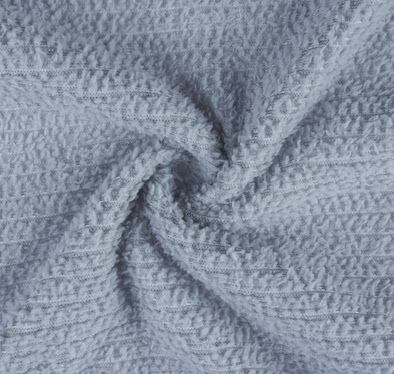

Tecido de pele sintética is not automatically ruined by moisture, but improper drying, excessive heat exposure, poor maintenance, and repeated saturation can permanently damage its texture, backing structure, softness, and pile appearance.
Studies in textile care and synthetic fibre engineering indicate that most modern faux fur fabric is made from polyester, acrylic or modacrylic fibres, which are generally water-resistant but sensitive to heat, friction and aggressive washing conditions.
According to textile maintenance guides and analyses of synthetic pile fabrics, air drying, gentle brushing, low-moisture cleaning and avoiding high-temperature tumble drying are essential for preserving the softness and loft of faux fur materials over time.
Introduction: Why Faux Fur and Water Exposure Are a Major Concern
Faux fur is now one of the most commercially important synthetic textiles in modern fashion, used for everything from upholstery and costume manufacturing to winter apparel, home décor and luxury-inspired clothing design. Over the last decade, growing consumer demand for cruelty-free fashion, vegan textiles, sustainable alternatives, and animal-free luxury aesthetics has boosted the global popularity of faux fur products.
Today, faux fur is commonly used for:
- Winter coats
- Jackets
- Fashion trims
- Blankets
- Plush toys
- Home textiles
- Estofos
- Pet accessories
- Costume design
- Luxury fashion accessories
At the same time, one of the most frequently asked consumer questions regarding the maintenance of faux fur is:
“Does faux fur get ruined if it gets wet?”
This is a valid concern because faux fur differs significantly from standard woven or knitted fabrics. Unlike flat textiles, faux fur contains:
- Long synthetic pile fibres
- Specialised backing materials
- Heat-sensitive polymer structures
- Dense surface textures
These structural characteristics create unique care requirements.
Many consumers experience problems after exposing faux fur to:
- Rain
- Snow
- Washing machines
- Humidity
- Secagem incorrecta
- Steam
- Calor excessivo
As a result, faux fur may develop the following issues:
Matting, tangling, fibre clumping, texture flattening, backing distortion, stiffness, and shedding.
However, not all water exposure permanently damages faux fur. In many cases, damage occurs primarily because of:
- Improper drying methods
- High heat exposure
- Aggressive mechanical agitation
- Incorrect washing techniques
Modern synthetic textile engineering has significantly improved the durability and moisture resistance of faux fur materials, especially premium-grade fabrics used in the luxury apparel and upholstery markets.
Understanding how faux fur responds to moisture requires examining the following factors:
- Fibre composition;
- Fabric structure;
- Pile density;
- Backing materials;
- Heat sensitivity;
- Textile finishing processes.
This article provides a comprehensive professional analysis of faux fur’s moisture performance, maintenance practices, cleaning safety, fabric construction, and long-term durability, while helping consumers and textile buyers understand how to properly care for faux fur without damaging its appearance or texture.
O que é o tecido de peles artificiais?
Before discussing water resistance, it is important to understand:
What faux fur fabric actually is.
Faux fur fabric is a synthetic textile engineered to imitate the appearance, softness, insulation, and pile texture of natural animal fur.
Most faux fur fabrics are manufactured using:
- Poliéster
- Acrílico
- Modacrylic
- Synthetic blends
These fibers are knitted or woven into a backing structure and then processed to create:
- Raised pile surfaces
- Dense fur-like textures
- Variable hair lengths
- Directional fiber flow
Modern faux fur manufacturing has evolved dramatically, allowing producers to create highly realistic textures that resemble:
- Fox fur
- Mink fur
- Rabbit fur
- Shearling
- Mongolian fur
- Teddy fleece
The quality difference between low-cost and premium faux fur can be enormous.

How Is Faux Fur Fabric Made?
The construction of faux fur directly affects how it behaves when exposed to moisture.
Main Production Stages:
- Fiber extrusion
- Yarn spinning
- Knitting or weaving
- Pile insertion
- Tosquia
- Heat setting
- Dyeing and finishing
The final fabric contains two major components:
- Surface pile fibers
- Fabric backing base
Both components react differently to water and heat.
Why Consumers Worry About Wet Faux Fur
Faux fur has a soft, fluffy, and highly textured appearance that consumers naturally associate with fragility.
Unlike flat woven fabrics, faux fur pile can easily:
- Compress
- Tangle
- Mat
- Lose loft
When handled improperly.
Many people also mistakenly treat faux fur like real fur, even though the materials behave differently under moisture exposure.
Does Faux Fur Get Ruined If It Gets Wet?
The short answer is:
Not necessarily.
Most modern faux fur fabrics can tolerate moderate moisture exposure if they are dried correctly and handled gently afterward.
However, faux fur can become damaged when:
- Saturated repeatedly
- Exposed to high dryer heat
- Aggressively machine washed
- Left damp for extended periods
- Improperly stored while wet
The biggest danger is often not water itself, but:
- Heat damage
- Fiber distortion
- Backing shrinkage
- Mechanical agitation
How Does Water Affect Faux Fur Fibers?
Synthetic fibers such as polyester and acrylic are generally:
- Hydrophobic
- Water resistant
- Fast drying
Unlike natural fibers such as cotton or wool, synthetic fibers absorb relatively little water internally.
However, water can still affect:
- Fiber alignment
- Surface texture
- Pile loft
- Backing structure
- Especially during drying
Why Heat Is the Biggest Threat to Faux Fur
Many faux fur fabrics are highly heat sensitive.
High temperatures can:
- Melt synthetic fibers
- Flatten pile texture
- Permanently deform strands
- Cause stiffness
- Create shiny patches
This is why tumble dryers frequently damage faux fur.
Common Faux Fur Damage After Getting Wet
- Matting
Matting occurs when pile fibers:
- Stick together
- Compress unevenly
- Lose fluffy separation
This is one of the most common faux fur problems after improper drying.
- Backing Distortion
The fabric backing may shrink or warp if exposed to:
- High heat
- Excessive soaking
- Aggressive spinning cycles
This can permanently distort garment shape.
- Fiber Tangling
Long pile faux fur fabrics are especially vulnerable to tangling because longer fibers intertwine more easily when wet.
Long Pile Faux Fur Fabric and Moisture Sensitivity
long pile faux fur fabric
Long pile faux fur fabric contains extended synthetic fibers designed to create dramatic texture and visual depth.
These fabrics are commonly used in:
- Luxury coats
- Decorative throws
- Cosplay costumes
- Fashion accessories
- Winter trims
Long pile structures create superior visual softness but require more careful maintenance because longer fibers:
- Trap moisture more easily
- Tangle faster
- Require more brushing during drying
Faux Fur Fabric by the Yard: Why Quality Matters
Consumers searching for:
tecido de peles artificiais ao metro
Often encounter huge quality differences between suppliers.
Higher-quality faux fur usually offers:
- Better pile recovery
- Improved wash durability
- Reduced shedding
- More stable backing construction
Cheap faux fur fabrics are more likely to:
- Mat after washing
- Lose fibers
- Develop stiffness
- Warp when wet
Can Faux Fur Get Wet in Rain or Snow?
Moderate exposure to rain or snow usually does not permanently ruin faux fur.
No entanto:
- Heavy soaking
- Repeated saturation
- Poor drying practices
Can eventually degrade texture quality.
Premium winter faux fur garments are often engineered to tolerate occasional moisture exposure during regular outdoor use.
How to Dry Faux Fur Correctly?
Proper drying is the most important factor in faux fur maintenance.
Recommended Drying Process:
- Gently shake out excess moisture
- Blot with absorbent towels
- Lay flat or hang in a ventilated space
- Allow slow air drying
- Brush fibers gently during drying
Avoid:
- Direct heaters
- Radiators
- Hair dryers on hot settings
- Tumble dryers
Brushing Faux Fur After It Gets Wet
Brushing helps restore:
- Fiber separation
- Fluffiness
- Directional texture
Use:
- Wide-tooth combs
- Pet slicker brushes
- Soft fabric brushes
Brushing should occur gradually as the fabric dries.
Machine Washing Faux Fur: Is It Safe?
Some faux fur fabrics are machine washable, but many are not.
Safer Washing Conditions:
- Cold water
- Delicate cycle
- Minimal agitation
- Mild detergent
- Mesh laundry bag
Aggressive washing cycles increase:
- Tangling
- Backing stress
- Fiber shedding
Always check care labels first.
Why Is Dry Cleaning Sometimes Recommended?
Luxury faux fur garments often recommend professional cleaning because:
- Specialized solvents reduce moisture exposure
- Mechanical agitation is minimized
- Texture preservation improves
However, improper dry cleaning chemicals may also damage certain synthetic fibers.
Storage Tips for Faux Fur Fabric
Proper storage dramatically extends faux fur’s lifespan.
Best Storage Practices:
- Store in breathable garment bags
- Avoid compression
- Keep away from heat sources
- Maintain a dry environment
- Avoid vacuum sealing long-term
Improper storage often causes more damage than occasional water exposure.
FAQ: Faux Fur Fabric
A pele sintética estraga se ficar molhada?
Not necessarily. Most faux fur fabrics tolerate moderate moisture if dried properly and protected from heat damage.
Can you wash faux fur fabric?
Some faux fur fabrics are machine washable on delicate cold cycles, while others require hand washing or professional cleaning.
Why does faux fur get matted?
Matting usually occurs because of heat exposure, friction, compression, or improper drying after moisture exposure.
Is long-pile faux fur fabric harder to maintain?
Yes. Long pile faux fur fabrics tangle and mat more easily because of their extended fiber length.
Can faux fur go in the dryer?
High-heat tumble drying is strongly discouraged because synthetic fibers may melt or flatten permanently.
Where can I buy faux fur fabric by the yard?
Faux fur fabric by the yard is available from fabric wholesalers, textile suppliers, upholstery retailers, and online fabric marketplaces.
What are the main types of faux fur fabric?
Common types include short-pile faux fur, long-pile faux fur, shag faux fur, sherpa faux fur, and plush faux fur.
Conclusão
The question “Does faux fur get ruined if it gets wet?” does not have a simple yes-or-no answer because moisture alone is rarely the primary cause of faux fur damage. In most cases, modern faux fur fabric can tolerate moderate water exposure reasonably well, especially when made from durable synthetic fibers such as polyester or acrylic.
The real risks usually come from:
- Calor excessivo
- Aggressive washing
- Secagem incorrecta
- Long-term moisture retention
- Poor-quality backing construction
High-quality faux fur fabrics are specifically engineered to maintain softness, texture, and visual appeal even after occasional exposure to rain, snow, or controlled cleaning conditions. However, delicate pile structures — especially in long pile faux fur fabric — still require careful handling to prevent matting, tangling, and texture distortion.
As consumer demand for cruelty-free luxury textiles continues growing, advancements in synthetic fiber engineering and textile finishing are steadily improving the durability, softness, and moisture resistance of modern faux fur materials. Understanding proper maintenance techniques remains essential for preserving the long-term appearance and performance of all major types of faux fur fabric.