
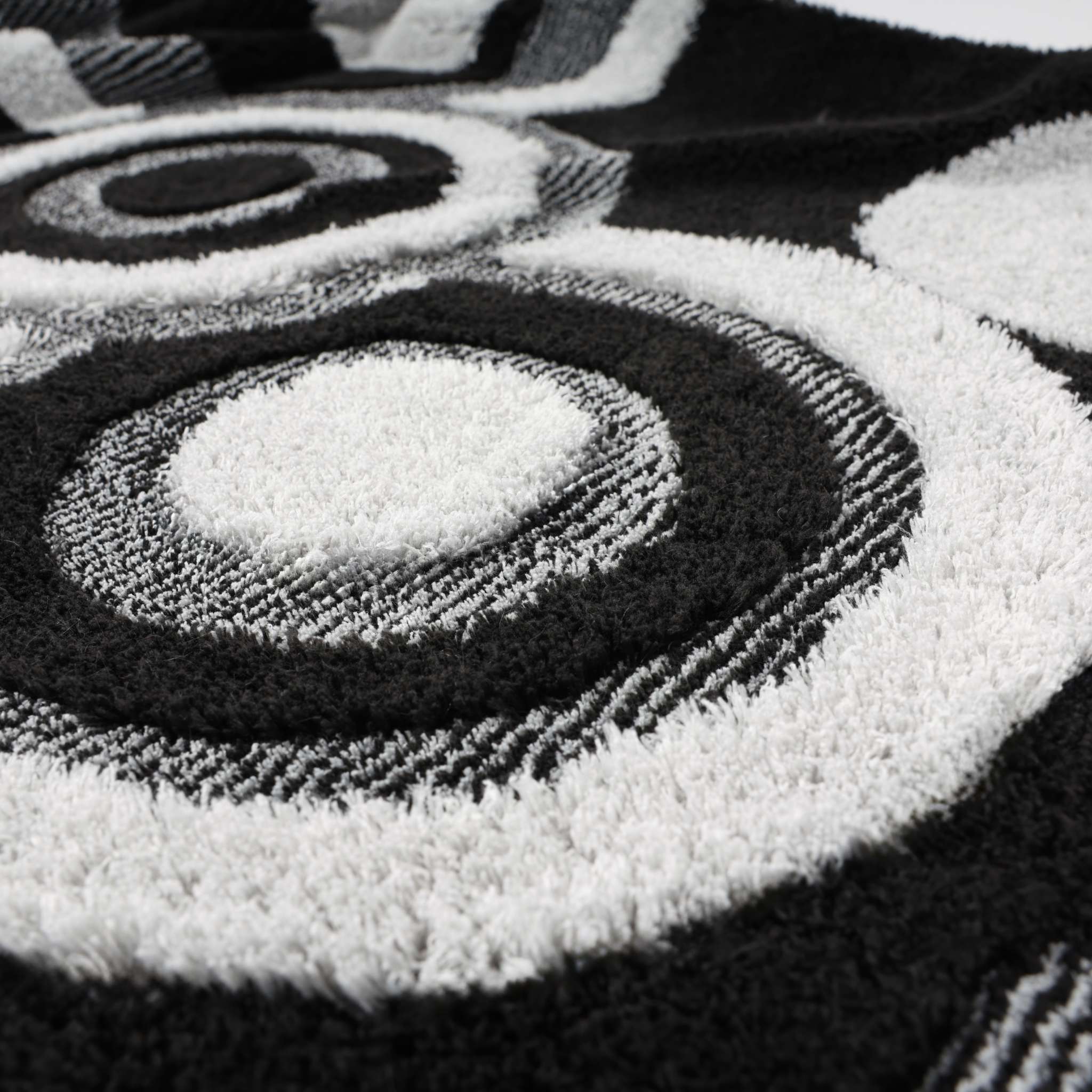


Consumer and wholesale textile markets frequently suffer from structural confusion. Retailers and marketers often treat “fleece,” “plush,” and “Sherpa” as interchangeable terms. This practice ignores fundamental structural differences, material architecture, and processing realities. Buyers who misjudge these parameters make sub-optimal purchasing decisions. Poor fabric choices inevitably lead to excessive pilling, poor thermal regulation, compromised post-wash aesthetics, and frustratingly short product lifecycles.
Evaluating a standard fleece Blanket against a deep-processed plush alternative requires moving past superficial softness. Buyers must understand the underlying textile engineering. This guide provides an evidence-based technical comparison matrix. We evaluate fabrics based on specific yarn weight, thermal insulation capacity, structural longevity, format versatility, and modern sustainable manufacturing standards. Understanding these metrics ensures procurement aligns perfectly with actual end-user demands.
Key Takeaways
- Structural Difference: A fleece blanket offers superior breathability and a lighter weight-to-warmth ratio ideal for active layering, while plush fabrics (including Sherpa variants) utilize deep, dense pile constructions for high-level sensory softness and maximum stationary insulation.
- Processing Sophistication: Premium plush textiles rely heavily on secondary fine processing (such as deep dyeing, burnt-out printing, and fiber stabilization) that determines long-term visual and tactile retention.
- Supplier Benchmarking: Credible fabrics—regardless of category—should pass stringent third-party toxicity testing (e.g., OEKO-TEX 100), ensuring safety and chemical compliance without sacrificing performance.
- Lifecycle Maintenance (TCO): A fleece blanket traditionally requires specific cold-wash protocols to prevent heat-fused pilling, whereas high-quality plush requires specific tumble protocols to avoid pile matting and shed rates.
Evaluating the Engineering: How Fleece and Plush Diverge
The Structural Mechanics of a Fleece Blanket
A standard fleece fabric relies on highly engineered hydrophobic polyester fibers. Manufacturers tightly knit these synthetic yarns to form a stable base layer. They subsequently brush and shear the fabric surface. This mechanical finishing creates thousands of microscopic trapped-air thermal pockets. These pockets deliver excellent moisture-wicking and heat-trapping capabilities while maintaining a distinctly low material profile.
The manufacturing lifecycle of commercial fleece involves four specific technical phases to guarantee structural integrity and performance:
- Polymer Extrusion: Raw polyester chips undergo melting and extrusion through spinnerets to create continuous filament yarns. These yarns determine the foundational tensile strength.
- Circular Knitting: High-speed circular knitting machines loop the yarns into a flat, interlocking tube. This stage dictates the ultimate stretch and recovery of the finished product.
- Mechanical Brushing: Specialized wire-covered rollers vigorously brush the knit fabric. This action pulls fiber loops upward, breaking them slightly to form the characteristic fuzzy surface.
- Precision Shearing: Helical blades shear the brushed surface to a uniform height. This prevents uneven wear and establishes a smooth, consistent finish suitable for printing.
This low profile allows for scalable Grams per Square Meter (GSM) engineering, typically ranging from 150 to 300 GSM. The flat surface adapts perfectly to flat-lay bedding applications. It also serves as an optimal canvas for high-fidelity custom printing. However, fleece carries specific structural vulnerabilities. Repeated surface abrasion creates friction, leading to micro-pilling. Static adhesion can also occur over time, compressing the trapped-air pockets and steadily reducing thermal insulation efficiency.
The Architecture of High-Density Plush and Sherpa Variants
Plush textiles utilize a significantly denser weave architecture. The defining physical characteristic is a much longer fiber pile, frequently measuring between 5mm and 15mm in height. Standard plush maintains a smooth, highly reflective surface. In contrast, “Sherpa” acts as a specialized plush sub-category. Textile engineers design Sherpa to mimic the bumpy, dual-sided texture of natural sheep’s wool. It delivers exceptional thickness without carrying natural wool allergens, making it highly desirable for consumer bedding.
High-density pile requires rigorous deep processing and fine processing. Manufacturers must chemically and thermally stabilize plush and Sherpa surfaces through a process called stentering. Heat-setting the fabric at high temperatures locks the fiber structure in place. Without this stabilization, the fabric suffers continuous shedding, rapid fiber clumping, and massive dimensional shrinkage during the first consumer wash.
Premium suppliers leverage these longer fibers for advanced surface texturing. They apply burnt-out chemical techniques and precision dimensional printing directly onto the plush fibers. The burnt-out process utilizes specific chemical pastes to dissolve cellulose fibers within a blended fabric, leaving behind sheer geometric or floral patterns against the thicker pile base. These methods create multidimensional aesthetic finishes that remain physically impossible on a low-profile fleece base.
Performance Criteria Matrix: Matching Material to End-Use
Thermal Insulation vs. Micro-Climate Breathability
Textile selection heavily depends on managing user body heat. Thick plush provides unmatched static insulation properties. The long fibers trap massive amounts of stationary air, creating a powerful thermal barrier against cold environments. Standard fleece operates differently, prioritizing active thermal-regulation metrics. It allows excess body heat and moisture vapor to escape efficiently.
Weight restrictions often dictate the final material choice. A lighter fleece satisfies requirements for active layering or mild climates. Conversely, pure insulation demands necessitate heavier plush yardage. Commercial and residential buyers must measure their specific environmental demands before committing to high-GSM plush or low-GSM fleece yardage.
To visualize the technical differences, we can compare the typical specifications of these textiles under standard commercial testing environments:
| Performance Metric | Standard Fleece (200 GSM) | Premium Sherpa Plush (400 GSM) |
|---|---|---|
| Air Permeability | High (Excellent moisture venting) | Low (Forms a dense air-trap barrier) |
| Thermal Resistance (CLO) | Moderate (0.5 – 0.8 CLO) | Extremely High (1.2 – 2.0+ CLO) |
| Moisture Regain | 0.4% (Hydrophobic, fast drying) | 0.4% – 1.0% (Slower drying due to density) |
| Compressibility | High (Packs down tightly for travel) | Low (Maintains bulky shape) |
Form Factor and Application Versatility
Structural adaptability determines how a fabric performs in trending consumer formats. Oversized wearable hoodie blankets require a heavy, structured drape. Plush textiles naturally provide this substantial weight and luxurious sensory feedback. Traditional bedding layers demand lightweight flexibility to avoid suffocating the sleeper. Fleece excels in these layered bedding scenarios, allowing users to stack blankets without excessive weight.
Mapping lifestyle utility to exact material weights ensures product success. Breathable couch throws engineered for extended residential movie nights perform best at a mid-weight 250 GSM. Rigorous, high-wash commercial hospitality environments require entirely different specifications. Hospitality buyers prioritize highly durable, fast-drying, low-GSM synthetic fleece (often around 180-220 GSM) to handle relentless daily use and minimize expensive commercial laundering cycles.
Surface Durability and Wash Cycle Retention
Fabric degradation accelerates through three primary triggers: physical machine agitation, harsh chemical detergents, and extreme thermal dryer cycles. High heat pushes polyester past its glass transition temperature, physically melting microscopic fiber strands in both fabrics. Agitation forces fibers to tangle, permanently degrading the original texture.
Targeted maintenance protocols mitigate rapid replacement frequencies. You should always reference ISO 12945-2 standard testing for a fabric’s specific “pilling factor.” Standard fleece requires strict cold-wash protocols to prevent heat-fused micro-pilling. High-quality plush demands low-heat tumble protocols without abrasive friction. Managing fiber matting ensures the fabric maintains its structural integrity and insulating trapped-air pockets.
Implementing strict laundering parameters extends the textile lifecycle dramatically:
- Temperature Control: Never exceed 30°C (86°F) for washing standard polyester fleece. Plush variants can tolerate slightly higher temperatures, but cold water preserves the synthetic dye bonds and prevents pile matting.
- Detergent Selection: Avoid fabric softeners entirely. Softeners leave a chemical residue that coats the synthetic fibers, destroying their inherent moisture-wicking capabilities and causing the pile to clump together.
- Mechanical Drying: Always use a delicate, low-heat or no-heat tumble setting. High heat permanently scorches polyester tips, creating rough, scratchy patches that ruin the textile’s sensory value.
- Agitation Management: Wash heavy plush blankets separately from items with zippers, velcro, or heavy hardware. Friction from heavy hardware breaks the yarns and accelerates surface pilling.
Evaluating Manufacturing Authority and Supply Chain Sustainability
Material Safety and Global Chemical Certification Benchmarks
Material safety serves as a non-negotiable procurement decision layer. Evaluating textiles requires extracting exact standard testing protocols from manufacturers. Buyers must validate product safety using recognized industry standards rather than internal supplier claims. Uncertified fabrics may contain hazardous azo dyes, formaldehyde resins, or heavy metals that pose severe dermatological risks to end-users.
Benchmark fabrics against current credentials like OEKO-TEX 100 (Standard) and OEKO-TEX 100 (Recycled). These certifications verify the strict compliance of materials regarding harmful chemical substances. Always specify and check validity dates during the sourcing process. Standard benchmarks require mandatory annual renewals, such as upcoming Feb 2026 mandates, to guarantee ongoing chemical compliance. Look specifically for Class 1 certification if the end product targets infants or toddlers, as this mandates the strictest toxicity thresholds available globally.
Operational Capability and Scale Processing
Consistent, high-yield fabric generation requires massive industrial infrastructure. Low defect rates directly correlate with advanced processing machinery and facility cleanliness. Frame a credible manufacturing partner using institutional metrics. Leading textile producers operate scale footprints upwards of 86,000 square meters. Their capacities often exceed 40,000 tons annually. Substantial continuous R&D investments prove they can maintain quality at scale.
Deep-dyeing capabilities strongly differentiate lower-tier bulk suppliers from premium facilities. Top manufacturers employ specialized integrations to lock in color deep within the yarn core. They utilize environmentally friendly chemistry, including Bluesign® certified chemical additives and Huntsman Dyes. These specific inputs achieve vibrant, wash-fast, and fade-resistant plush materials that survive rigorous commercial laundering without bleeding color onto other garments.
Eco-Economics: Energy Efficiency and Closed-Loop Manufacturing
Modern procurement transitions textile evaluations away from mere unit cost. The focus now includes lifecycle-impact and brand liability risk mitigation. Buyers protect their brand equity by verifying sustainable manufacturer attributes and ensuring their supply chain aligns with modern ESG (Environmental, Social, and Governance) targets.
Assess specific environmental infrastructure before signing supplier agreements. Identify facilities utilizing closed-loop wastewater handling systems, prioritizing those achieving a verified 90% wastewater recycling rate. Look for industrial carbon offsetting strategies, specifically the integration of factory waste heat recovery systems. Finally, confirm direct reliance on independent renewable energy sources. Large-scale, on-site photovoltaic power stations driving daily production indicate a highly responsible, resilient, and forward-thinking supply chain.
Side-by-Side Sourcing Matrix: The Final Decision Logic
When selecting the appropriate textile for a specific commercial or consumer application, evaluating the tradeoffs between weight, processing, and aesthetic potential dictates market success. We have consolidated the essential variables into a direct sourcing matrix.
| Evaluation Criteria | Standard Fleece Blanket | Premium Plush / Sherpa Blanket |
|---|---|---|
| Thermal Profile | Active breathability, heat-trapping during movement. Ideal for variable climates. | Maximum static insulation, heavy thermal barrier. Built for extreme cold isolation. |
| Physical Weight (GSM) | Low to medium profile (150-300 GSM), highly scalable and lightweight. | High profile (300-600+ GSM), heavy drape, dense fiber construction. |
| Surface Processing | Brushed and sheared flat surface for uniform thickness and minimal bulk. | Deep dyed, burnt-out texture, fine thermal stabilization and stentering. |
| Laundering Efficiency | Fast drying, space-saving in commercial machines. Lower energy consumption. | Slower drying, requires strict low-heat tumbling. Higher laundry operational costs. |
| Best Customization | Dye-sublimation, complex vector art, and high-fidelity custom photo printing. | Multidimensional textural finishes, jacquard weaving, and heavy duty embroidery. |
| Target Markets | Airlines, hospitals, promotional merchandise, activewear layering. | Luxury home decor, high-end retail gifting, oversized wearable apparel. |
When to Invest in a Quality Fleece Blanket
Fleece blankets dominate scenarios requiring maximum portability and active layering potential. The lightweight structure meets fast-drying requirements efficiently. High-frequency hospitality rotations heavily favor fleece materials. The reduced physical volume directly aids commercial laundering times, lowering facility energy expenditures and increasing room turnover rates in hotels or hospitals.
Furthermore, low-pile fleece serves as the superior canvas for visual customization. It accommodates dye-sublimation and complex custom photo printing flawlessly. The ink bonds directly to the smooth polyester without distorting the underlying image. Branded corporate merchandise requires high-fidelity logo reproduction. The smooth surface integrity of sheared fleece ensures logos and marketing images remain sharp, legible, and highly saturated over years of use.
When to Select Deep-Processed Plush Blankets
Plush textiles perfectly align with tactile-driven retail intent. They sit comfortably in premium gifting tiers where perceived sensory value drives purchases. Deep-processed plush solves distinctive textural needs. Manufacturers utilizing advanced burnt-out aesthetics rely entirely on dense plush bases to create luxurious, patterned throws that serve as standalone design centerpieces in residential homes.
Consumer apparel trends also dictate plush sourcing. Wearable hoodie designs depend on the heavy drape and structural stability of high-pile fabrics to provide a comforting, weighted sensation. Sherpa and premium plush consistently outperform standard fleece in maximal cold-weather isolation applications, providing the necessary bulk for stationary warmth during deep winter environments.
Conclusão
Neither fabric intrinsically defeats the other in the broader textile market. Superiority depends directly on matching the intended warmth-to-breathability ratio with specific lifestyle intent. Misaligned usage causes the most product failures. Buyers must prioritize verification of chemical processing standards alongside basic weight metrics. A potential supplier must maintain stringent chemical guidelines and apply rigorous deep processing to prevent shedding.
Hedging against supply chain eco-liabilities requires adopting auditable sustainable energy usage protocols. Procuring from facilities utilizing high wastewater recycling rates mitigates long-term brand risk and aligns your products with modern environmental expectations.
Execute the following exact steps before finalizing any wholesale supply chain commitments:
- Request physical material sampling from suppliers to conduct independent abrasion, pilling, and wash-cycle testing against ISO protocols.
- Verify exact technical specifications, demanding documented fabric GSM tolerances and valid, up-to-date OEKO-TEX 100 certification certificates.
- Audit supplier environmental infrastructure directly, specifically requesting verifiable metrics on wastewater recycling facilities and on-site photovoltaic power generation capabilities.
- Require a detailed breakdown of the deep-dyeing chemistry used, insisting on Bluesign® certified additives to guarantee colorfastness and user safety.
FAQ
Q: What is the defining technical difference between a fleece blanket and plush textiles?
A: The core difference lies in fiber construction and mechanical finishing. Manufacturers knit, thoroughly brush, and tightly shear fleece to create a low-profile, trapped-air surface. Plush textiles feature a significantly denser weave architecture with much longer fiber piles, creating deep surface textures and a notably heavier structural drape.
Q: Is a fleece blanket warmer than a thick plush or Sherpa blanket?
A: Not inherently. Plush and Sherpa blankets offer significantly higher static insulation due to longer, denser fibers trapping massive amounts of ambient body heat. Fleece provides a superior lightweight warmth-to-breathability ratio, making it the preferred textile for active outdoor environments or highly layered consumer bedding applications.
Q: How does a Sherpa blanket compare to standard fleece and plush?
A: Sherpa operates as a highly specialized plush construction. It is engineered with a bumpy, wool-like texture on the face and a smooth knit on the reverse. This intentional design delivers maximum static insulation compared to standard sheared fleece or smooth plush, without carrying natural wool allergens.
Q: Do high-pile plush materials require more specific washing than standard fleece?
A: Yes. High-pile plush requires strict temperature restrictions to prevent synthetic fiber melting. It demands specific low-heat, low-friction tumble dryer protocols. These measures avoid pile matting, aggressively reduce ongoing shed rates, and maintain the textile’s structural integrity over multiple commercial wash cycles.
Q: What does “burnt-out” processing mean when looking at premium plush fabrics?
A: Burnt-out processing involves applying specialized, safe chemical agents to selectively dissolve specific fibers on a dense material base. This technique creates intricate, durable, multidimensional textural patterns that standard low-profile fleece simply lacks the structural depth to support.
Q: Why is OEKO-TEX 100 certification crucial when comparing soft blankets?
A: It verifies compliance with stringent safety limits regarding harmful substances used during industrial deep-dyeing and processing. This baseline toxicity metric guarantees consumer skin safety, validates environmental responsibility, and ensures total adherence to strict global regulatory compliance standards.
Q: Which blanket type is less prone to shedding after commercial laundering?
A: Standard fleece generally sheds less initially due to its aggressively sheared, tightly knit profile. Dense plush fabrics require premium fine processing, high weave tension, and advanced thermal fiber sealing to effectively minimize post-wash shedding ratios.