
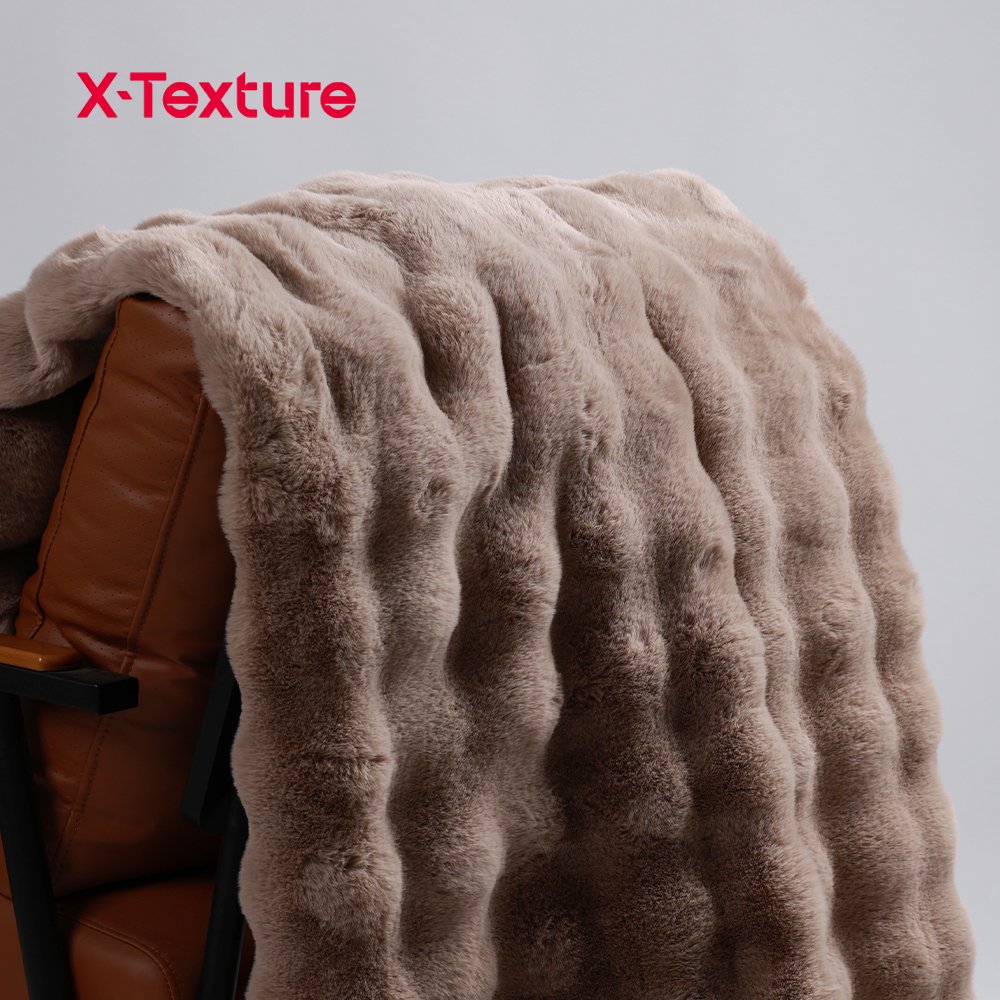
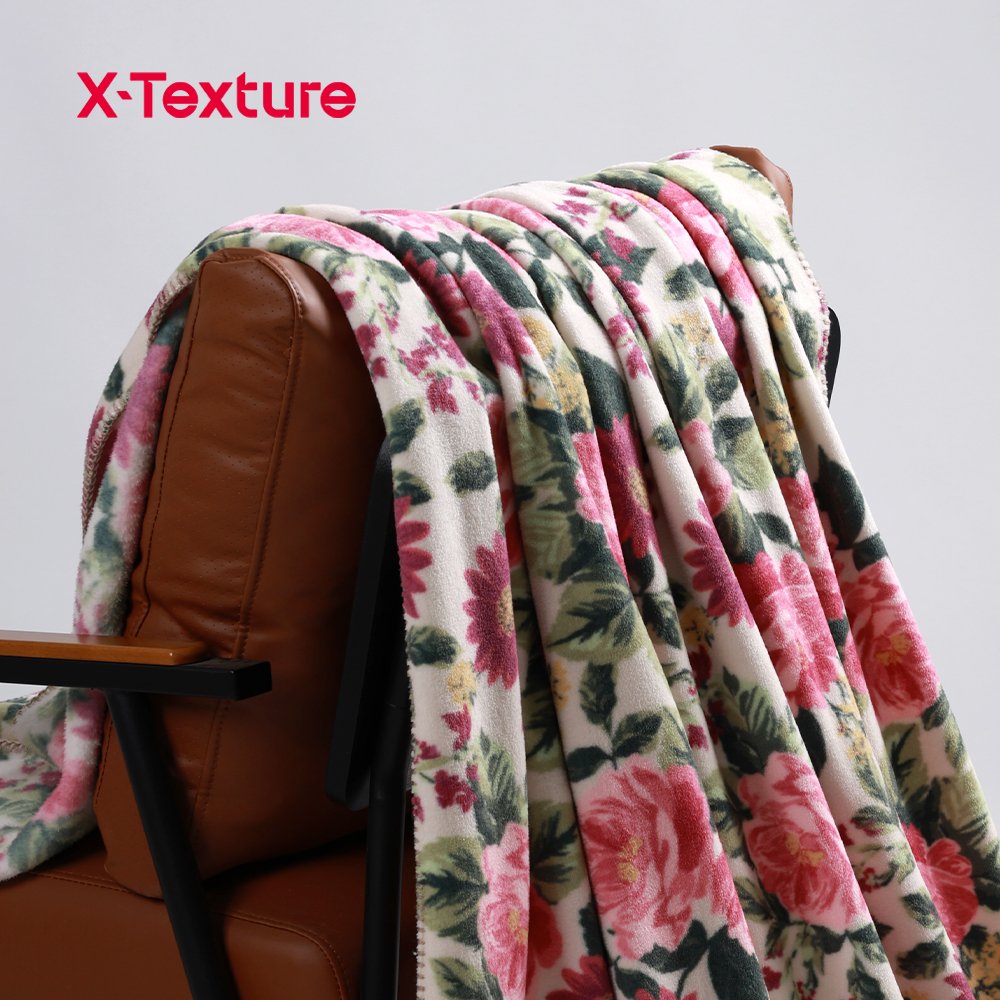

Спрос на экологически чистые текстильные изделия растёт по всему миру.
Transforming plastic waste into cozy fleece is revolutionizing the market.
But what is GRS certified recycled fleece, and why does it matter?
In this post, you will learn about strict GRS standards.
We will also explore its incredible environmental benefits.
Understanding the Global Recycled Standard (GRS)
To grasp what GRS certified recycled fleece is and why it matters, we must define the standard. GRS is an international, voluntary, full-product standard. It sets strict requirements for third-party certification. It verifies recycled content and tracks the entire supply chain.
Manufacturers like Jiangsu X-Texture Textile Technology Development Co., Ltd. embrace these strict guidelines. They produce premium materials like GRS printed flannel and GRS certified fleece. This standard ensures every production step remains transparent.
The Four Pillars of GRS Certification
A reliable recycled fleece certification relies on four main pillars. These rules guarantee the final product is genuinely sustainable and safe.
| GRS Pillar | Core Requirement | Practical Impact |
|---|---|---|
| Verified Recycled Material | Tracks the chain of custody for all inputs. | Ensures materials like rPET polar fleece actually come from verified waste. |
| Environmental Management | Enforces strict water, energy, and waste protocols. | Reduces the overall ecological footprint of factory operations. |
| Social Responsibility | Aligns operations with ILO conventions. | Guarantees fair labor practices and safe working conditions for staff. |
| Chemical Safety | Applies strict ZDHC limits for hazardous chemicals. | Protects workers and ensures the fleece is safe for sensitive skin. |
How GRS Goes Beyond the Recycled Claim Standard (RCS)
You might see different labels when shopping for a sustainable fleece fabric. The Recycled Claim Standard (RCS) is another common label. However, RCS acts as a “lite” version of GRS.
RCS only tracks the chain of custody for recycled materials. It stops there and does not require environmental audits. It ignores social responsibility and chemical safety.
GRS is a complete full-product standard. When you buy recycled polyester fleece carrying a GRS label, you know it meets higher ethical benchmarks. A facility needs at least 20 percent recycled content for B2B certification. Furthermore, a product must reach a GRS recycled content 50 percent threshold to display the logo for consumers.
What Is GRS Certified Fleece?
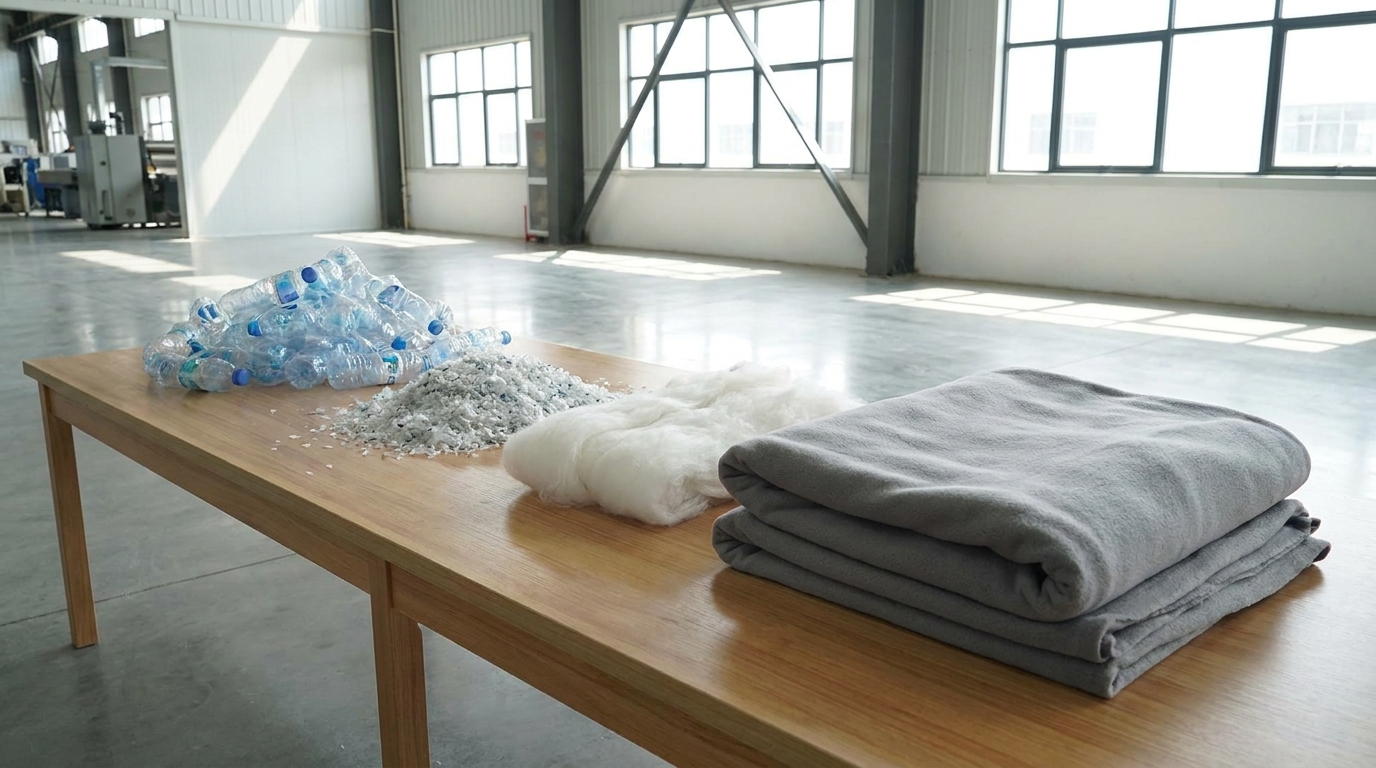
As we covered earlier, hitting the GRS recycled content 50 percent mark proves a fabric meets strict benchmarks. But what exactly makes up this material? GRS certified fleece is a premium textile made primarily from repurposed plastic waste. It replaces traditional virgin polyester fabrics. Virgin materials rely heavily on petroleum extraction. By using recycled inputs, this fabric drastically cuts down on energy use.
How Plastic Waste Becomes Plush Fabric
How do we turn trash into cozy blankets and garments? The transformation process starts with raw feedstock. Facilities collect post-consumer waste, like discarded plastic water bottles. They also gather pre-consumer factory scraps.
Workers thoroughly clean and crush these plastics into tiny flakes. Next, they melt the flakes down into small pellets. Machines then extrude these tiny pellets. They spin them into fine threads. These threads eventually become soft recycled polyester fleece and other plush yarns.
Performance: Recycled vs. Virgin Fleece
You might wonder if recycled materials feel cheap or weak. They certainly do not compromise on quality. Modern rPET polar fleece matches virgin synthetic fibers perfectly. It offers the exact same durability and structural integrity.
| Характеристика | Virgin Polyester Fleece | GRS Certified Recycled Fleece |
|---|---|---|
| Source Material | Petroleum and crude oil | Post-consumer bottles and pre-consumer scraps |
| Долговечность | High strength and tear resistance | Matches virgin fiber strength exactly |
| Влагоотводящий | Excellent moisture management | Identical moisture-wicking properties |
| Color Vibrancy | Holds bright dyes well | Retains deep, vibrant colors long-term |
This sustainable alternative also delivers extreme softness. It feels great against the skin. This makes it perfect for babies and adults alike. It adheres to the strict chemical safety pillars we discussed earlier.
The Incredible Versatility of Eco-Friendly Fleece
This eco-friendly fabric adapts to countless applications. Leading manufacturers like Jiangsu X-Texture Textile Technology Development Co., Ltd. utilize these recycled yarns extensively. Founded in 2012, they specialize in transforming sustainable inputs into premium materials.
They weave these recycled threads into a wide variety of textiles. Some of the most popular variations include:
- Double-Sided Flannel Fleece: Ultra-soft and perfect for heavy winter blankets.
- Sherpa and Minky: Mimics the warmth of wool and offers a plush texture for baby items.
- Jacquard Flannel: Features intricate woven patterns for high-end home decor.
- Faux Fur: Provides a luxurious look without harming animals.
- S-warm Tec Fabrics: Innovative self-heating textiles designed for premium winter apparel.
Brands rely on these versatile fabrics for everything from cozy bedding to warm pajamas. You get all the comfort of traditional fleece while supporting a true circular economy. A proper recycled fleece certification ensures these claims remain completely valid.
The GRS Certification Rules: 20% vs. 50% Thresholds
As we covered earlier, weaving sustainable inputs into premium materials supports a true circular economy. But how do factories prove their fabrics actually contain these recycled yarns? They must follow strict percentage rules. Understanding the minimum requirements for B2B and consumer-facing products is crucial. Let us break down how these thresholds dictate material compliance.
The 20% Rule for B2B Supply Chains
Not every fabric consists entirely of recycled waste. Manufacturers often blend fibers to achieve specific textures. To qualify for a B2B Scope Certification, a product needs at least 20 percent recycled content. This baseline allows facilities to legally process and sell certified materials. It ensures the chain of custody remains fully intact between businesses. However, this lower mark only applies behind the scenes. A brand cannot put a consumer-facing logo on a garment using just 20 percent recycled fibers.
The 50% Rule for Consumer Labels
Brands face stricter rules when advertising eco-friendly efforts to shoppers. Finished garments and textiles must contain a GRS recycled content 50 percent minimum. Reaching this specific threshold allows companies to legally display the official logo on consumer hangtags. This strict rule actively prevents corporate greenwashing. When you buy a jacket bearing this mark, you know repurposed waste forms most of the material. Achieving this standard guarantees a valid recycled fleece certification. It gives buyers absolute confidence in their sustainable purchases.
Comparing the Certification Thresholds
Here is a quick breakdown of how these percentages impact production and labeling.
| Threshold | Primary Audience | Logo Eligibility | Типовое применение |
|---|---|---|---|
| 20% Minimum | Business-to-Business (B2B) | No consumer logo allowed | Tracking raw materials between factories |
| 50% Minimum | Direct-to-Consumer (B2C) | Official logo on hangtags | Finished retail garments and blankets |
How Brands Successfully Blend Fibers
Hitting these specific targets requires careful manufacturing logic. Brands often mix recycled polyester alongside natural fibers. This maximizes both comfort and structural durability. A common industry standard for premium heavyweight fleece utilizes an 80/20 blend. This mixes 80 percent organic cotton alongside 20 percent recycled synthetics. This fabric easily meets the B2B rule. However, it falls short of consumer labeling requirements.
To hit the higher consumer threshold, manufacturers adjust their recipes. They might design a balanced 50/50 blend. They could also utilize 100 percent rPET polar fleece for specific items. Jiangsu X-Texture Textile Technology Development Co., Ltd. excels at this exact balancing act. They formulate custom fabrics meeting strict compliance standards. They deliver ultra-soft textures across their GRS printed flannel and double-sided fleece lines. This flexibility lets brands choose the perfect ratio for their specific market needs.
Why Does GRS Certified Recycled Fleece Matter?
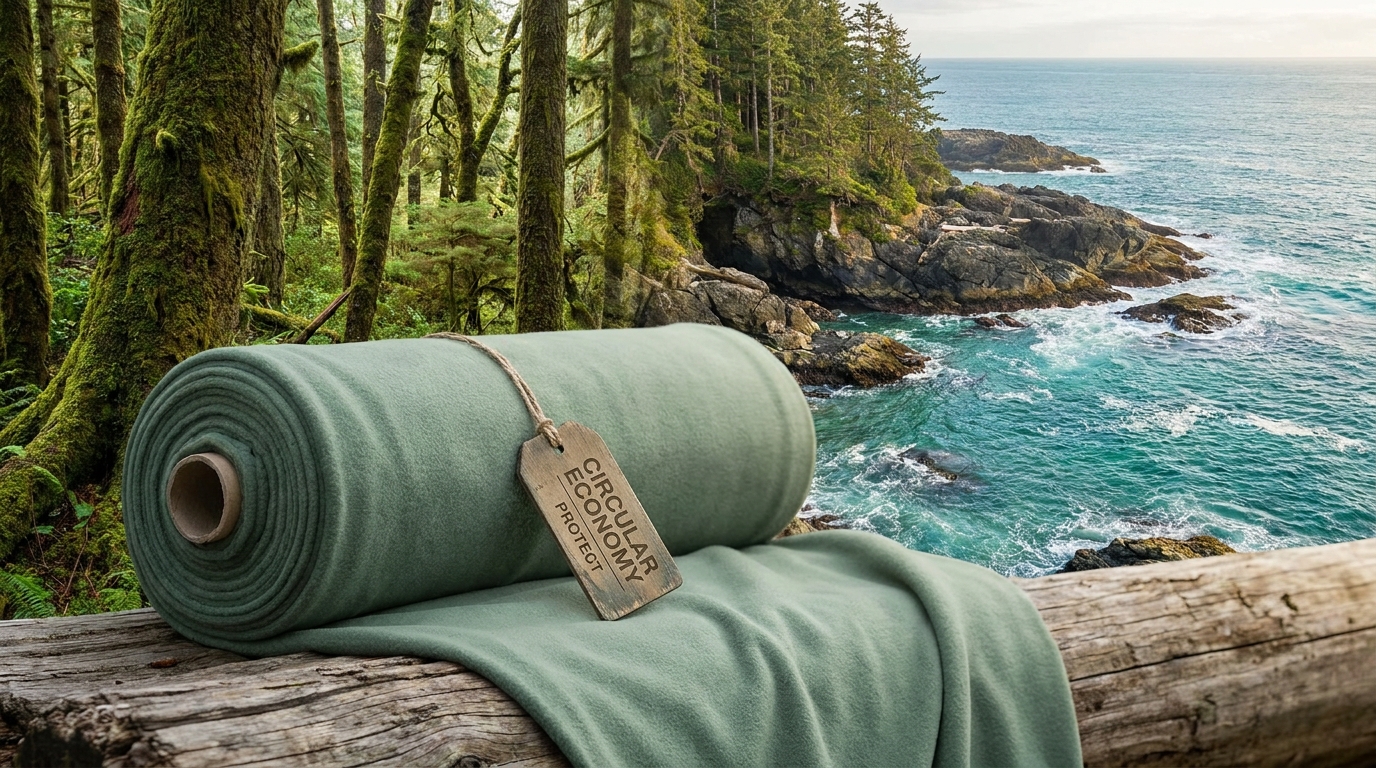
We just explored how brands carefully blend fibers to meet strict threshold rules. You know exactly how manufacturers formulate these textiles. But why go through this complex certification process? Why does GRS certified recycled fleece matter so much today? Choosing this fabric does more than just secure a logo on a hangtag. It creates massive ripples across the environment, your personal health, and global supply chains. Let us explore the real-world impact of demanding a proper recycled fleece certification.
| Area of Impact | Traditional Virgin Production | GRS Certified Production |
|---|---|---|
| Environment | Extracts new petroleum and increases landfill waste. | Diverts plastic waste and reduces carbon emissions. |
| Health & Safety | Often lacks strict chemical oversight. | Bans heavy metals and enforces ZDHC guidelines. |
| Supply Chain | Vulnerable to false eco-friendly claims. | Requires strict Transaction Certificates (TC). |
| Economy | Follows a wasteful “take-make-dispose” model. | Promotes a sustainable closed-loop system. |
Massive Environmental Impact
Creating virgin polyester demands heavy petroleum extraction. This process burns massive amounts of energy. It also releases heavy greenhouse gas emissions. Switching to recycled inputs changes this equation entirely. Facilities take discarded plastic water bottles and factory scraps. They divert this waste away from overflowing landfills and fragile oceans. Melting down existing plastics uses significantly less energy than creating new ones. When companies utilize rPET polar fleece, they actively shrink their carbon footprint. They help protect natural ecosystems from further plastic pollution.
Protecting Consumer Health and Skin Safety
You might worry about wearing fabric made from old plastic bottles. Is it truly safe against your sensitive skin? This is where the strict chemical pillars become vital. The standard completely bans harmful heavy metals and toxic dyes during production. Facilities must adhere to strict Zero Discharge of Hazardous Chemicals (ZDHC) guidelines. They rigorously test the final material to ensure safe pH levels. This makes the resulting plush fabrics perfectly safe. You can confidently use them for baby blankets and intimate apparel. Jiangsu X-Texture Textile Technology Development Co., Ltd. guarantees these safety metrics across their minky, sherpa, and faux fur lines.
Ensuring Total Supply Chain Transparency
Greenwashing remains a huge problem in retail today. Many brands claim their products are eco-friendly without any real proof. How do you know a brand actually hit the GRS recycled content 50 percent mark? The standard solves this through rigid documentation. Every certified facility must hold a valid Scope Certificate (SC). This proves they meet the baseline requirements to process sustainable goods. Furthermore, every single material transfer requires a Transaction Certificate (TC). This document tracks the exact batch of fabric from the recycler to the final garment factory. It makes faking sustainability claims nearly impossible.
Promoting a True Circular Economy
For decades, the textile industry relied on a destructive “take-make-dispose” model. Brands extracted raw materials, made clothes, and consumers quickly threw them away. This linear system creates mountains of textile waste globally. Certified recycled materials disrupt this harmful cycle. They help build a sustainable, closed-loop system instead. We keep existing plastics in continuous use. We transform them into high-quality items like double-sided flannel fleece and S-warm Tec self-heating fabrics. This circular approach preserves natural resources for future generations. It proves luxury and sustainability can easily coexist.
Applications of Sustainable Fleece Fabric in Today’s Market
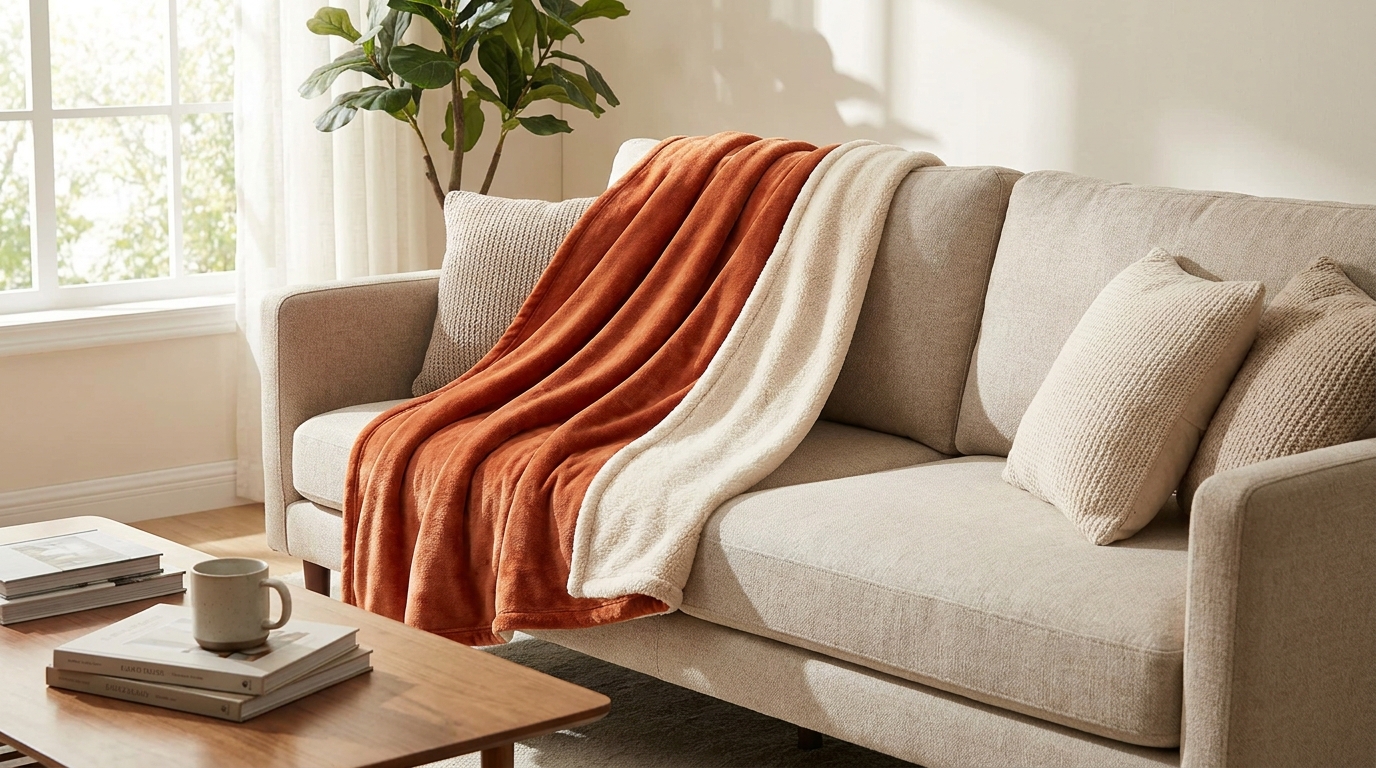
As we covered earlier, a circular economy proves luxury and sustainability easily coexist. Keeping plastics in continuous use creates incredibly versatile materials. Brands now utilize these eco-friendly textiles across many different consumer markets. They transform repurposed waste into everything from heavy winter coats to baby blankets. Let us explore the most popular applications for sustainable fleece fabric today.
Apparel and Activewear
Modern consumers demand high performance from their clothing. They want jackets and hoodies offering serious weather protection. Recycled polyester fleece delivers the exact durability and warmth required for activewear. It matches the strength of virgin synthetic fibers perfectly. Athletes rely on its excellent moisture-wicking properties during intense workouts. Outdoor enthusiasts appreciate how lightweight yet insulating the material feels. This makes it a top choice for premium sportswear brands globally.
Home Textiles and Bedding
The demand for eco-friendly home decor continues to grow rapidly. People want cozy blankets and throws for their living rooms. They also seek warm, breathable bedding for cold winter nights. Manufacturers like Jiangsu X-Texture Textile Technology Development Co., Ltd. specialize in these exact products. They craft premium double-sided flannel fleece specifically for home textiles. These luxurious fabrics turn recycled bottles into incredibly soft home goods. You get maximum comfort while actively reducing global plastic waste.
Sleepwear and Kids’ Clothing
Parents always prioritize safety when shopping for their children. They need fabrics gentle enough for highly sensitive skin. As we discussed earlier, strict chemical pillars ban harmful heavy metals. This rigorous testing makes certified materials perfect for kids’ clothing. Brands frequently use minky and sherpa textures for baby items. These textiles provide incredible softness for pajamas and infant garments. They keep children warm and completely prevent skin irritation.
Specialty Fabrics and Innovative Textures
The eco-friendly space now includes highly specialized, innovative textures. Factories push the boundaries of what recycled yarns can achieve. You no longer have to settle for basic, flat materials. Jiangsu X-Texture Textile Technology Development Co., Ltd. leads this innovation. They produce intricate jacquard flannel featuring beautiful woven patterns. They also manufacture luxurious faux fur. It provides high-end aesthetics and avoids harming animals. Their S-warm Tec self-heating fabrics represent a massive leap forward. These advanced textiles redefine premium winter apparel.
| Market Sector | Popular Fabric Types | Key Consumer Benefits |
|---|---|---|
| Apparel & Activewear | Recycled polyester fleece, microfleece | High durability, moisture-wicking, and lightweight warmth. |
| Домашний текстиль | Double-sided flannel, jacquard flannel | Ultra-soft textures perfect for cozy blankets and bedding. |
| Kids’ Clothing | Sherpa, minky | Chemical-free safety and gentle comfort for sensitive skin. |
| Specialty Apparel | Faux fur, S-warm Tec self-heating fabrics | Cruelty-free luxury and advanced thermal retention. |
Sourcing Reliable Recycled Fleece: The Role of Expert Manufacturers
As we covered earlier, specialty fabrics like faux fur and S-warm Tec redefine premium winter apparel. Translating these advanced concepts into physical products requires immense skill. Brands must partner with certified and experienced manufacturers. This ensures the integrity of their sustainable claims. Without a reliable partner, your recycled fleece certification could easily fall apart. Let us look at why factory selection matters so much.
Protecting Certification Integrity
Sourcing genuine eco-friendly textiles is complex. A single supply chain mistake ruins consumer trust. Expert manufacturers manage every step carefully. They maintain strict Transaction Certificates for every batch. This rigorous documentation proves your fabric actually contains verified waste. It protects brands from accidental greenwashing. Working with established factories guarantees your materials meet strict global standards.
Essential Manufacturing Capabilities
Producing high-quality textiles requires advanced technology. You cannot just melt plastic and expect soft blankets. Top facilities invest heavily in modern equipment. They use advanced knitting machines. These tools create highly durable, plush textures. Factories also employ eco-friendly dyeing processes. These methods lock in vibrant colors. They completely avoid harmful chemicals. Finally, precision printing technologies allow for intricate, custom designs. These capabilities ensure sustainable fabrics perform exactly like virgin materials.
Industry Spotlight: Jiangsu X-Texture
Finding a factory with these advanced capabilities takes time. Jiangsu X-Texture Textile Technology Development Co., Ltd. stands out as an industry leader. Founded in 2012, this China-based manufacturer specializes in sustainable plush fabrics. They built their reputation on strict quality control and environmental responsibility. X-Texture guides brands through the entire production process. They handle everything from sourcing verified yarns to final fabric finishing. Their deep expertise makes sourcing certified materials completely stress-free.
Exploring GRS-Compliant Product Lines
X-Texture offers a massive catalog of eco-friendly textiles. They engineer these fabrics for blankets, bedding, pajamas, and garments. Their diverse product lines meet strict compliance rules. They also deliver ultimate comfort and structural integrity.
| Тип ткани | Key Characteristics | Ideal Applications |
|---|---|---|
| GRS Printed Flannel | Features custom vibrant patterns and remains highly colorfast. | Kids’ pajamas and decorative living room blankets. |
| Double-Sided Flannel Fleece | Provides ultra-soft textures on both sides for heavy insulation. | Premium winter bedding and cozy throws. |
| Sherpa & Minky | Mimics natural wool and feels extremely gentle on sensitive skin. | Baby blankets and plush toy exteriors. |
| Искусственный мех | Delivers cruelty-free luxury and high aesthetic value. | High-end fashion trims and luxury home decor. |
| S-warm Tec Fabrics | Utilizes innovative self-heating technology for maximum warmth. | Advanced winter apparel and premium activewear. |
These innovative options prove you never have to sacrifice quality for sustainability. Expert manufacturers like X-Texture turn simple plastic waste into truly luxurious textiles. They give brands the exact tools needed to succeed in an eco-conscious market.
Заключение
GRS certified recycled fleece delivers outstanding warmth and uncompromising quality. This innovative fabric also creates a measurable positive environmental impact. Transparent supply chains will define the future of sustainable textiles. Choose verified materials to drive meaningful change. X-Texture provides excellent eco-friendly fabric options.
- Request valid GRS transaction certificates from your fabric suppliers.
- Verify the fifty percent recycled logo on product labels.
- Contact X-Texture to request sustainable plush fabric samples today.
Frequently Asked Questions About GRS Certified Recycled Fleece
Is recycled fleece safe for sensitive skin or babies?
Yes, GRS certified fleece is completely safe for delicate skin. The standard enforces strict limits on harmful chemicals during production. It also regulates pH levels to prevent any skin irritation. Zero Discharge of Hazardous Chemicals rules protect your health. You can trust these fabrics for children and baby clothes.
Does recycled fleece perform as well as virgin polyester?
Modern recycled polyester matches virgin fibers in every performance category. It provides excellent strength, bright colors, and great moisture-wicking abilities. High-quality recycled fleece keeps you warm without adding extra weight. Companies use this durable material for activewear and heavy outerwear. You will not notice any drop in overall fabric quality.
Why do some recycled products lack the GRS logo?
A product needs at least fifty percent recycled content for logos. If it only has twenty percent, it meets basic B2B rules. However, this lower amount prevents it from using consumer labels. Always check the hangtag to see the exact recycled percentage. You can also ask the brand for a Transaction Certificate.
What is the difference between GRS and RCS standards?
Both standards track recycled materials throughout the entire supply chain. However, the Recycled Claim Standard is just a basic version. It only monitors the material without checking other factory conditions. GRS is a full standard with strict social and environmental rules. It ensures fair labor practices and safe chemical management systems.
Where can I source reliable GRS certified fleece fabrics?
You can partner with trusted manufacturers like Jiangsu X-Texture Textile. Founded in 2012, they specialize in premium plush and fleece. They offer GRS printed flannel alongside other sustainable textile options. Their factory provides high-quality materials for blankets, pajamas, and garments. Working directly with them ensures transparency and certified recycled content.
Actionable Next Steps
- Request a Transaction Certificate to verify the recycled fabric batch.
- Check consumer labels for the required fifty percent recycled content.
- Contact Jiangsu X-Texture Textile to source certified sustainable fleece materials.
- Compare production costs to budget for the slight price increase.
GRS certified recycled fleece turns plastic waste into premium fabric. It guarantees strict environmental, social, and chemical safety rules. While it costs slightly more, it matches virgin polyester perfectly. Brands must use fifty percent recycled content to display logos. Choosing certified materials from trusted suppliers helps protect our planet. Buyers should always verify claims using proper supply chain documents.