
Choosing the perfect plush fabric defines your product’s success. Will you create cozy blankets or premium apparel?
Minky and sherpa fleece are top industry contenders. Choosing between these textiles can be very challenging.
In this post, you will learn their differences. We will compare texture, warmth, and ideal applications.
Understanding the Basics of Minky Fabric
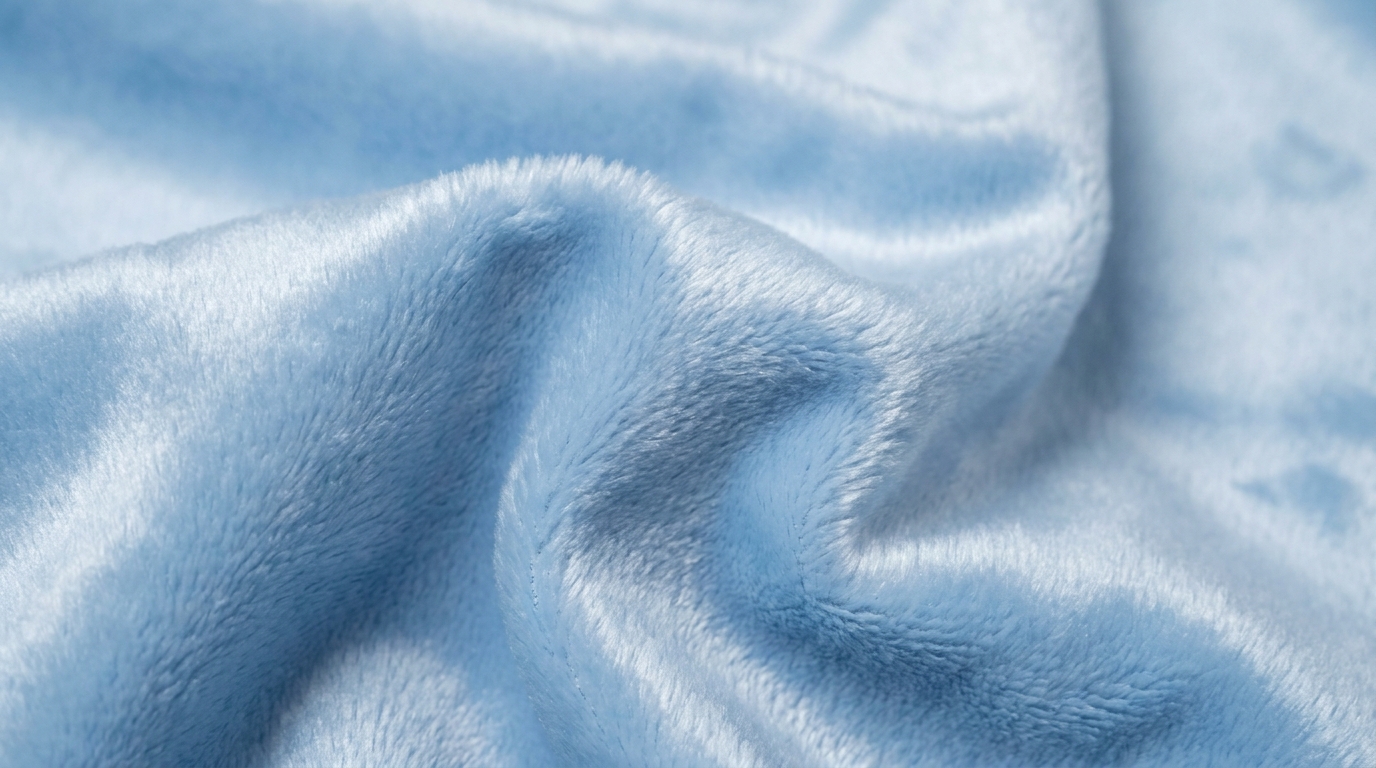
To make the right choice between these textiles, you need to know exactly what you are working with. minky fabric is an ultra-soft, 100% synthetic polyester textile. It features a short, dense pile. This pile usually measures just 1 to 2 millimeters in height. It delivers a signature silky-smooth finish.
What is Minky Fabric?
Manufacturers originally engineered this material to mimic the luxurious feel of real animal mink. You get all the premium softness without any ethical concerns. The synthetic fibers hold dye exceptionally well. This ensures vibrant colors do not fade after washing.
It is also highly desirable for sensitive skin. Because it uses synthetic polyester knit fibers, it is naturally hypoallergenic. It resists dust mites and traps fewer allergens than many natural wools. This makes it a top choice for minky baby blanket fabric and soothing sensory products.
Popular Types of Minky
Not all minky is exactly the same. Textile manufacturers like Jiangsu X-Texture Textile Technology Development Co., Ltd. (X-Texture) produce several variations. Founded in 2012, they specialize in high-quality plush textiles to suit different product designs. Here are the most common options available for your production line.
| Minky Type | Key Characteristics | Best Product Uses |
|---|---|---|
| Smooth/Flat Minky | The standard, sleek version. It provides uniform softness across the entire surface. | Ideal for sublimation printing, fine embroidery, and premium apparel linings. |
| Minky Dot (Dimple) | Features raised dots pressed securely into the fabric using heat. Never iron it, or the dots will permanently melt flat. | Perfect for sensory toys, tactile baby items, and cozy nursery decor. |
| Printed & Jacquard Minky | Uses advanced manufacturing for intricate, fade-resistant designs. Patterns are woven or printed directly into the fibers. | Great for custom IP merchandise, branded promotional plush, and high-end home textiles. |
Each type offers a distinct visual and tactile experience. Smooth minky provides a clean canvas for your branding. Dimple minky adds a playful texture. Jacquard options deliver elevated, complex patterns. Your final choice depends entirely on your target audience.
Understanding the Basics of Sherpa Fleece Fabric
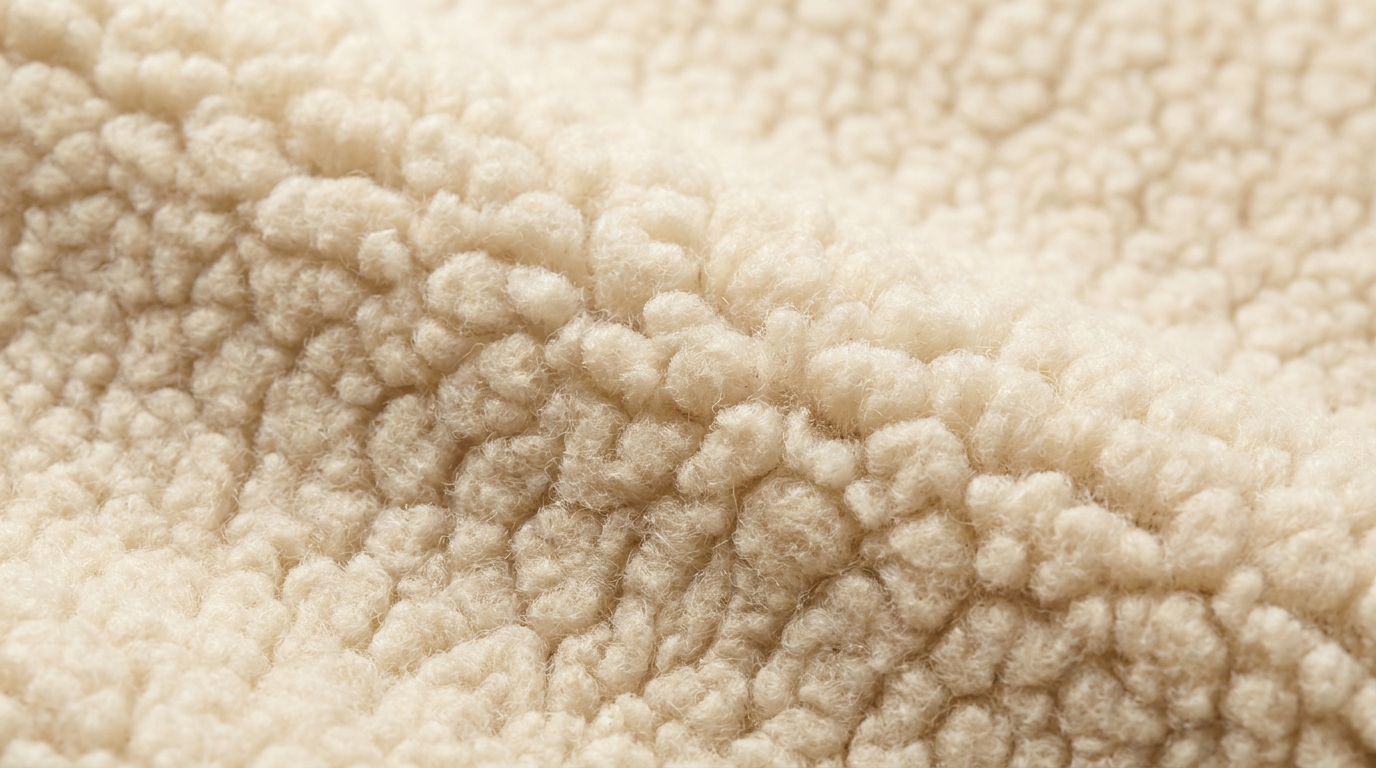
While minky provides a sleek finish, your product might need a more rugged aesthetic. This brings us to the other half of our plush fabric comparison. флисовая ткань шерпа is a heavyweight, synthetic knit textile. Manufacturers design it to replicate real sheep’s wool. You will often hear people call it faux shearling. Unlike the flat surface of minky, sherpa features a bumpy, nubby texture. This unique material is distinctly dual-sided. One side consists of a smooth knit base. The reverse side holds the textured, curly fleece. Manufacturers typically knit this material from polyester, acrylic, or a custom blend.
Sourcing high-quality material is crucial for your production line. As an established manufacturer founded in 2012, Jiangsu X-Texture Textile Technology Development Co., Ltd. (X-Texture) produces premium sherpa. They specialize in double-sided flannel fleece and S-warm Tec self-heating fabrics. This expertise ensures consistent quality for your garments and blankets.
The Secret Behind Sherpa Warmth
If you are asking, “Minky vs Sherpa: Which plush fabric is right for your product?”, understanding thermal properties is crucial. The primary reason brands choose sherpa is its exceptional insulation. The secret lies entirely in its physical structure. The curly, uneven fibers create tiny air pockets. These pockets trap body heat incredibly well. They deliver maximum sherpa warmth without adding heavy bulk.
When compared to traditional wool, synthetic sherpa is significantly lighter. The synthetic material also dries much faster after washing. Because it uses synthetic fibers, it retains its insulating properties even when damp. This warm-when-wet feature makes it ideal for extreme cold weather gear. It remains highly breathable while keeping the user comfortable. This thermal efficiency is why many brands combine both materials. They often create a premium double sided minky sherpa blanket. You get visual appeal on the outside and rugged insulation on the inside.
Minky vs Sherpa: An In-Depth Plush Fabric Comparison
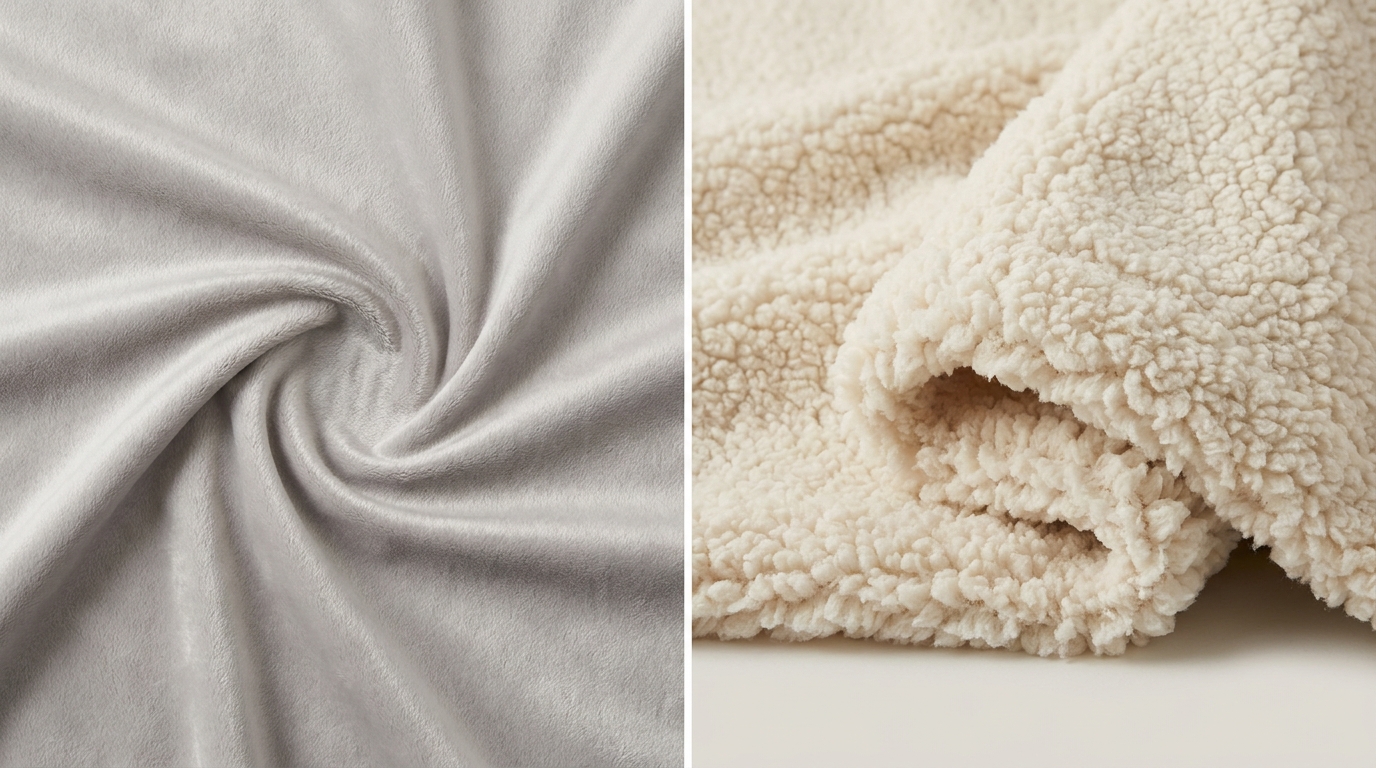
We just explored how combining these materials creates the ultimate double sided minky sherpa blanket. But what if your product design only calls for one? You might be asking, “Minky vs Sherpa: Which plush fabric is right for your product?” To make the best choice, you must evaluate them side by side. Let us dive into a direct plush fabric comparison to see which textile fits your needs.
Texture, Softness, and Touch Feel
Touch is everything in the textile industry. Your customers will judge a product the moment they feel it. Minky delivers a silky, fluid glide. Its ultra-soft, 1 to 2 mm short fibers create a smooth, luxurious finish. This makes it a top choice for high-end baby gifts.
Sherpa offers a completely different experience. It feels rustic, fluffy, and incredibly cozy. The bumpy, nubby texture mimics a cloud-like sheepskin. This contrast directly influences consumer perception. Buyers link minky to premium luxury and soothing comfort. They view sherpa as the go-to material for rugged winter aesthetics.
Warmth, Insulation, and Breathability
Both synthetic textiles keep users warm. However, they do it quite differently. As we covered earlier, sherpa warmth feels immediate. Its curly fibers create tiny air pockets. These pockets trap body heat the second you put it on. It acts like a heavy winter coat. It blocks out the cold instantly.
Minky provides a more breathable, draping warmth. It lacks the deep air pockets of faux shearling. Because it lies flat, it allows slight air circulation. This prevents overheating during mild weather. If your product must survive freezing temperatures, sherpa wins. If you want a lightweight layer for cool evenings, choose minky.
Weight (GSM) and Fabric Drape
Fabric weight dictates how your final product hangs and moves. Manufacturers measure this using Grams per Square Meter, or GSM. Higher GSM means a thicker, heavier fabric.
- Minky GSM: Typically ranges from 200 to 400. It feels dense but remains highly flexible.
- Sherpa GSM: Usually falls between 250 and 500. This depends entirely on the pile density.
This weight difference drastically affects fabric drape. Minky flows and drapes easily over the body. It conforms perfectly to different shapes. This makes it ideal for apparel linings and soft toys. Sherpa tends to have a stiffer, more structured body. It holds its shape very well. This structure is excellent for rugged jackets and pet beds.
Durability, Pilling, and Long-Term Wear
Your product must survive years of washing and daily use. Minky excels in long-term aesthetic durability. The short fibers naturally resist pilling. They maintain their sleek look after dozens of wash cycles. You only need to watch out for pressure marks during compressed shipping.
Sherpa requires much more careful engineering. Lower-quality faux fleece often suffers from matting and flattening. The curly fibers can clump together over time. Fiber density plays a massive role in preventing this issue. High-density sherpa maintains its fluffy structure much longer.
This is where your manufacturing partner matters. X-Texture produces premium double-sided flannel fleece and sherpa. They use strict quality controls to ensure high fiber density. Their construction reduces the risk of long-term matting. Choosing a reliable supplier keeps your products visually appealing.
| Характеристика | Минки | Шерпа |
|---|---|---|
| Текстура | Silky, smooth, 1-2mm pile | Bumpy, nubby, faux wool |
| Drape | Fluid and highly flexible | Structured and somewhat stiff |
| Долговечность | High resistance to pilling | Prone to matting if low density |
Manufacturing and Production Considerations
You now understand how fiber density affects long-term durability. Next, you must look at how these materials behave on the factory floor. When asking, “Minky vs Sherpa: Which plush fabric is right for your product?”, production logistics play a massive role. The right choice directly impacts your budget, timeline, and product design.
Cost Structure and MOQ Impacts
Budgeting for plush fabrics requires careful planning. Manufacturers often use velboa as the industry baseline for pricing. Minky typically increases your raw material costs by 20 to 40 percent compared to velboa. Sherpa pricing runs similar to minky. It can even cost slightly more depending on the required pile density.
These material costs directly affect your Minimum Order Quantity (MOQ). Factories must balance the expense of raw materials and machine setup. Minky projects often require an MOQ of 500 to 1,000 pieces. Custom dyeing pushes these numbers higher. If you need a specific Pantone color, factories must dye large fabric batches. This requirement scales up your minimum order size.
Embroidery and Printing Compatibility
Your product design might feature logos, patterns, or detailed faces. Fabric choice dictates how well these decorations turn out. Minky is vastly superior for detailed work. Its short, 1 to 2 mm pile creates a smooth surface. This flat canvas handles high-resolution sublimation printing beautifully. It also supports crisp, clean embroidery.
Sherpa presents major challenges for decoration. Its bumpy, uneven texture distorts printed images. Fine embroidery stitches sink into the high pile and disappear. You cannot use sherpa for small-scale logos or detailed facial features.
We recommend a hybrid approach for complex designs. Use a flat fabric like velboa for the detailed face or logo area. You can then use minky or sherpa for the main body. This method protects your embroidery integrity while maintaining a cozy feel.
Quality Control and Batch Consistency
Mass production requires strict consistency across thousands of units. Minky offers excellent stability during manufacturing. It delivers predictable color matching across bulk batches. The flat pile also ensures clean, uniform cutting.
Sherpa introduces much higher variability during mass production. The artificial curl density often shifts between production runs. Fiber direction can also change unexpectedly on the cutting table. Because of this texture variability, sherpa sampling usually requires one or two additional revisions. This back-and-forth adds five to seven days to your production timeline.
Working with an experienced manufacturer minimizes these risks. X-Texture has specialized in plush and fleece fabrics since 2012. They produce GRS printed flannel, jacquard flannel, and premium sherpa. Their deep expertise ensures your sherpa batches maintain consistent curl and density. They handle the complex sampling process efficiently. This keeps your production schedule on track.
| Production Factor | Ткань минки | Ткань шерпа |
|---|---|---|
| Cost vs Velboa Baseline | Increases cost by 20 to 40% | Similar to minky or slightly higher |
| Sampling Timeline | Standard schedule | Adds 5 to 7 days for revisions |
| Decoration Ability | Excellent for printing and embroidery | Unsuitable for fine details |
| Batch Consistency | Highly stable and predictable | Requires strict quality control |
Best Applications: Choosing the Right Fabric for Your Product
You know how these materials behave on the factory floor. You understand their impact on your production budget. Now, let us look at where they actually belong on retail shelves. Answering “Minky vs Sherpa: Which plush fabric is right for your product?” comes down to the end user. Different items demand specific sensory and functional traits. We will explore the best applications for each textile.
Why Minky Baby Blanket Fabric is the Industry Standard
Parents demand absolute safety and comfort for infants. This makes minky the undisputed champion for nursery items. As we covered earlier, its synthetic polyester knit is naturally hypoallergenic. It resists dust mites and keeps allergens away from sensitive skin. This extreme softness makes it the perfect minky baby blanket fabric.
Toddlers also benefit heavily from these materials. Minky dot, or dimple minky, provides excellent tactile feedback. The raised bumps encourage sensory exploration during early development. Manufacturers frequently use this specific texture for soothing toys and security blankets. It gives children a safe, engaging surface to touch.
Apparel, Outerwear, and Jacket Linings
Winter fashion relies heavily on rugged insulation. Sherpa dominates this category. Brands use it extensively for jacket collars and full interior linings. It mimics real sheepskin perfectly. It traps heat efficiently while keeping the garment lightweight. You will see it constantly in extreme cold weather gear.
Minky serves a completely different purpose in the apparel industry. It lacks the bulky air pockets of faux shearling. This makes it ideal for indoor comfort. Designers use it for premium pajamas, loungewear, and luxury robes. It drapes beautifully over the body. It provides a sleek, fluid fit.
Sourcing the right material elevates your clothing line. X-Texture supplies premium textiles for these exact garments. They produce S-warm Tec self-heating fabrics and double-sided flannel fleece. These specialized materials enhance bedding and pajama lines globally. They ensure your indoor apparel remains incredibly cozy.
Plush Toys and Pet Accessories
The toy and pet industries highlight another clear divide. High-end plush toys require intricate details. Minky handles fine embroidery and sublimation printing flawlessly. Its short pile keeps facial features crisp and legible. You will find it on premium IP merchandise and collectible figures.
Pet accessories face much harsher conditions. Dogs and cats need durable, engaging textures. Sherpa excels here. Its bumpy, nubby surface stimulates pets during play. It works perfectly for chew toys and rugged pet beds. The structured drape holds up well to scratching and nesting.
| Категория продукта | Ideal Minky Applications | Ideal Sherpa Applications |
|---|---|---|
| Nursery & Baby | Security blankets, sensory toys, crib sheets | Winter stroller linings, heavy sleep sacks |
| Apparel & Fashion | Luxury robes, premium pajamas, loungewear | Jacket collars, winter coat linings, boots |
| Toys & Pets | Detailed IP merchandise, collectible plushies | Durable pet beds, textured chew toys |
We just explored how these fabrics serve very different product categories. You might use one for premium toys and another for rugged pet beds. Any thorough plush fabric comparison reveals distinct strengths for both materials. But what if your customers want the best of both worlds? If you are still debating minky vs sherpa, you do not always have to choose just one.
The Ultimate Combo: The Double Sided Minky Sherpa Blanket
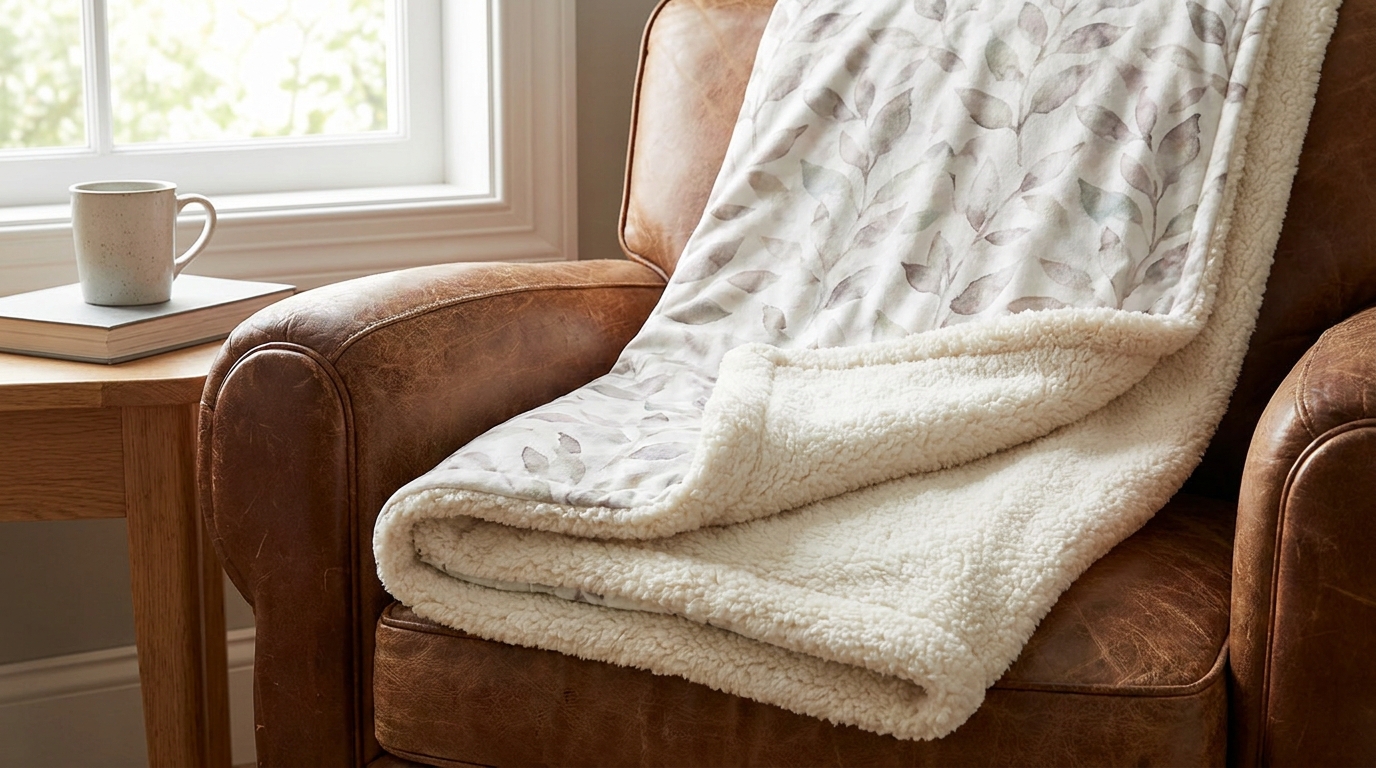
Consumer demand for hybrid textiles is growing rapidly. Buyers want visually stunning designs on the outside. They also expect maximum insulation on the inside. This rising expectation makes the double sided minky sherpa blanket a massive retail success. It perfectly blends luxury aesthetics and raw thermal performance.
Benefits of Bonding Minky and Sherpa
Combining these two textiles solves multiple design challenges at once. You get the smooth, printable surface of minky on the top layer. This allows for vibrant patterns and crisp embroidery. The bottom layer utilizes the curly, nubby texture of faux shearling. As we covered earlier, those tiny air pockets deliver extreme sherpa warmth.
Manufacturers join these distinct materials using a specialized bonding process. They do not just sew the edges together. Instead, factories use heat and eco-friendly adhesives to laminate the layers. This lamination fuses the two fabrics into a single cohesive piece. It prevents the layers from shifting or sliding against each other during use. The result is a heavy, premium product feeling incredibly unified.
| Composite Layer | Fabric Used | Primary Benefit to the User |
|---|---|---|
| Top (Face) Layer | Printed or Smooth Minky | Provides a silky touch and vibrant, fade-resistant visual appeal. |
| Bottom (Back) Layer | High-Density Sherpa | Traps body heat efficiently and delivers rugged, cloud-like insulation. |
| Center (Bonding) | Lamination Adhesive | Fuses the layers securely to prevent internal sliding or bunching. |
X-Texture’s Expertise in Double-Sided Flannel Fleece and Composites
Creating a flawless composite fabric requires highly advanced manufacturing. Poorly bonded blankets often suffer from layer separation after a few washes. This ruins the product structure and destroys consumer trust. You need a partner capable of executing this lamination perfectly.
Jiangsu X-Texture Textile Technology Development Co., Ltd. (X-Texture) excels in this exact process. Founded in 2012, we are a premier plush and fleece fabric manufacturer located in Jiangsu, China. We specialize in premium double-sided flannel fleece and complex composites. Our advanced facilities handle high-quality lamination daily. We securely bond minky, sherpa, and our exclusive S-warm Tec self-heating fabrics.
We use strict quality controls to prevent layer separation entirely. Our custom composite blankets withstand heavy washing and long-term use. We ensure the adhesive remains flexible. This keeps the final product draping naturally over the body. Choosing an expert manufacturer guarantees your hybrid blankets maintain their premium feel for years.
Care and Maintenance for Plush Fabrics
We just explored how bonding these materials creates the ultimate composite blanket. But once your customers take these premium items home, proper care becomes vital. When evaluating minky vs sherpa for long-term use, maintenance plays a huge role. Proper washing instructions define the lifespan of your product.
How to Wash Minky Without Losing Softness
Whether you sell standalone apparel or a layered blanket, washing techniques matter. Minky requires specific care to maintain its silky touch. The short, dense pile consists entirely of synthetic polyester. It responds very poorly to harsh chemicals. You must provide clear instructions to your end users.
Share this step-by-step washing process to protect the fabric:
- Wash the item in cold water only.
- Select a gentle or delicate machine cycle.
- Use a standard, mild liquid detergent.
- Never use fabric softeners or dryer sheets.
You must strictly avoid fabric softeners. These chemical products coat synthetic fibers in a waxy residue. This buildup destroys the material’s ultra-soft feel. It turns a luxurious blanket into a stiff, sticky mess.
Heat acts as the absolute enemy of this textile. High temperatures will permanently melt or singe the synthetic knit fibers. If your product features minky dot, hot water will completely flatten the embossed pattern. You should always air dry these items. If you must use a machine, select the strict air-fluff or no-heat setting.
Preventing Matting in Sherpa Fleece
Faux shearling requires a slightly different maintenance approach. As we covered earlier, its nubby texture closely mimics sheep’s wool. This curly structure traps heat beautifully. However, it also makes the material prone to matting. Friction and improper washing cause the fibers to clump together over time.
You can prevent this issue easily. Always wash sherpa products completely separately. Washing them alongside heavy denim creates excess friction. This friction severely damages the fluffy pile. Use cold water and a gentle cycle for the best results.
Drying technique matters even more for this specific material. You want to air dry these products whenever possible. If you need a faster option, use a strict low-heat tumble dry. High heat melts the curly fibers into a hard, scratchy surface.
If the fleece begins to look flat, you can easily revive it. Use a soft-bristled pet brush or a wide-tooth comb. Gently brush the surface while the fabric remains slightly damp. This action separates the clumps and restores the original cloud-like appearance.
Sourcing your materials carefully makes maintenance much easier. Jiangsu X-Texture Textile Technology Development Co., Ltd. (X-Texture) produces premium textiles. We engineer our high-density sherpa and double-sided flannel fleece to resist severe matting. Our fabrics survive heavy washing cycles effortlessly. This durability ensures your products deliver lasting value to your customers.
Sourcing Premium Fabrics for Your Brand
Proper maintenance keeps your products looking new, but long-term durability always starts on the factory floor. Choosing the right manufacturing partner is just as critical as deciding between minky vs sherpa for your next product line. You need a reliable supplier to guarantee consistent fiber density, vibrant colors, and flawless composite lamination.
Why Partner with Jiangsu X-Texture Textile Technology
Jiangsu X-Texture Textile Technology Development Co., Ltd. (X-Texture) is a premier plush and fleece fabric manufacturer. We are located in the textile hub of Jiangsu, China. Since our founding in 2012, we have focused entirely on custom OEM and ODM manufacturing. We help brands scale their premium blankets, bedding, pajamas, and garments globally.
We maintain a massive, comprehensive product catalog to support your exact design requirements. Our facilities produce everything from standard smooth minky to high-density sherpa. We also manufacture luxurious faux fur and intricate jacquard flannel. We enforce strict quality control measures across every single production run. This guarantees your bulk batches match your approved samples perfectly.
| Fabric Category | Key Manufacturing Benefits | Ideal End Products |
|---|---|---|
| Minky & Sherpa | Consistent pile height and high fiber density. | Baby items, pet beds, and winter linings. |
| Jacquard & Faux Fur | Complex woven patterns and premium textures. | Luxury home decor and high-end fashion. |
| Двусторонняя фланель | Secure lamination and uniform softness. | Premium composite blankets and outerwear. |
Eco-Friendly and Innovative Textile Solutions
Modern consumers care deeply about environmental impact. They want cozy products without excessive waste. We actively support your brand’s sustainability goals through responsible manufacturing practices. We proudly offer GRS (Global Recycled Standard) printed flannel options. These eco-friendly materials allow you to create stunning, fade-resistant designs. They help you reduce your carbon footprint simultaneously.
Innovation at X-Texture goes far beyond basic sustainability. Standard insulation might not be enough for your specific target audience. We developed our exclusive S-warm Tec self-heating fabrics for this exact reason. This advanced textile technology actively retains and amplifies body heat.
- GRS Printed Flannel: Delivers eco-conscious luxury without sacrificing visual appeal.
- S-warm Tec Fabrics: Provides a massive competitive advantage for extreme weather garments.
- Custom Composites: Blends innovative heating layers into standard plush materials seamlessly.
Any thorough plush fabric comparison shows how rapidly consumer expectations are evolving. Partnering with an innovative manufacturer ensures your product line stays ahead of these trends. We give you the exact tools needed to elevate your winter bedding and apparel collections.
Заключение
Your choice between minky and sherpa depends on the product. Minky delivers silky softness and vibrant prints. Sherpa provides a rugged texture and intense warmth. Combine both fabrics for the ultimate cozy experience.
- List your specific design and durability requirements.
- Review your budget and target manufacturing costs.
- Contact X-Texture to source your perfect plush fabric.
Frequently Asked Questions About Minky vs Sherpa
Can you wash minky and sherpa fabrics in the machine?
Yes, you can easily machine wash both of these synthetic fabrics at home without causing any damage. Always use cold water to protect the delicate synthetic fibers from melting. Never use fabric softeners because they will permanently ruin the ultra-soft feel. Do not iron your plush textile products under any circumstances. High heat melts polyester and flattens the plush textures permanently.
Why is minky fabric so hard to sew?
Minky is notoriously slippery and stretches quite easily during the sewing process. It also produces excessive lint when you cut the fabric panels. To make sewing much easier, always use a 90/14 ballpoint sewing needle and attach a walking foot. A walking foot helps prevent the slippery fabric layers from shifting unexpectedly. Pin your fabric heavily before starting your next plush sewing project.
Does sherpa fabric mat or clump over time?
Lower-quality sherpa fabrics can mat or clump together after multiple machine washes. Follow the proper care instructions carefully to keep your fabric looking fresh. Avoid using high heat in your washing machine or your tumble dryer. Do not use vacuum-sealed packaging when shipping your bulk sherpa product orders. Compressed bags can cause permanent fiber deformation during long shipping transit times across different climate zones.
Are synthetic plush fabrics safe for sensitive skin?
Yes, synthetic plush materials are generally very safe for highly sensitive skin. Fabrics like minky and sherpa are completely hypoallergenic and gentle to touch. They offer a fantastic alternative to traditional real animal wool products. Real animal wool can sometimes cause unwanted allergic reactions for sensitive users. X-Texture produces high-quality fabrics that are absolutely perfect for creating skin-friendly bedding and cozy winter garments.
Which fabric is better for detailed embroidery?
Minky is perfectly acceptable for adding simple and large embroidery designs. However, its dense pile height can easily obscure sharp printing details. Sherpa is extremely bulky and completely unsuitable for any kind of small-scale or highly detailed embroidery work. Consider using a low-pile fabric for highly detailed logos or facial features. This strategy ensures your specific design remains crisp and easy to read.
Choosing between minky and sherpa depends entirely on your specific product requirements and target audience preferences. Minky offers an ultra-soft touch that is absolutely perfect for baby blankets. Sherpa provides a rugged, wool-like texture ideal for warm winter garments. Both synthetic fabrics require careful handling during bulk production and routine washing. X-Texture provides premium minky and sherpa options to elevate your textile projects. Select the right material to ensure your final product is durable and cozy.
- Request fabric samples directly from X-Texture to compare the different textures yourself.
- Test your specific embroidery designs on both materials before starting bulk production.
- Review your current packaging strategy to prevent crushed fibers during long shipping.
- Update your product care labels with strict cold water machine washing instructions.