


In the world of cozy textiles, Minky fleece fabric and Sherpa fleece fabric stand out as two of the most popular materials for blankets, clothing, baby products, and home decor.
They both provide warmth, softness, and comfort — yet they differ significantly in texture, composition, application, and overall feel.
Understanding these differences is essential for manufacturers, designers, and consumers who want to choose the right fabric for a particular product or purpose.
Let’s take a deep look at what makes Minky and Sherpa fleece fabrics unique.
What Is Minky Fleece Fabric?
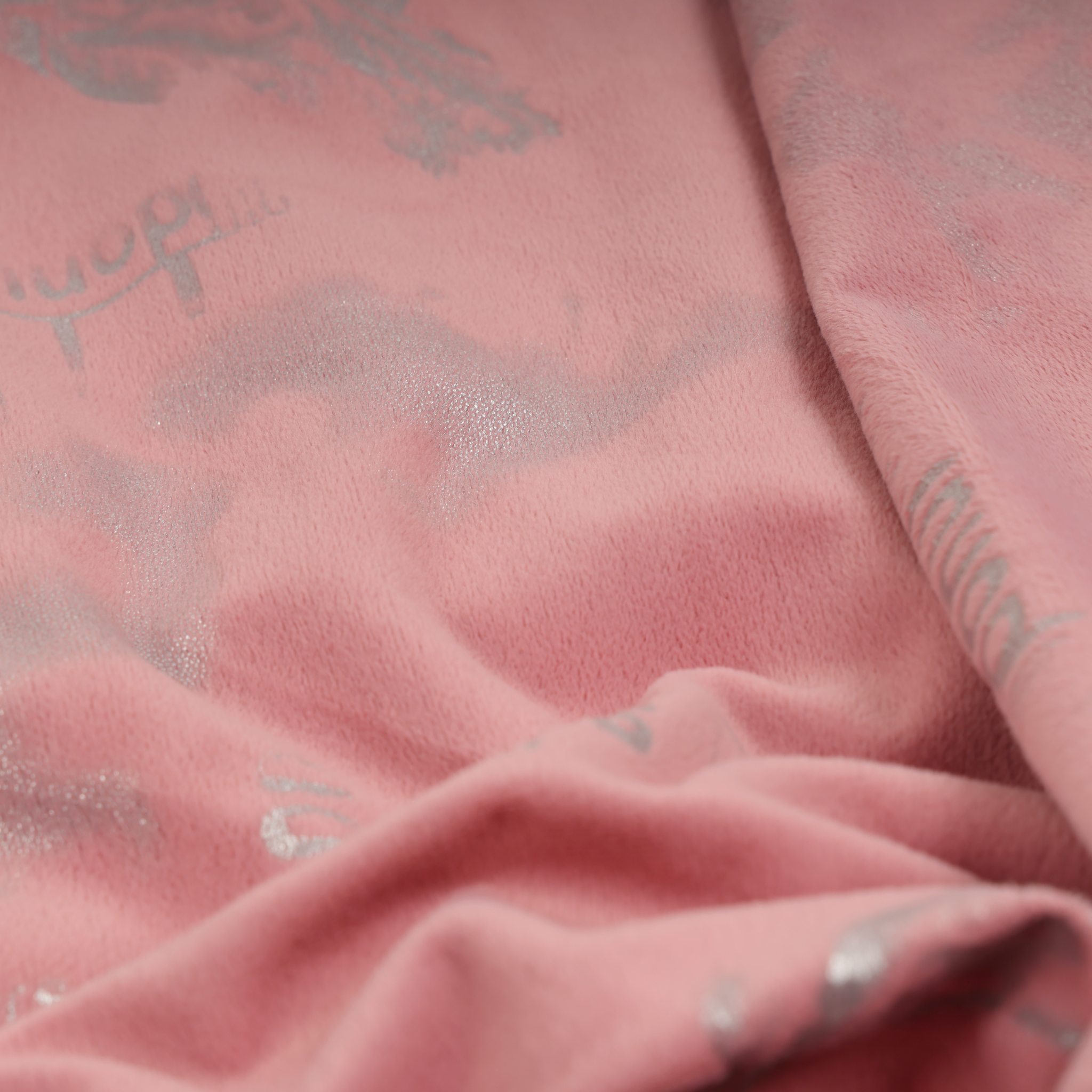
Minky Fleece Fabric(sometimes called “plush fleece”) is a synthetic fabric made primarily from 100% polyester fibers, known for its exceptional softness, silky touch, and luxurious sheen.
Originally developed for baby blankets and plush toys, Minky fabric has now become a staple in bedding, apparel, and home accessories.
Key Characteristics of Minky Fleece Fabric:
- Made from microfiber polyester, typically brushed or knitted for a velvety surface.
- Extremely soft, smooth, and lightweight.
- Retains warmth without being overly bulky.
- Stretchable and durable, resistant to wrinkles.
- Available in various textures: dimple dot, smooth, embossed, printed, or cuddle styles.
Because of its plush and soothing texture, Minky fabric is often described as feeling like “soft baby skin” — making it a favorite choice for infant blankets, robes, and stuffed toys.
What Is Sherpa Fleece Fabric?
Sherpa fleece is a synthetic wool-like fabric, named after the Sherpa people of the Himalayas, whose traditional clothing inspired its warm, fluffy texture.
It is designed to mimic the feel and appearance of sheepskin or wool, offering excellent insulation and a thick, cozy pile.
Key Characteristics of Sherpa Fabric:
- Made from polyester fibers, sometimes blended with acrylic or cotton.
- Features a two-sided structure: one side has a smooth knit base, while the other has a fluffy, wool-like pile.
- Known for being extremely warm, breathable, and soft.
- Commonly used as a lining material in jackets, coats, blankets, and hoodies.
- Provides a matte, natural look similar to fleece wool.
Sherpa fleece is often used as the inner layer of winter garments or blankets, providing the insulating warmth that keeps users cozy in cold weather.

Production Process: Minky fleece fabric vs. Sherpa fleece fabric
While both fabrics are made from polyester, their manufacturing techniques differ, resulting in distinctive textures and performance characteristics.
| Aspect | Minky Fleece Fabric | Sherpa Fleece Fabric |
| Raw Material | 100% microfiber polyester | Polyester, sometimes cotton or acrylic blend |
| Manufacturing Method | Knitted and brushed to create a dense, velvety pile | Knit with a fluffy, wool-like pile on one side |
| Surface Finish | Smooth, shiny, short fibers | Textured, curly, or wooly fibers |
| Fabric Weight | Lighter (200–300 gsm) | Heavier (300–450 gsm) |
| Stretchability | High elasticity | Low elasticity |
| Durability | Strong, tear-resistant | Durable but more prone to pilling |
| Feel | Silky, smooth | Fluffy, cozy, wool-like |
Minky’s micro-knit and fine fiber construction give it a sleek feel, whereas Sherpa’s loopy pile mimics natural wool for enhanced warmth and breathability.
Main Differences Between Minky fleece fabric and Sherpa fleece Fabrics
Here’s a closer look at how these two popular fleece materials compare across multiple factors:
- Texture:
Minky is smooth and silky, while Sherpa feels thick and fluffy, more like wool.
- Warmth:
Sherpa provides superior insulation, making it ideal for cold climates.
- Weight:
Minky is lighter and more breathable, suitable for year-round use.
- Appearance:
Minky has a luxurious shine, Sherpa has a matte, rustic look.
- Purpose:
Minky is great for baby blankets and decorative throws; Sherpa excels in linings, winter wear, and thermal bedding.
Applications: Where Are They Used?
Both Minky and Sherpa fleece are highly versatile, but their end uses differ depending on texture, warmth, and aesthetic preference.
| Application | Minky Fabric | Sherpa Fabric |
| Baby Products | Baby blankets, plush toys, bibs | Baby sleeping bags, stroller blankets |
| Apparel | Robes, pajamas, scarves | Jackets, hoodies, linings |
| Home Textiles | Decorative throws, cushion covers | Winter blankets, comforters |
| Pet Accessories | Pet beds, soft mats | Pet jackets, kennel liners |
| DIY Crafts | Quilting, stuffed toys | Costume making, winter accessories |
Minky is favored for its silky comfort and color variety, while Sherpa is chosen for heavy-duty warmth.
Advantages of Minky Fleece Fabric
- Luxuriously Soft Feel – Feels smooth and silky against the skin.
- Lightweight but Warm – Retains heat without heaviness.
- Vibrant Color Options – Available in printed, embossed, and dyed styles.
- Durable and Elastic – Resists deformation after washing.
- Hypoallergenic – Gentle on sensitive skin, ideal for babies.
- Low Maintenance – Machine washable and quick drying.
Advantages of Sherpa Fleece Fabric
- Exceptional Warmth – Excellent thermal insulation, ideal for cold weather.
- Natural Wool Feel – Soft, fluffy, and cozy texture.
- Highly Breathable – Allows moisture to escape, keeping users comfortable.
- Good for Layering – Often paired with outer fabrics like flannel or denim.
- Cost-Effective Alternative to Wool – Similar warmth at a fraction of the cost.
- Sustainable Options – Available in recycled polyester varieties.
Which Fabric Is Warmer?
Between the two, Sherpa fleece is warmer due to its thicker pile and air-trapping structure.
The fluffy texture creates insulation pockets that retain body heat effectively — perfect for winter coats, hoodies, or thermal blankets.
Minky fleece, while warm, is designed more for comfort and softness than extreme insulation.
Which Is Better for Baby Products?
For infant use, Minky fabric is generally preferred because:
It’s ultra-soft and hypoallergenic.
It does not shed or irritate sensitive skin.
It feels soothing, ideal for baby blankets and comforters.
However, Sherpa fabric is often used as an inner layer in winter baby sleeping bags or stroller covers, providing extra warmth.
Summary:
- Minky = comfort & softness
- Sherpa = warmth & insulation
Can Both Fabrics Be Machine Washed?
Yes — both Minky and Sherpa fleece are machine washable, but require gentle care to maintain softness.
Washing Tips:
- Use cold or lukewarm water.
- Choose mild detergent, no bleach or fabric softener.
- Avoid high heat drying — tumble dry low or air dry.
- For Sherpa, brush lightly after drying to restore fluffiness.
With proper care, both fabrics maintain their texture for years.
Are Minky and Sherpa Fabrics Eco-Friendly?
Traditionally, both are made from synthetic polyester, which is not biodegradable.
However, many manufacturers now use recycled polyester fibers (rPET) to make eco-friendly fleece fabrics.
Eco-conscious production methods include:
- Waterless dyeing technologies.
- Low-emission polyester processing.
- Recycling post-consumer plastic bottles into fiber.
Therefore, Minky and Sherpa fabrics can be sustainable if sourced from certified eco-friendly suppliers.
Do They Shed or Pill?
High-quality Minky and Sherpa fabrics do not shed or pill easily, especially when properly washed.
However:
- Low-grade Sherpa can lose fibers after repeated washing.
- Using gentle cycles and no fabric softener prevents pilling.
Manufacturers often apply anti-pilling and anti-static finishes for premium fleece products.
Are They Prone to Static?
Yes, both can build up static electricity — especially in dry winter climates.
To minimize static:
- Use a humidifier indoors.
- Avoid tumble drying on high heat.
- Apply anti-static spray or dryer sheets if necessary.
Minky’s denser surface tends to accumulate less static than Sherpa’s open pile.
Can They Be Printed or Customized?
Absolutely.
Minky fabric, in particular, is highly customizable — it can be digitally printed, embossed, or patterned with vibrant designs.
Sherpa fabric is less suited for detailed prints but can be dyed in solid colors or used as a lining material with contrasting fabrics.
This makes Minky the better choice for branding, gifts, or personalized blankets, while Sherpa works best for functional warmth.
Which Countries Have the Highest Demand?
The global demand for Minky and Sherpa fabrics is concentrated in markets that experience cold or seasonal climates and have strong home textile and baby product industries.
| Region | Market Demand Trend | Key Applications |
| North America (U.S., Canada) | High | Blankets, baby products, apparel |
| Europe (U.K., Germany, France) | High | Winter wear, home textiles |
| Asia-Pacific (China, Japan, South Korea) | Growing | Plush toys, bedding, upholstery |
| Australia & New Zealand | Moderate | Home décor and lightweight blankets |
| Middle East | Low | Seasonal apparel, export production |
North America and Europe remain the largest consumers, while China and Vietnam are the top manufacturing bases due to low-cost production and export demand.
Market Size and Industry Trends
The global fleece fabric market — including both Minky and Sherpa varieties — is expanding rapidly, driven by consumer comfort trends and sustainable textile innovations.
| Fabric Type | Estimated Market Share (2024) | CAGR (2024–2030) | Key Drivers |
| Minky Fleece | ~45% | 6.5% | Baby textiles, customization, plush toys |
| Sherpa Fleece | ~35% | 7.2% | Winter clothing, outdoor gear, blankets |
| Other Fleeces (Polar, Coral) | ~20% | 4.8% | Low-cost apparel, budget bedding |
Both fabrics benefit from the “comfortwear” and “home cozy” trends dominating the textile market after 2020.
Consumers now prioritize soft-touch, easy-care, and ethical sourcing, fueling demand for premium fleece materials.
Conclusion
So, what is the difference between Minky fleece fabric and Sherpa fleece fabric?
| Feature | Minky Fleece | Sherpa Fleece |
| Texture | Silky, smooth | Fluffy, wool-like |
| Warmth | Moderate | High |
| Weight | Lightweight | Thick and dense |
| Best For | Baby products, throws, plush toys | Winter jackets, linings, heavy blankets |
| Washability | Easy care, low lint | Needs gentle drying |
| Eco Options | Recycled polyester available | Recycled or blended options |
| Appearance | Luxurious shine | Natural matte look |
In summary:
- Choose Minky for softness, lightweight comfort, and aesthetic appeal.
- Choose Sherpa for superior warmth, insulation, and a natural wool-like feel.
Both fabrics have their unique strengths — and together, they define the modern standard of comfort, warmth, and style in the textile world.