
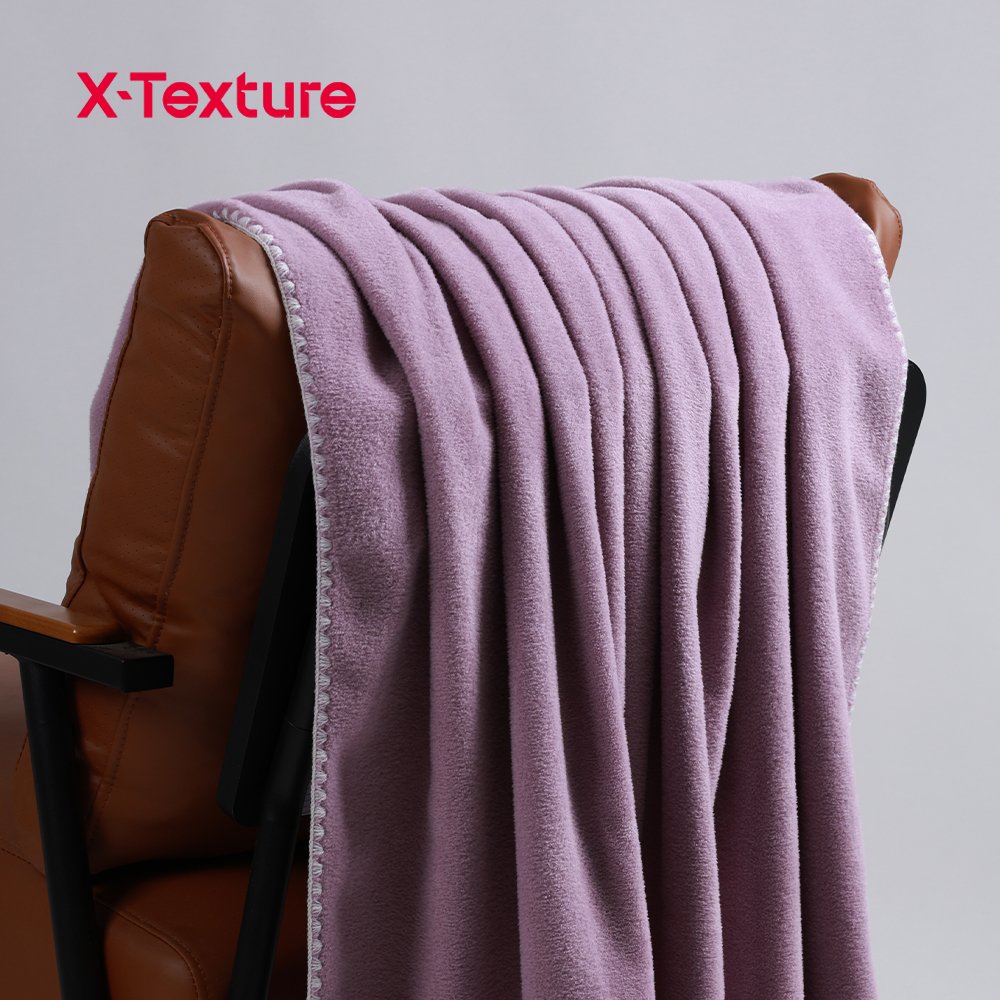
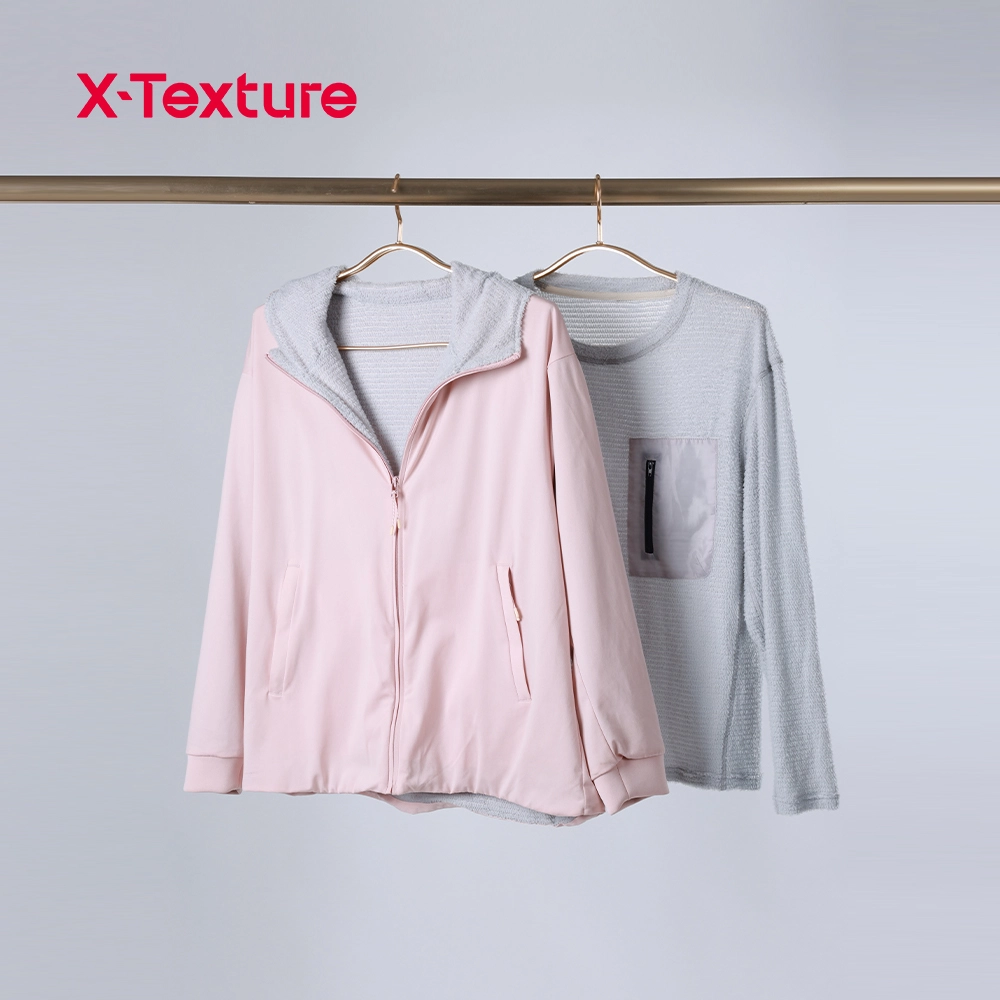
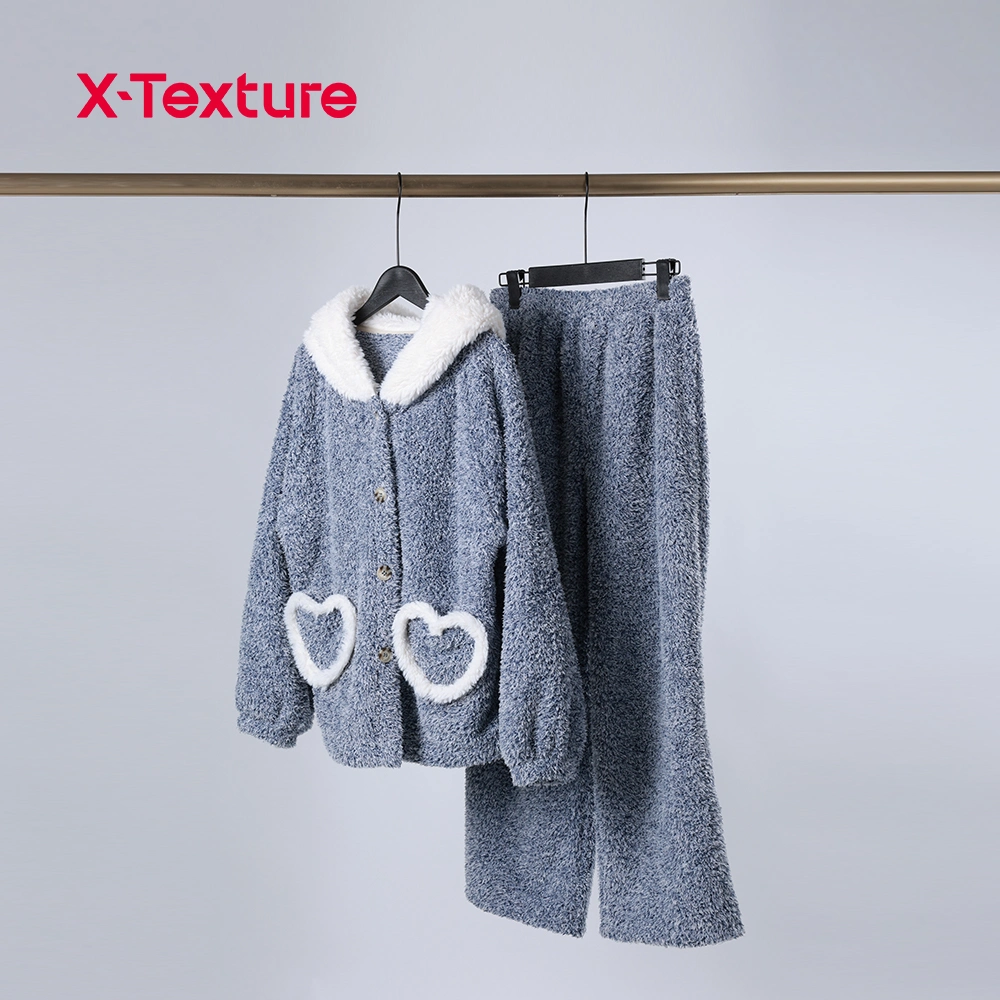
Have you ever worn pajamas to the store? Cozy home clothing is highly popular today.
However, many people still confuse different types of relaxing apparel.
In this post, you will learn the exact difference between loungewear and sleepwear.
We will help you build a better wardrobe.
What is Sleepwear?
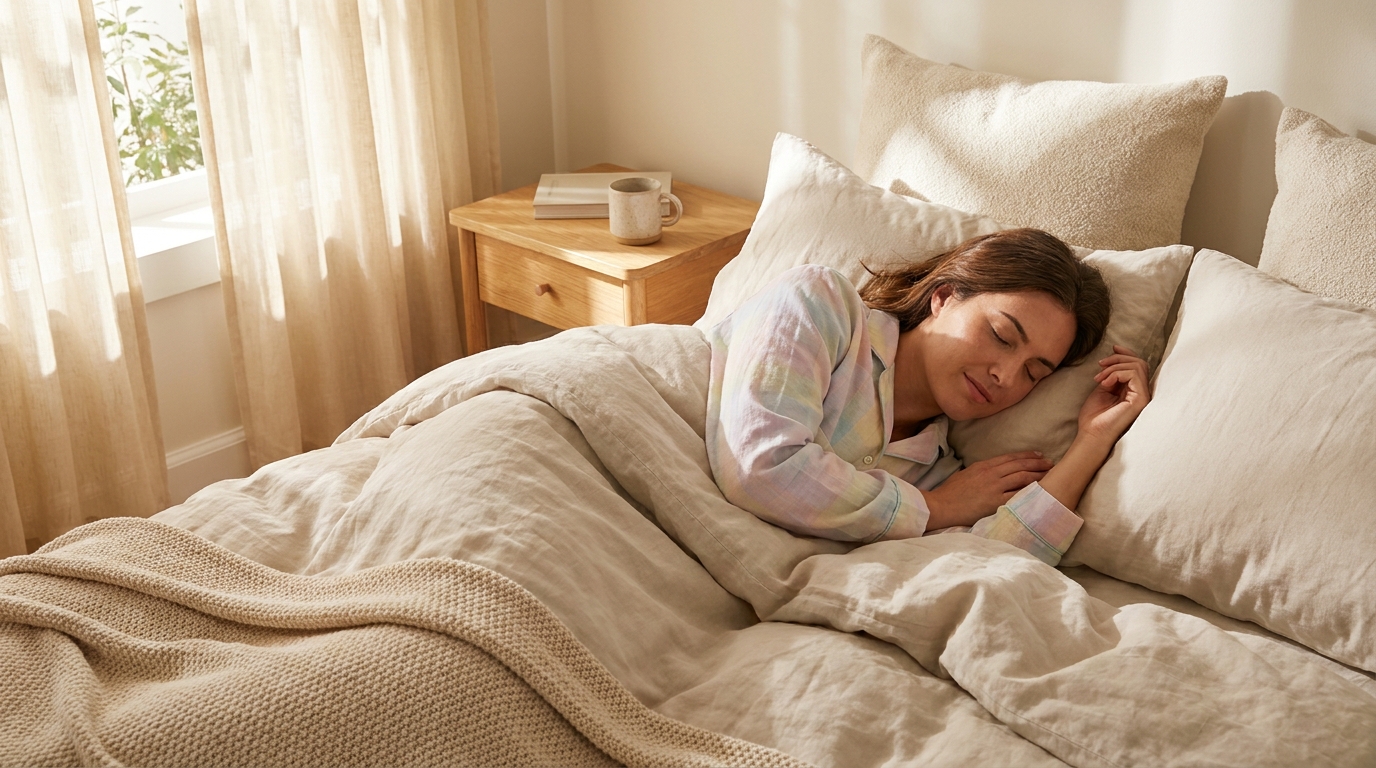
To fully grasp the difference between loungewear and sleepwear, we must define sleepwear first. Let us look closely at what you wear to bed.
Sleepwear consists of garments designed specifically for sleeping. Its primary purpose is quite simple. It helps you get a restful night by supporting your body during the actual sleep cycle. You do not wear it for active waking hours.
What makes a great sleep garment? Absolute comfort is the top priority. These specific clothes are typically loose-fitting. They allow unrestricted body movement while you toss and turn in bed.
Temperature regulation is another crucial feature. Your body temperature changes throughout the night. Good sleepwear helps you manage this shift. You might choose lightweight shorty sets for summer. Conversely, you could opt for thicker materials on cold winter nights.
Fabric safety is just as important as breathability. The materials sit directly against your skin all night. Many quality brands prioritize OEKO-TEX 100 certified materials. For example, textile manufacturers like X-Texture produce certified, eco-friendly fabrics. They utilize a 90% wastewater recycling rate and Bluesign® certified additives. This ensures your nighttime wardrobe is safe for your skin and the environment.
Common Types of Sleepwear
You will find many styles designed for sleepy nights. Finding the right one depends on your personal comfort needs.
Here are the most common options:
- Pyjama Sets: These feature matching tops and bottoms. They often come in long-sleeve or short-sleeve options. You can easily mix and match them to customize your thermal comfort.
- Nightshirts and Nightdresses: These one-piece garments offer maximum breathability. They remove restrictive waistbands completely from your body.
- Lightweight Sleep Shorts: Perfect for hot sleepers or warm climates. They keep you cool while providing minimal coverage.
- Hidden Support Vests: Many women struggle to find nightwear offering enough support. Modern sleep vests include built-in, light structure. They offer comfort without the tight restriction of a traditional bra.
While some people might wear fleece fabric bottoms to stay warm in bed, the rule remains the same. If it is made purely for sleeping, it belongs in this category.
What is Loungewear?
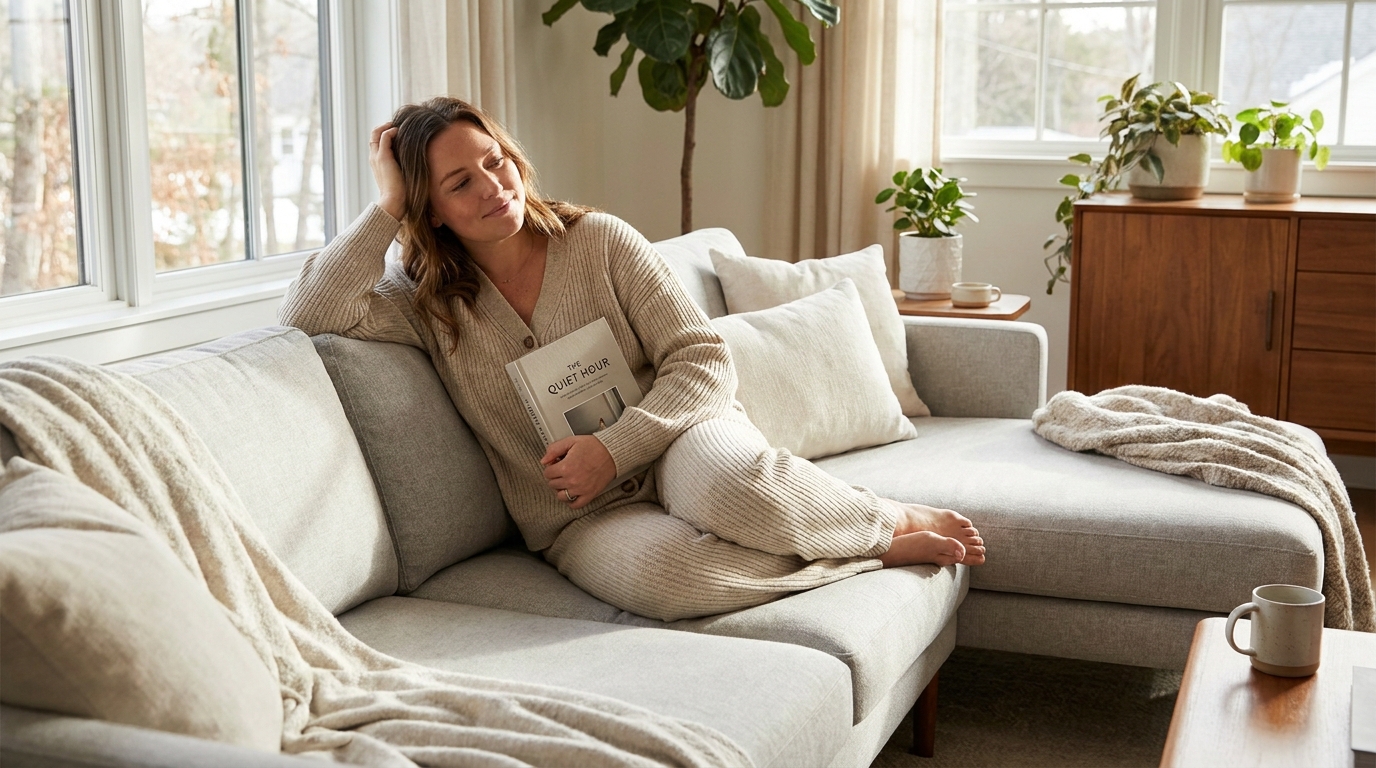
While sleep garments stay in the bedroom, other cozy clothes belong out in the open. This brings us to the other side of the difference between loungewear and sleepwear.
What exactly is loungewear? It bridges the gap between your pajamas and your street clothes. You wear it for daytime relaxation, working from home, and running casual errands. Think of it as your go-to outfit for binge-watching a show or enjoying a Sunday lie-in.
These pieces are stylish yet highly comfortable. Unlike the loose nightshirts we covered earlier, these garments offer a slightly more structured look. They often use heavier fabrics. This structure makes them socially acceptable for public visibility.
You can easily apply the “errand test” here. Can you comfortably wear the outfit to the grocery store without feeling underdressed? If yes, it is loungewear. If you feel anxious answering the front door, you are probably wearing sleepwear.
Fabric durability is vital for these daytime pieces. They must withstand daily movement. Manufacturers like Jiangsu X-Texture Textile Technology Development Co., Ltd. help create these durable materials. Founded in 2012, they specialize in the deep processing of plush fabrics. They handle complex dyeing, printing, and burnt-out processes. They boast an annual production capacity of over 40,000 tons. This large-scale expertise ensures your everyday garments look great and last much longer.
Common Types of Loungewear
You have many stylish options for your active waking hours. They keep you cozy without looking sloppy.
Here are a few popular choices:
- Joggers, sweatpants, and hoodies: These are classic staples. They give you flexibility and warmth. You can pair them easily with outdoor-capable footwear like sneakers or espadrilles.
- Oversized t-shirts and matching knit sets: Matching sets are incredibly trendy right now. They look put-together but feel incredibly soft. Many people even buy “twinning” sets for weekend family activities.
- Cozy fleece apparel: When the weather gets cold, you need extra warmth. Quality fleece loungewear is designed specifically for daytime mobility. It keeps you warm while you move around the house or step outside quickly.
Analyzing the Core Difference Between Loungewear and Sleepwear
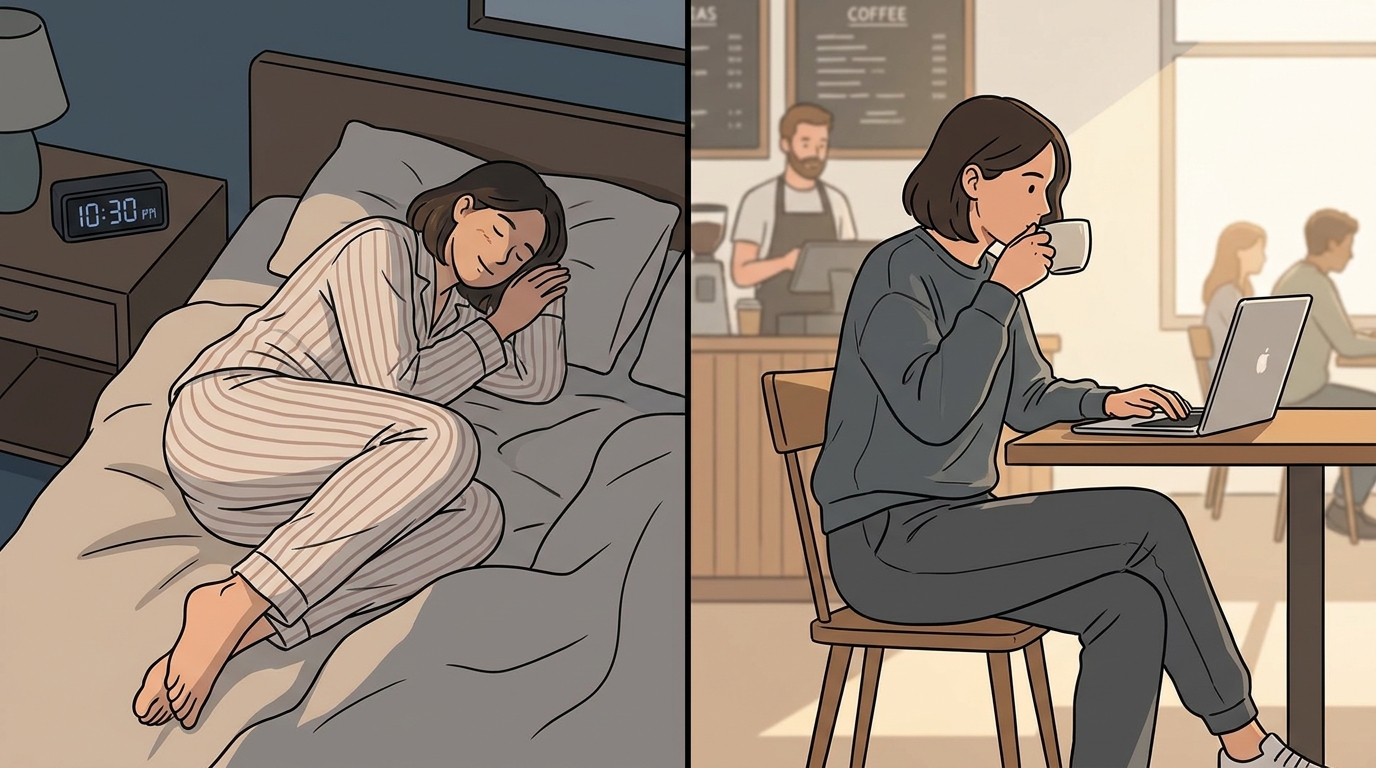
We just explored cozy daytime pieces and breathable nighttime garments. Now, let us put them side by side. Understanding the exact difference between loungewear and sleepwear comes down to three main factors.
Purpose and Functionality
The biggest contrast lies in how you actually use them. We design sleepwear strictly for your sleep cycle. It primarily helps you rest peacefully. You need garments allowing unrestricted body movement while you sleep. They prevent you from getting tangled in bed.
Daytime cozy clothes serve a totally different purpose. You wear them during active waking hours. They bridge the gap between pajamas and regular street clothes. You might wear them to work from home or clean the house. They support daily movement while keeping you incredibly comfortable.
Versatility and Modesty
Where can you wear these clothes? This question highlights a major split. As we covered earlier, you can always apply the simple errand test.
Loungewear offers enough structure for light outdoor use. You can easily wear it to grab coffee. You feel totally fine answering the front door. It is perfectly appropriate for receiving guests in your living room.
Sleepwear completely lacks this public versatility. It remains restricted to private bedroom and bathroom settings. Stepping outside in a thin nightgown leaves you feeling exposed. You would not wear loose boxers to the grocery store.
Fabric Weight and Durability
Material science plays a huge role here. You wear these items for different activities. Therefore, they require very different fabrics.
Sleep garments must prevent overheating at night. They utilize lightweight, breathable materials like thin cotton or silk. These fabrics absorb moisture well. However, they are often quite delicate.
Daytime relaxation clothes need much more durability. They use heavier, slightly more structured fabrics. Parents often look for “kid-proof” durability in these garments to withstand active play.
Creating durable daytime apparel requires advanced manufacturing. Textile experts like X-Texture focus on the deep processing of plush fabrics. They utilize eco-friendly Huntsman Dyes during production. This ensures your everyday clothes hold their color through countless washes. Active home clothes must survive couch friction and outdoor errands. Delicate sleep sets simply cannot handle this daily stress.
To make choosing easier, here is a quick comparison:
| Feature | Sleepwear | Loungewear |
|---|---|---|
| Primary Use | Actual sleep cycle | Active waking hours |
| Social Setting | Strictly private | Semi-public |
| Fabric Weight | Lightweight | Heavier and structured |
| Durability | Delicate | High (withstands daily chores) |
Fabric Matters: Materials Used in Comfort Apparel
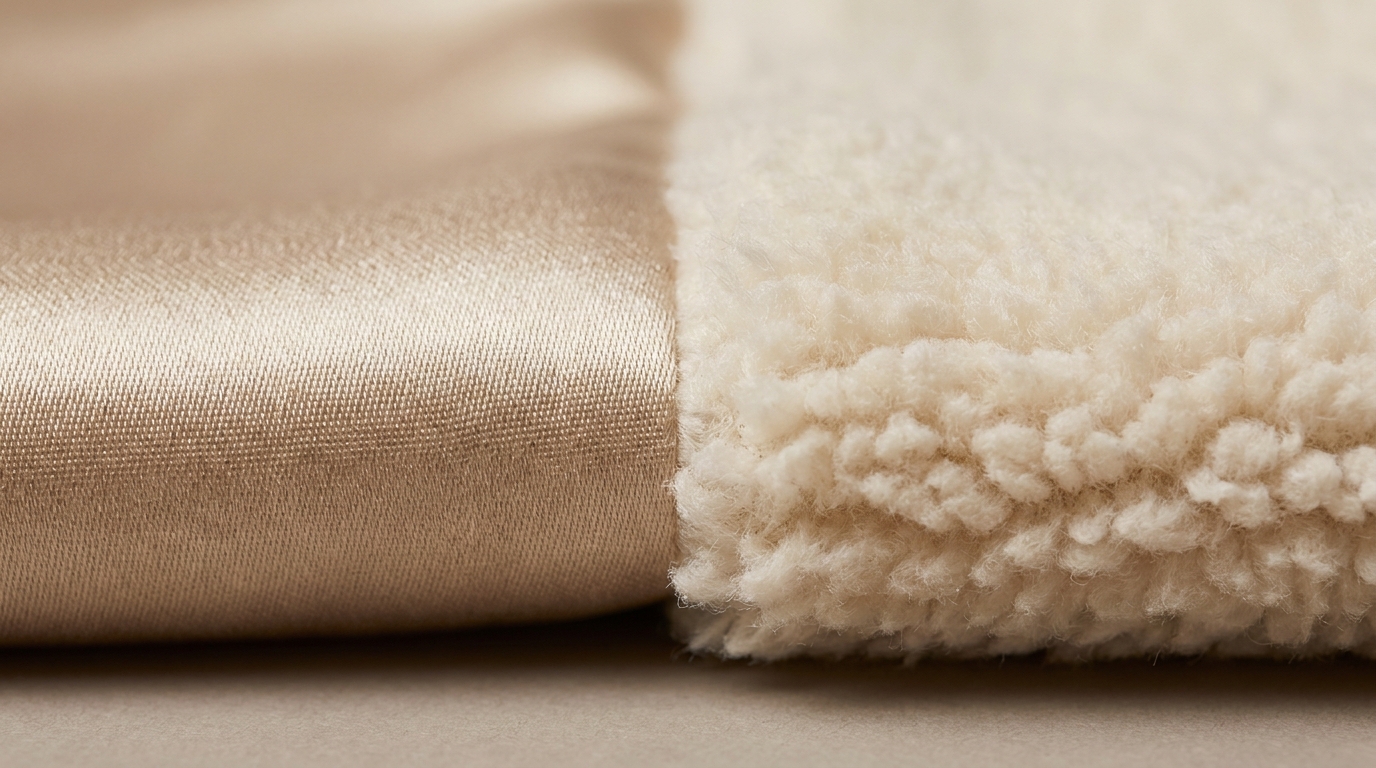
We just looked at how fabric weight impacts durability. Now, let us dive deeper into the materials themselves.
How Fabric Defines the Difference Between Loungewear and Sleepwear
Material choice plays a massive role in your daily comfort. In fact, it often defines the exact difference between loungewear and sleepwear. You need specific textiles for different times of the day. A heavy sweater feels terrible in bed. A thin silk nightgown leaves you freezing on a grocery run.
The right material bridges the gap between cozy mornings and restful sleep. It gives every garment its specific function.
Best Fabrics for Sleepwear
Nighttime garments prioritize your sleep cycle. They must keep you cool and comfortable all night long. Manufacturers choose lightweight, highly breathable materials.
Key options for restful nights include:
- Cotton: This classic choice absorbs moisture easily. It provides maximum breathability for warm summer nights.
- Silk and Satin: These offer a luxurious feel against your skin. They glide smoothly, preventing you from getting tangled in bed.
- Modal: This incredibly soft fabric regulates temperature beautifully. It works perfectly for sensitive skin.
These delicate textiles focus entirely on cooling and moisture-wicking. However, they lack the structure needed for daytime activities.
Best Fabrics for Loungewear
Daytime relaxation requires something much sturdier. You need clothes holding their shape while you move around the house. These garments rely on heavier, more structured textiles.
Popular choices for active waking hours include:
- Heavy Knits: These provide a stylish drape. They look put-together for receiving guests or running casual errands.
- French Terry: This loop-backed cotton offers great flexibility. It works perfectly for stylish joggers and sweatshirts.
- fleece fabric: This is the ultimate choice for colder months. It traps heat efficiently while remaining breathable.
Plush fleece keeps you incredibly warm during winter. It provides enough structure to pass the errand test easily. You can step outside without feeling underdressed or exposed.
The X-Texture Advantage in Plush Fabrics
Creating these structured, cozy materials requires immense expertise. High-quality daytime apparel depends on advanced manufacturing.
Jiangsu X-Texture Textile Technology Development Co., Ltd. leads this space. Established in 2012, they specialize in the deep processing of premium plush textiles. Their facility in the Tongzhou Bay Demonstration Zone handles complex dyeing, printing, and burnt-out processes.
They supply top-tier materials for the global market. They utilize an impressive annual production capacity of over 40,000 tons. This massive scale ensures brands can create durable, stylish comfort apparel.
They also prioritize green development. Their production uses Bluesign® certified chemical additives. They achieve a 90% wastewater recycling rate and utilize renewable energy through a photovoltaic power station. This sustainable approach means your favorite cozy clothes remain both comfortable and environmentally responsible.
We just highlighted how advanced manufacturing creates better fabrics. We also touched on environmental responsibility. Let us explore this deeper. Today, the difference between loungewear and sleepwear goes beyond just fabric weight. It also involves how companies actually make these garments.
Sustainable Choices in Modern Comfort Wear
Consumers care deeply about the planet right now. They want eco-friendly practices in textile manufacturing. This growing demand actively shapes modern everyday apparel. We wear these cozy clothes for many hours. We sleep in them every single night. We run casual errands in them. Therefore, sustainable production matters immensely to smart buyers.
Certified Quality and Safety
Fabric safety remains a huge priority for everyone. You wear these garments directly against your skin. This makes chemical safety absolutely crucial. Top manufacturers always rely on strict safety testing.
The OEKO-TEX 100 certification provides essential peace of mind. It ensures textiles remain completely safe and skin-friendly. It guarantees they contain zero harmful substances.
Jiangsu X-Texture proudly holds these important industry certifications. They maintain both standard and recycled OEKO-TEX 100 certifications. These official documents remain valid through February 16, 2026. This guarantees your cozy morning outfits meet strict global safety standards.
X-Texture’s Commitment to Green Development
As we covered earlier, X-Texture prioritizes green development. Let us look at how they actually achieve this. Creating sustainable fabrics requires advanced technology and massive dedication.
They utilize Bluesign® certified chemical additives during daily production. They also prioritize environmentally friendly Huntsman Dyes. These specific dyes ensure your clothes hold vibrant colors. They survive countless washes without harming the local environment.
Their facility implements industry-leading sustainable practices every single day. They achieve an impressive 90% wastewater recycling rate. They also capture energy through advanced waste heat recovery systems.
Finally, they power sustainable fabric production using renewable energy. A dedicated photovoltaic power station provides clean electricity for their operations.
All these steps drastically reduce overall environmental impact. They prove we do not have to sacrifice the planet for comfort. You can enjoy your cozy weekend lie-ins completely responsibly.
Can You Mix and Match?
We just discussed how sustainable manufacturing creates safe, durable fabrics. We know modern clothes protect both your skin and the planet. Now, you might wonder how to actually wear them. Can you swap these garments around?
Many people try to blur the lines. They want maximum use from every item. Let us explore if crossing these boundaries actually works.
Is It Okay to Sleep in Loungewear?
You might feel tempted to stay in your cozy joggers all night. Is it okay to sleep in these garments? The answer depends entirely on temperature regulation.
As we covered earlier, daytime garments use heavier, structured textiles. They keep you warm during active waking hours. However, they often create problems in bed. Heavy materials add unnecessary bulk under your blankets. They restrict your natural body movement.
This bulkiness disrupts your sleep cycle. You might easily wake up sweating. Those eco-friendly X-Texture plush fabrics we discussed trap heat beautifully. They work perfectly for cold mornings. They feel too hot for sleeping.
Here is a quick breakdown of sleeping in daytime comfort clothes:
- Pros: It provides extra warmth during freezing winter nights. It saves time getting dressed in the morning.
- Cons: Heavy fabrics cause severe overheating. Bulky seams dig into your skin. It restricts necessary nighttime movement.
Can You Wear Sleepwear as Loungewear?
What about the reverse situation? Can you wear your delicate silk nightgown to the grocery store? This brings us back to the famous errand test.
Nighttime apparel prioritizes breathable, lightweight materials. It lacks structural support. If you wear it to receive guests, you might feel too exposed. Modesty becomes a real issue for many people.
Durability presents another major problem. Delicate cotton nighties snag easily. They cannot handle the friction of household chores. Parents often buy highly durable “kid-proof” pajamas for children. Adult nightwear remains much more fragile.
You also lose essential support. Modern daytime apparel often includes hidden support features. Thin pajamas simply do not offer this structure. They belong strictly in private bedroom settings.
Mastering Your Daily Wardrobe
Understanding the exact difference between loungewear and sleepwear changes everything. It helps you build a highly functional closet. You stop ruining expensive silk by wearing it on the couch. You stop ruining your sleep by wearing bulky sweatshirts to bed.
Instead, you create clear boundaries for your clothing. You buy breathable shorty sets for warm sleepy nights. You invest in structured, sustainable pants for cozy mornings.
You can still mix and match smartly. Buy separate tops and bottoms rather than strict sets. This lets you customize your thermal comfort. You might pair a lightweight cotton sleep tee with heavier daytime joggers. You get the best of both worlds.
Knowing the difference between loungewear and sleepwear ensures you always choose correctly. You stay perfectly comfortable at any time of day. Your clothes last longer. Your sleep improves drastically.
Conclusion
Understanding the difference between loungewear and sleepwear is essential.
Loungewear suits daytime relaxing, while sleepwear ensures a restful night.
Invest in high-quality garments for your day and night routines.
Elevate your next comfort wear collection with X-Texture.
Explore our sustainable, OEKO-TEX 100 certified plush fabrics today!
FAQ
Q: Can I wear loungewear to bed?
A: While you can wear loungewear to bed, it might not be the most comfortable choice. Sleepwear is specifically designed to allow unrestricted body movement during your sleep cycle. Loungewear often uses slightly heavier, more structured fabrics meant for active waking hours or Sunday lie-ins. If you want a restful night, stick to soft, breathable sleepwear like pajamas or nightshirts, and save your heavier joggers and sweatshirts for binge-watching shows on the couch.
Q: Can I wear my sleepwear outside to run errands?
A: It is best to apply the “Errand Test.” If you feel comfortable wearing the outfit to the grocery store without feeling underdressed, it is loungewear. Sleepwear, like nightdresses or shorty sets, is traditionally restricted to private bedroom or bathroom settings. Loungewear bridges the gap between sleepwear and street clothes, making it socially acceptable for receiving guests, grabbing a coffee, or taking short trips outside.
Q: What are the best fabrics for loungewear and sleepwear?
A: Sleepwear typically uses soft, breathable materials like cotton or silk for temperature regulation. Loungewear often uses thicker, structured materials, including plush fabrics for a cozy feel. When choosing these fabrics, sustainability is key. For example, X-Texture produces over 40,000 tons of high-quality plush fabrics annually using eco-friendly practices. They use OEKO-TEX 100 certified materials, Bluesign® certified additives, and recycle 90% of their wastewater, ensuring your cozy clothes are both safe and green.
Q: Does sleepwear provide any support for women?
A: Yes! A common struggle is finding nightwear that offers support without being restrictive. While loungewear naturally offers more structure, modern sleepwear has evolved. Many brands now feature “hidden support” in their sleepwear, such as built-in vests or soft camisoles. This provides women with light structure and award-winning comfort for a good night’s rest, entirely eliminating the discomfort of wearing traditional bras to bed.
Q: Are kids’ pajamas durable enough for daytime play?
A: Generally, sleepwear prioritizes soft comfort for sleeping over rugged durability. However, many parents look for “kid-proof” pajamas that can handle a bit of active movement before bedtime without tearing. While these durable pajamas resist damage, true loungewear (like kids’ sweatshirts or everyday leggings) is much better suited for rough daytime activities. For babies, specialty sleepwear like muslin jablas are perfect for sensitive skin but are meant strictly for comfort, not heavy play.