
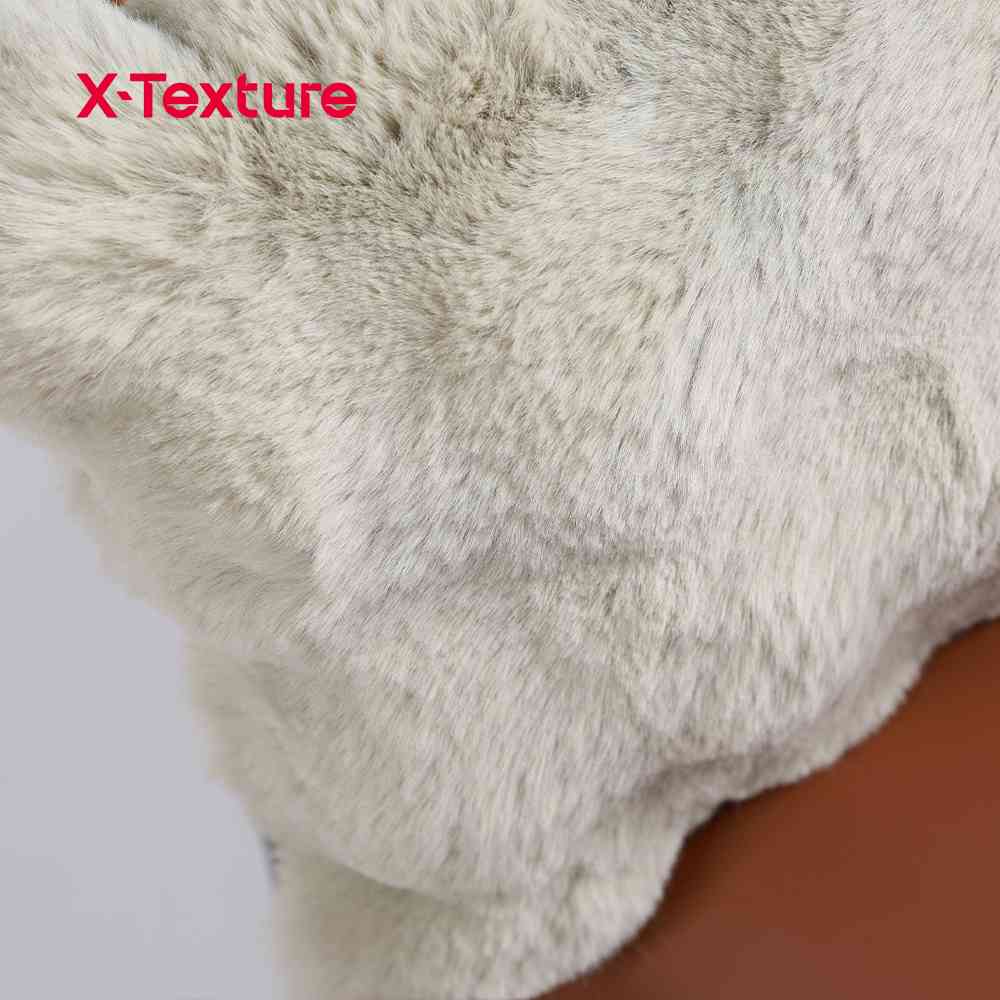
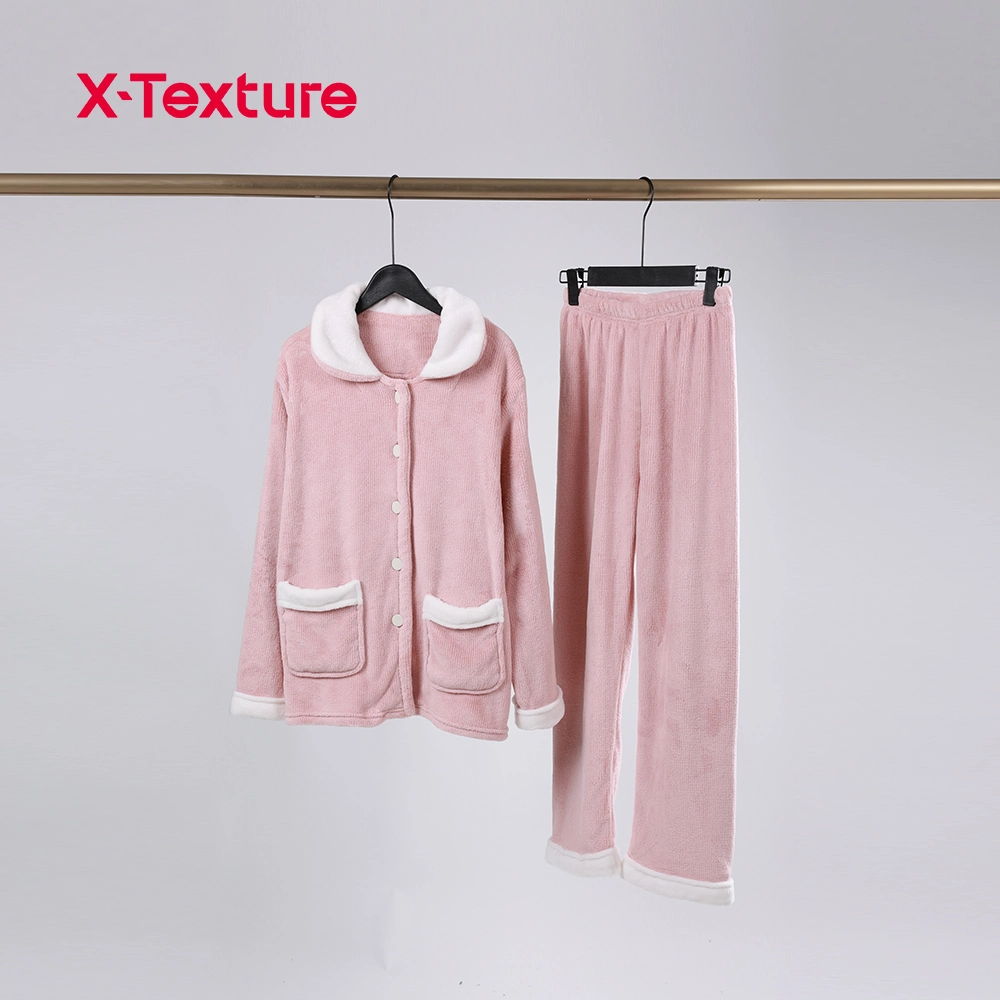
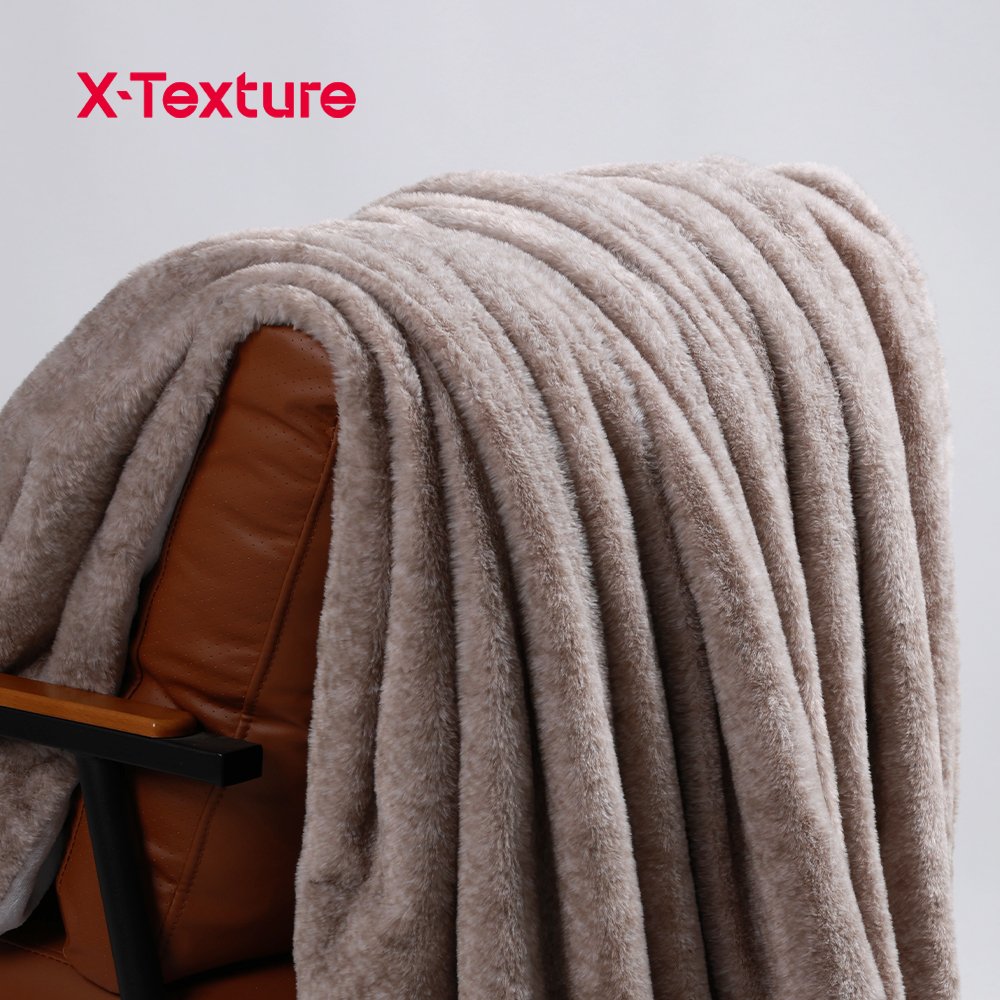
Fleece fabric is primarily made from polyester, a synthetic polymer derived from polyethylene terephthalate (PET). This is engineered into soft, insulating fibres which are then brushed to create a warm, fluffy surface.
According to research in materials science studies on textile manufacturing, polyester-based synthetic fabrics dominate fleece production because they offer better thermal stability, durability, and moisture resistance than natural fibres such as cotton or wool (Polyester fibre and textile behaviour studies, 2017; Fibre engineering literature on PET-based fabrics). Put simply, fleece fabric is a structured polyester textile designed to mimic the warmth of wool while improving performance in outdoor conditions.
Introduction: Why Understanding Fleece Fabric Composition Matters
Fleece is one of the most widely used materials for outdoor clothing, sportswear, and functional apparel. However, despite its popularity, many consumers still misunderstand what it is actually made of. While the term ‘fleece’ may sound natural or even wool-related, modern fleece is almost entirely a synthetic textile engineered for insulation and lightweight warmth.
Understanding what fleece fabric is made of is important for clothing selection, performance expectations, sustainability awareness, and product engineering decisions. In industries such as the manufacture of outdoor gear, decisions about where to source materials often depend on fibre composition, since the choice of material directly influences durability, thermal efficiency, and how the fabric behaves in relation to moisture.
From a global textile engineering perspective, fleece represents a shift from traditional animal fibres towards polymer-based performance fabrics, particularly in high-demand sectors such as the development of outdoor wear fabrics.
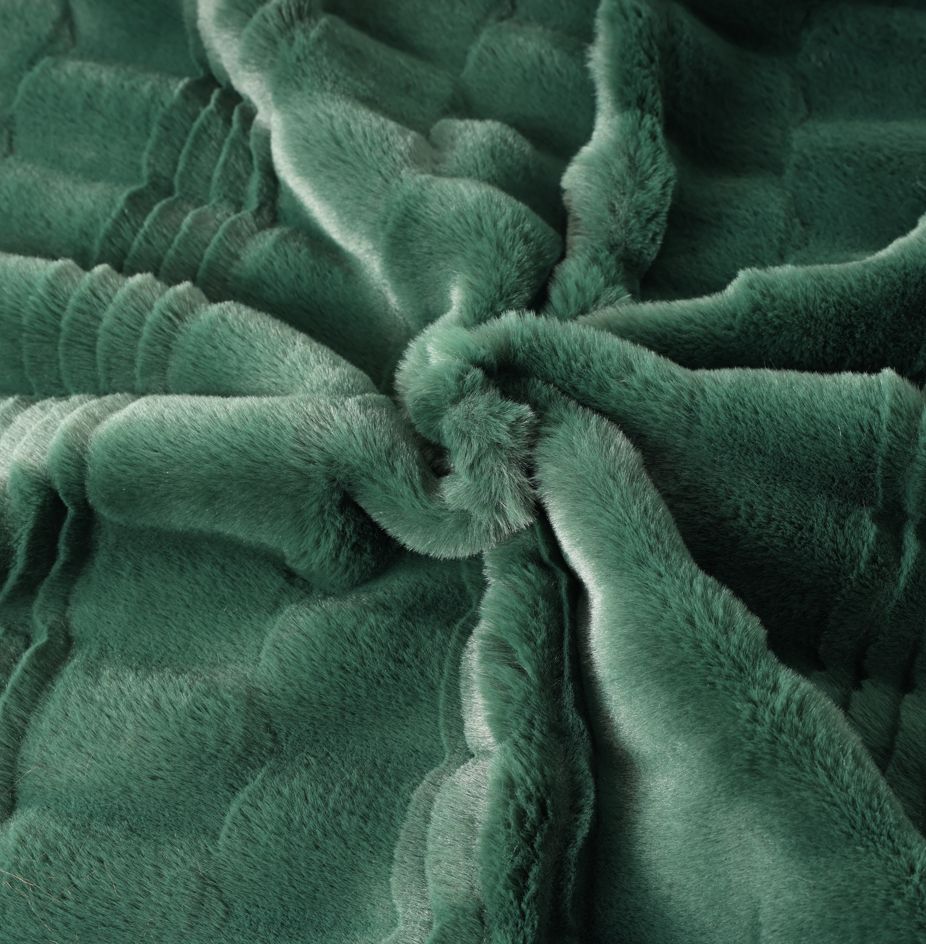
Core Composition of Fleece Fabric (Technical Breakdown)
The majority of fleece fabric used today is based on polyester fibers (PET—polyethylene terephthalate). This synthetic polymer is melted, extruded into fine filaments, spun into yarn, and then knitted into fabric before being mechanically brushed to create its signature soft texture.
Primary Materials Used in Fleece Fabric
| Material Type | Source | Role in Fabric | Performance Contribution |
| Polyester (PET) | Petroleum-based or recycled plastic bottles | Main structural fiber | Strength, durability, insulation |
| Recycled Polyester | Postconsumer PET bottles | Sustainable alternative | Lower environmental footprint |
| Elastomer Blends | Synthetic additives | Stretch enhancement | Flexibility and comfort |
| Cotton Blends (rare) | Natural fiber | Softness adjustment | Breathability improvement |
Most commercial fleece fabrics are 100% polyester or high-percentage polyester blends, because polyester provides the ideal balance of cost efficiency and performance stability in outdoor applications.
Why polyester dominates fleece production
Polyester is the preferred material for manufacturing fleece for several technical reasons:
- High tensile strength (resists tearing and stretching)
- Low moisture absorption (dries quickly)
- Structural resilience under repeated washing
- Ability to retain brushed ‘loft’ structure
- Compatibility with recycling systems
Modern textile engineering shows that polyester’s molecular structure enables fibres to retain their shape even after mechanical brushing, which is essential for fleece’s insulating properties.
Fibre transformation process (from PET to fleece)
The transformation from raw material to finished fleece involves several industrial steps:
- PET polymer melting
- Extrusion into fine filaments
- Cooling and solidification
- Yarn spinning
- Knitting into a fabric base
- Brushing (raising fibres)
- Shearing and finishing
This process creates a twosided pile structure where the raised fibres trap air to form thermal insulation layers.
How Fleece Fabric Works at a Structural Level?
Leece is not just defined by the material it is made of; it is also defined by its microstructure. The brushing process creates thousands of tiny fibre loops and air pockets that are responsible for its warmth.
- Thermal insulation mechanism
The insulating effect of fleece comes from trapped air rather than the fibres themselves. Air is a poor conductor of heat, so the fabric effectively forms a lightweight thermal barrier.
- Moisture behaviour
Unlike cotton, fleece does not absorb water easily. Instead, it allows moisture vapour to pass through while retaining warmth, making it ideal for use in active outdoor clothing.
- Weight to warmth efficiency
One of the defining advantages of fleece is its high warmth-to-weight ratio. This is why it is widely used in:
- Hiking jackets
- Base layers
- Midlayer insulation systems
- Cold-weather sportswear
Types of Fleece Fabric Based on Composition
Fleece is not a single material; it includes multiple subtypes depending on fiber thickness, brushing intensity, and density.
Main Types of Fleece Fabric
| Type | Fiber Density | Key Features | Typical Use |
| Microfleece | Low GSM | Lightweight, breathable | Base layers |
| Polar fleece | Mediumhigh GSM | Warm, durable | Jackets, blankets |
| Heavy fleece | High density | Maximum insulation | Winter outerwear |
| Recycled fleece | PETbased | Sustainable, eco-focused | Outdoor apparel |
Microfleece is often used for layering systems, while polar fleece dominates mainstream outdoor clothing due to its balanced performance.
Structural Differences Between Types
Different fleece types are created by adjusting:
- Yarn thickness
- Knitting tightness
- Brushing depth
- Fiber density (GSM)
Higher GSM fleece generally provides better insulation but lower breathability, making material selection critical in outdoor wear fabric design.
Industrial Manufacturing Perspective (B2B Insight)
From a textile manufacturing standpoint, fleece is one of the most scalable synthetic fabrics in global production. Suppliers such as other industrial textile producers focus heavily on fleece due to its high demand in outdoor apparel, sportswear, and home textiles.
Key Manufacturing Drivers
Low production cost per meter
High yield from PET recycling systems
Compatibility with dyeing and finishing technologies
Strong global demand in athleisure markets
Quality Control Factors
| Quality Metric | Industry Standard | Importance |
| Pilling resistance | Antipill grade A/B | Surface durability |
| Colorfastness | ISO tested | UV stability |
| GSM consistency | ±5% variation | Product uniformity |
| Moisture wicking | Performance rating | Comfort in sportswear |
Sustainability and Environmental Considerations
Although fleece is highly functional, it is associated with environmental concerns because it is made from synthetic polyester, a petroleum-based material. However, modern production increasingly uses recycled PET bottles to reduce its environmental impact.
Recent industry reports have highlighted that using recycled polyester fleece can significantly reduce carbon emissions compared to producing virgin polyester, while maintaining similar performance characteristics.
Nevertheless, microfibre shedding during washing remains a key environmental challenge in synthetic textiles.
Why Fleece Is Critical in Outdoor Wear Fabric Systems?
In modern textile engineering, fleece has become a core material in outdoor apparel systems due to its ability to balance thermal insulation, moisture management, and comfort in layered clothing designs.
- Midlayer insulation
Role in layering systems:
Fleece is typically used as a midlayer between the base layer and the outer shell.
Function:
- Traps body heat within its fibre structure
- Maintains warmth without adding bulk
Why it matters:
It enhances thermal efficiency in cold environments and works effectively with breathable outer shells.
- Lightweight warmth
Key advantage: high warmth-to-weight ratio
Result:
- Provides insulation without restricting movement
- Ideal for hiking, climbing, and other active outdoor pursuits
- Breathability under physical activity
Performance feature:
Allows moisture vapour to escape
Benefit: Prevents overheating during exercise and maintains comfort during high-intensity movement
Insight:
This makes fleece particularly valuable in dynamic outdoor conditions where temperature regulation is critical.
- Fast drying after moisture exposure
Why it works:
The synthetic fibre structure does not retain water like natural fibres.
Benefit:
- Quick drying after exposure to rain, sweat, or snow
- Reduced risk of chilling and discomfort
- Systemlevel importance
In layered outdoor systems, fleece acts as the functional bridge layer, optimising:
- Thermal regulation
- Moisture control
- Mobility and comfort
Its role is especially important in performance-focused apparel where environmental conditions change rapidly.
FAQ: Fleece Fabric
Q1: What is fleece fabric made of?
Fleece fabric is primarily made of polyester (PET), a synthetic fiber derived from petroleum or recycled plastic bottles, designed to provide warmth and softness.
Q2: Is fleece a natural or synthetic fabric?
Fleece is a synthetic fabric, not a natural fiber like wool or cotton.
Q3: Can fleece be made from cotton?
Yes, but it is less common. Cotton fleece exists but is heavier, less durable, and slower to dry than polyester fleece.
Q4: Why is polyester used in fleece?
Polyester provides durability, moisture resistance, and structural stability, making it ideal for outdoor wear applications.
Q5: Is fleece good for outdoor clothing?
Yes, fleece is widely used in outdoor clothing because it offers an excellent warmth-to-weight ratio and fast drying performance.
Conclusion
Fleece fabric is essentially a polyester-based engineered textile designed to replicate the insulating properties of wool while improving performance characteristics such as reduced weight, increased moisture resistance, and greater durability. Its structure, created through a process of knitting and brushing, makes it one of the most efficient insulating materials used in modern apparel systems.
As demands for sustainability and performance evolve, fleece continues to develop through innovations such as the integration of recycled PET and advanced finishing technologies. For manufacturers and sourcing professionals, fleece remains a core material in the global outdoor clothing industry, offering a balance of cost efficiency, comfort, and technical performance.