Abstract:
Cooling performance in textiles is no longer a niche requirement limited to sportswear. It has become a core design parameter across activewear, workwear, medical textiles, bedding, outdoor apparel, and smart garments.
According to Gibson (Textiles and Thermal Comfort, Woodhead Publishing) and Havenith & Fiala (Thermal Physiology and Comfort, Elsevier), thermal comfort is governed by heat transfer, moisture management, air permeability, and fabric structure rather than fiber type alone.
This article explains what type of fabric is best for cooling, with a professional focus on cooling fabric, integrating peer-reviewed research, industry standards, and best practices from top-ranking technical content to help manufacturers, designers, and buyers make informed material decisions.
Introduction: Why Cooling Fabric Matters More Than Ever
Global warming, urban heat islands, and the rise of performance-driven lifestyles have transformed cooling textiles from a “nice to have” into a strategic material requirement.
Whether it is:
Athletes training in extreme heat
Industrial workers in high-temperature environments
Medical patients requiring thermal regulation
Consumers seeking breathable summer clothing
The question remains the same: What type of fabric is best for cooling?
Cooling fabric is not a single material but a system of fiber selection, fabric structure, and functional finishing designed to enhance:
- Heat dissipation
- Moisture transport
- Air circulation
- Skin comfort
Understanding this system is the key to building high-ranking, technically credible, and commercially successful cooling textile solutions.
The Science of Cooling Fabrics: How Textiles Regulate Heat
Cooling fabrics are not simply “lightweight materials” — they are engineered textile systems designed to manage heat transfer, moisture transport, and thermal comfort at the fiber, fabric, and finishing levels. Understanding the science behind cooling fabrics explains why they dramatically outperform traditional textiles in hot and high-activity environments.
- The Four Heat Transfer Pathways in Textiles
Human body heat is regulated through four physical mechanisms, and cooling fabrics optimize each one:
| Heat Transfer Mechanism | How Cooling Fabrics Work |
| Conduction | High-thermal-conductivity fibers transfer heat away from the skin |
| Convection | Open fabric structures allow airflow to carry heat away |
| Evaporation | Wicking fibers accelerate sweat evaporation |
| Radiation | Reflective finishes reduce solar heat absorption |
- Moisture Management: The Engine of Cooling
Evaporative cooling is the most powerful cooling mechanism.
How It Works:
Hydrophilic fiber surfaces pull sweat away from skin
Capillary channels spread moisture across a large surface area
Fast evaporation removes heat energy from the body
Key Technologies:
Multi-channel polyester fibers
Nylon microfilaments
Hydrophilic chemical finishes
- Fiber Science Behind Cooling Performance
| Fiber Type | Cooling Contribution |
| Cooling Polyester | Fast wicking and drying |
| Nylon 6/6 | Cool touch, high strength, smooth surface |
| Lyocell / Modal | Natural breathability and moisture control |
| Graphene-Enhanced Fibers | High thermal conductivity |
| Mineral-Infused Fibers | Accelerated heat dissipation |
- Fabric Structure and Airflow Engineering
Fabric geometry controls cooling more than fiber alone.
| Structure | Cooling Benefit |
| Warp Knit | High air permeability, stable airflow channels |
| Micro-Mesh | Maximum convection |
| Engineered Jacquard | Zoned ventilation |
| Open Weave | Rapid heat release |
- Functional Finishes That Enhance Cooling
Phase Change Materials (PCM) store and release heat
Cooling mineral coatings reduce surface temperature
Anti-odor and antimicrobial finishes improve wear comfort
UV protection coatings reduce solar heat gain
- Measurable Cooling Performance Indicators
| Test Metric | Why It Matters |
| Moisture Wicking Rate | Determines evaporative efficiency |
| Air Permeability (CFM) | Controls convective heat loss |
| Drying Time | Sustains cooling performance |
| Thermal Resistance (R-value) | Lower = cooler |
| Qmax Value | Measures cool-touch sensation |
- Why Cooling Fabrics Feel Cooler Than Traditional Textiles
Traditional fabrics trap heat and moisture.
Cooling fabrics actively move heat and sweat away from the body, creating a self-regulating thermal system.
What Makes a Fabric “Cooling”?
A true cooling fabric combines three performance pillars:
- Moisture Management
Efficient cooling requires rapid sweat transport away from the skin.
Research by Hollies et al. (Journal of the Textile Institute) shows that fabrics with high wicking and diffusion capacity significantly reduce skin temperature.
Key indicators:
- High capillary action
- Fast drying rate
- Low moisture retention
- Breathability and Air Permeability
According to ASTM D737, air permeability directly correlates with convective heat loss.
Open fabric structures allow hot air to escape and fresh air to circulate.
- Thermal Conductivity and Heat Dissipation
Some fibers and finishes actively pull heat away from the skin, creating a cooling sensation.
This is known as Q-max cooling, widely referenced in performance textile standards.
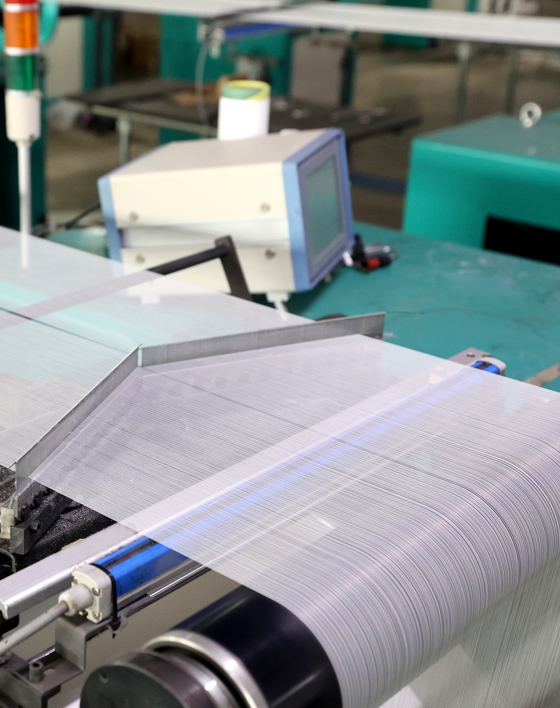
Best Types of Cooling Fabric by Fiber Category
- Natural Fibers for Cooling
Cotton:
Cotton is often considered the benchmark for cooling because of its:
High moisture absorption
Soft hand feel
Natural breathability
However, studies by Havenith (Elsevier) show that cotton holds moisture longer, which can reduce cooling efficiency during intense activity.
Linen (Flax):
Linen is one of the best natural cooling fabrics because:
It has high thermal conductivity
It dries faster than cotton
It has a loose, breathable structure
According to Textile Research Journal, linen fabrics reduce perceived skin temperature by up to 2–3°C compared with cotton.
Bamboo Viscose:
Bamboo-based cooling fabric combines:
High moisture wicking
Natural breathability
Antibacterial properties
- Synthetic Fibers for Cooling
Polyester Cooling Fabric:
Modern cooling polyester is engineered with:
Micro-channel cross sections
Moisture-wicking finishes
Hydrophilic surface treatments
According to Gibson, engineered polyester outperforms cotton in evaporative cooling under high sweat rates.
Nylon (Polyamide):
Nylon cooling fabric offers:
High strength
Smooth surface
Excellent moisture transport
It is widely used in athletic and compression garments because it feels cool to the touch and dries quickly.
Fabric Structure: The Hidden Factor Behind Cooling Performance
| Fabric Structure | Cooling Performance | Why It Works |
| Mesh Knit | Excellent | Maximizes airflow and evaporation |
| Warp Knit | Very High | Lightweight and breathable |
| Plain Weave | High | Balanced breathability and stability |
| Twill Weave | Medium | Denser structure, less airflow |
| Fleece | Low | Traps heat and moisture |
Structure often matters more than fiber.
A mesh polyester cooling fabric can outperform a dense cotton fabric in hot environments.
Functional Finishes That Enhance Cooling Fabric Performance
- Phase Change Materials (PCM)
According to Mondal (Applied Thermal Engineering), PCM finishes absorb excess heat and release it when the temperature drops, stabilizing body temperature.
- Moisture Management Finishes
Hydrophilic treatments increase:
Wicking speed
Evaporation rate
Cooling efficiency
- Mineral and Ceramic Cooling Finishes
Brands such as Coolcore and HeiQ integrate mineral particles that enhance infrared heat dissipation, increasing the cooling effect.
Best Cooling Fabric by Application
| Application | Best Cooling Fabric | Reason |
| Sportswear | Polyester mesh cooling fabric | Fast drying, high airflow |
| Workwear | Nylon-polyester blend cooling fabric | Durability + moisture control |
| Bedding | Bamboo viscose cooling fabric | Soft, breathable, thermoregulating |
| Medical textiles | Warp-knit cooling fabric with PCM | Temperature stability |
| Outdoor apparel | Linen blend cooling fabric | Natural breathability |
Why Cooling Fabric Outperforms Traditional Fabrics?
Cooling fabrics are engineered to manage heat and moisture actively, delivering measurably better comfort than traditional textiles in hot and high-activity environments.
Key Performance Advantages
| Performance Factor | Traditional Fabrics | Cooling Fabrics |
| Moisture Management | Absorbs sweat, dries slowly | Wicks sweat and dries quickly |
| Breathability | Limited airflow | High air permeability |
| Thermal Comfort | Traps heat | Enhances heat dissipation |
| Skin Feel | Heavy when wet | Light and cool when wet |
| Odor Control | Poor | Integrated anti-odor finishes |
Why Cooling Fabrics Perform Better?
- Advanced Fiber Engineering
Cooling fabrics utilize capillary-structured polyester, nylon microfilaments, and hydrophilic yarns to draw moisture away from the skin, facilitating rapid evaporation.
- Optimized Fabric Structures
Warp knits, micro-mesh weaves, and engineered jacquards increase airflow, allowing body heat to escape efficiently.
- Functional Finishes
Cooling minerals, phase-change materials, and graphene additives actively reduce skin temperature and maintain cooling performance during wear.
- Durability in Performance
Unlike cotton, which loses comfort when saturated, cooling fabrics maintain performance even under heavy perspiration.
Sustainability and Cooling Fabric
Modern cooling fabrics are evolving to meet environmental and regulatory expectations without sacrificing performance.
Sustainable Innovations
| Sustainability Focus | How Cooling Fabrics Address It |
| Recycled Materials | Recycled polyester and nylon fibers reduce virgin plastic use |
| Water Reduction | Dope-dyed and low-liquor dyeing processes save water |
| Chemical Safety | OEKO-TEX®, Bluesign® compliant finishes |
| Energy Efficiency | Lower drying energy due to fast-dry performance |
| Product Longevity | Durable cooling performance extends garment life |
- Circular Economy Alignment
Cooling fabrics increasingly use post-consumer recycled fibers
Mono-material designs improve recyclability
Bio-based cooling finishes reduce chemical impact
- Environmental Value
Cooling fabrics lowers environmental impact by:
Reducing washing and drying frequency
Extending product service life
Cutting energy consumption in daily use
How to Choose the Best Cooling Fabric: Professional Selection Guide
Cooling fabrics are engineered to reduce heat stress, manage moisture, and improve wearing comfort in hot and high-activity environments. Choosing the right cooling fabric requires a balance of material science, fabric structure, finishing technology, and real-world application needs.
- Understand How Cooling Fabrics Work
Cooling fabrics do not “create cold” — they enhance heat dissipation through four mechanisms:
| Cooling Mechanism | How It Works | Typical Technologies |
| Moisture Wicking | Moves sweat away from skin for fast evaporation | Capillary yarns, hydrophilic finishes |
| Breathability | Allows air circulation to remove heat | Open-knit structures, micro-mesh |
| Evaporative Cooling | Uses sweat evaporation to lower skin temperature | Quick-dry fibers, cooling coatings |
| Conductive Cooling | Transfers heat away from the skin | Mineral additives, graphene fibers |
- Choose the Right Fiber Material
| Fiber | Cooling Performance | Best For |
| Polyester (Cooling Grade) | Excellent wicking, fast drying | Sportswear, outdoor apparel |
| Nylon | Smooth, cool touch, high strength | Activewear, compression wear |
| Modal / Lyocell | Natural cooling, breathable | Casual summer wear |
| Cotton (Engineered) | Soft, breathable, moisture-absorbing | Daily summer clothing |
| Blended Fibers | Balanced performance | Performance + comfort garments |
Tip: Nylon-polyester blends often deliver the best balance of durability and cooling.
- Fabric Structure Matters More Than Fiber Alone
| Structure | Cooling Advantage | Typical Use |
| Warp Knit | High breathability, stable structure | Sports tops, cooling base layers |
| Circular Knit | Soft, elastic, moisture management | T-shirts, underwear |
| Woven Micro-Mesh | Maximum airflow | Outdoor shirts, uniforms |
- Evaluate Key Performance Indicators (KPIs)
| KPI | Why It Matters |
| Moisture Wicking Rate | Faster sweat transport = better cooling |
| Air Permeability (CFM) | Higher airflow = lower skin temperature |
| Drying Time | Shorter time = sustained cooling |
| Thermal Resistance (R-Value) | Lower value = cooler feel |
| UV Protection | Protects skin while staying cool |
- Consider Functional Finishes and Technologies
Cooling mineral coatings
Phase-change materials (PCM)
Graphene cooling fibers
Anti-odor silver ions
UV-blocking finishes
These enhance cooling without sacrificing durability.
- Match Fabric to Application
| Application | Best Cooling Fabric Choice |
| Sports & Fitness | Nylon / Polyester cooling knit |
| Outdoor Workwear | Cooling woven polyester with UV protection |
| Medical & Wellness | Lyocell blended cooling fabric |
| Home Textiles | Cooling modal or bamboo knit |
- Sustainability & Compliance Considerations
Recycled polyester cooling fibers
Bluesign / OEKO-TEX® certified fabrics
Low-impact dyeing
Durable cooling finishes (wash-resistant)
FAQ: Cooling Fabric
Q1: What is the best fabric for staying cool in hot weather?
The best fabric for staying cool is a cooling fabric with high moisture wicking, breathability, and thermal conductivity, such as polyester mesh, linen, bamboo viscose, or engineered nylon blends.
Q2: Is cotton a good cooling fabric?
Cotton is breathable and comfortable, but modern cooling fabrics outperform cotton because they dry faster and manage moisture more efficiently.
Q3: What makes cooling fabric different from regular fabric?
Cooling fabric is engineered to enhance evaporation, airflow, and heat dissipation using advanced fibers, structures, and functional finishes.
Q4: Are cooling fabrics safe for sensitive skin?
Yes. Most cooling fabrics are tested under OEKO-TEX and ISO standards to ensure skin safety and comfort.
Q5: Do cooling finishes really work?
Peer-reviewed studies (Gibson, Mondal, Havenith) confirm that moisture-wicking, PCM, and mineral finishes significantly improve thermal comfort and perceived cooling.
Conclusion
So, what type of fabric is best for cooling?
From a professional and scientific standpoint, the answer is clear:
The best cooling fabric is not a single fiber but a performance system combining the right fiber, structure, and finish to maximize moisture transport, airflow, and heat dissipation.
Whether you choose polyester mesh, nylon blends, linen, or bamboo viscose, success depends on how the fabric is engineered for thermal comfort.
For manufacturers, designers, and buyers, investing in advanced cooling fabric is no longer optional. It is the foundation of competitive, high-performance, and future-ready textile products.